10 Best Herbal Linctuses For One Side Headache
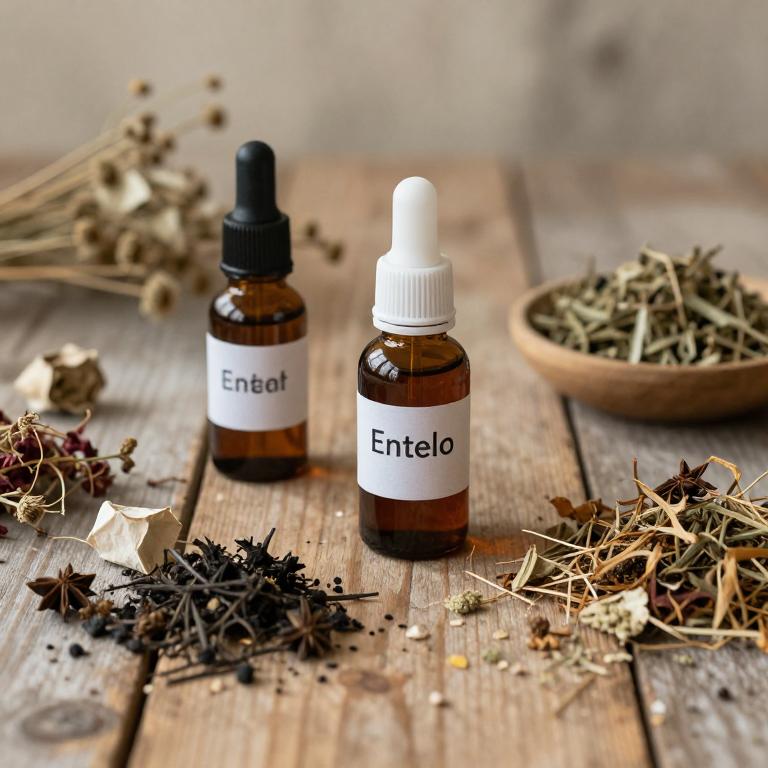
Herbal linctuses are traditional remedies often used to alleviate symptoms of one-sided headaches, such as those associated with tension or migraines.
These formulations typically contain natural ingredients like peppermint, willow bark, and ginger, which have soothing and anti-inflammatory properties. The soothing effects of these herbs can help reduce pain and promote relaxation, making them a gentle alternative to conventional medications. However, it is important to consult a healthcare professional before using herbal linctuses, especially if the headache is persistent or severe.
While they may offer relief for mild cases, they are not a substitute for medical evaluation when symptoms are concerning.
Table of Contents
- 1. Chaste tree (Vitex agnus-castus)
- 2. Peppermint (Mentha piperita)
- 3. Salvia (Salvia officinalis)
- 4. Black pepper (Piper nigrum)
- 5. Eucalyptus (Eucalyptus globulus)
- 6. Echinacea (Echinacea purpurea)
- 7. Rosemary (Rosmarinus officinalis)
- 8. Ginger (Zingiber officinale)
- 9. Licorice (Glycyrrhiza glabra)
- 10. Ceylon cinnamon (Cinnamomum verum)
1. Chaste tree (Vitex agnus-castus)
Vitex agnus-castus, commonly known as chasteberry, has been traditionally used in herbal medicine for its potential effects on hormonal balance and its soothing properties.
While it is more commonly associated with menstrual health and menopause support, some studies suggest it may also have a calming influence on the nervous system, which could indirectly help alleviate headaches. When used in the form of herbal linctuses, which are typically intended for cough relief, vitex may not be the most effective or appropriate choice for treating headaches. However, some individuals may find relief from its mild sedative and anti-inflammatory properties when applied topically or consumed as a tea.
It is important to consult with a healthcare professional before using vitex for headaches, as it may interact with other medications or conditions.
2. Peppermint (Mentha piperita)
Mentha piperita, commonly known as peppermint, is often used in herbal linctuses to alleviate symptoms of one-sided headaches, such as those associated with migraines or tension headaches.
The cooling and soothing properties of peppermint oil help to relax tense muscles and improve blood flow, which can reduce headache intensity. These linctuses typically contain a concentrated form of peppermint extract, which can be applied topically or taken orally as directed. The menthol in peppermint acts on the sensory nerves, providing a refreshing sensation that may help ease pain and discomfort.
While generally safe for most adults, individuals with certain medical conditions or allergies should consult a healthcare provider before use.
3. Salvia (Salvia officinalis)
Salvia officinalis, commonly known as sage, has been traditionally used in herbal linctuses to alleviate symptoms of one-sided headaches, often associated with conditions like migraines or tension headaches.
The plant contains compounds such as thujone and flavonoids, which may help reduce inflammation and constrict blood vessels, potentially easing headache severity. When prepared as a linctus, sage offers a soothing, aromatic quality that can help calm the nervous system and ease discomfort. This natural remedy is often favored for its mild side effects compared to pharmaceutical alternatives.
However, it is important to consult a healthcare professional before using sage linctus, especially for persistent or severe headaches.
4. Black pepper (Piper nigrum)
Piper nigrum, commonly known as black pepper, has been traditionally used in herbal remedies for its warming and stimulating properties.
When prepared as a linctus, it may help alleviate symptoms of a one-sided headache by improving circulation and reducing congestion in the sinus areas. The active component, piperine, is believed to have mild analgesic and anti-inflammatory effects that could ease pain. However, it is important to note that while some individuals may find relief from this natural remedy, it should not replace professional medical advice, especially for persistent or severe headaches.
As with any herbal treatment, it is advisable to consult a healthcare provider before use to ensure safety and appropriateness for individual health conditions.
5. Eucalyptus (Eucalyptus globulus)
Eucalyptus globulus, commonly known as eucalyptus, is a popular ingredient in herbal linctuses due to its soothing and decongestant properties.
These linctuses are often used to alleviate symptoms of respiratory conditions, including one-sided headaches that may be associated with sinus congestion or inflammation. The essential oils in eucalyptus globulus can help reduce inflammation and ease the pressure that contributes to headache pain. When used as a herbal linctus, it provides a natural alternative for those seeking relief without strong pharmaceuticals.
However, it is important to consult a healthcare professional before use, especially for individuals with allergies or underlying health conditions.
6. Echinacea (Echinacea purpurea)
Echinacea purpurea, commonly known as purple coneflower, is a traditional herbal remedy often used to support immune function and reduce inflammation.
When prepared as a linctus, or herbal syrup, it may provide soothing relief for respiratory irritation and mild headaches. Some individuals use echinacea linctus for one-sided headaches, believing its anti-inflammatory and analgesic properties can alleviate tension or sinus-related pain. However, it is important to note that scientific evidence supporting its efficacy for headaches is limited, and it should not replace professional medical advice.
As with any herbal remedy, it is advisable to consult a healthcare provider before use, especially for persistent or severe headaches.
7. Rosemary (Rosmarinus officinalis)
Rosmarinus officinalis, commonly known as rosemary, is a herbal remedy that has been traditionally used to alleviate symptoms of headaches, including one-sided headaches such as migraines.
The essential oils derived from rosemary leaves contain compounds like cineole and camphor, which are believed to have analgesic and anti-inflammatory properties. When used in the form of a linctus, or herbal syrup, rosemary can help soothe the throat and provide a calming effect that may reduce headache intensity. This natural remedy is often preferred by individuals seeking alternative treatments with fewer side effects compared to conventional medications.
However, it is advisable to consult a healthcare professional before using rosemary linctus, especially for prolonged or severe headaches.
8. Ginger (Zingiber officinale)
Zingiber officinale, commonly known as ginger, has been traditionally used for its anti-inflammatory and analgesic properties, making it a popular ingredient in herbal linctuses for relieving one-sided headaches.
These linctuses often contain ginger extract, which may help reduce inflammation and ease the pain associated with migraines or tension headaches. The aromatic compounds in ginger can also stimulate blood flow and relax blood vessels, potentially alleviating headache symptoms. While not a substitute for medical treatment, ginger-based linctuses may offer a natural alternative for those seeking relief from mild to moderate headaches.
However, it is important to consult a healthcare provider before using herbal remedies, especially for persistent or severe headaches.
9. Licorice (Glycyrrhiza glabra)
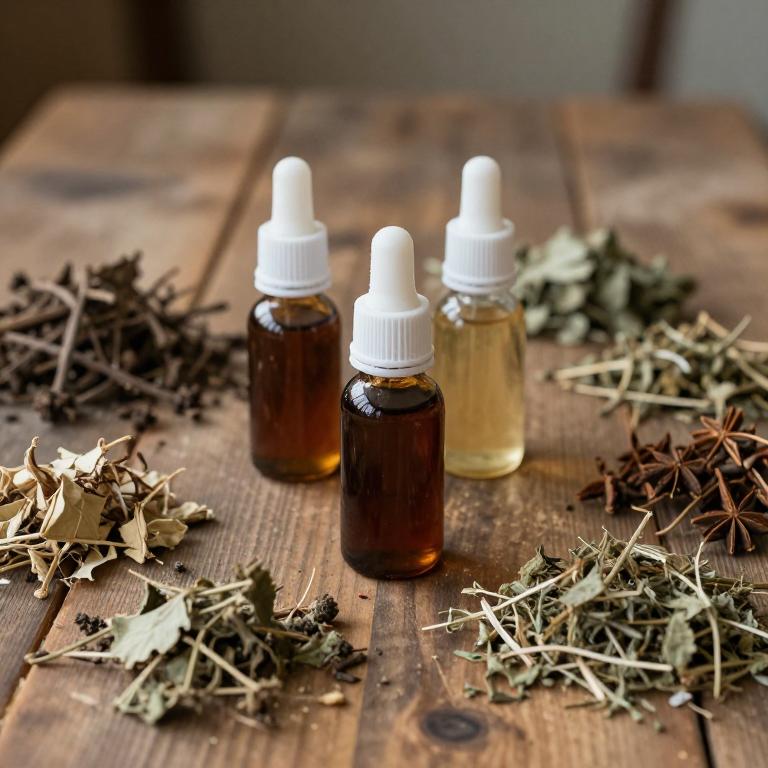
Glycyrrhiza glabra, commonly known as licorice root, has been traditionally used in herbal medicine for its soothing and anti-inflammatory properties.
When prepared as a linctus, or herbal syrup, it can help alleviate symptoms of a one-sided headache by reducing inflammation and irritation in the respiratory tract, which may contribute to headache onset. The active compounds in licorice, such as glycyrrhizin and flavonoids, possess mild antispasmodic and expectorant effects, which may provide relief from accompanying coughing or throat discomfort. While licorice linctus is not a cure for headaches, it can serve as a supportive remedy, particularly for headaches associated with upper respiratory infections or throat conditions.
However, long-term use should be cautious due to potential side effects, including increased blood pressure, and it is advisable to consult a healthcare provider before regular use.
10. Ceylon cinnamon (Cinnamomum verum)
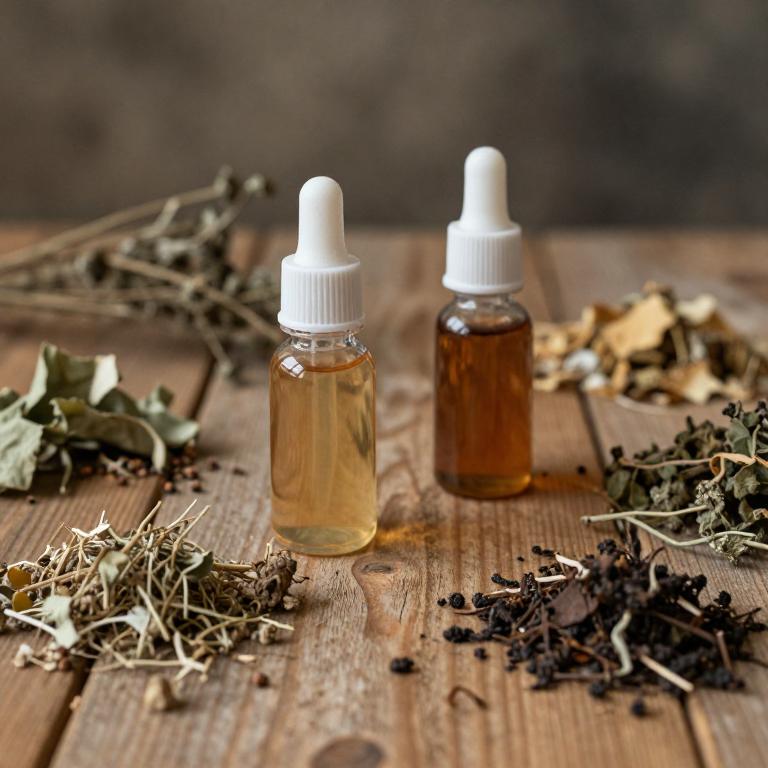
Cinnamomum verum, commonly known as true cinnamon, has been traditionally used in herbal medicine for its soothing and anti-inflammatory properties.
When prepared as a linctus, or herbal syrup, it can be effective in alleviating symptoms of a one-sided headache, often associated with conditions like tension headaches or migraines. The essential oils in cinnamon, particularly cinnamaldehyde, may help reduce inflammation and relax muscle tension around the head and neck. Its warming effect can also help improve blood circulation, which may ease headache pain.
However, it is advisable to consult a healthcare professional before using cinnamon linctus, especially if the headache is severe or persistent.