10 Best Herbal Juices For One Side Headache
Herbal juices can be a natural and effective remedy for alleviating a one-sided headache, often attributed to conditions like tension or migraines.
Ingredients such as ginger, peppermint, and willow bark are commonly used for their analgesic and anti-inflammatory properties. Ginger juice, in particular, helps reduce inflammation and improve blood flow, which can ease headache symptoms. Peppermint contains menthol, which can provide a cooling effect and relax tense muscles around the head.
Incorporating these herbal juices into a balanced diet, along with proper hydration and rest, may offer a holistic approach to managing occasional headaches.
Table of Contents
- 1. Chaste tree (Vitex agnus-castus)
- 2. Ginkgo (Ginkgo biloba)
- 3. Stinging nettle (Urtica dioica)
- 4. Echinacea (Echinacea purpurea)
- 5. Turmeric (Curcuma longa)
- 6. Peppermint (Mentha piperita)
- 7. Salvia (Salvia officinalis)
- 8. White water lily (Nymphaea alba)
- 9. Rosemary (Rosmarinus officinalis)
- 10. Blessed thistle (Cnicus benedictus)
1. Chaste tree (Vitex agnus-castus)
Vitex agnus-castus, commonly known as chasteberry, has been traditionally used to support hormonal balance and may help alleviate symptoms associated with hormonal fluctuations, including one-sided headaches.
This herbal juice is believed to influence the pituitary gland, which can impact menstrual cycles and reduce stress-related headaches. While scientific evidence is limited, some studies suggest that vitex may help regulate estrogen levels, potentially reducing tension-type headaches. It is often used as a natural remedy, particularly by women experiencing headaches linked to premenstrual syndrome.
As with any herbal supplement, it is advisable to consult a healthcare professional before use, especially if you have underlying health conditions or are taking other medications.
2. Ginkgo (Ginkgo biloba)
Ginkgo biloba herbal juices are often used as a natural remedy for various health issues, including headaches.
This herbal extract is derived from the leaves of the ginkgo tree, which is known for its antioxidant and anti-inflammatory properties. Some people believe that ginkgo biloba can improve blood flow and reduce oxidative stress, which may help alleviate symptoms of headaches. However, it is important to note that scientific evidence supporting its effectiveness for headaches is limited.
As with any herbal remedy, it is advisable to consult a healthcare professional before using ginkgo biloba, especially if you are on other medications or have underlying health conditions.
3. Stinging nettle (Urtica dioica)
Urtica dioica, commonly known as stinging nettle, has been traditionally used in herbal medicine for its potential health benefits, including relief from headaches.
Some people use stinging nettle juice as a natural remedy for one-sided headaches, such as those associated with migraines, due to its high concentration of minerals and antioxidants. The juice is believed to help reduce inflammation and improve circulation, which may alleviate headache symptoms. However, it is important to note that scientific evidence supporting its effectiveness for headaches is limited, and individual responses can vary.
As with any herbal remedy, it is advisable to consult a healthcare professional before use, especially if you have underlying health conditions or are taking other medications.
4. Echinacea (Echinacea purpurea)
Echinacea purpurea, commonly known as purple coneflower, is a popular herbal remedy often used to support immune function and reduce inflammation.
Some people use echinacea herbal juices to alleviate symptoms of a mild headache, particularly those related to tension or sinus pressure. While there is limited scientific evidence directly linking echinacea to headache relief, its anti-inflammatory and antioxidant properties may help ease discomfort. It is typically consumed as a tincture or juice, and may be combined with other herbs like ginger or willow bark for enhanced effects.
However, it is important to consult a healthcare professional before using echinacea, especially if you have underlying health conditions or are taking medications.
5. Turmeric (Curcuma longa)
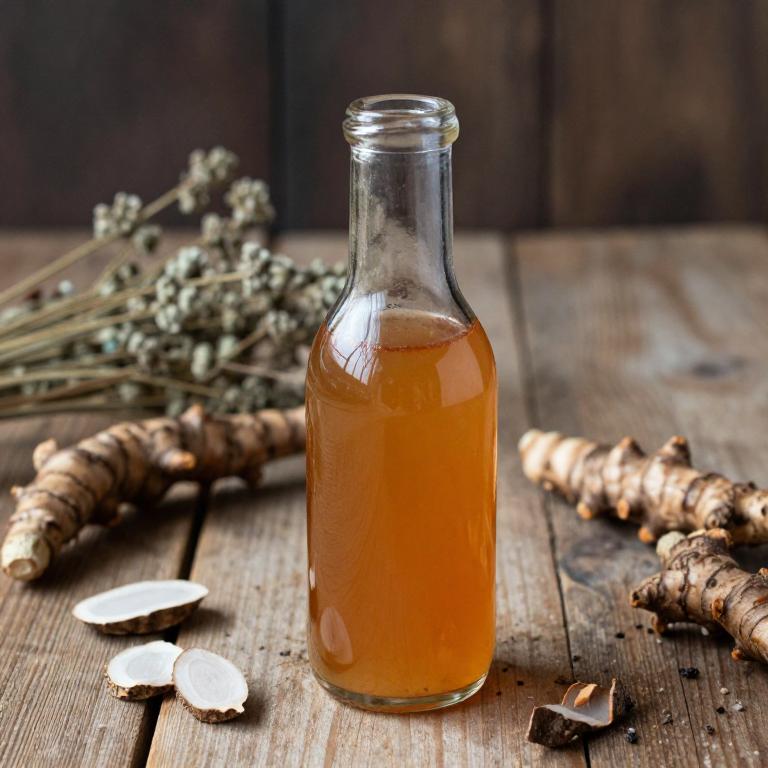
Curcuma longa, commonly known as turmeric, contains curcumin, a powerful compound with anti-inflammatory and antioxidant properties that may help alleviate symptoms of a one-sided headache.
Herbal juices made from turmeric can be beneficial in reducing inflammation and oxidative stress, which are often associated with headaches. These juices can be prepared by combining turmeric with other soothing ingredients like ginger, honey, or lemon to enhance flavor and effectiveness. Regular consumption of turmeric-based herbal juices may support overall brain health and reduce the frequency of headaches.
However, it is advisable to consult a healthcare professional before using turmeric juice as a remedy, especially if you have underlying health conditions or are on medication.
6. Peppermint (Mentha piperita)
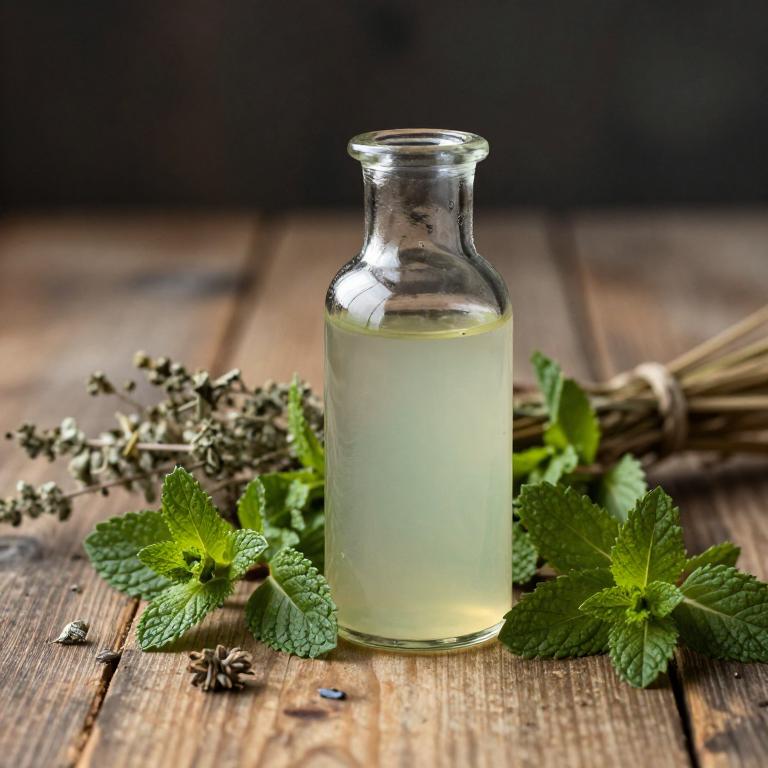
Mentha piperita, commonly known as peppermint, is a popular herb often used in herbal juices to alleviate symptoms of a one-sided headache.
The refreshing and cooling properties of peppermint help to relax the muscles in the head and neck, reducing tension and easing pain. When consumed as a juice, peppermint can improve circulation and reduce inflammation, which may contribute to headache relief. Its natural menthol content acts as a mild analgesic, providing a soothing effect on the nervous system.
Regular consumption of peppermint herbal juice may offer a natural and effective alternative for managing occasional tension headaches.
7. Salvia (Salvia officinalis)
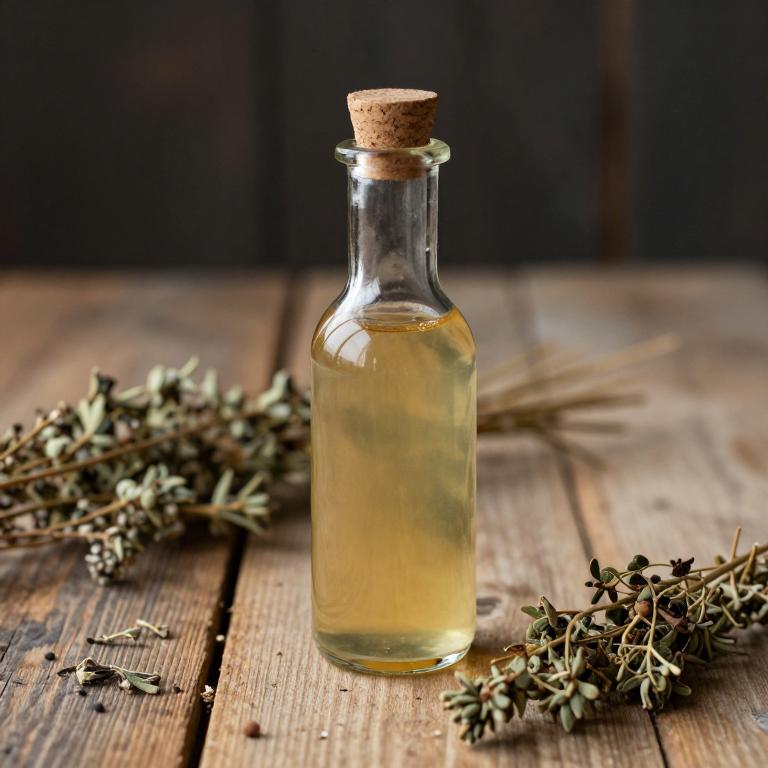
Salvia officinalis, commonly known as sage, has been traditionally used for its medicinal properties, including its potential to alleviate headaches.
Sage contains compounds like rosmarinic acid and flavonoids, which may help reduce inflammation and ease pain. Herbal juices made from fresh or dried sage leaves can be consumed as a natural remedy for occasional headaches. Some studies suggest that sage may help regulate blood pressure and improve circulation, which could contribute to reducing headache symptoms.
However, it is important to consult a healthcare professional before using sage juice, especially for prolonged or severe headaches.
8. White water lily (Nymphaea alba)
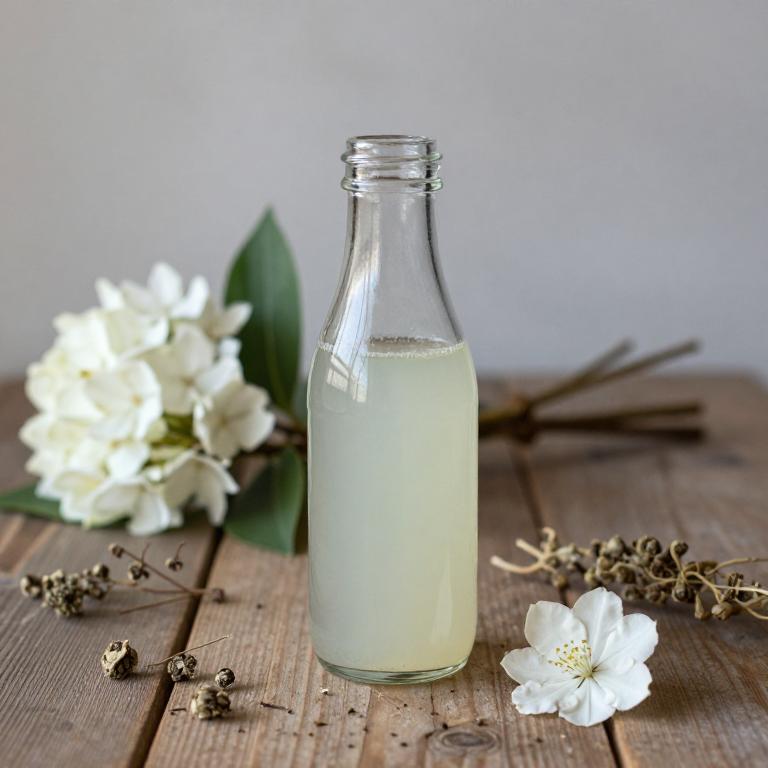
Nymphaea alba, commonly known as white water lily, has been traditionally used in herbal medicine for its calming and analgesic properties.
Its leaves and flowers are often prepared into herbal juices that may help alleviate symptoms of a one-sided headache, such as tension headaches or migraines, by reducing inflammation and promoting relaxation. The juice is believed to support the body's natural detoxification processes, which can ease headaches caused by stress or environmental toxins. To prepare the juice, fresh leaves and flowers are typically blended with a small amount of water or a mild base like lemon juice to enhance absorption.
While it is generally considered safe, it is advisable to consult with a healthcare professional before using Nymphaea alba juice, especially if you have underlying health conditions or are taking medications.
9. Rosemary (Rosmarinus officinalis)
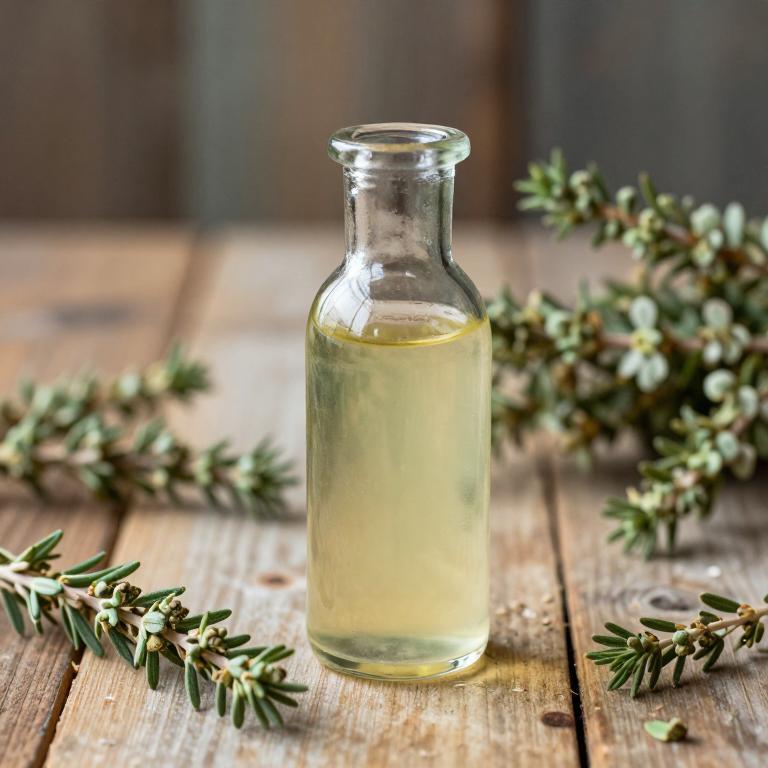
Rosmarinus officinalis, commonly known as rosemary, is a fragrant herb often used in herbal juices for its potential health benefits.
When incorporated into herbal juices, rosemary is believed to support circulation and may help alleviate symptoms of a one-sided headache by promoting blood flow to the head and neck area. The essential oils in rosemary, such as camphor and pinene, are thought to have mild analgesic and anti-inflammatory properties that may ease tension and reduce pain. To prepare a rosemary herbal juice, fresh or dried rosemary leaves can be blended with other calming herbs like ginger or peppermint for a more balanced effect.
While rosemary juice may offer some relief for occasional headaches, it is advisable to consult a healthcare professional for persistent or severe headaches.
10. Blessed thistle (Cnicus benedictus)
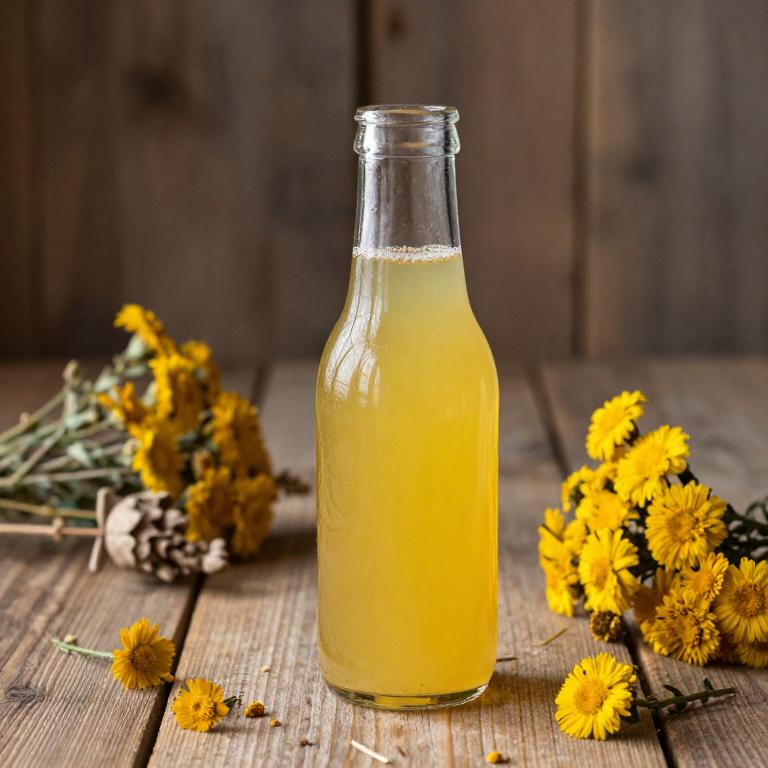
Cnicus benedictus, also known as blessed thorn or St. Benedict's thorn, has been traditionally used in herbal medicine for its potential health benefits, including alleviating symptoms of one-sided headaches.
This plant contains bioactive compounds such as flavonoids and phenolic acids, which may help reduce inflammation and improve circulation, contributing to headache relief. Herbal juices made from Cnicus benedictus are often prepared by combining the plant with other calming herbs like chamomile or ginger to enhance their therapeutic effects. While more scientific research is needed, some individuals report experiencing reduced headache intensity and duration after consuming these herbal juices.
As with any herbal remedy, it is advisable to consult with a healthcare professional before use, especially for those with underlying health conditions or taking medications.