10 Best Herbal Essential Oils For Oily Face
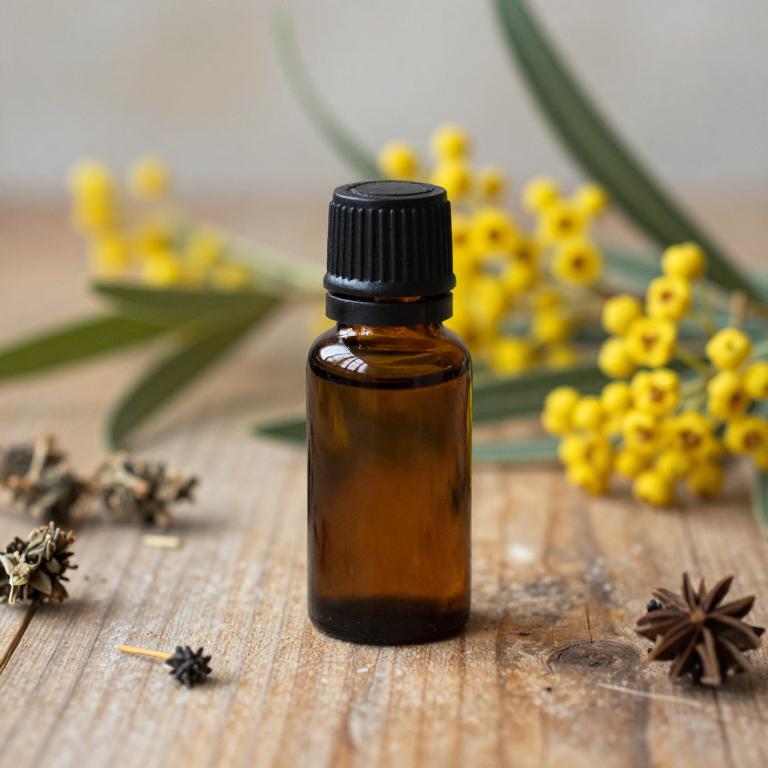
Herbal essential oils are natural extracts derived from plants and are commonly used in skincare for their therapeutic properties.
For oily skin, essential oils like tea tree, lavender, and chamomile are particularly beneficial due to their antibacterial and balancing effects. These oils can help regulate sebum production, reduce excess oiliness, and prevent breakouts. When properly diluted with a carrier oil, they can be safely applied to the face to maintain a clear and balanced complexion.
Incorporating these essential oils into a daily skincare routine can offer a natural and effective way to manage oily skin concerns.
Table of Contents
- 1. Melaleuca (Melaleuca alternifolia)
- 2. Rosemary (Rosmarinus officinalis)
- 3. English lavender (Lavandula angustifolia)
- 4. Sandalwood (Santalum album)
- 5. Eucalyptus (Eucalyptus globulus)
- 6. German chamomile (Chamomilla recutita)
- 7. Pogostemon (Pogostemon cablin)
- 8. Lemon grass (Cymbopogon citratus)
- 9. Oregano (Origanum vulgare)
- 10. Salvia (Salvia officinalis)
1. Melaleuca (Melaleuca alternifolia)
Melaleuca alternifolia, commonly known as tea tree oil, is a popular essential oil derived from the leaves of the Melaleuca alternifolia plant, native to Australia.
It is widely used in skincare for its antimicrobial and anti-inflammatory properties, making it particularly beneficial for oily skin. Tea tree oil helps to reduce excess sebum production and can help prevent breakouts by targeting acne-causing bacteria. Due to its potency, it should always be diluted with a carrier oil before applying to the face to avoid irritation.
Its refreshing scent also adds a pleasant sensory experience to skincare routines.
2. Rosemary (Rosmarinus officinalis)
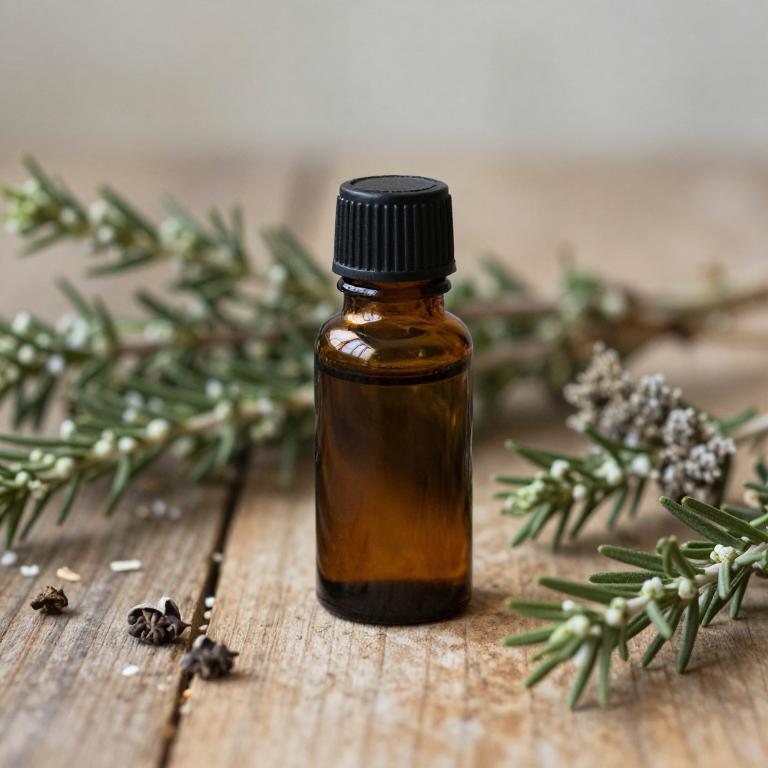
Rosmarinus officinalis, commonly known as rosemary, is a popular herb used in essential oil formulations for oily skin due to its astringent and balancing properties.
The essential oil derived from rosemary leaves contains compounds like cineole and camphor, which help regulate sebum production and reduce excess oiliness on the face. It also has antimicrobial properties that can help prevent breakouts and maintain a clear complexion. Regular use of rosemary essential oil can promote a more balanced and refreshed skin texture, making it an effective natural remedy for oily skin types.
However, it should be diluted properly with a carrier oil to avoid skin irritation and ensure safe application.
3. English lavender (Lavandula angustifolia)
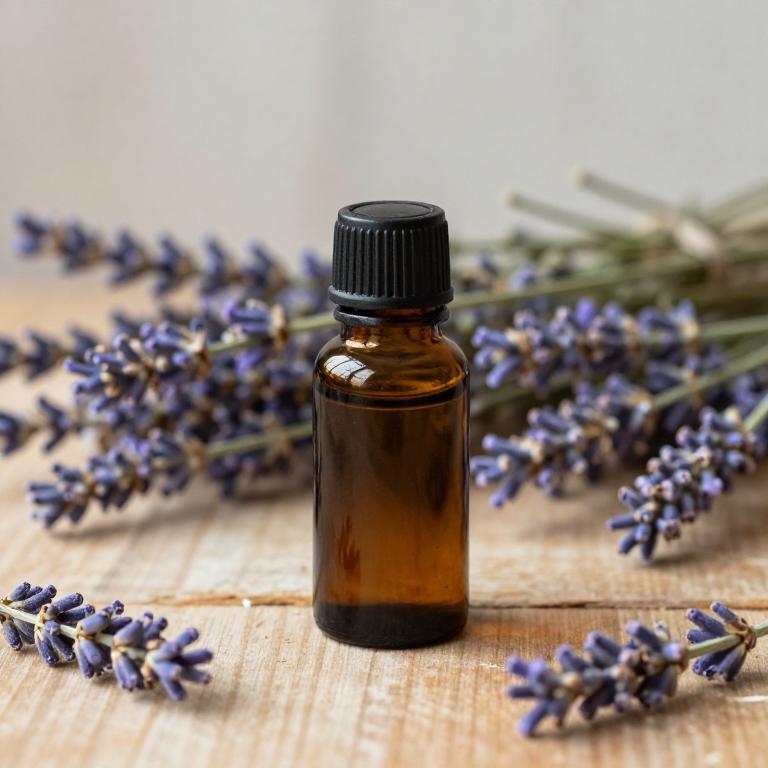
Lavandula angustifolia, commonly known as English lavender, is a popular herbal essential oil widely used for its calming and therapeutic properties.
When used in skincare, especially for oily facial skin, lavender essential oil helps balance sebum production and reduce excess oiliness. Its antibacterial and anti-inflammatory properties make it effective in preventing breakouts and soothing irritated skin. It can be diluted with a carrier oil and applied topically to the face for a refreshing and rejuvenating effect.
Overall, lavender essential oil is a gentle yet powerful natural remedy for maintaining a clear and balanced complexion.
4. Sandalwood (Santalum album)
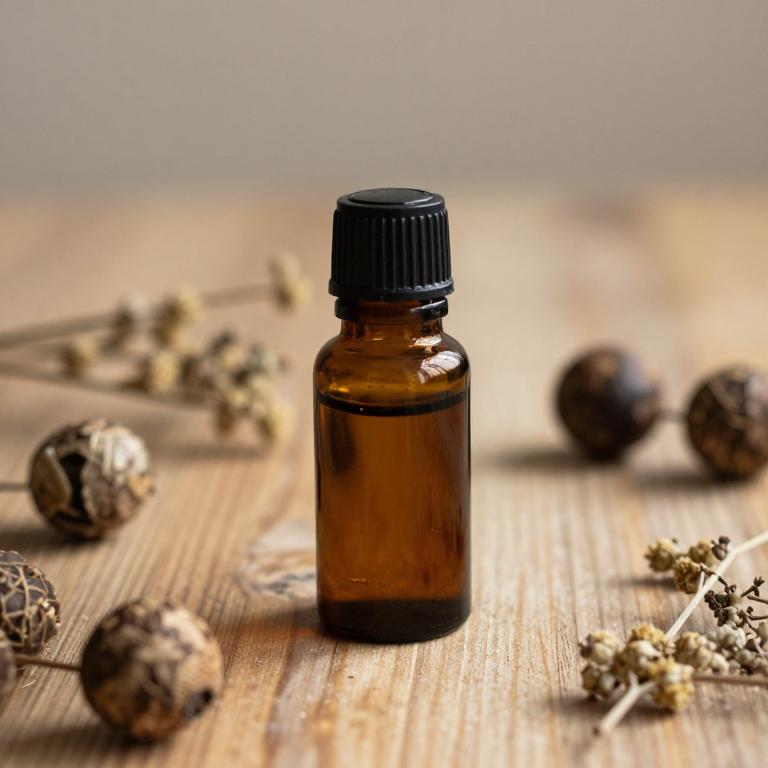
Santalum album, also known as Australian sandalwood, is a valuable essential oil that is particularly beneficial for oily facial skin due to its balancing and soothing properties.
This oil contains compounds like santalols and sesquiterpenes, which help regulate sebum production and reduce excess oiliness without stripping the skin of its natural moisture. Its mild, woody aroma makes it an excellent choice for those seeking a calming and aromatic skincare experience. Santalum album essential oil can be diluted with a carrier oil and applied directly to the face to help control oil, minimize shine, and promote a clearer complexion.
Regular use of this oil can contribute to a more balanced, healthy, and radiant skin appearance.
5. Eucalyptus (Eucalyptus globulus)
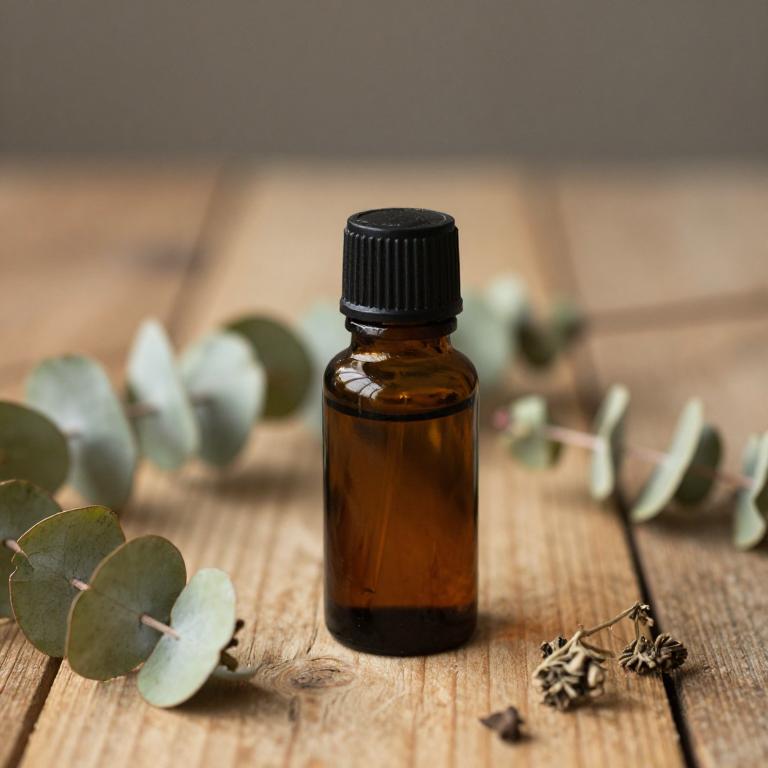
Eucalyptus globulus, commonly known as Australian eucalyptus, is a popular herbal essential oil known for its refreshing and invigorating properties.
When used for oily skin, it helps to regulate sebum production and reduce excess oiliness due to its astringent and antibacterial qualities. Its cooling effect makes it ideal for soothing inflamed or congested skin, while its ability to open up the pores can aid in cleansing the skin more effectively. However, it should be diluted properly before applying to the face to avoid irritation, as it is quite potent.
Overall, eucalyptus globulus essential oil can be a valuable addition to a skincare routine for those with oily skin, offering both purifying and refreshing benefits.
6. German chamomile (Chamomilla recutita)
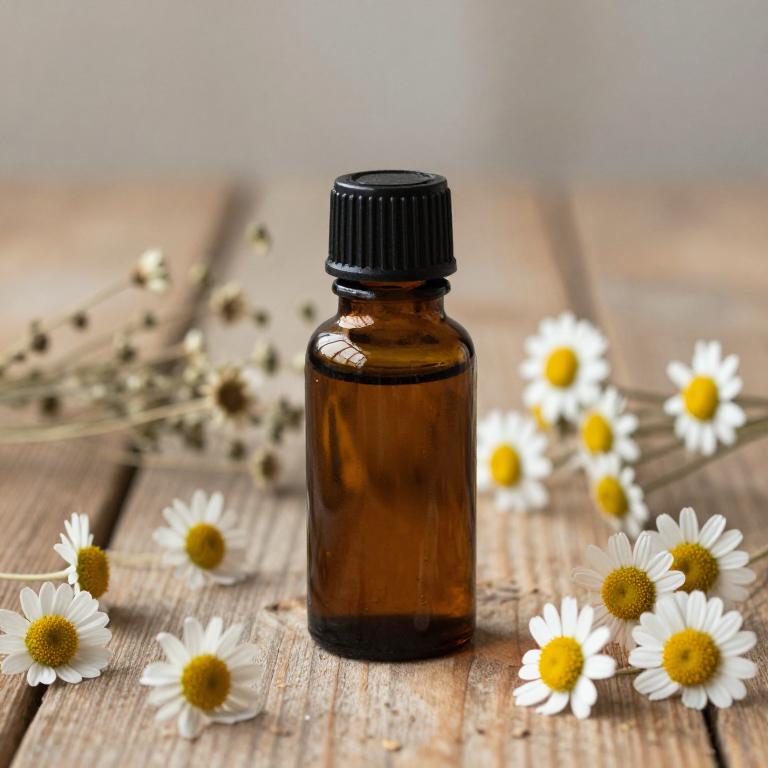
Chamomilla recutita, commonly known as German chamomile, is a popular herbal essential oil often used for its calming and soothing properties.
When applied to the skin, this essential oil can help regulate sebum production, making it particularly beneficial for oily skin types. Its anti-inflammatory and antiseptic properties can reduce redness and irritation, which are common concerns for those with oily facial skin. Additionally, chamomile essential oil has a mild, pleasant aroma that can promote relaxation and enhance the overall skincare experience.
However, it is important to dilute the oil properly before applying it to the skin to avoid potential irritation.
7. Pogostemon (Pogostemon cablin)
Pogostemon cablin, also known as patchouli, is a popular herb used in the production of essential oils that are beneficial for oily skin.
Its essential oil has a distinctive earthy and woody aroma, and it is valued for its ability to regulate sebum production, helping to reduce excess oiliness on the face. The oil's antimicrobial properties can also help combat acne-causing bacteria, making it a useful addition to skincare routines for those with oily or acne-prone skin. When diluted properly with a carrier oil, pogostemon cablin essential oil can be applied topically to soothe inflammation and improve skin texture.
However, it is important to perform a patch test before using it to avoid any potential skin irritation.
8. Lemon grass (Cymbopogon citratus)
Cymbopogon citratus, commonly known as lemon grass, is a popular herbal plant used for extracting essential oils that are beneficial for oily skin.
The essential oil of lemon grass contains compounds like citral and myrcene, which have natural antibacterial and anti-inflammatory properties. These properties help to reduce excess sebum production and prevent acne breakouts on oily skin. Regular use of lemon grass essential oil in facial treatments can help balance skin oiliness and promote a clearer complexion.
However, it is important to dilute the oil properly before applying it to the skin to avoid irritation.
9. Oregano (Origanum vulgare)
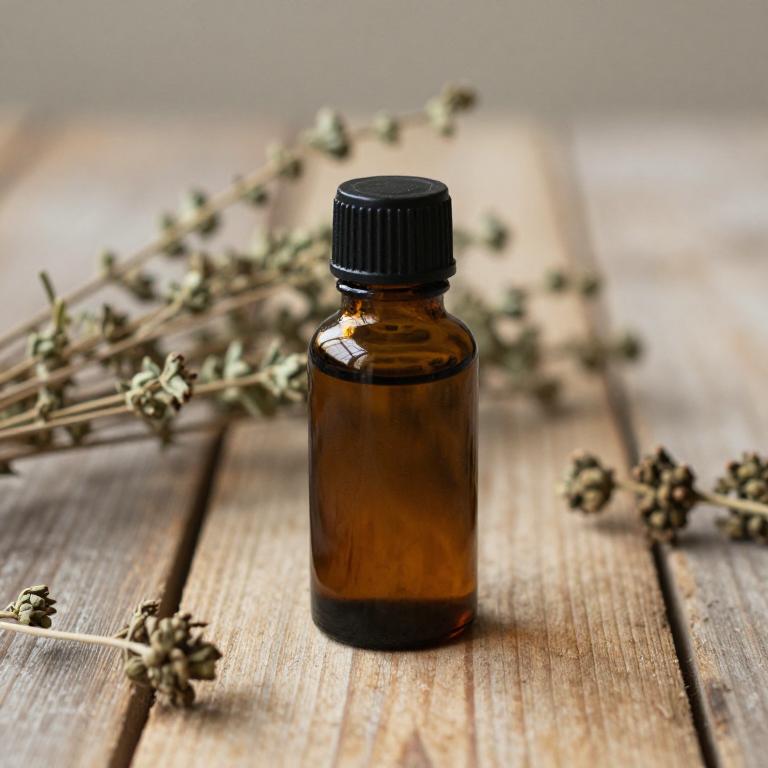
Oreganum vulgare, commonly known as oregano, is a versatile herb that produces essential oils rich in powerful antioxidants and antimicrobial compounds.
These oils are particularly beneficial for oily skin due to their ability to regulate sebum production and reduce excess oiliness. The essential oil of oregano contains high levels of carvacrol and thymol, which have natural antibacterial properties that can help combat acne-causing bacteria on the skin. When used in moderation, oregano essential oil can help purify the skin, reduce inflammation, and promote a clearer complexion.
However, it is important to dilute the oil properly with a carrier oil before applying it to the face to avoid irritation.
10. Salvia (Salvia officinalis)
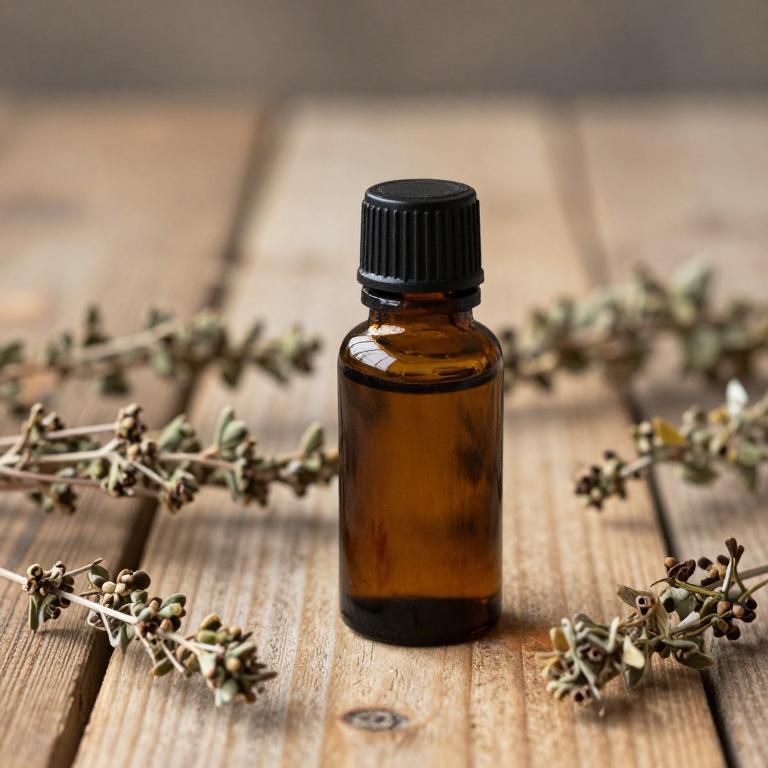
Salvia officinalis, commonly known as sage, is a versatile herb that produces essential oils with various beneficial properties for oily skin.
The essential oil of sage is particularly effective in regulating sebum production, making it a valuable ingredient for those with oily or acne-prone skin. It contains compounds like thujone and camphor, which have astringent and antimicrobial properties that help to reduce excess oil and prevent breakouts. When used in facial toners or diluted essential oil blends, sage oil can help tighten pores and improve skin texture.
However, it should be used with caution and always diluted to avoid skin irritation.