10 Best Herbal Syrups For Neck Pain
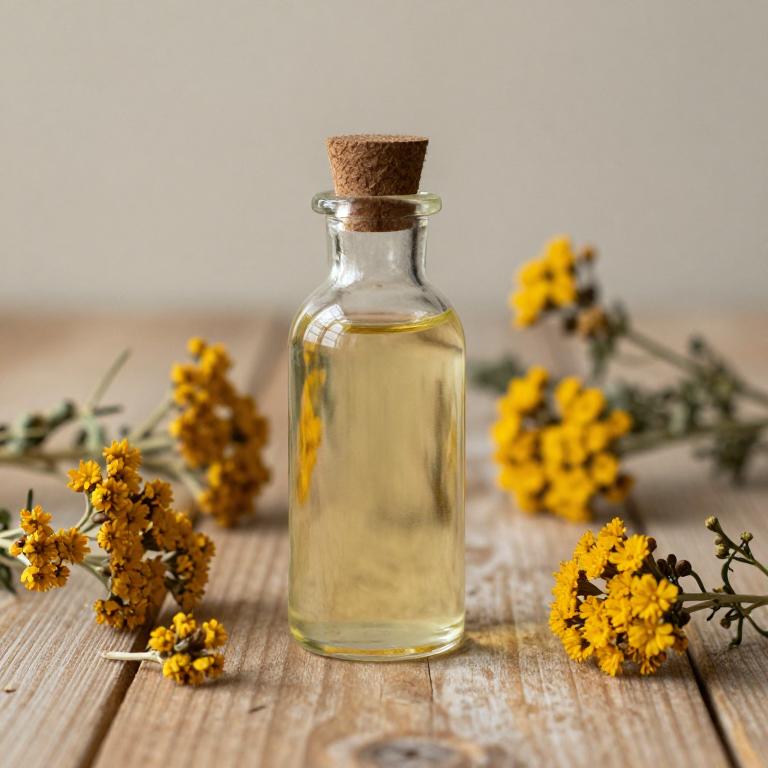
Herbal syrups for neck pain are traditional remedies that combine natural ingredients such as ginger, turmeric, and willow bark to alleviate discomfort and inflammation.
These syrups are often used as a complementary approach to conventional treatments, offering a gentler and more holistic option for those seeking relief. The anti-inflammatory and analgesic properties of the herbs in these syrups can help reduce muscle tension and ease pain in the cervical region. While they may not replace medical treatments, they can be beneficial when used under the guidance of a healthcare professional.
However, it is important to consult with a physician before using herbal syrups, especially if you have underlying health conditions or are taking other medications.
Table of Contents
- 1. Chaste tree (Vitex agnus-castus)
- 2. Salvia (Salvia officinalis)
- 3. St. john's wort (Hypericum perforatum)
- 4. Stinging nettle (Urtica dioica)
- 5. Mountain arnica (Arnica montana)
- 6. Ginger (Zingiber officinale)
- 7. Turmeric (Curcuma longa)
- 8. Echinacea (Echinacea purpurea)
- 9. Chamomile (Matricaria chamomilla)
- 10. Yarrow (Achillea millefolium)
1. Chaste tree (Vitex agnus-castus)
Vitex agnus-castus, commonly known as chasteberry, has been traditionally used in herbal medicine for its potential to support hormonal balance and alleviate various health conditions.
While primarily recognized for its effects on menstrual health and mood regulation, some studies suggest that vitex may also have anti-inflammatory and analgesic properties that could help reduce pain, including neck pain. Herbal syrups containing vitex agnus-castus are often used as a natural alternative to conventional pain relievers, offering a gentler approach for those seeking holistic treatments. However, it is important to consult with a healthcare provider before using vitex for neck pain, as individual responses can vary and interactions with other medications may occur.
Despite its traditional use, more research is needed to fully understand its efficacy and safety for specific conditions like neck pain.
2. Salvia (Salvia officinalis)
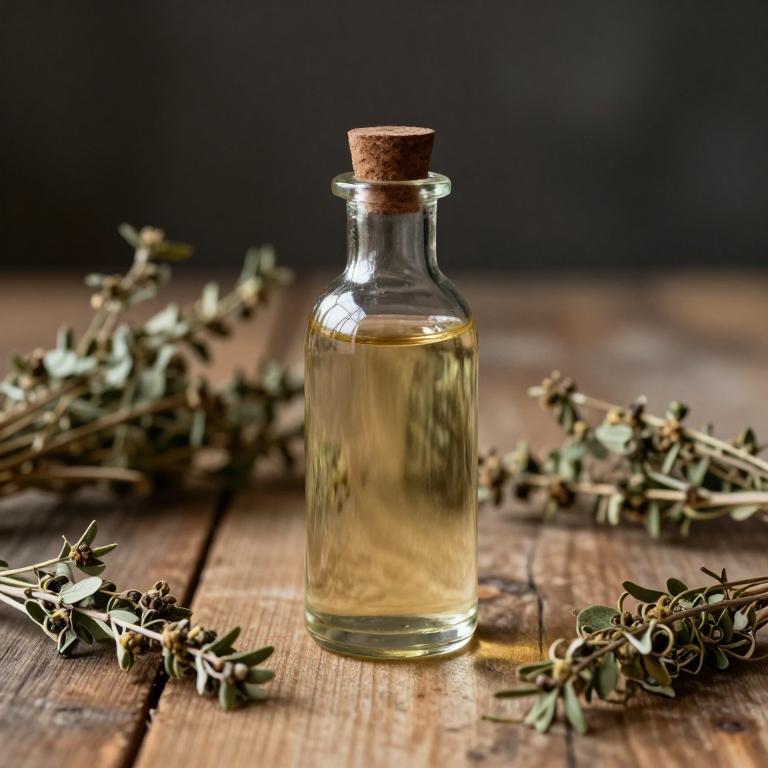
Salvia officinalis, commonly known as sage, has been traditionally used in herbal medicine for its anti-inflammatory and analgesic properties.
Herbal syrups made from salvia officinalis are believed to help alleviate symptoms of neck pain by reducing inflammation and soothing muscle tension. These syrups often contain additional herbal ingredients that enhance their therapeutic effects, such as ginger or willow bark. While scientific evidence supporting their efficacy for neck pain is limited, many users report relief through topical application or internal use.
As with any herbal remedy, it is advisable to consult a healthcare professional before using salvia officinalis syrup, especially if you have underlying health conditions or are taking other medications.
3. St. john's wort (Hypericum perforatum)
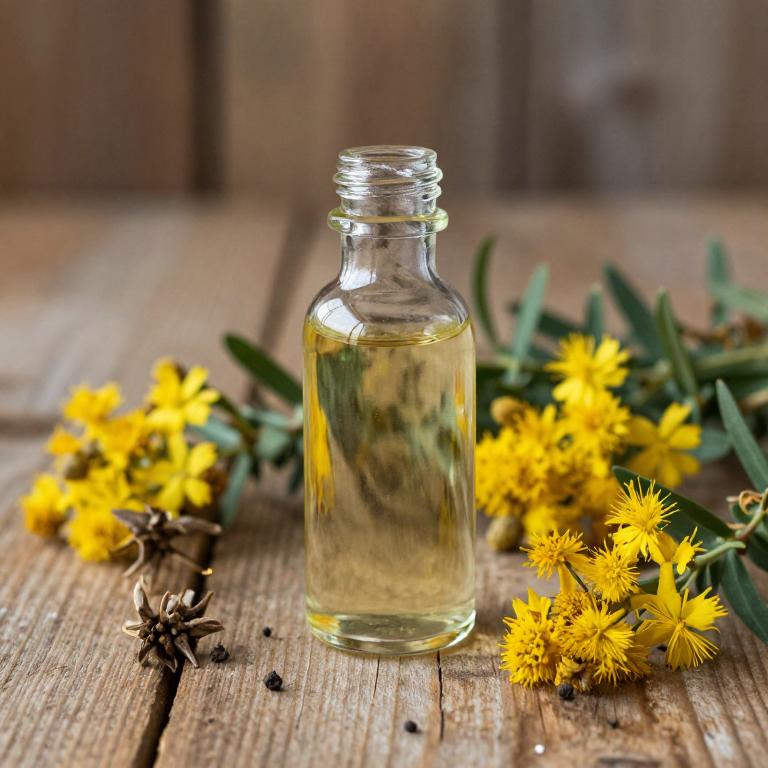
Hypericum perforatum, commonly known as St. John's Wort, is a herbal remedy that has been traditionally used for its potential anti-inflammatory and analgesic properties.
While it is well-known for its use in treating mild to moderate depression, some studies suggest that it may also offer relief for certain types of neck pain, particularly those associated with inflammation or nerve irritation. When formulated into a herbal syrup, hypericum perforatum may be more easily absorbed by the body, potentially enhancing its therapeutic effects. However, it is important to note that the use of this herbal syrup for neck pain should be discussed with a healthcare provider, as it can interact with other medications and may not be suitable for everyone.
Despite its traditional use, more clinical research is needed to fully understand its efficacy and safety for treating neck pain.
4. Stinging nettle (Urtica dioica)
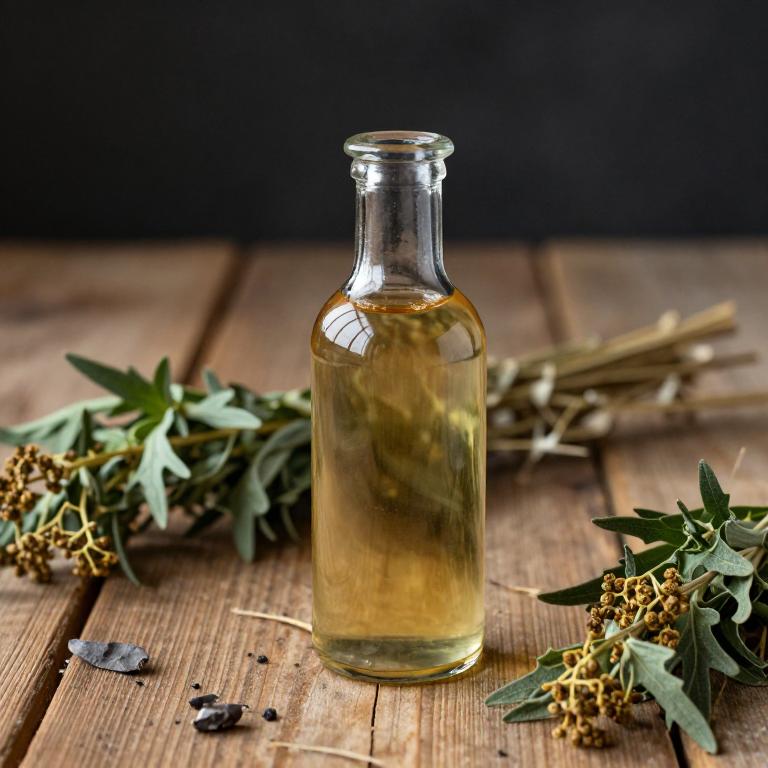
Urtica dioica, commonly known as stinging nettle, has been traditionally used in herbal medicine for its anti-inflammatory and analgesic properties.
When prepared as a herbal syrup, it may offer relief for individuals suffering from neck pain by reducing inflammation and soothing muscle tension. The active compounds in stinging nettle, such as flavonoids and polysaccharides, are believed to contribute to its therapeutic effects. However, it is important to consult with a healthcare professional before using urtica dioica syrup, especially if you have allergies or are taking other medications.
While some people report positive results, more scientific research is needed to fully understand its efficacy and safety for treating neck pain.
5. Mountain arnica (Arnica montana)
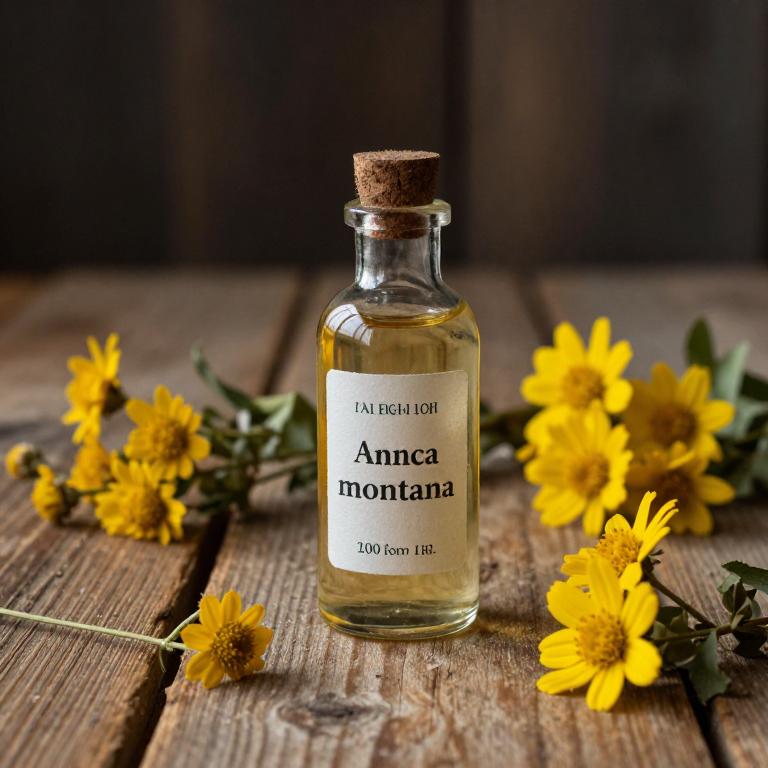
Arnica montana herbal syrups are commonly used to alleviate neck pain due to their anti-inflammatory and analgesic properties.
These syrups contain extracts from the Arnica montana plant, which is traditionally known for its ability to reduce bruising, swelling, and pain. While they are often used externally as a topical treatment, some formulations are designed for internal use, though caution is advised due to potential toxicity if ingested in large amounts. Arnica montana syrups may provide relief for muscle strain or joint-related neck pain, but they are not recommended for use on open wounds or by individuals with certain medical conditions.
As with any herbal remedy, it is important to consult a healthcare professional before use, especially for prolonged or severe pain.
6. Ginger (Zingiber officinale)
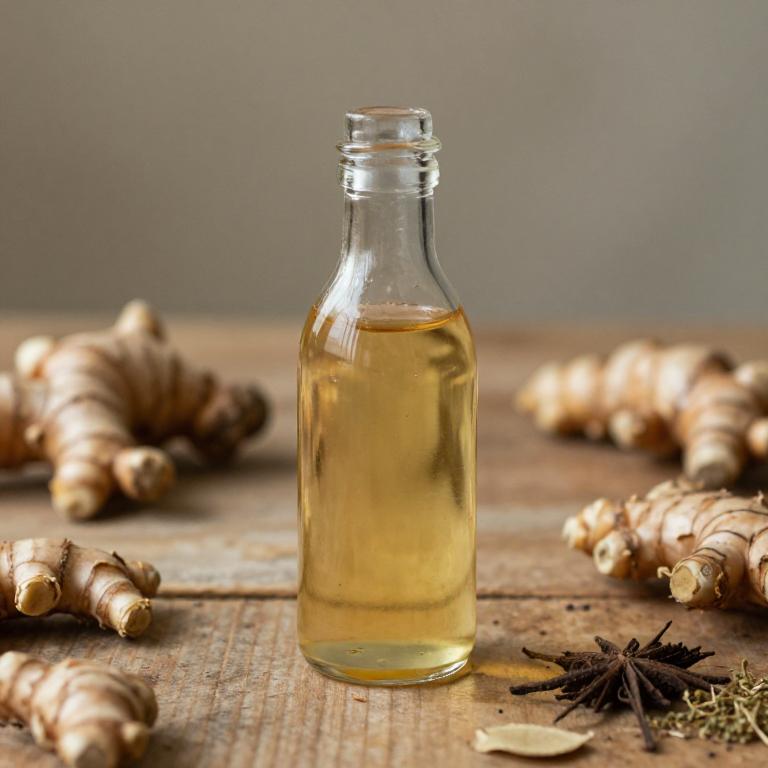
Zingiber officinale, commonly known as ginger, has been traditionally used for its anti-inflammatory and pain-relieving properties, making it a popular ingredient in herbal syrups for neck pain.
These syrups often combine ginger with other natural ingredients like turmeric, honey, and cinnamon to enhance their therapeutic effects. The warming properties of ginger may help improve blood circulation and reduce muscle tension in the neck area, offering relief from stiffness and discomfort. Some studies suggest that ginger can inhibit inflammatory pathways, potentially reducing pain and swelling associated with conditions like cervical strain or arthritis.
While generally considered safe, it is advisable to consult a healthcare professional before using ginger-based syrups, especially for those with gastrointestinal sensitivities or on medication.
7. Turmeric (Curcuma longa)
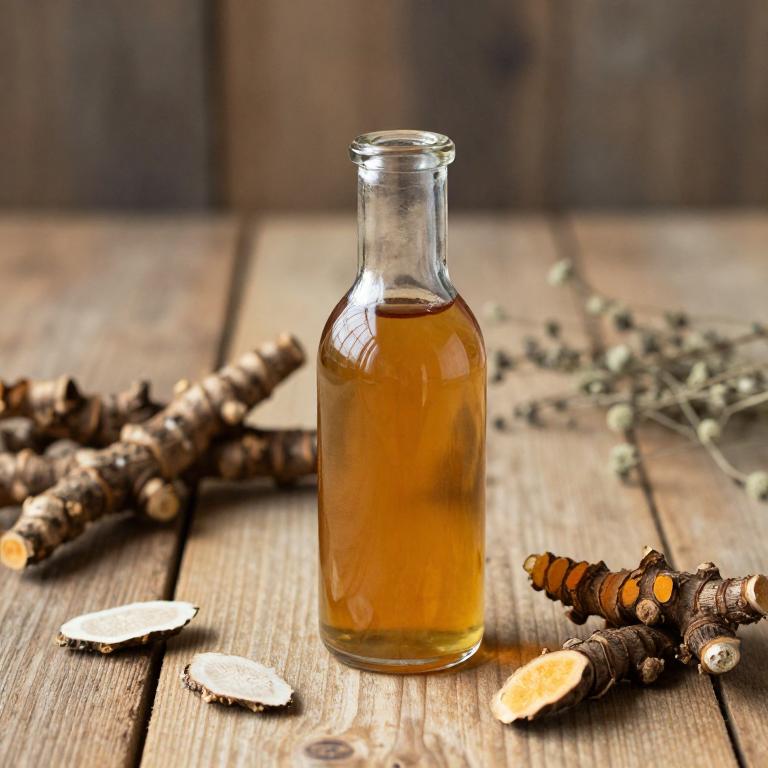
Curcuma longa, commonly known as turmeric, has been traditionally used for its anti-inflammatory and analgesic properties, and its extract is often incorporated into herbal syrups for managing neck pain.
These syrups typically contain curcumin, the active compound in turmeric, which helps reduce inflammation and pain by inhibiting pro-inflammatory molecules in the body. When used as a complementary therapy, curcuma longa herbal syrups may offer a natural alternative for individuals seeking relief from chronic or acute neck pain without the side effects of conventional medications. However, it is important to consult a healthcare professional before using these syrups, especially if you have underlying health conditions or are taking other medications.
Overall, while curcuma longa herbal syrups show promise in alleviating neck pain, their effectiveness can vary, and they should be part of a holistic approach to pain management.
8. Echinacea (Echinacea purpurea)
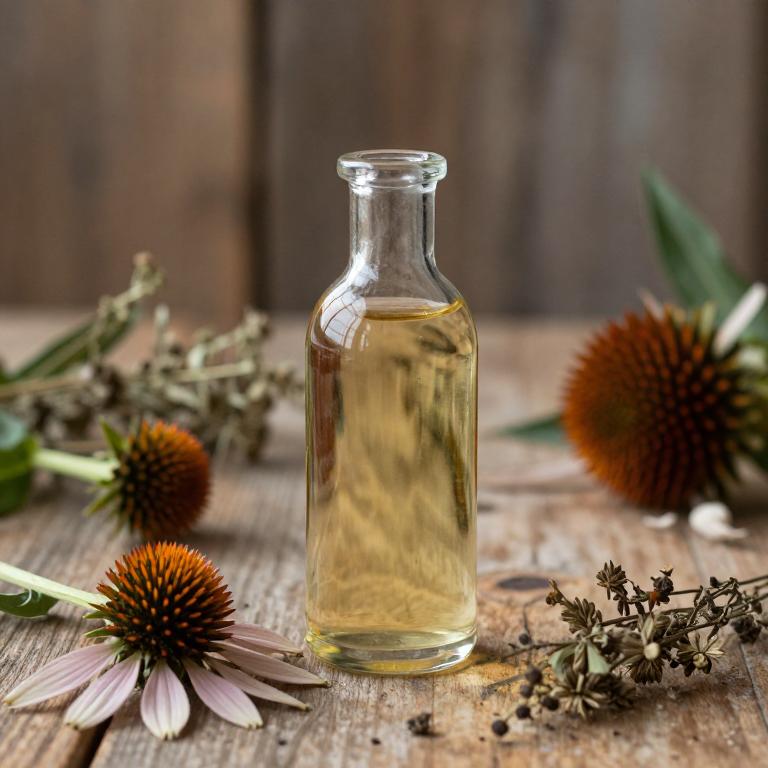
Echinacea purpurea, commonly known as purple coneflower, is a popular herbal remedy often used to support the immune system, though its application for neck pain is less widely studied.
While some anecdotal reports suggest that echinacea may help reduce inflammation and alleviate pain, there is limited scientific evidence specifically linking echinacea purpurea herbal syrups to the treatment of neck pain. These syrups typically contain extracts of the plant's flowers and roots, which are believed to possess anti-inflammatory and analgesic properties. However, due to the lack of rigorous clinical trials, it is advisable to consult a healthcare professional before using echinacea for neck pain, especially if other underlying conditions are present.
As an alternative or complementary therapy, echinacea purpurea syrups may be considered alongside conventional treatments for a more holistic approach to managing neck discomfort.
9. Chamomile (Matricaria chamomilla)
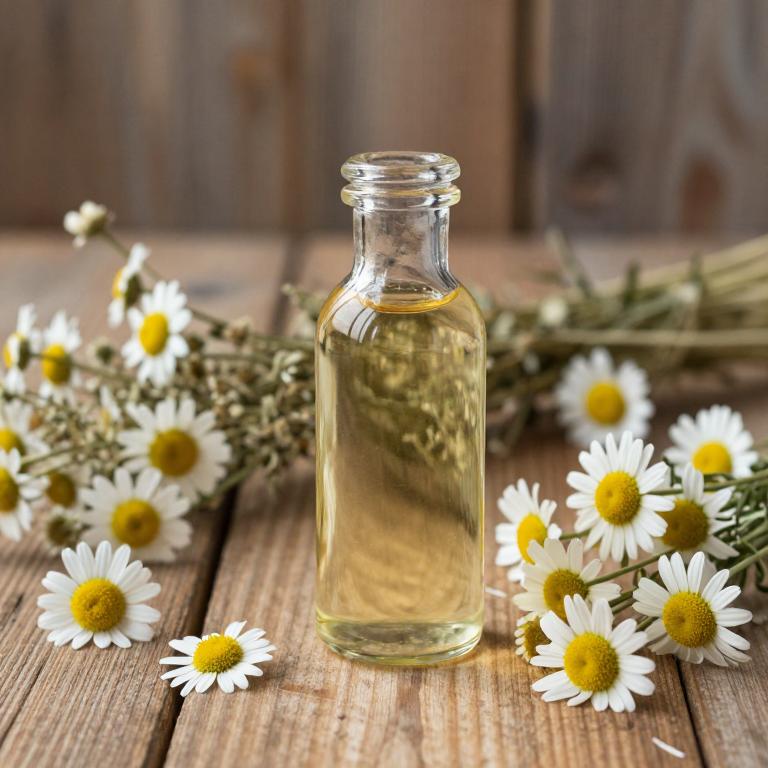
Matricaria chamomilla, commonly known as chamomile, is often used in herbal syrups for its calming and anti-inflammatory properties.
These syrups are traditionally prepared by steeping dried chamomile flowers in a simple syrup, creating a soothing liquid that can be taken by mouth. While chamomile is widely used for relaxation and sleep, some people may use it for neck pain due to its potential anti-inflammatory and muscle-relaxing effects. However, it is important to note that there is limited scientific evidence supporting its efficacy for neck pain specifically.
As with any herbal remedy, it is advisable to consult a healthcare professional before use, especially if you have existing health conditions or are taking other medications.
10. Yarrow (Achillea millefolium)
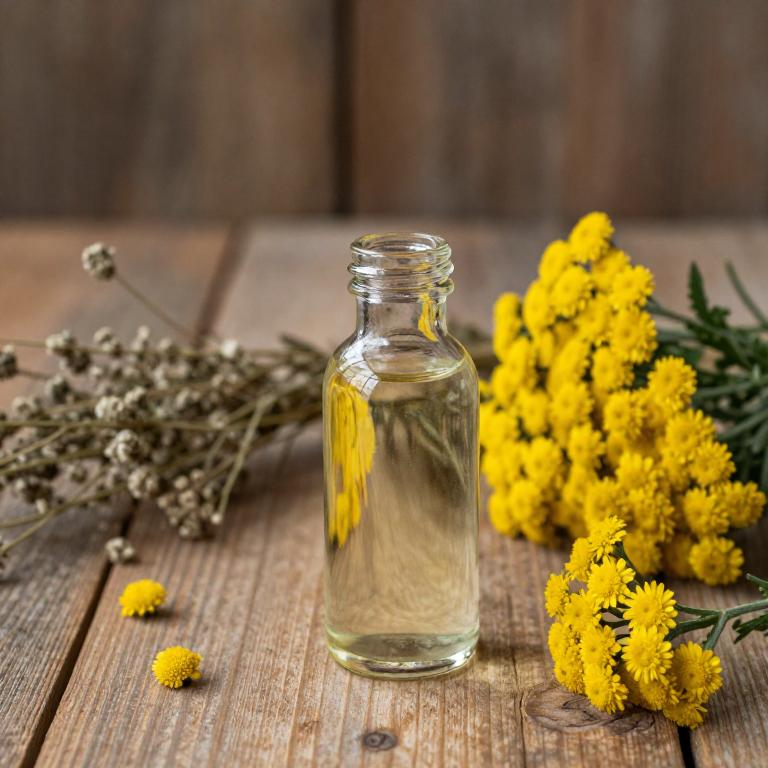
Achillea millefolium, commonly known as yarrow, has been traditionally used in herbal medicine for its anti-inflammatory and analgesic properties.
When prepared as a herbal syrup, it may offer a natural remedy for alleviating neck pain by reducing inflammation and soothing muscle tension. The syrup is often made by combining dried yarrow flowers with honey or glycerin, creating a palatable and concentrated form of the herb. While some studies suggest that yarrow may help with minor aches and pains, it is important to consult a healthcare professional before using it for persistent or severe neck pain.
As with any herbal remedy, the effectiveness and safety of achillea millefolium syrup can vary, and it should not replace conventional medical treatments without proper guidance.