10 Best Herbal Lozenges For Nasal Congestion
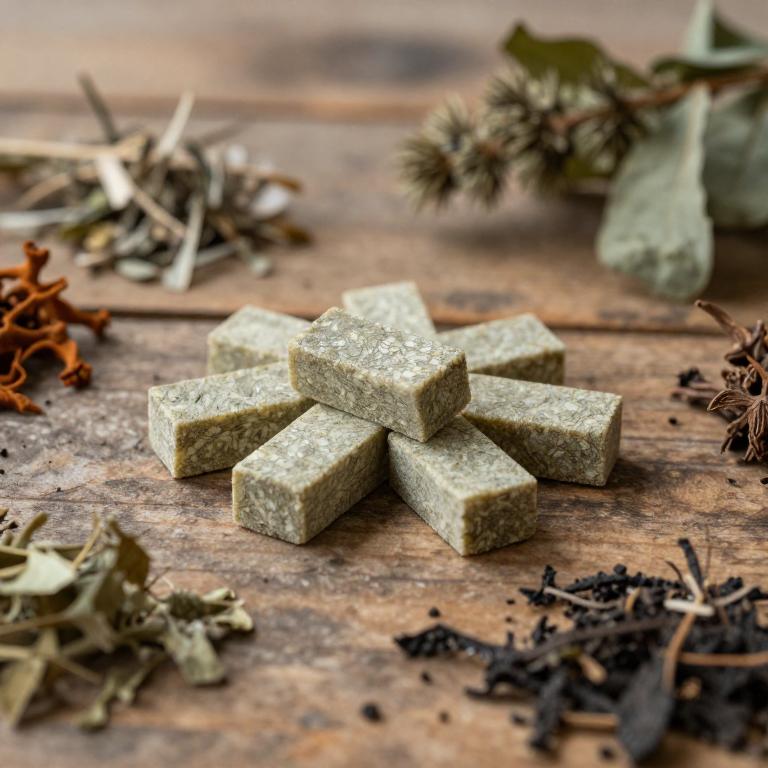
Herbal lozenges for nasal congestion are natural remedies that combine plant-based ingredients to help alleviate symptoms of stuffy or runny nose.
These lozenges often contain ingredients like eucalyptus, menthol, ginger, and peppermint, which are known for their decongestant and soothing properties. They work by stimulating nasal passages and reducing inflammation, making breathing easier. Unlike pharmaceutical decongestants, herbal lozenges are generally considered safe for most people, including children and those with mild allergies.
However, they may not be as effective for severe congestion and should be used as part of a broader approach to managing cold or allergy symptoms.
Table of Contents
- 1. Eucalyptus (Eucalyptus globulus)
- 2. Ginger (Zingiber officinale)
- 3. Peppermint (Mentha piperita)
- 4. Black pepper (Piper nigrum)
- 5. Thyme (Thymus vulgaris)
- 6. Salvia (Salvia officinalis)
- 7. Rosemary (Rosmarinus officinalis)
- 8. Fennel (Foeniculum vulgare)
- 9. Ceylon cinnamon (Cinnamomum verum)
- 10. Licorice (Glycyrrhiza glabra)
1. Eucalyptus (Eucalyptus globulus)
Eucalyptus globulus, commonly known as eucalyptus oil, is a popular natural remedy used in herbal lozenges to alleviate nasal congestion.
These lozenges typically contain a concentrated form of eucalyptus oil, which has decongestant and anti-inflammatory properties that help reduce mucus buildup and soothe irritated nasal passages. The menthol and other essential oils in the lozenges provide a cooling effect, which can offer immediate relief from stuffiness and discomfort. When used as directed, these herbal lozenges are generally safe for adults and children, though they should be avoided by those with known allergies to eucalyptus or menthol.
They are often preferred as a natural alternative to over-the-counter decongestants, especially for mild to moderate symptoms of the common cold or seasonal allergies.
2. Ginger (Zingiber officinale)
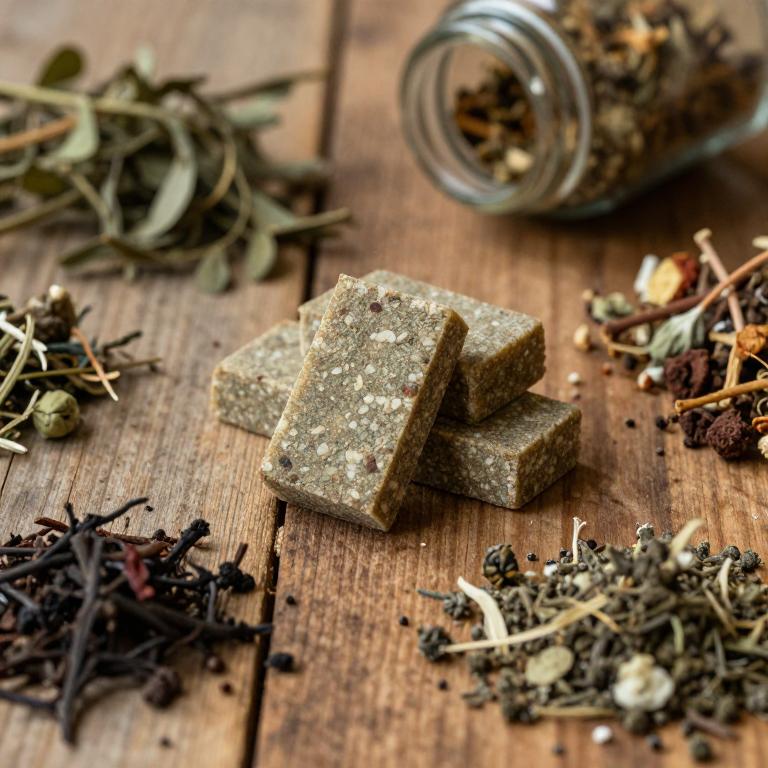
Zingiber officinale, commonly known as ginger, has been traditionally used for its anti-inflammatory and decongestant properties.
Herbal lozenges containing zingiber officinale are designed to provide relief from nasal congestion by reducing inflammation in the nasal passages and promoting mucus drainage. These lozenges are often formulated with additional natural ingredients such as eucalyptus or menthol to enhance their decongestant effects. They are a popular alternative for individuals seeking natural remedies for mild to moderate nasal congestion without the use of pharmaceutical drugs.
Regular use of zingiber officinale lozenges may help alleviate symptoms associated with colds, allergies, or sinusitis.
3. Peppermint (Mentha piperita)
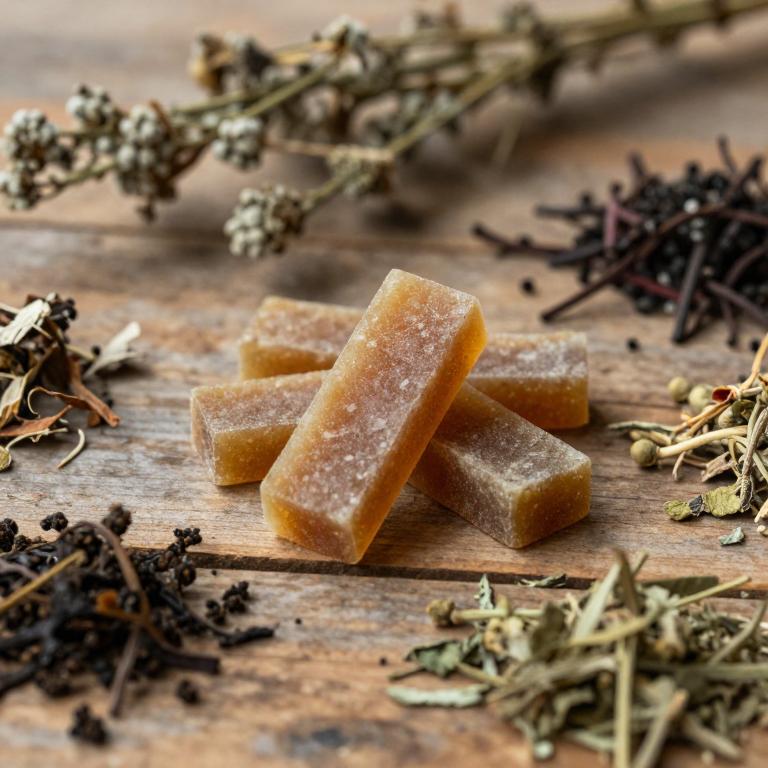
Mentha piperita, commonly known as peppermint, is a popular herbal ingredient used in lozenges to alleviate nasal congestion due to its decongestant and soothing properties.
These lozenges work by stimulating the release of mucus and reducing inflammation in the nasal passages, providing temporary relief from stuffiness. The menthol in peppermint creates a cooling sensation that helps open up airways and ease breathing. They are often preferred as a natural alternative to over-the-counter medications, especially for those seeking non-pharmacological relief.
However, individuals with asthma or certain respiratory conditions should consult a healthcare provider before use.
4. Black pepper (Piper nigrum)
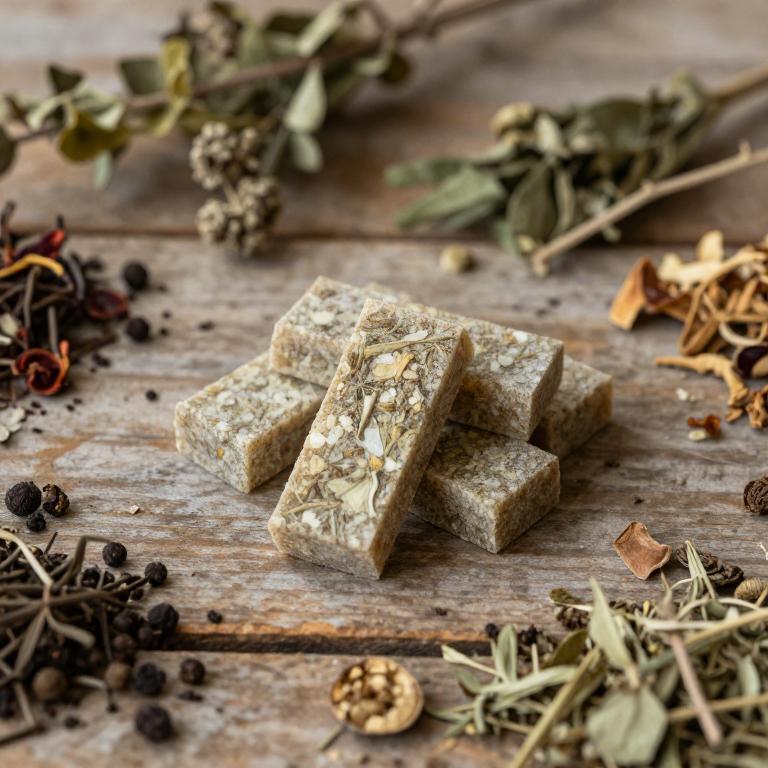
Piper nigrum, commonly known as black pepper, is a traditional herbal remedy that has been used for centuries to alleviate symptoms of nasal congestion.
The active compound in black pepper, piperine, is believed to have decongestant properties that help reduce inflammation and improve nasal airflow. Piper nigrum herbal lozenges are formulated to provide a natural and soothing option for those suffering from colds, allergies, or sinus infections. These lozenges work by stimulating mucous membranes and promoting the drainage of nasal secretions.
While they may not replace conventional medications, they offer a complementary approach to managing nasal congestion with minimal side effects.
5. Thyme (Thymus vulgaris)
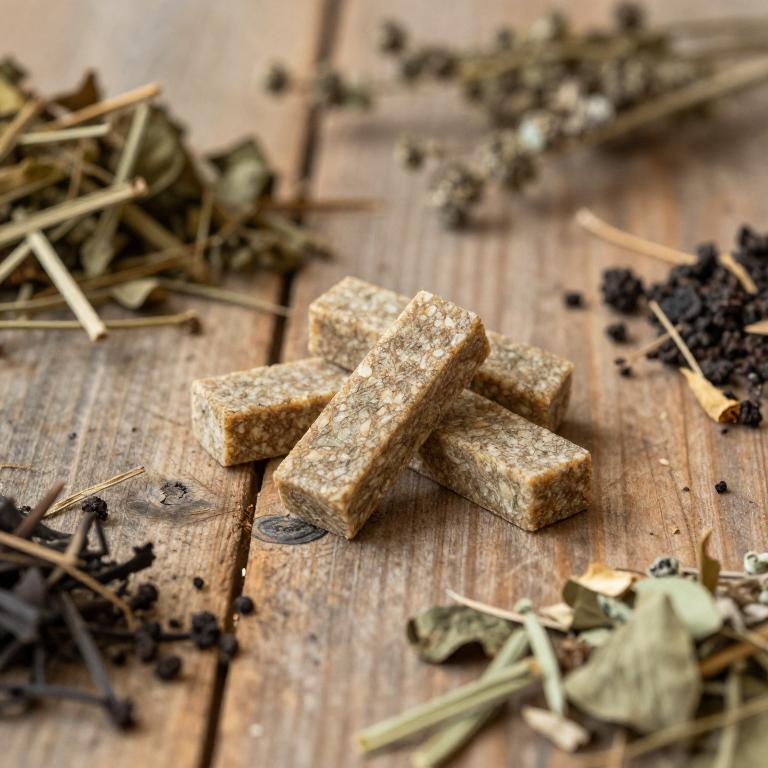
Thymus vulgaris herbal lozenges are made from the dried flowers of the thyme plant, known for their potent antimicrobial and anti-inflammatory properties.
These lozenges are commonly used to alleviate symptoms of nasal congestion by reducing inflammation in the nasal passages and improving airflow. The active compounds in thyme, such as thymol and carvacrol, help to clear mucus and combat respiratory infections. They are often recommended as a natural alternative to conventional decongestants, especially for those seeking herbal remedies.
However, it is important to consult with a healthcare provider before use, particularly for individuals with allergies or chronic respiratory conditions.
6. Salvia (Salvia officinalis)
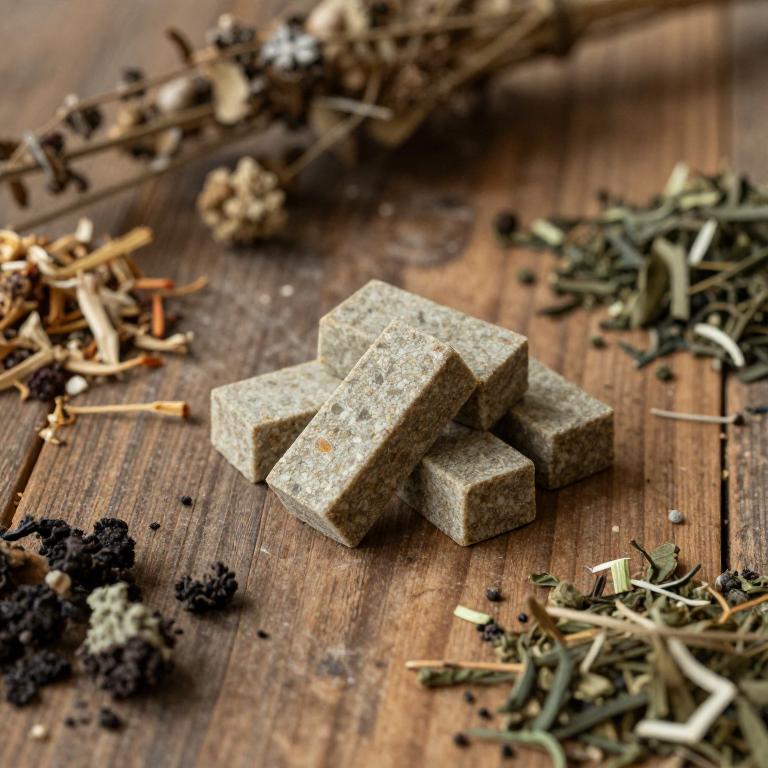
Salvia officinalis, commonly known as sage, has been traditionally used for its medicinal properties, including its potential to alleviate nasal congestion.
Herbal lozenges made from salvia officinalis may help reduce inflammation in the nasal passages and ease breathing by soothing irritated mucous membranes. These lozenges are often formulated with other natural ingredients to enhance their effectiveness and provide a pleasant taste. While scientific evidence supporting their efficacy for nasal congestion is limited, many users report relief from symptoms such as stuffiness and postnasal drip.
As with any herbal remedy, it is advisable to consult a healthcare professional before use, especially for individuals with existing health conditions or those taking other medications.
7. Rosemary (Rosmarinus officinalis)
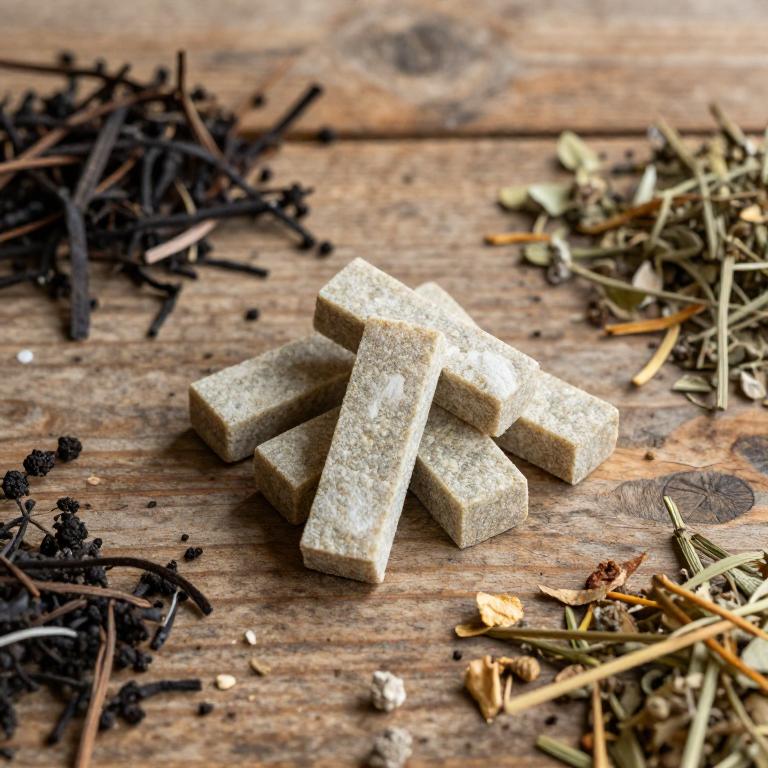
Rosmarinus officinalis, commonly known as rosemary, is a herbal remedy that has been traditionally used for its decongestant and anti-inflammatory properties.
Rosemary herbal lozenges are formulated to provide relief from nasal congestion by promoting clear breathing and reducing mucus buildup. These lozenges contain essential oils and antioxidants that may help soothe irritated nasal passages and improve respiratory function. They are often used as a natural alternative to over-the-counter medications for mild to moderate nasal congestion.
Regular use of rosemary lozenges can support overall respiratory health while offering a gentle, plant-based approach to symptom management.
8. Fennel (Foeniculum vulgare)
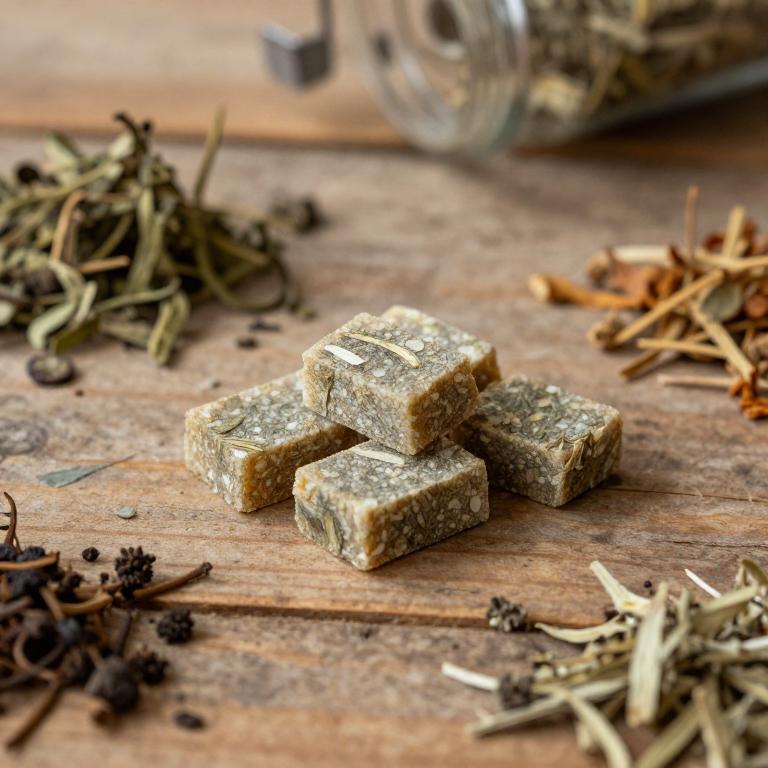
Foeniculum vulgare, commonly known as fennel, is a herbal remedy often used in the form of lozenges to alleviate nasal congestion.
These lozenges contain essential oils and volatile compounds that have mild expectorant and anti-inflammatory properties, helping to loosen mucus and reduce nasal swelling. Fennel lozenges are typically made from the dried seeds of the plant and are often combined with other herbs like anise or licorice for enhanced effects. They are generally considered safe for short-term use and are particularly beneficial for individuals seeking natural relief from mild to moderate congestion.
However, it is advisable to consult a healthcare professional before use, especially for those with allergies or chronic respiratory conditions.
9. Ceylon cinnamon (Cinnamomum verum)
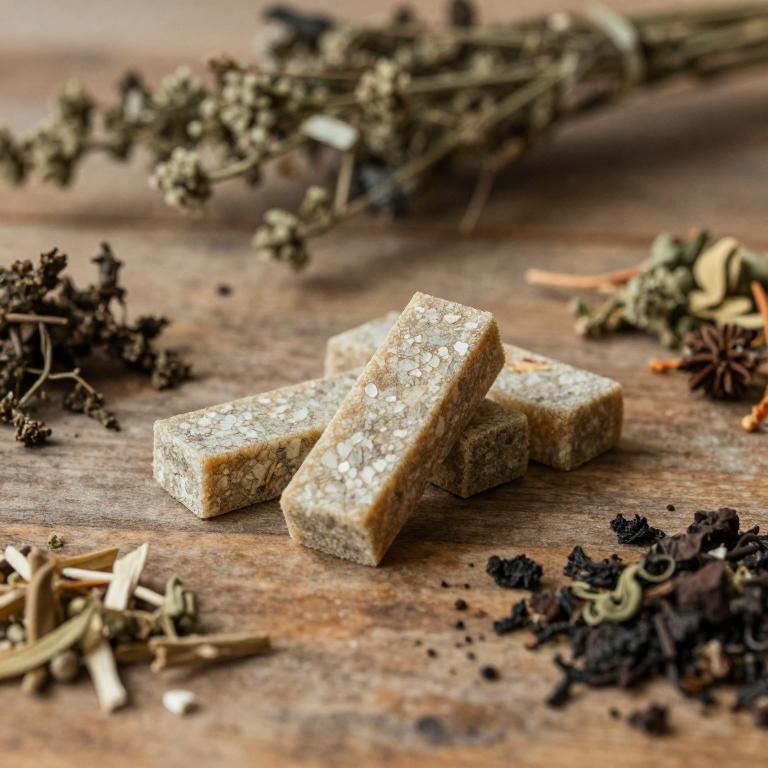
Cinnamomum verum, commonly known as true cinnamon, is often used in herbal lozenges to help alleviate symptoms of nasal congestion.
These lozenges are formulated with the essential oils and extracts of cinnamon bark, which possess natural decongestant and anti-inflammatory properties. The warming and aromatic qualities of cinnamon can help soothe irritated nasal passages and promote clearer breathing. By stimulating the mucous membranes, these lozenges may reduce the thickness of mucus and ease the sensation of stuffiness.
However, individuals with allergies to cinnamon or those taking certain medications should consult a healthcare professional before use.
10. Licorice (Glycyrrhiza glabra)
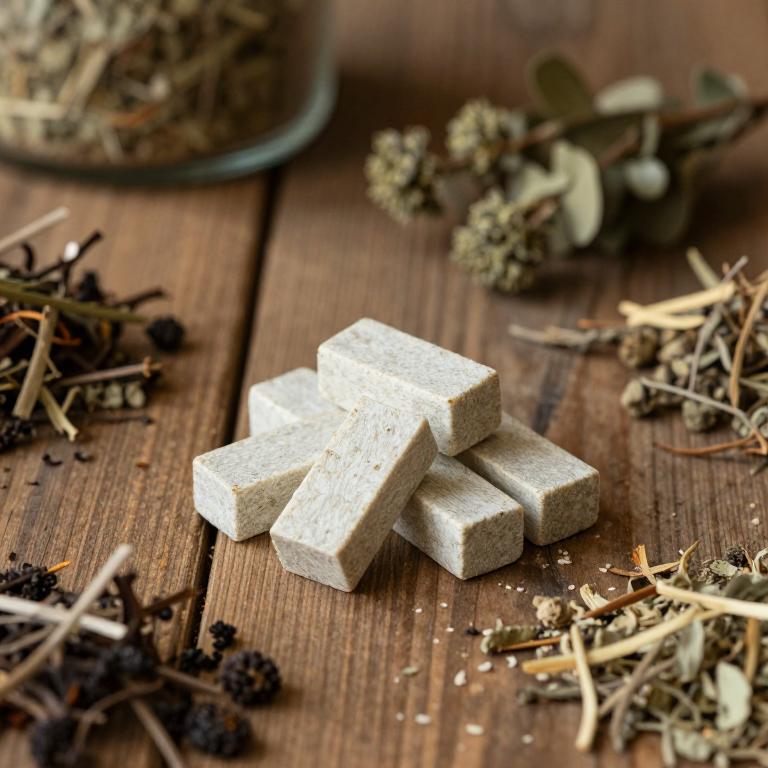
Glycyrrhiza glabra, commonly known as licorice root, is often used in herbal lozenges to alleviate nasal congestion due to its anti-inflammatory and expectorant properties.
These lozenges may help reduce swelling in the nasal passages, making it easier to breathe by loosening mucus and promoting drainage. The active compounds in licorice, such as glycyrrhizin and flavonoids, are believed to contribute to its soothing effects on irritated tissues. While generally considered safe for short-term use, excessive consumption of licorice root can lead to side effects like hypertension, so it should be used with caution.
As a complementary remedy, licorice-based lozenges may provide relief for mild nasal congestion when used alongside other conventional treatments.