10 Best Herbal Lotions For Nasal Congestion

Herbal lotions for nasal congestion are traditional remedies that use natural ingredients to help alleviate stuffiness and promote clearer breathing.
These lotions often contain essential oils like eucalyptus, peppermint, and lavender, which have decongestant and soothing properties. Applying a warm herbal lotion to the face and chest can help open up the airways and reduce inflammation in the nasal passages. Many people find these lotions to be a gentle and effective alternative to over-the-counter medications.
However, it's important to perform a patch test and consult a healthcare professional, especially for those with sensitive skin or underlying health conditions.
Table of Contents
- 1. Eucalyptus (Eucalyptus globulus)
- 2. Peppermint (Mentha piperita)
- 3. Ginger (Zingiber officinale)
- 4. Rosemary (Rosmarinus officinalis)
- 5. Salvia (Salvia officinalis)
- 6. Black pepper (Piper nigrum)
- 7. Thyme (Thymus vulgaris)
- 8. Ceylon cinnamon (Cinnamomum verum)
- 9. Chaste tree (Vitex agnus-castus)
- 10. Ceylon cinnamon (Cinnamomum zeylanicum)
1. Eucalyptus (Eucalyptus globulus)
Eucalyptus globulus, commonly known as Australian eucalyptus, is a popular ingredient in herbal lotions designed to alleviate nasal congestion.
These lotions often contain essential oils extracted from the leaves of the eucalyptus tree, which are known for their decongestant and anti-inflammatory properties. When applied topically, the menthol-like compounds in eucalyptus globulus can help soothe the nasal passages and reduce mucus buildup. The cooling effect of the lotion may also provide a refreshing sensation that promotes easier breathing.
As a natural alternative to over-the-counter decongestants, eucalyptus globulus herbal lotions are widely used for their soothing and therapeutic benefits.
2. Peppermint (Mentha piperita)
Mentha piperita, commonly known as peppermint, is often used in herbal lotions to alleviate nasal congestion due to its decongestant and soothing properties.
These lotions typically contain essential oils derived from fresh peppermint leaves, which help to clear the nasal passages by stimulating mucous membrane drainage. The cooling effect of peppermint can provide immediate relief from stuffiness and reduce inflammation in the nasal area. When applied topically, these lotions can help improve breathing and ease the discomfort associated with colds or sinus infections.
However, it is important to use them as directed and consult a healthcare professional if symptoms persist or worsen.
3. Ginger (Zingiber officinale)
Zingiber officinale, commonly known as ginger, has been traditionally used for its medicinal properties, including its potential to alleviate nasal congestion.
Ginger herbal lotions, derived from the root of this plant, contain bioactive compounds such as gingerol and shogaol that possess anti-inflammatory and decongestant effects. These lotions can be applied externally to the nasal area to help reduce swelling and mucus buildup, providing relief from stuffy noses. While they are not a substitute for medical treatments, they may serve as a natural complementary remedy for mild congestion.
However, it is important to consult a healthcare professional before using ginger-based products, especially for individuals with allergies or underlying health conditions.
4. Rosemary (Rosmarinus officinalis)
Rosmarinus officinalis, commonly known as rosemary, is a fragrant herb often used in herbal lotions for its potential respiratory benefits.
These lotions are typically infused with rosemary essential oil, which is believed to have decongestant properties that may help alleviate nasal congestion. The aromatic compounds in rosemary can stimulate circulation and may help reduce inflammation in the nasal passages. While scientific evidence supporting its efficacy for nasal congestion is limited, many users report a sense of relief when using rosemary-based products.
As with any herbal remedy, it is advisable to consult a healthcare professional before use, especially for individuals with allergies or existing medical conditions.
5. Salvia (Salvia officinalis)
Salvia officinalis, commonly known as sage, has been traditionally used in herbal remedies for its soothing and decongestant properties.
Sage herbal lotions are often formulated with essential oils and infused extracts to help alleviate nasal congestion by reducing inflammation and thinning mucus. These lotions can be applied topically around the nose and cheeks to provide a cooling sensation and promote respiratory ease. While they are not a direct treatment for nasal blockage, they may support overall respiratory health when used as part of a holistic approach.
As with any herbal remedy, it is advisable to consult a healthcare professional before use, especially for individuals with sensitive skin or underlying health conditions.
6. Black pepper (Piper nigrum)

Piper nigrum, commonly known as black pepper, is often used in herbal lotions to help alleviate nasal congestion due to its warming and decongestant properties.
These lotions typically contain essential oils and extracts of black pepper, which can stimulate blood circulation and reduce inflammation in the nasal passages. When applied topically, the heat from the lotion may help open up airways and ease breathing. However, it is important to use such products with caution, as they may cause skin irritation in some individuals.
Always consult a healthcare professional before using herbal lotions for persistent or severe nasal congestion.
7. Thyme (Thymus vulgaris)

Thymus vulgaris, commonly known as thyme, is often used in herbal lotions to help alleviate symptoms of nasal congestion due to its antiseptic and decongestant properties.
These lotions typically contain essential oils extracted from thyme leaves and flowers, which can help reduce inflammation and loosen mucus in the nasal passages. When applied externally, thyme-based lotions may provide a soothing effect and support the body's natural healing process. However, it is important to note that while these lotions may offer some relief, they are not a substitute for medical treatment in cases of severe or persistent congestion.
Always consult with a healthcare professional before using herbal remedies, especially if you have underlying health conditions or are taking other medications.
8. Ceylon cinnamon (Cinnamomum verum)
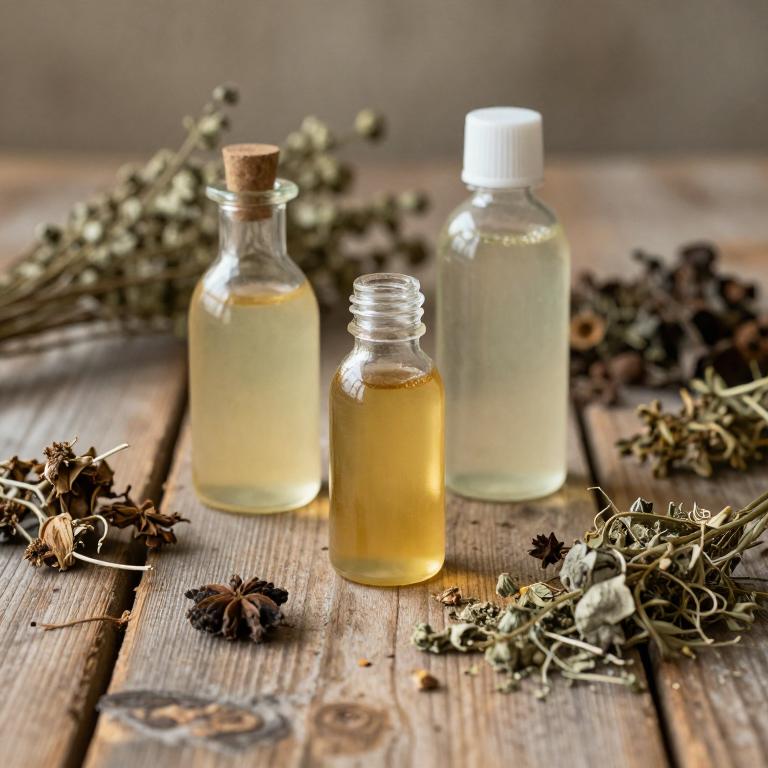
Cinnamomum verum, also known as true cinnamon, has been traditionally used in herbal remedies for its warming and decongestant properties.
When incorporated into herbal lotions, cinnamon can help alleviate nasal congestion by promoting blood circulation and reducing mucus buildup in the nasal passages. These lotions are often applied topically around the nose and cheeks, where the aromatic compounds can be absorbed through the skin to provide relief. The essential oils derived from cinnamon bark are known for their anti-inflammatory and antimicrobial effects, which may further support respiratory health.
While herbal lotions containing Cinnamomum verum can be a natural complement to conventional treatments, it is advisable to consult a healthcare professional before use, especially for individuals with sensitive skin or underlying medical conditions.
9. Chaste tree (Vitex agnus-castus)

Vitex agnus-castus, commonly known as chasteberry, is often used in herbal formulations to support respiratory health.
While it is more commonly recognized for its hormonal balancing properties, some herbal lotions containing vitex may be used topically to alleviate nasal congestion by reducing inflammation and soothing the mucous membranes. These lotions are typically applied to the nose and surrounding areas to help ease breathing and reduce irritation. However, it is important to note that vitex agnus-castus is not a primary treatment for nasal congestion and should be used in conjunction with other proven remedies.
Always consult with a healthcare professional before using herbal treatments, especially if you have underlying health conditions or are taking medications.
10. Ceylon cinnamon (Cinnamomum zeylanicum)

Cinnamomum zeylanicum, commonly known as cinnamon, is often used in herbal lotions to alleviate symptoms of nasal congestion due to its warming and decongestant properties.
These lotions typically contain essential oils extracted from the bark of the cinnamon tree, which can help to soothe inflamed nasal passages and improve airflow. When applied externally to the chest or temples, the aromatic compounds in cinnamon may stimulate circulation and reduce the feeling of stuffiness. However, it is important to dilute the essential oils properly to avoid skin irritation, as undiluted cinnamon oil can be harsh.
While cinnamon-based lotions may offer temporary relief, they should not replace medical treatment for persistent or severe nasal congestion.