10 Best Herbal Lozenges For Muscle Pain
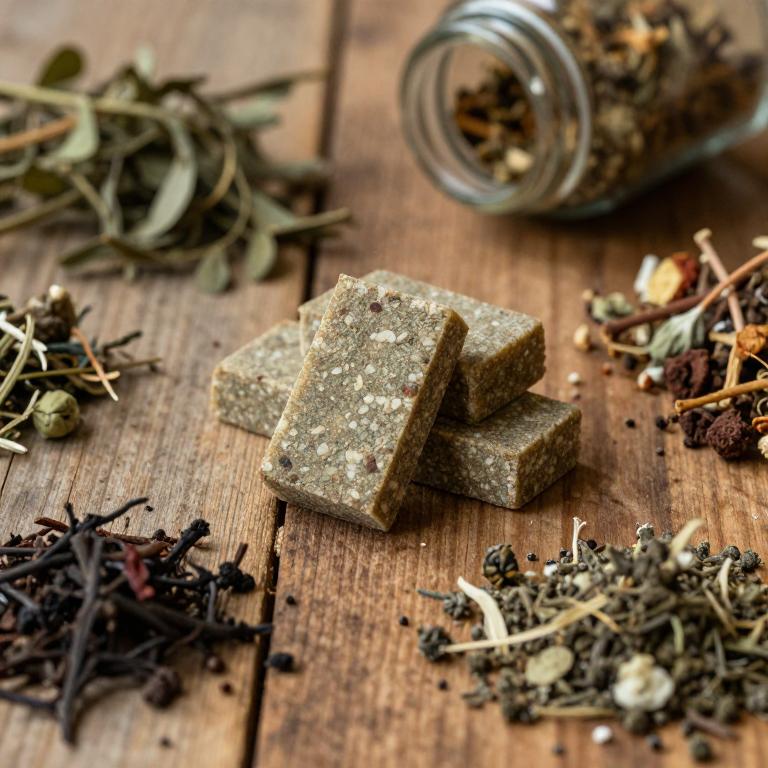
Herbal lozenges for muscle pain are formulated with natural ingredients such as willow bark, ginger, and turmeric, which are known for their anti-inflammatory and analgesic properties.
These lozenges work by delivering targeted relief to sore muscles through localized application in the mouth, where the active compounds can be absorbed into the bloodstream. Unlike traditional pain relievers, herbal lozenges are generally considered safer with fewer side effects, making them a popular choice for individuals seeking natural remedies. They are especially beneficial for minor muscle aches caused by exercise or injuries, offering a soothing and calming effect.
However, it is important to consult a healthcare professional before use, particularly for those with underlying health conditions or taking other medications.
Table of Contents
- 1. Ginger (Zingiber officinale)
- 2. Salvia (Salvia officinalis)
- 3. Chaste tree (Vitex agnus-castus)
- 4. Yarrow (Achillea millefolium)
- 5. Black pepper (Piper nigrum)
- 6. St. john's wort (Hypericum perforatum)
- 7. Bell pepper (Capsicum annuum)
- 8. Echinacea (Echinacea purpurea)
- 9. Peppermint (Mentha piperita)
- 10. Dog rose (Rosa canina)
1. Ginger (Zingiber officinale)
Zingiber officinale, commonly known as ginger, has been traditionally used for its anti-inflammatory and analgesic properties, making it a popular ingredient in herbal lozenges for muscle pain.
These lozenges work by delivering ginger's active compounds, such as gingerol and shogaol, directly to the throat and mouth, potentially providing localized relief for sore muscles and joints. While primarily used for digestive issues and nausea, ginger's ability to reduce inflammation and improve circulation may help alleviate discomfort associated with muscle strain or overuse. However, it is important to note that while some studies suggest ginger may have mild pain-relieving effects, more research is needed to confirm its efficacy for muscle pain specifically.
As with any herbal remedy, it is advisable to consult a healthcare professional before use, especially for individuals with existing health conditions or those taking other medications.
2. Salvia (Salvia officinalis)
Salvia officinalis, commonly known as sage, has been traditionally used for its medicinal properties, and its herbal lozenges are now being explored for their potential benefits in alleviating muscle pain.
These lozenges are often formulated with a blend of sage extract and other soothing ingredients to provide relief from soreness and inflammation. While sage is primarily known for its respiratory and digestive benefits, some studies suggest it may have anti-inflammatory and analgesic effects that could support muscle recovery. The convenience of lozenge form makes it an easy-to-use option for individuals seeking natural remedies for minor muscle discomfort.
However, further research is needed to fully understand the efficacy and mechanisms of salvia officinalis in treating muscle pain.
3. Chaste tree (Vitex agnus-castus)
Vitex agnus-castus, also known as chasteberry, is a traditional herbal remedy that has been used for centuries to support hormonal balance and alleviate various health conditions.
While primarily known for its benefits in women's health, some studies suggest that it may also have potential anti-inflammatory and analgesic properties. Vitex agnus-castus herbal lozenges are formulated to provide a convenient and targeted way to consume this herb, potentially offering relief from muscle pain through its natural compounds. These lozenges may help reduce inflammation and soothe muscle discomfort, making them a complementary option for those seeking natural pain relief.
However, it is important to consult with a healthcare professional before using these lozenges, especially if you have underlying health conditions or are taking other medications.
4. Yarrow (Achillea millefolium)
Achillea millefolium, commonly known as yarrow, has been traditionally used for its anti-inflammatory and analgesic properties, making it a potential ingredient in herbal lozenges for muscle pain relief.
These lozenges combine the soothing and pain-reducing effects of yarrow with other natural herbs to provide targeted relief for sore muscles and inflammation. The herbal formulation is designed to be easily absorbed in the mouth, offering a convenient and effective way to manage discomfort without the use of synthetic medications. Users may experience a calming effect as the lozenges dissolve, promoting relaxation and reducing muscle tension.
While generally considered safe, it is advisable to consult a healthcare professional before using these lozenges, especially for individuals with known allergies or existing medical conditions.
5. Black pepper (Piper nigrum)
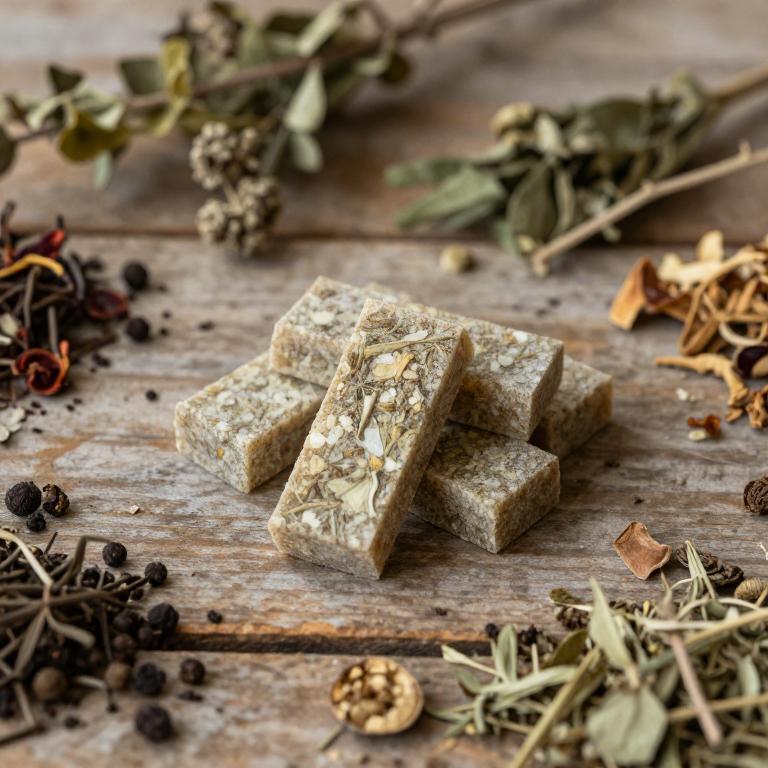
Piper nigrum, commonly known as black pepper, has been traditionally used in herbal medicine for its potential anti-inflammatory and analgesic properties.
When formulated into herbal lozenges, piper nigrum may provide localized relief for muscle pain by stimulating blood circulation and reducing inflammation in the affected areas. The active compound, piperine, is believed to enhance the body's natural pain-relieving mechanisms and may also support the absorption of other therapeutic compounds. These lozenges are often preferred as a natural alternative to conventional pain medications, offering a gentler approach with fewer side effects.
However, it is important to consult a healthcare professional before using piper nigrum lozenges, especially for chronic or severe muscle pain.
6. St. john's wort (Hypericum perforatum)
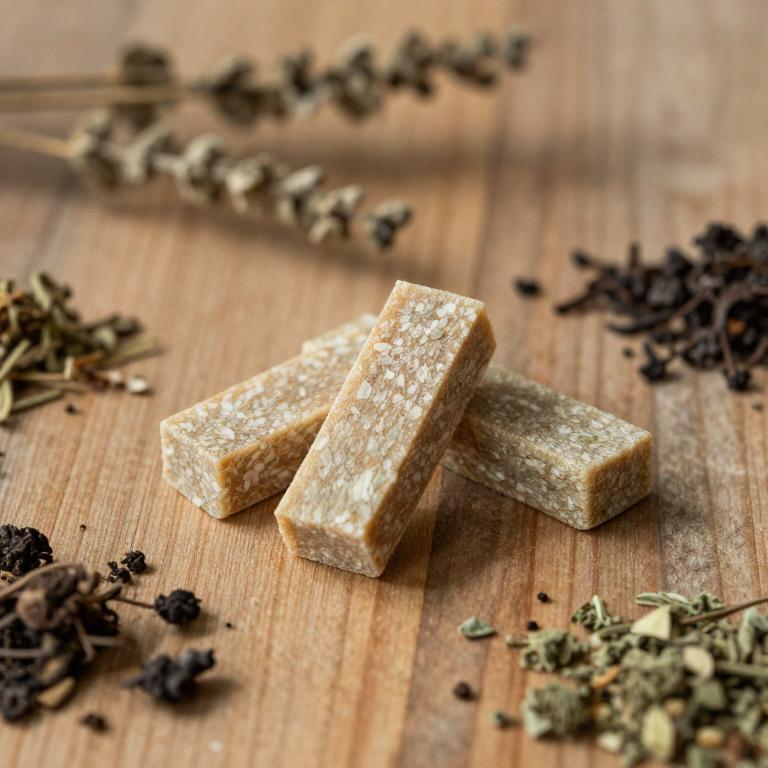
Hypericum perforatum, commonly known as St. John's Wort, is traditionally used for its potential anti-inflammatory and analgesic properties.
Herbal lozenges containing Hypericum perforatum are designed to provide localized relief for muscle pain by soothing inflamed tissues and reducing discomfort. These lozenges are often formulated with other natural ingredients that enhance their effectiveness and promote healing. They are a popular alternative for individuals seeking non-pharmacological options to manage muscle-related pain.
However, it is important to consult a healthcare provider before use, especially if taking other medications, due to potential interactions.
7. Bell pepper (Capsicum annuum)
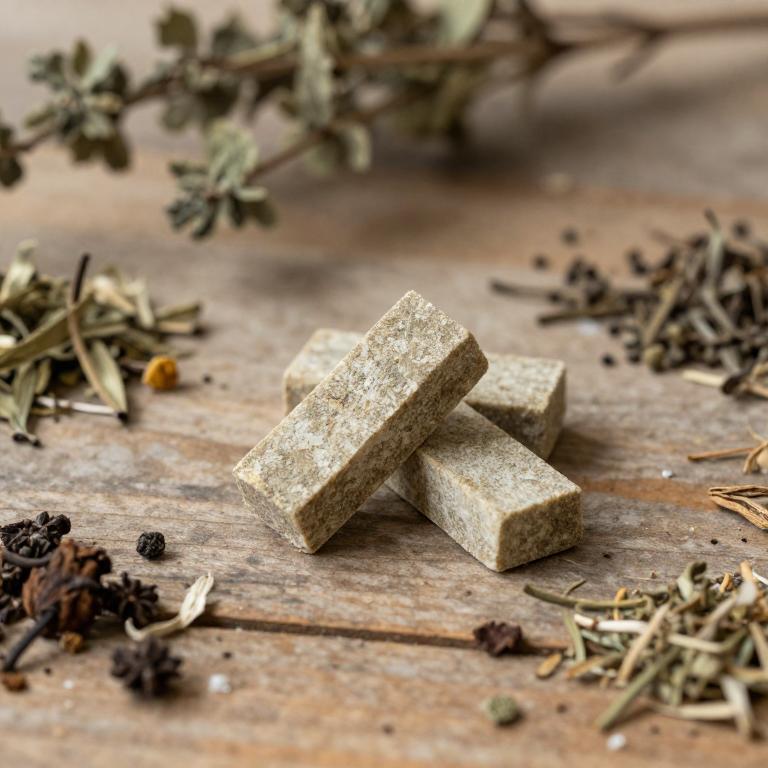
Capsicum annuum herbal lozenges, derived from the chili pepper plant, are traditionally used for their potential analgesic and anti-inflammatory properties.
These lozenges contain capsaicin, a compound known to stimulate nerve endings and reduce pain signals by depleting substance P, a neurotransmitter involved in pain transmission. While primarily used for conditions like arthritis and muscle soreness, capsicum annuum lozenges may offer localized relief for muscle pain by improving circulation and reducing inflammation. However, due to their spicy nature, they may cause irritation in sensitive individuals, so they should be used with caution.
It is advisable to consult a healthcare professional before using these lozenges, especially for chronic or severe muscle pain.
8. Echinacea (Echinacea purpurea)
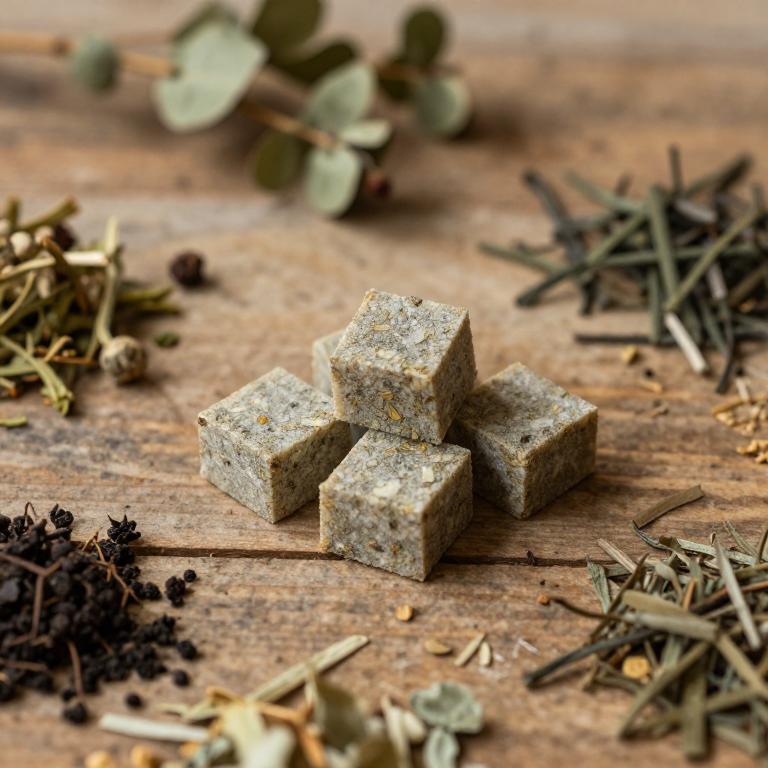
Echinacea purpurea herbal lozenges are traditionally used to support the immune system and may offer relief for muscle pain by reducing inflammation and promoting healing.
While primarily known for its immune-boosting properties, echinacea has anti-inflammatory and analgesic effects that can help alleviate discomfort in muscles and joints. These lozenges are often made from the dried flowers and leaves of the echinacea plant, which is native to North America. Some studies suggest that echinacea may help reduce the duration and severity of muscle soreness, particularly when used in combination with other natural remedies.
However, individuals should consult with a healthcare professional before using echinacea lozenges, especially if they have allergies or are taking other medications.
9. Peppermint (Mentha piperita)
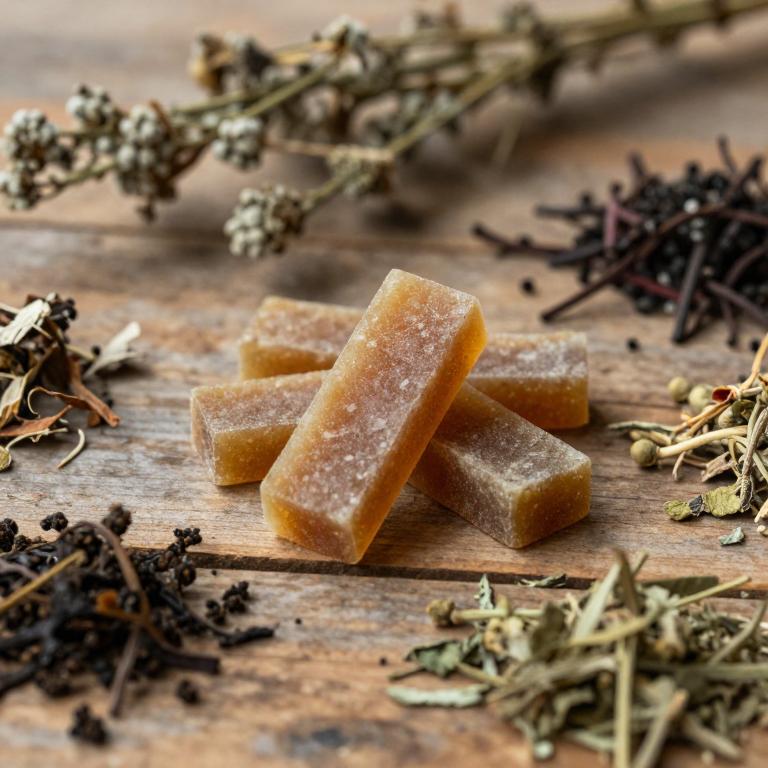
Mentha piperita, commonly known as peppermint, is often used in herbal lozenges to provide relief from muscle pain due to its cooling and analgesic properties.
These lozenges work by stimulating the release of menthol, which interacts with pain receptors in the body, reducing the sensation of pain and promoting a soothing effect. The menthol in peppermint lozenges can also help improve circulation, which may aid in the reduction of muscle inflammation and soreness. While primarily used for throat and mouth discomfort, their muscle-relief benefits make them a versatile natural remedy for minor aches and pains.
However, individuals with certain medical conditions or allergies should consult a healthcare professional before using these lozenges.
10. Dog rose (Rosa canina)
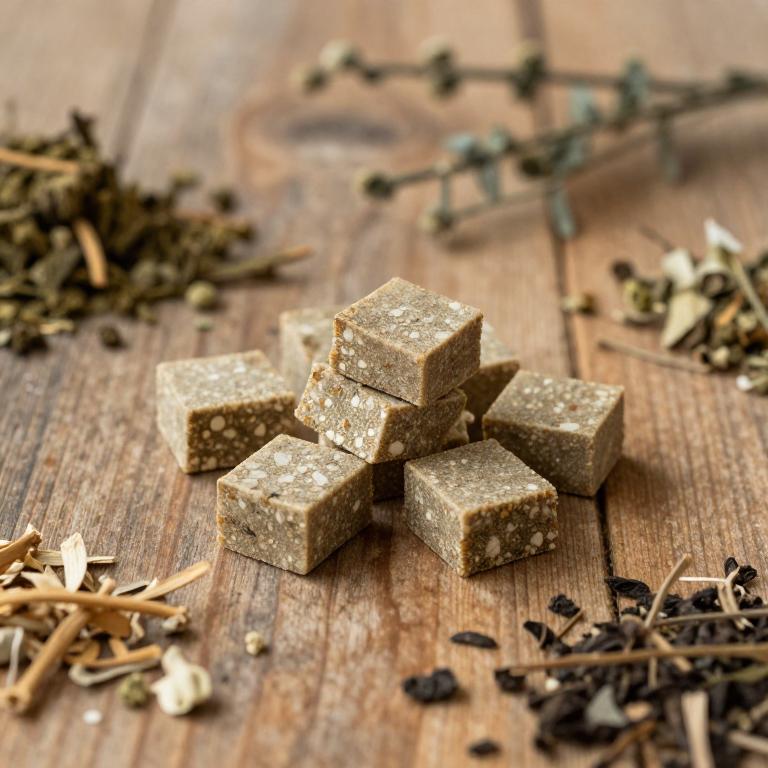
Rosa canina herbal lozenges are formulated with rosehip extract, which is rich in antioxidants and essential nutrients like vitamin C and polyphenols.
These lozenges are traditionally used to support joint and muscle health by reducing inflammation and promoting tissue repair. The anti-inflammatory properties of rosehip may help alleviate symptoms of muscle pain and stiffness, making them a natural alternative to conventional pain relievers. They are typically taken as a supplement, dissolving in the mouth for quick absorption and relief.
While they are generally considered safe, individuals with allergies to plants in the Rosaceae family should exercise caution before use.