10 Best Herbal Essential Oils For Muscle Pain

Herbal essential oils, derived from various plants, are widely used for their therapeutic properties in alleviating muscle pain.
Commonly used oils such as peppermint, eucalyptus, and lavender possess anti-inflammatory and analgesic effects that can help reduce discomfort and inflammation in sore muscles. When diluted with a carrier oil and applied topically, these essential oils can improve blood circulation and promote muscle relaxation. Many people find aromatherapy with these oils to be a natural and effective alternative to over-the-counter pain relievers.
However, it is important to use them safely and consult with a healthcare professional, especially for those with sensitive skin or existing medical conditions.
Table of Contents
- 1. Ceylon cinnamon (Cinnamomum zeylanicum)
- 2. Black pepper (Piper nigrum)
- 3. Eucalyptus (Eucalyptus globulus)
- 4. Bell pepper (Capsicum annuum)
- 5. Ginger (Zingiber officinale)
- 6. Turmeric (Curcuma longa)
- 7. Peppermint (Mentha piperita)
- 8. Rosemary (Rosmarinus officinalis)
- 9. English lavender (Lavandula angustifolia)
- 10. Thyme (Thymus vulgaris)
1. Ceylon cinnamon (Cinnamomum zeylanicum)
Cinnamomum zeylanicum, commonly known as Ceylon cinnamon, produces a valuable essential oil that is widely used for its therapeutic properties, including its ability to alleviate muscle pain.
The oil contains compounds like cinnamaldehyde and eugenol, which have anti-inflammatory and analgesic effects that help reduce pain and swelling in muscles. When applied topically, the essential oil can improve circulation and relax tense muscles, offering relief from conditions like muscle strains or soreness. It is often diluted with a carrier oil before use to prevent skin irritation and enhance absorption.
This natural remedy is a popular choice in aromatherapy and holistic treatments for managing muscle discomfort.
2. Black pepper (Piper nigrum)
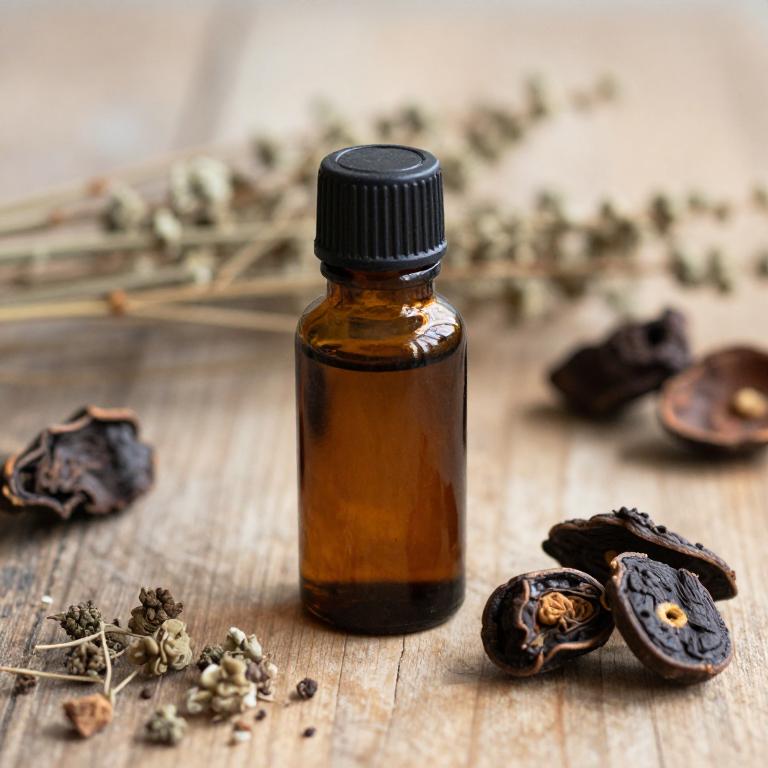
Piper nigrum, commonly known as black pepper, contains essential oils that have been traditionally used for their potential therapeutic properties.
The essential oils derived from black pepper, particularly containing compounds like piperine, may possess anti-inflammatory and analgesic effects that could help alleviate muscle pain. These oils can be used in aromatherapy or topical applications to promote relaxation and reduce discomfort in sore muscles. However, it is important to dilute the essential oil properly before use to avoid skin irritation.
While some studies suggest possible benefits, more research is needed to fully understand the efficacy and safety of piper nigrum essential oils for muscle pain relief.
3. Eucalyptus (Eucalyptus globulus)

Eucalyptus globulus, commonly known as eucalyptus oil, is a popular herbal essential oil derived from the leaves of the eucalyptus tree.
It is widely recognized for its potent anti-inflammatory and analgesic properties, making it a valuable remedy for muscle pain and soreness. When applied topically, eucalyptus oil can help reduce swelling and ease discomfort by stimulating blood circulation and relaxing muscle tissues. Its cooling and menthol-like effect provides a soothing sensation, which can further alleviate tension and stiffness.
However, it should always be diluted with a carrier oil before use to prevent skin irritation and ensure safe application.
4. Bell pepper (Capsicum annuum)
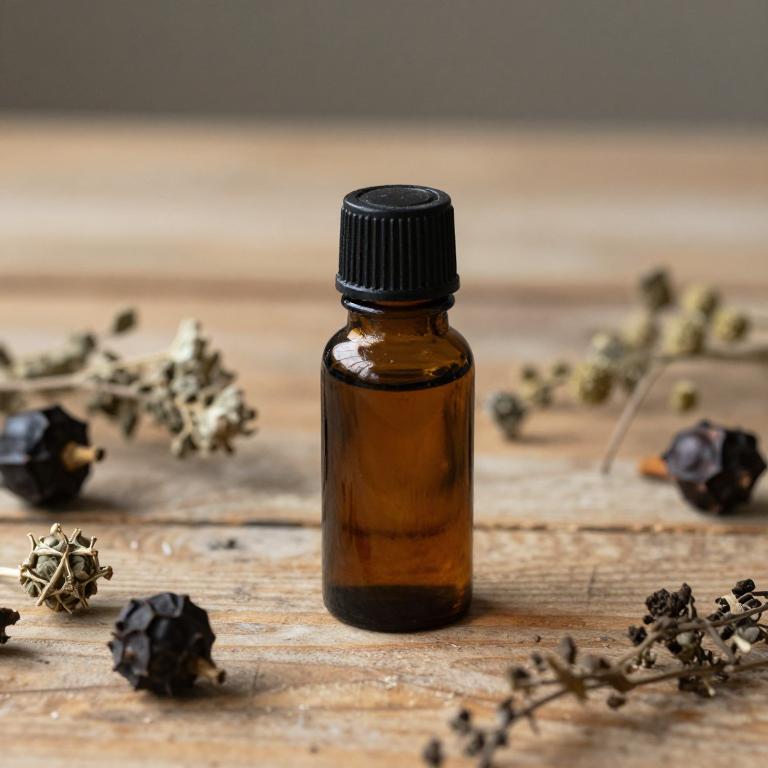
Capsicum annuum, commonly known as the bell pepper plant, is the source of capsaicin, a compound widely used in herbal essential oils for its analgesic and anti-inflammatory properties.
These essential oils, derived from the dried fruit of the plant, work by stimulating the release of endorphins and reducing the transmission of pain signals through the nervous system. When applied topically, capsicum annuum essential oils can provide relief for muscle pain, inflammation, and even arthritis-related discomfort. However, due to their potency, they should be diluted properly before use to avoid skin irritation.
Regular application may also help improve blood circulation and reduce muscle tension, making them a valuable natural remedy for muscle-related ailments.
5. Ginger (Zingiber officinale)
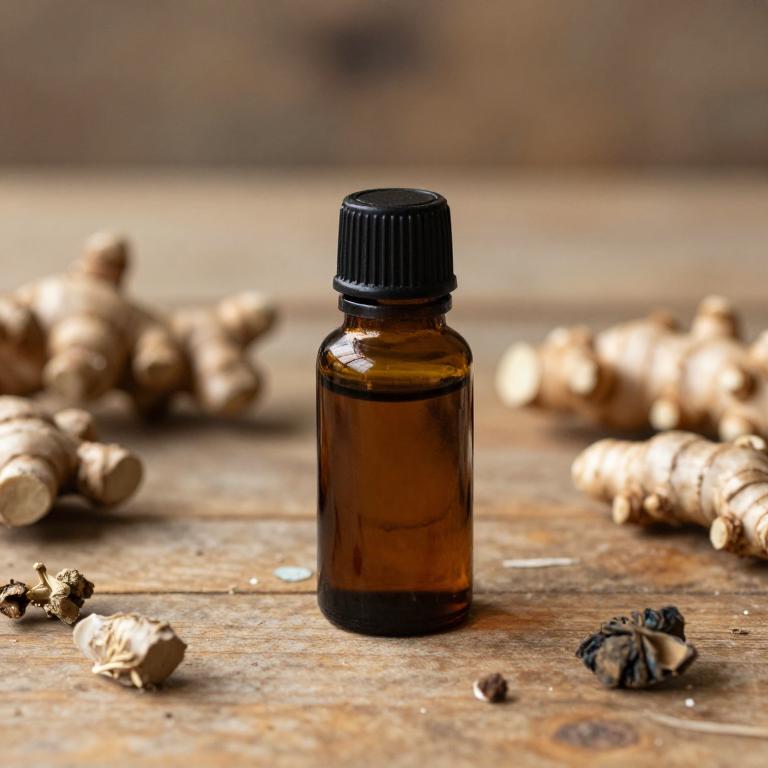
Zingiber officinale, commonly known as ginger, is a widely used herb whose essential oil has been studied for its potential benefits in alleviating muscle pain.
The essential oil of ginger contains bioactive compounds such as gingerol and shogaol, which possess anti-inflammatory and analgesic properties. These compounds may help reduce inflammation and pain associated with conditions like muscle strains or arthritis. When applied topically, ginger essential oil can provide a warming sensation that promotes blood circulation and eases muscle tension.
However, it is important to dilute the oil with a carrier oil before use to avoid skin irritation and ensure safe application.
6. Turmeric (Curcuma longa)
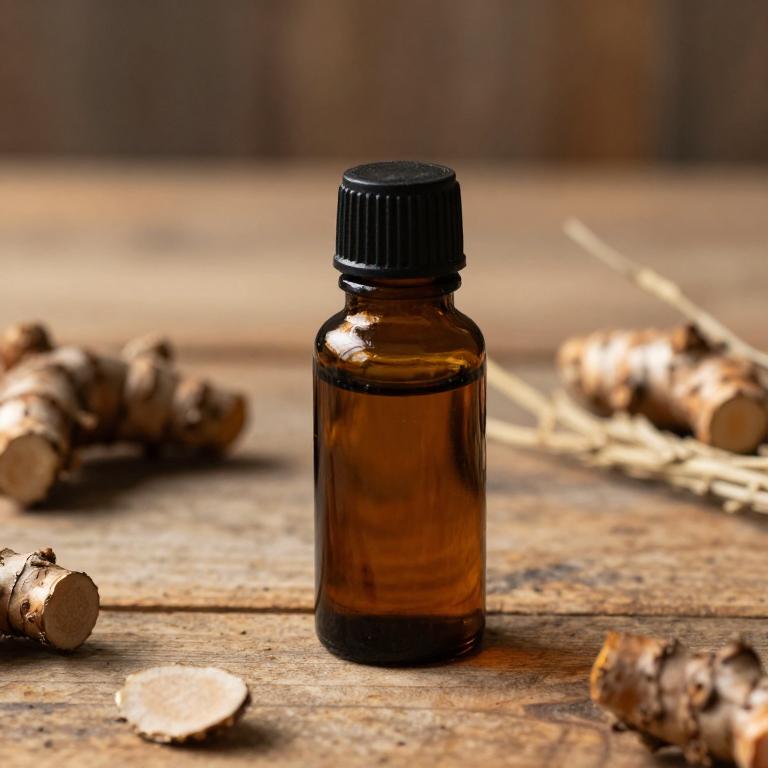
Curcuma longa, commonly known as turmeric, is widely recognized for its anti-inflammatory and antioxidant properties, which make its essential oils a promising natural remedy for muscle pain.
The essential oils derived from Curcuma longa contain bioactive compounds such as curcuminoids, which have been shown to reduce inflammation and oxidative stress in muscle tissues. When applied topically, these oils can help alleviate pain and promote faster recovery from muscle strains or injuries. However, it is important to note that the essential oils should be properly diluted to avoid skin irritation.
While research is ongoing, many people use turmeric essential oils as a complementary therapy to manage chronic muscle pain and improve overall musculoskeletal health.
7. Peppermint (Mentha piperita)

Mentha piperita, commonly known as peppermint, is a popular herb used in the production of essential oils that are widely recognized for their soothing effects on muscle pain.
The essential oil derived from peppermint contains active compounds like menthol, which have analgesic and anti-inflammatory properties that help alleviate discomfort in muscles. When applied topically, the cooling sensation of peppermint oil can provide immediate relief by reducing inflammation and improving blood circulation to the affected area. It is often used in massage therapy and aromatherapy to ease conditions such as muscle strains, sprains, and tension headaches.
However, it is important to dilute the oil with a carrier oil before application to prevent skin irritation and ensure safe use.
8. Rosemary (Rosmarinus officinalis)
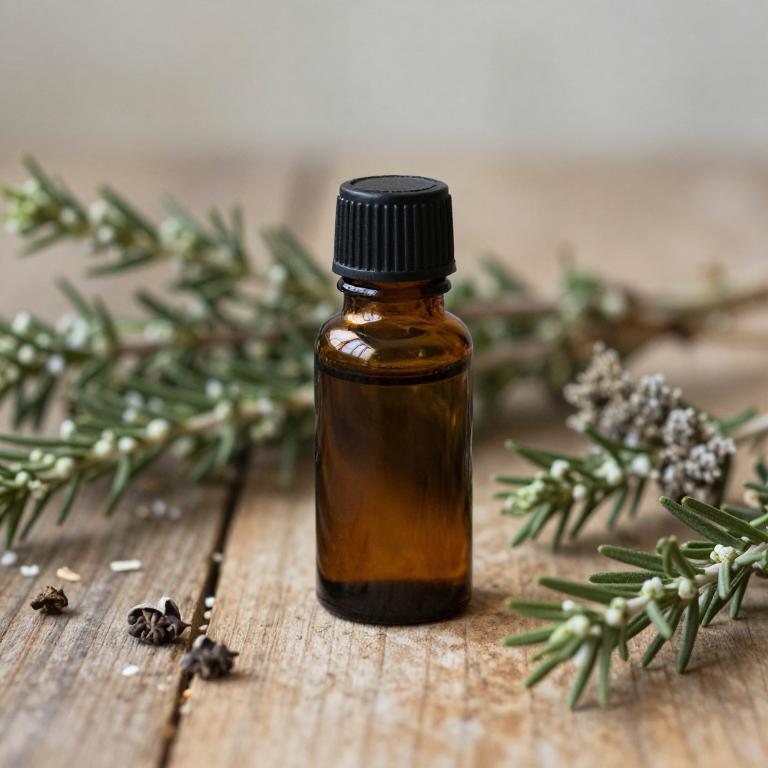
Rosmarinus officinalis, commonly known as rosemary, is a popular herb whose essential oil is widely used for its therapeutic properties, particularly in the relief of muscle pain.
The oil contains compounds such as camphor, cineole, and pinene, which have anti-inflammatory and analgesic effects that help reduce pain and inflammation in muscles. When applied topically, rosemary essential oil can improve circulation and promote the removal of lactic acid, which is often associated with muscle soreness. It is often diluted with a carrier oil before use to prevent skin irritation and enhance absorption.
Due to its stimulating and warming properties, rosemary essential oil is a favored choice in aromatherapy and natural remedies for muscle pain relief.
9. English lavender (Lavandula angustifolia)
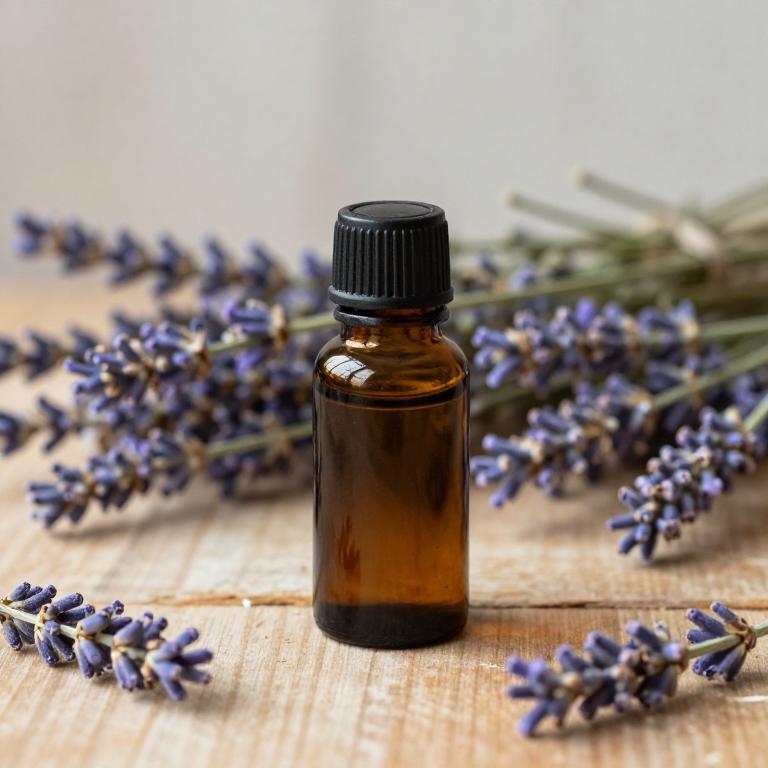
Lavandula angustifolia, commonly known as English lavender, is widely used in aromatherapy for its calming and soothing properties.
Its essential oil contains compounds like linalool and linalyl acetate, which have been shown to possess anti-inflammatory and analgesic effects. When applied topically, lavender essential oil can help reduce muscle pain and inflammation by promoting relaxation and improving blood circulation. It is often diluted with a carrier oil before use to prevent skin irritation.
Many people find lavender essential oil to be an effective natural remedy for relieving sore muscles and easing tension after physical activity or injury.
10. Thyme (Thymus vulgaris)
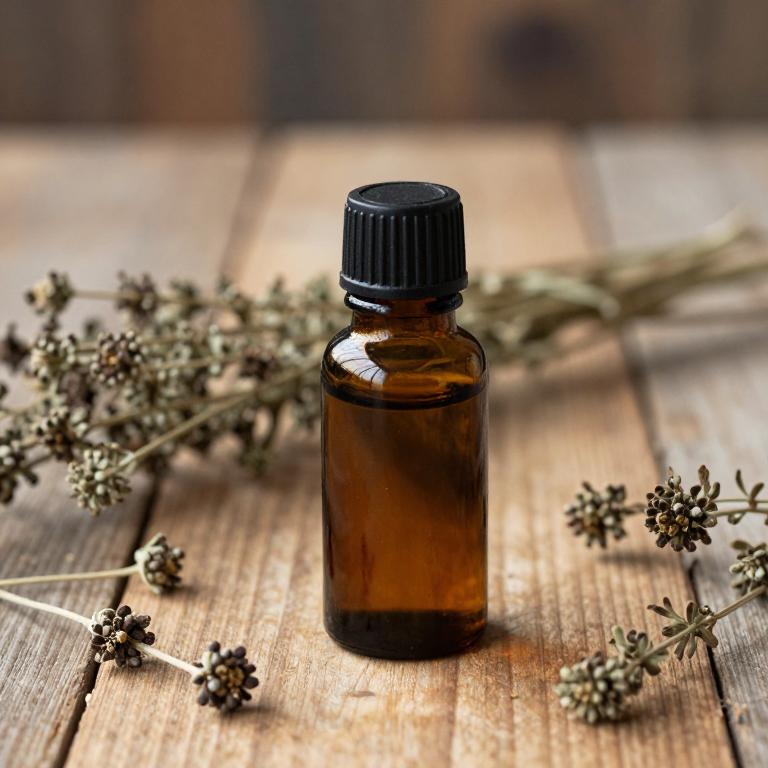
Thymus vulgaris, commonly known as thyme, is a popular herb used in aromatherapy for its potent essential oils, which are known for their antimicrobial and anti-inflammatory properties.
The essential oil of thymus vulgaris contains compounds like thymol and carvacrol, which have been shown to help reduce muscle pain and inflammation when applied topically or inhaled. When diluted with a carrier oil, thyme essential oil can be massaged into sore muscles to provide a warming effect and promote relaxation. It is often used in massage therapy and diffused to create a calming atmosphere that supports muscle recovery.
However, it is important to use thyme essential oil with caution, as it can be irritating to the skin and should always be diluted before use.