10 Best Herbal Creams For Muscle Pain
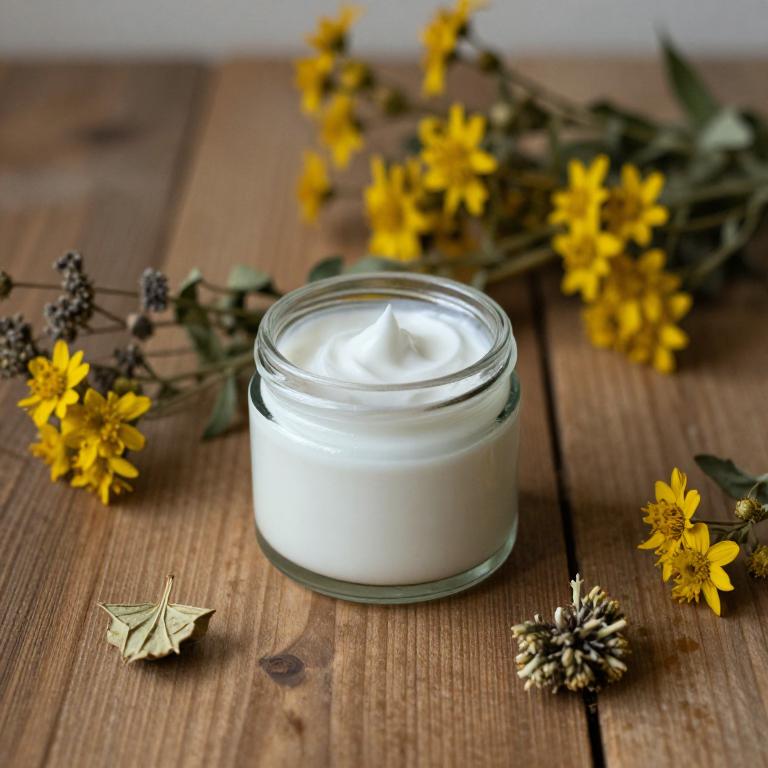
Herbal creams for muscle pain are natural topical treatments that often contain ingredients like menthol, camphor, and capsaicin, which are known for their pain-relieving and anti-inflammatory properties.
These creams are typically used to alleviate discomfort from conditions such as strains, sprains, and arthritis by improving blood circulation and reducing inflammation. Many herbal formulations also include essential oils like eucalyptus or lavender, which offer soothing and calming effects. They are generally considered safe for most people, though some individuals may experience skin irritation or allergic reactions.
As an alternative to pharmaceutical pain relievers, herbal creams provide a gentler, plant-based approach to managing muscle pain.
Table of Contents
- 1. Mountain arnica (Arnica montana)
- 2. Ginger (Zingiber officinale)
- 3. Bell pepper (Capsicum annuum)
- 4. St. john's wort (Hypericum perforatum)
- 5. Black pepper (Piper nigrum)
- 6. Yarrow (Achillea millefolium)
- 7. Blessed thistle (Cnicus benedictus)
- 8. Salvia (Salvia officinalis)
- 9. Chaste tree (Vitex agnus-castus)
- 10. Field horsetail (Equisetum arvense)
1. Mountain arnica (Arnica montana)
Arnica montana is a popular herbal remedy known for its potential to alleviate muscle pain and inflammation.
It contains compounds such as helenalin and other sesquiterpene lactones, which are believed to have anti-inflammatory and analgesic properties. Arnica montana herbal creams are commonly used topically to reduce bruising, swelling, and soreness associated with muscle strains or injuries. These creams are often preferred over aspirin or ibuprofen for those seeking natural alternatives.
However, they should not be applied to broken skin or near the eyes, and individuals with allergies should exercise caution before use.
2. Ginger (Zingiber officinale)
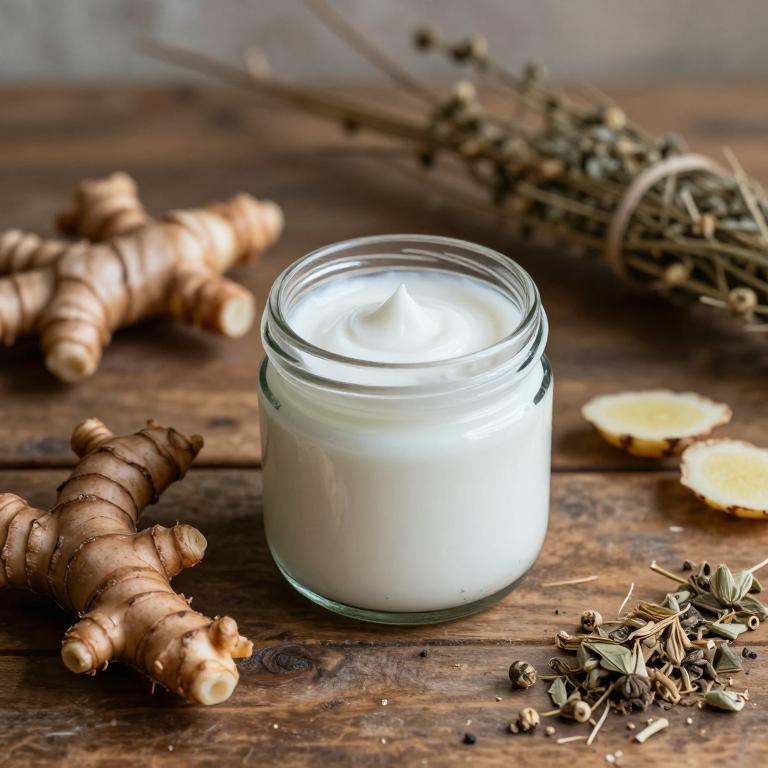
Zingiber officinale, commonly known as ginger, has been traditionally used for its anti-inflammatory and analgesic properties, making it a popular ingredient in herbal creams for muscle pain.
These creams typically contain powdered ginger root or ginger essential oil, which is believed to help reduce inflammation and ease muscle soreness. The warming effect of ginger in topical applications can improve blood circulation, promoting faster recovery from muscle strains and injuries. Many users report a soothing sensation and reduced discomfort when applying ginger-based creams to affected areas.
While generally safe, some individuals may experience skin irritation, so it is advisable to perform a patch test before regular use.
3. Bell pepper (Capsicum annuum)
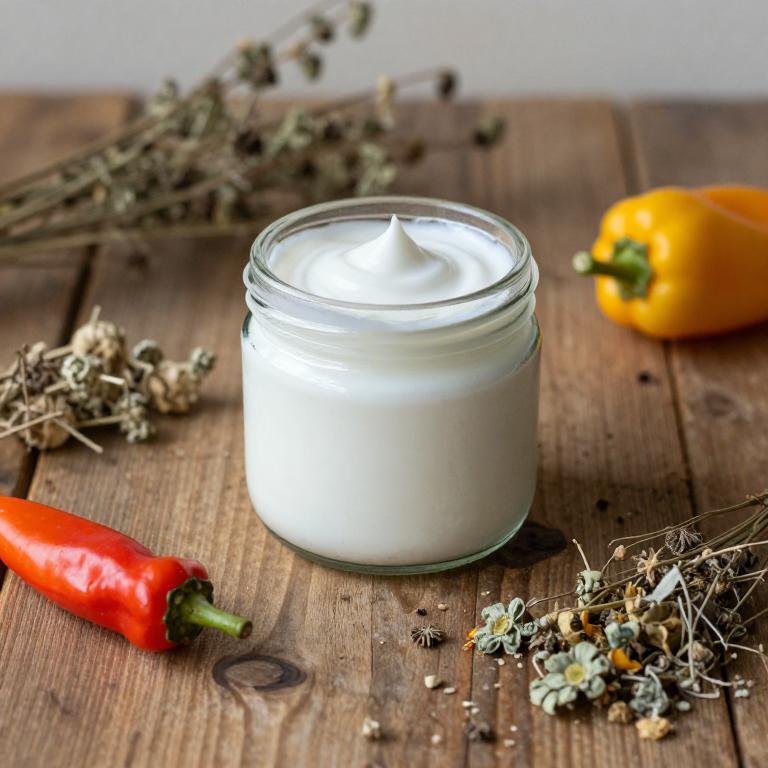
Capsicum annuum, commonly known as chili pepper, is used in herbal creams to alleviate muscle pain due to its active compound, capsaicin, which has strong analgesic properties.
These creams work by depleting substance P, a neurotransmitter responsible for transmitting pain signals to the brain, thereby reducing the perception of pain. The warming sensation produced by capsaicin can also improve blood circulation, aiding in muscle recovery and reducing inflammation. However, it is important to use these creams as directed, as they may cause skin irritation in some individuals.
Overall, capsicum annuum herbal creams offer a natural and effective option for managing mild to moderate muscle pain when used appropriately.
4. St. john's wort (Hypericum perforatum)
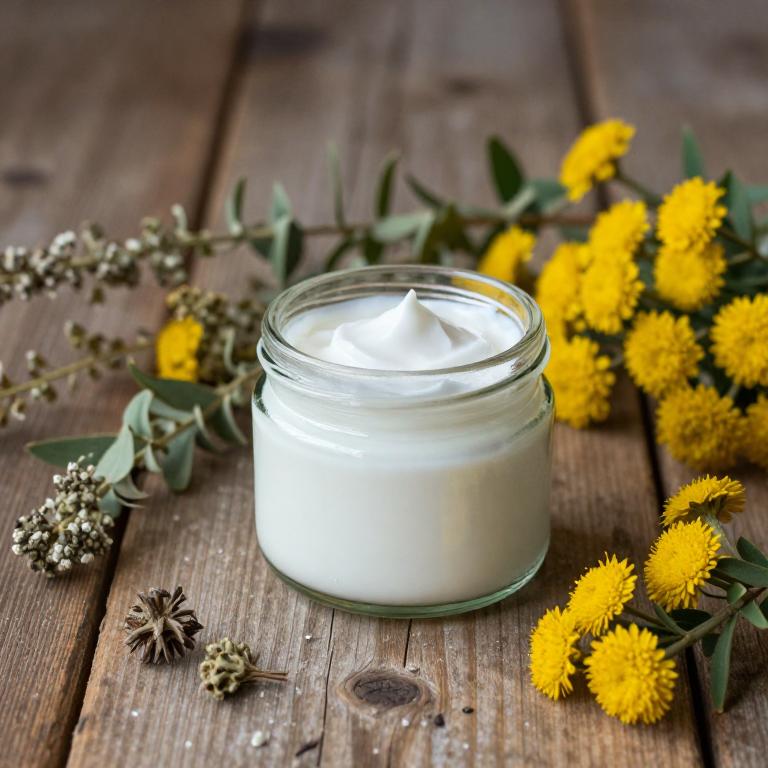
Hypericum perforatum, commonly known as St. John's wort, is a herbal plant that has been traditionally used for its therapeutic properties, including its potential to alleviate muscle pain.
When formulated into creams, hypericum perforatum can provide localized relief by reducing inflammation and soothing sore muscles. The active compounds in the plant, such as hypericin and hyperforin, are believed to contribute to its analgesic and anti-inflammatory effects. These herbal creams are often preferred by individuals seeking natural alternatives to conventional pain relievers.
However, it is important to consult a healthcare professional before use, especially if you are taking other medications, as St. John's wort can interact with certain drugs.
5. Black pepper (Piper nigrum)
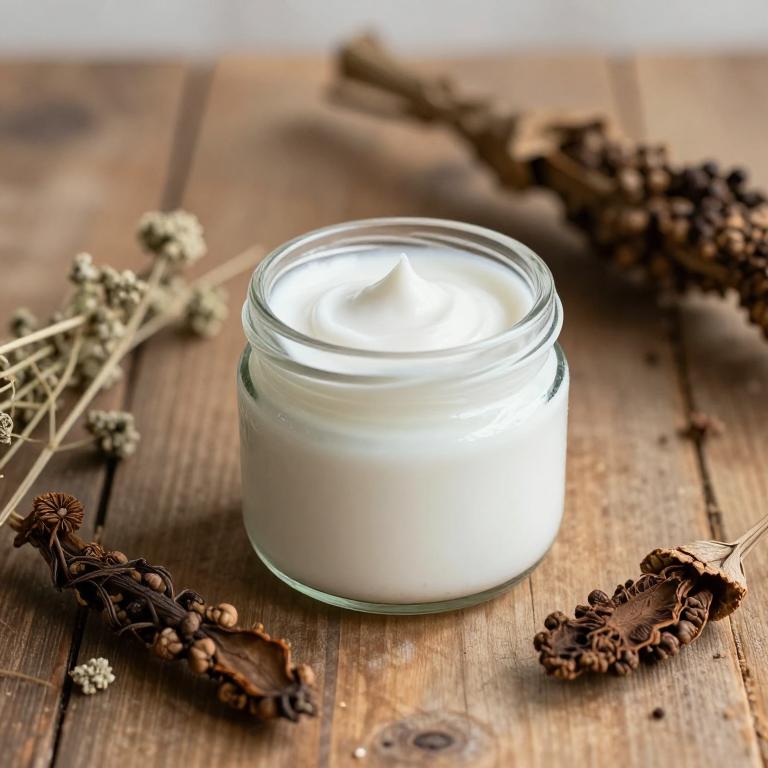
Piper nigrum, commonly known as black pepper, is often used in herbal creams for its potential anti-inflammatory and analgesic properties.
These creams typically contain a blend of black pepper extract, along with other natural ingredients like menthol, camphor, or eucalyptus oil, to enhance their effectiveness in relieving muscle pain. The active compound in black pepper, piperine, is believed to improve blood circulation and reduce inflammation, which can help alleviate discomfort from strains, sprains, or chronic muscle aches. When applied topically, these herbal creams can provide a warming sensation that soothes sore muscles and promotes relaxation.
However, individuals with sensitive skin should perform a patch test before using these products to avoid any adverse reactions.
6. Yarrow (Achillea millefolium)
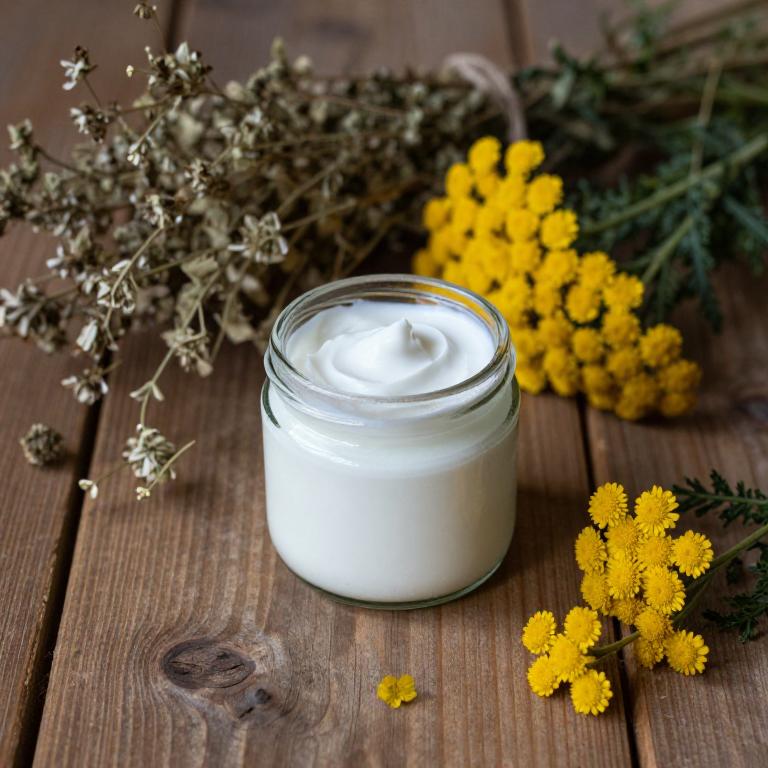
Achillea millefolium, commonly known as yarrow, is a herb that has been traditionally used for its anti-inflammatory and analgesic properties.
Herbal creams containing achillea millefolium are often formulated to provide natural relief for muscle pain and soreness. These creams typically combine the herb with other soothing ingredients like essential oils and vitamins to enhance their effectiveness. The active compounds in yarrow, such as flavonoids and volatile oils, are believed to reduce inflammation and improve circulation in the affected areas.
When applied topically, these creams can offer a gentle, non-invasive option for managing muscle pain without the side effects associated with some pharmaceutical treatments.
7. Blessed thistle (Cnicus benedictus)
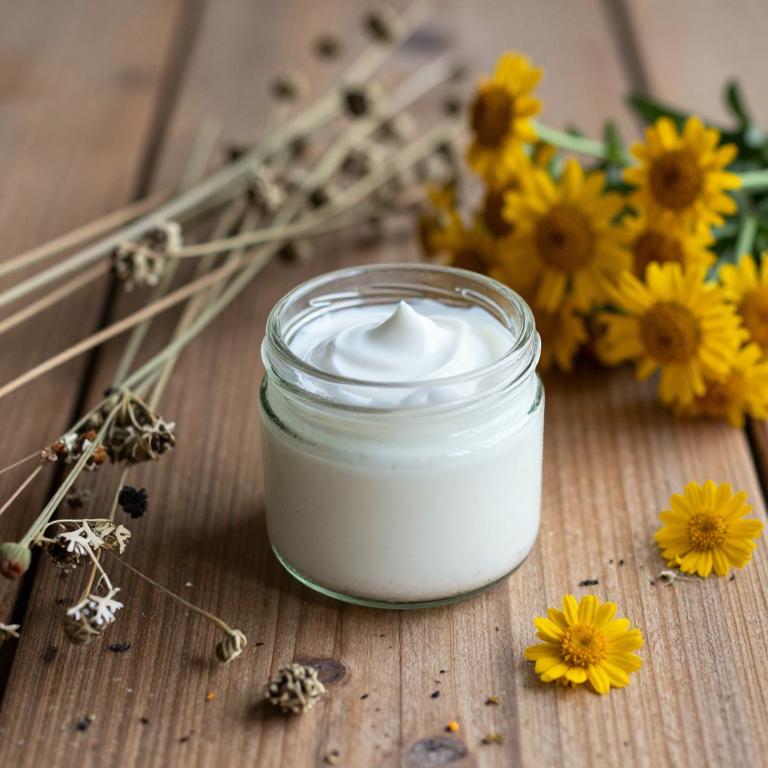
Cnicus benedictus, also known as blessed thorn, is a flowering plant that has been traditionally used in herbal medicine for its potential anti-inflammatory and pain-relieving properties.
Herbal creams containing Cnicus benedictus are often formulated to provide natural relief for muscle pain, joint discomfort, and inflammation. These creams are typically applied topically to the affected area, where the active compounds in the plant may help reduce swelling and soothe sore muscles. The use of Cnicus benedictus in muscle pain relief is supported by some traditional practices, though more scientific research is needed to fully understand its efficacy.
As a natural alternative, these creams are appealing to individuals seeking non-pharmacological options for managing chronic or acute muscle discomfort.
8. Salvia (Salvia officinalis)
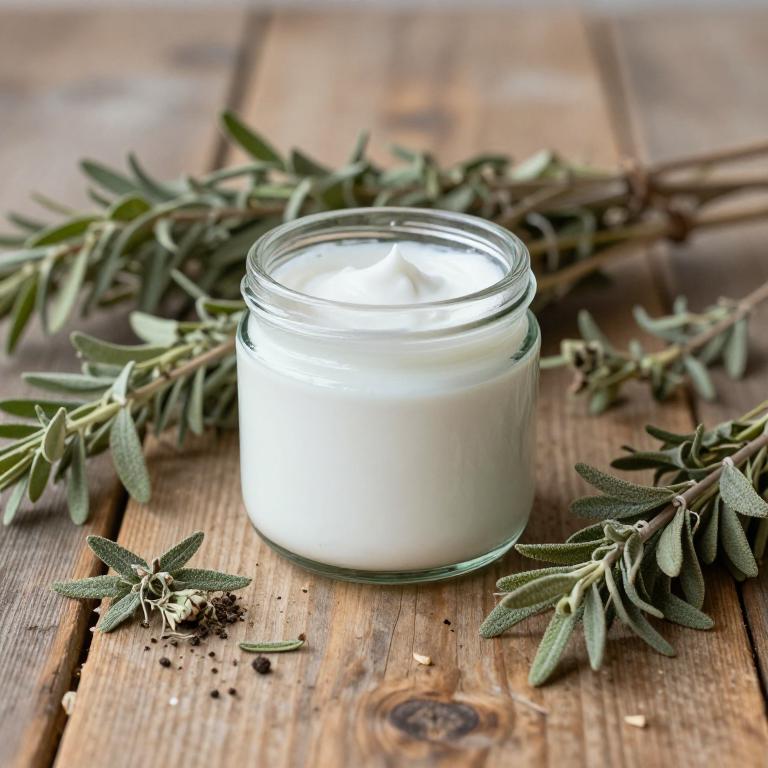
Salvia officinalis, commonly known as sage, is often incorporated into herbal creams designed to alleviate muscle pain due to its anti-inflammatory and analgesic properties.
These creams typically combine sage extract with other natural ingredients like menthol, camphor, or arnica to enhance their soothing effects on sore muscles and joints. The essential oils in sage are believed to improve circulation and reduce swelling, offering relief from conditions such as arthritis or sports-related injuries. Many users report a tingling or warming sensation that helps ease tension and discomfort in the muscles.
While generally considered safe, it is advisable to perform a patch test before applying sage-based creams to the skin to avoid any potential allergic reactions.
9. Chaste tree (Vitex agnus-castus)
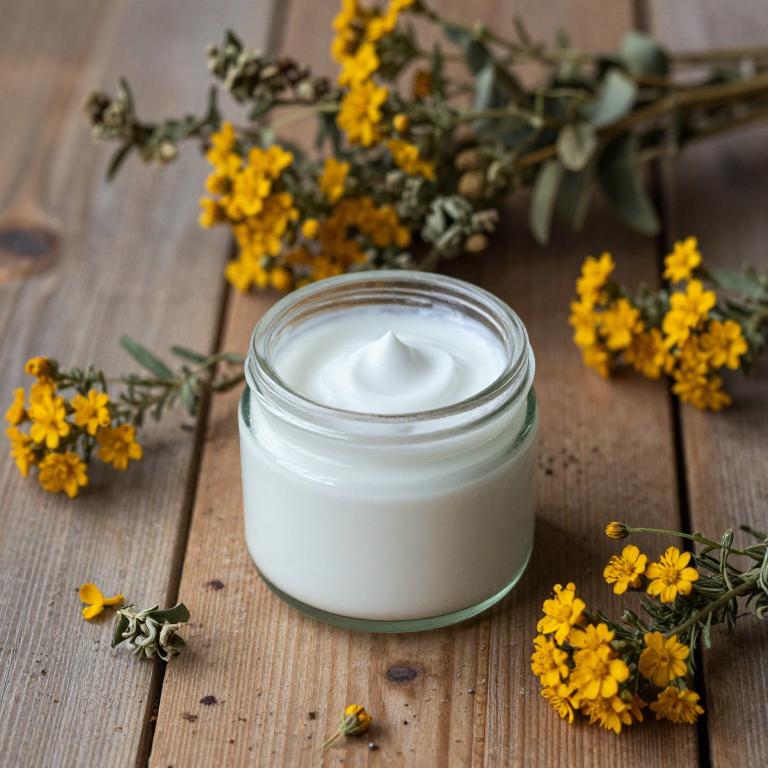
Vitex agnus-castus, also known as chasteberry, is a herbal ingredient commonly used in topical creams to alleviate muscle pain.
These creams often combine vitex with other natural compounds like essential oils and anti-inflammatory agents to enhance their effectiveness. The herb is believed to support hormonal balance, which can indirectly reduce muscle tension and discomfort. When applied topically, vitex agnus-castus creams may provide localized relief by improving circulation and reducing inflammation.
However, it is important to consult a healthcare professional before use, especially for individuals with known allergies or chronic conditions.
10. Field horsetail (Equisetum arvense)
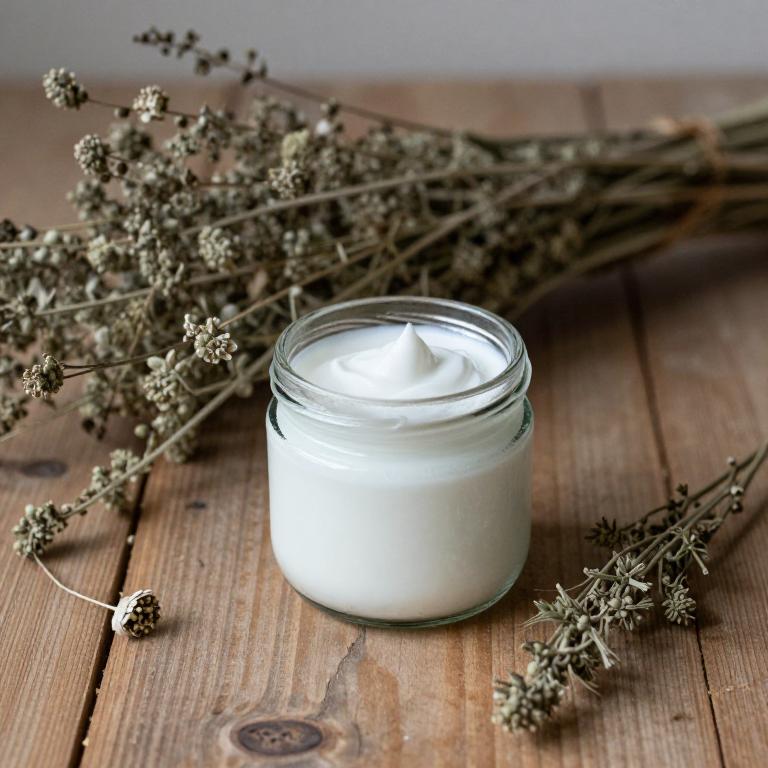
Equisetum arvense, commonly known as field horsetail, is a plant rich in silica and other minerals, making it a popular ingredient in herbal creams for muscle pain.
These creams are often formulated to provide natural relief by reducing inflammation and promoting tissue repair. The silica content in equisetum arvense is believed to strengthen connective tissues and improve the healing process of strained muscles. When applied topically, the cream can help alleviate soreness and discomfort associated with conditions like muscle strains or overuse injuries.
Many users find that equisetum-based creams offer a soothing and effective alternative to conventional pain relievers, especially for those seeking natural remedies.