10 Best Herbal Capsules For Muscle Pain
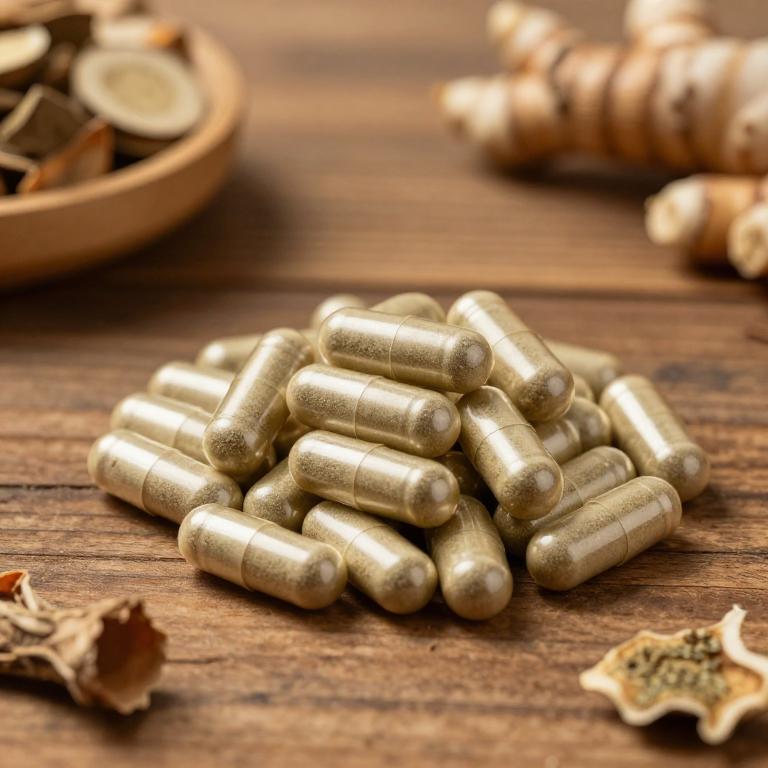
Herbal capsules for muscle pain are a popular natural remedy that combines traditional herbal medicine with modern capsule technology for convenient use.
These capsules typically contain ingredients like turmeric, ginger, willow bark, and devil’s claw, which are known for their anti-inflammatory and pain-relieving properties. They are often used to alleviate discomfort from conditions such as muscle strains, arthritis, and post-exercise soreness. Unlike synthetic painkillers, herbal capsules may offer a gentler alternative with fewer side effects, though their effectiveness can vary depending on the individual and the specific formulation.
It is important to consult a healthcare professional before using herbal capsules, especially if you are taking other medications or have underlying health conditions.
Table of Contents
- 1. Ginger (Zingiber officinale)
- 2. Chaste tree (Vitex agnus-castus)
- 3. Salvia (Salvia officinalis)
- 4. Turmeric (Curcuma longa)
- 5. Black pepper (Piper nigrum)
- 6. Blessed thistle (Cnicus benedictus)
- 7. Peppermint (Mentha piperita)
- 8. Bell pepper (Capsicum annuum)
- 9. Field horsetail (Equisetum arvense)
- 10. Hemp (Cannabis sativa)
1. Ginger (Zingiber officinale)
Zingiber officinale, commonly known as ginger, has been widely used for its anti-inflammatory and pain-relieving properties.
Herbal capsules containing zingiber officinale are a popular natural remedy for alleviating muscle pain and soreness, often used by individuals recovering from exercise or injury. The active compounds in ginger, such as gingerols and shogaols, help reduce inflammation and improve blood circulation, which can accelerate muscle recovery. These capsules are generally safe for most adults when taken as directed, though they may interact with certain medications.
They offer a convenient and effective alternative for those seeking natural relief from muscle pain without the side effects of pharmaceutical drugs.
2. Chaste tree (Vitex agnus-castus)
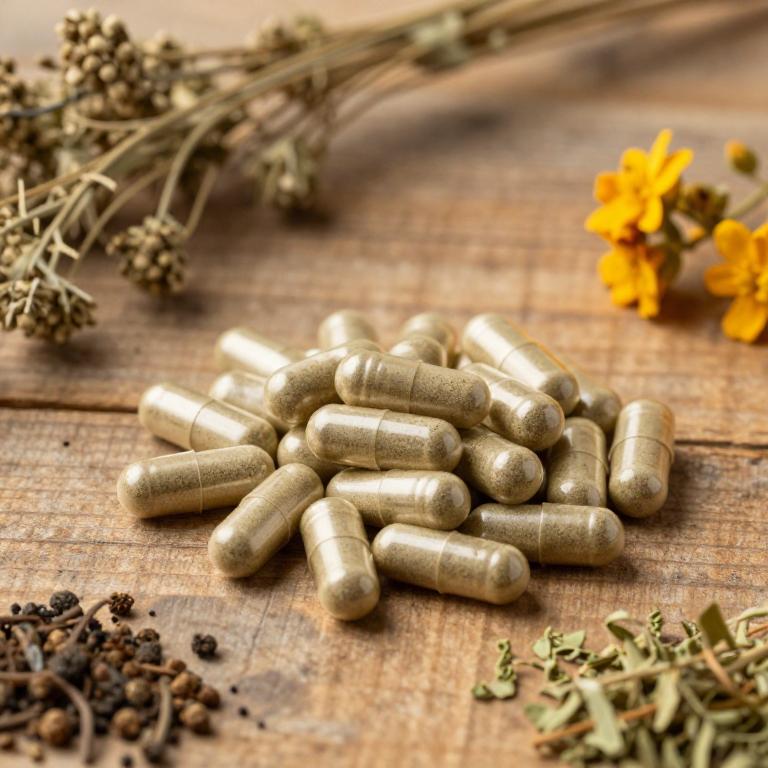
Vitex agnus-castus, commonly known as chaste tree, has been traditionally used for its potential health benefits, including support for muscle pain.
Herbal capsules containing Vitex agnus-castus are often marketed for their ability to reduce inflammation and promote muscle relaxation. While research on its direct effects on muscle pain is limited, some studies suggest it may help regulate hormonal balance, which can indirectly alleviate muscle-related discomfort. These capsules are typically taken as a dietary supplement, and their efficacy may vary depending on individual health conditions and dosage.
As with any herbal remedy, it is advisable to consult a healthcare professional before use, especially if you are on medication or have underlying medical conditions.
3. Salvia (Salvia officinalis)
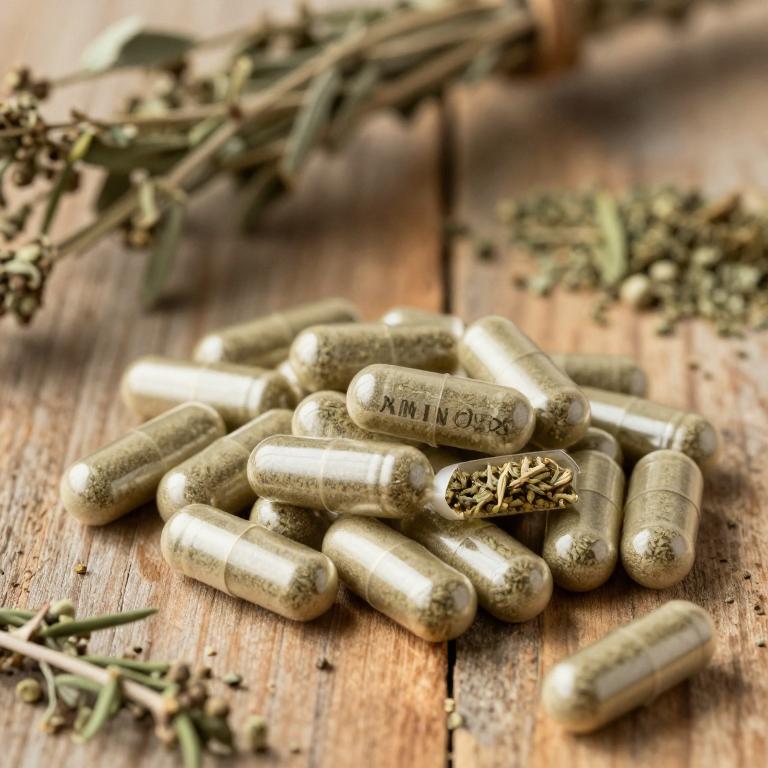
Salvia officinalis, commonly known as sage, is a traditional herbal remedy that has been used for centuries to address various health concerns, including muscle pain.
When formulated into herbal capsules, salvia officinalis may provide anti-inflammatory and analgesic benefits due to its active compounds such as rosmarinic acid and flavonoids. These properties may help reduce inflammation and soothe sore muscles, making it a potential natural alternative for those seeking relief from muscle discomfort. However, it is important to consult with a healthcare professional before using salvia officinalis capsules, especially if you have underlying health conditions or are taking other medications.
While some studies suggest possible benefits, more research is needed to fully understand its efficacy and safety for muscle pain relief.
4. Turmeric (Curcuma longa)
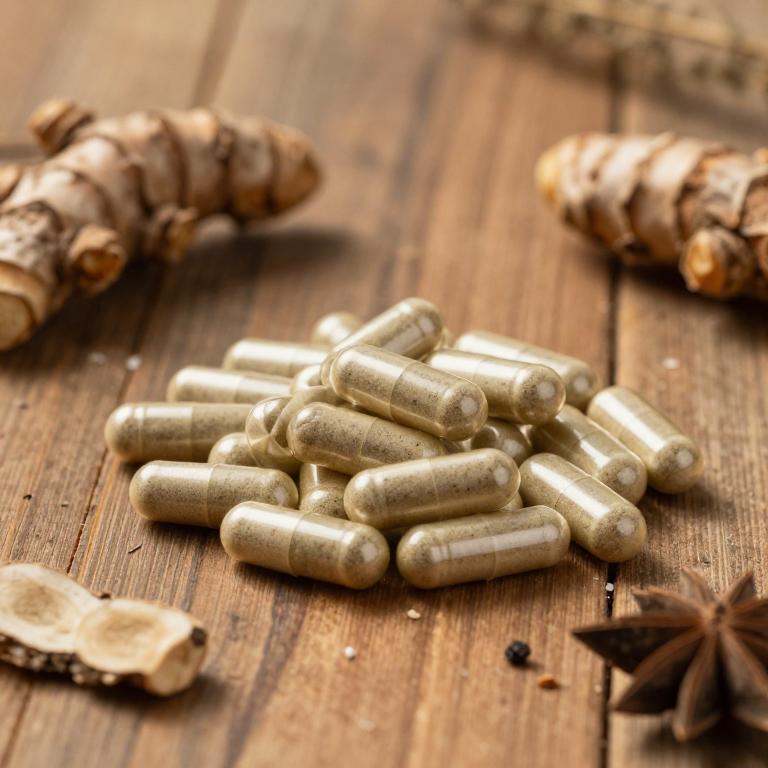
Curcuma longa, commonly known as turmeric, is a widely used herbal remedy that contains curcumin, a compound known for its anti-inflammatory and antioxidant properties.
Curcuma longa herbal capsules are often taken to help alleviate muscle pain and inflammation associated with conditions like arthritis or muscle strains. The active compound, curcumin, works by inhibiting inflammatory pathways in the body, which can reduce pain and swelling. However, curcumin has low bioavailability, so many formulations include black pepper extract (piperine) to enhance absorption.
While generally considered safe, it is important to consult a healthcare professional before starting any new supplement, especially if you are on medication or have existing health conditions.
5. Black pepper (Piper nigrum)
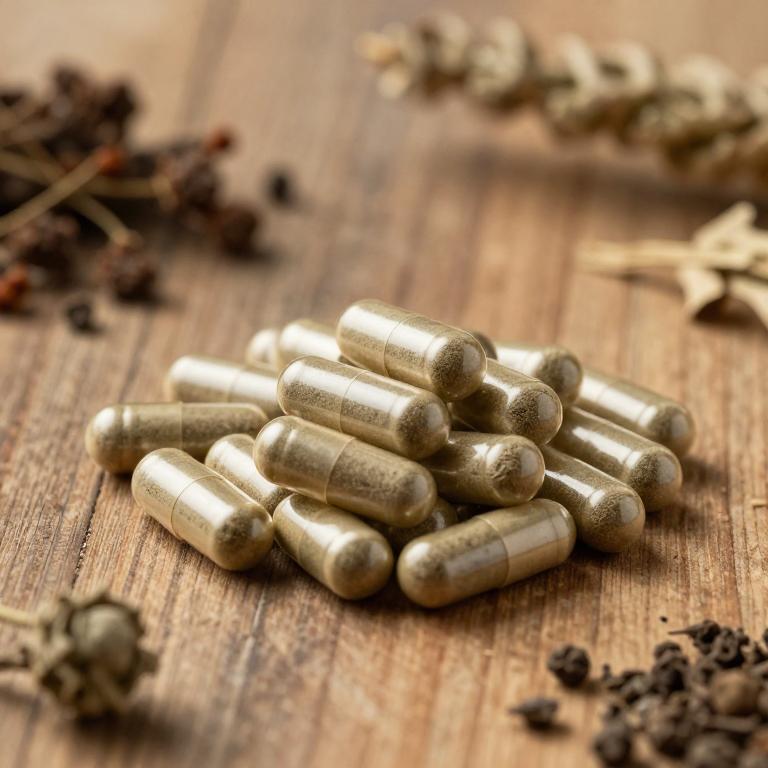
Piper nigrum, commonly known as black pepper, is traditionally used in herbal medicine for its potential anti-inflammatory and analgesic properties.
When encapsulated as herbal capsules, piper nigrum may help alleviate muscle pain by reducing inflammation and improving circulation. The active compound, piperine, is believed to enhance the absorption of other nutrients and may support the body's natural pain-relieving mechanisms. However, while some studies suggest its efficacy, more research is needed to fully understand its role in treating muscle pain.
As with any supplement, it is advisable to consult a healthcare professional before use, especially for individuals with existing health conditions or those taking other medications.
6. Blessed thistle (Cnicus benedictus)
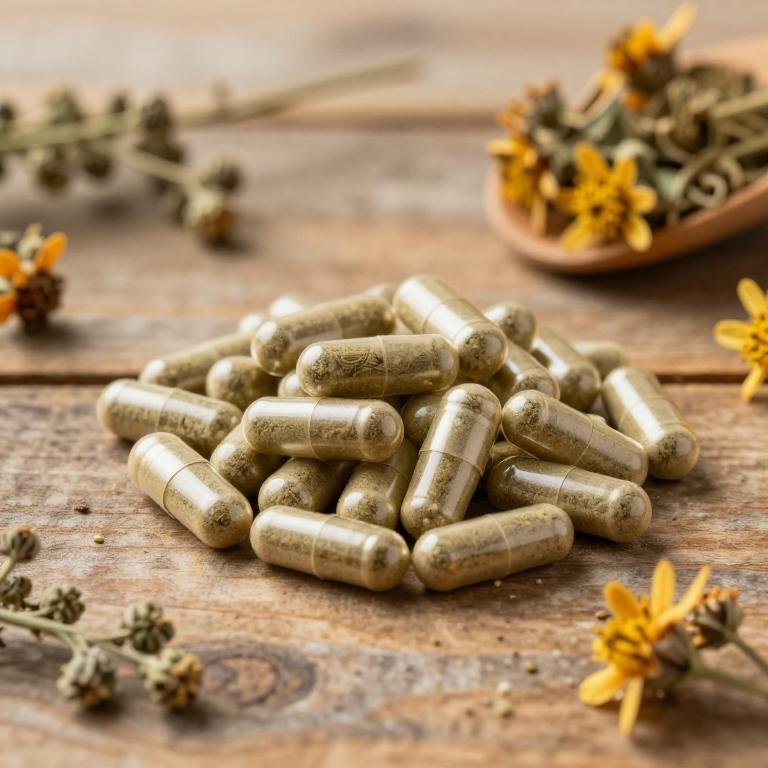
Cnicus benedictus, also known as St. Benedict’s thistle, is a traditional herbal remedy that has been used for its anti-inflammatory and analgesic properties.
Herbal capsules containing Cnicus benedictus are often formulated to support relief from muscle pain and joint discomfort by reducing inflammation and promoting tissue healing. These capsules are typically made from standardized extracts of the plant, ensuring consistent potency and efficacy. Users may experience reduced muscle soreness and improved mobility when incorporating Cnicus benedictus into their wellness routine.
As with any herbal supplement, it is advisable to consult a healthcare professional before use, especially for individuals with pre-existing medical conditions or those taking other medications.
7. Peppermint (Mentha piperita)
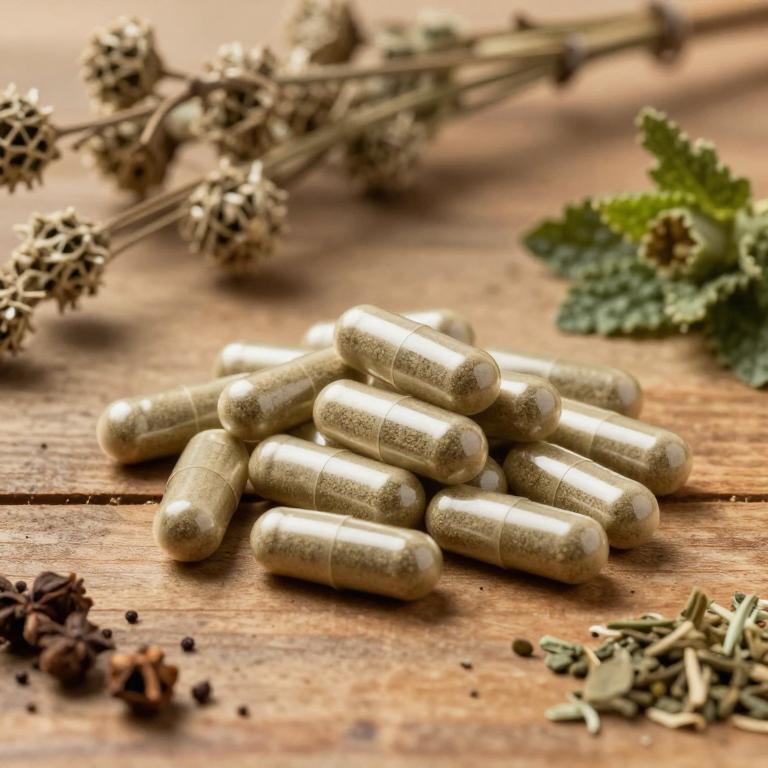
Mentha piperita, commonly known as peppermint, is often used in herbal capsules to alleviate muscle pain due to its analgesic and anti-inflammatory properties.
The active compounds in peppermint, such as menthol and menthone, help to reduce pain and discomfort by stimulating sensory receptors that block pain signals. These capsules are typically taken orally and can provide a cooling sensation that helps relax tense muscles and improve circulation. They are a natural alternative for individuals seeking relief without the side effects of conventional pain medications.
Peppermint herbal capsules are especially beneficial for conditions like muscle strain, sprains, and tension-related pains.
8. Bell pepper (Capsicum annuum)
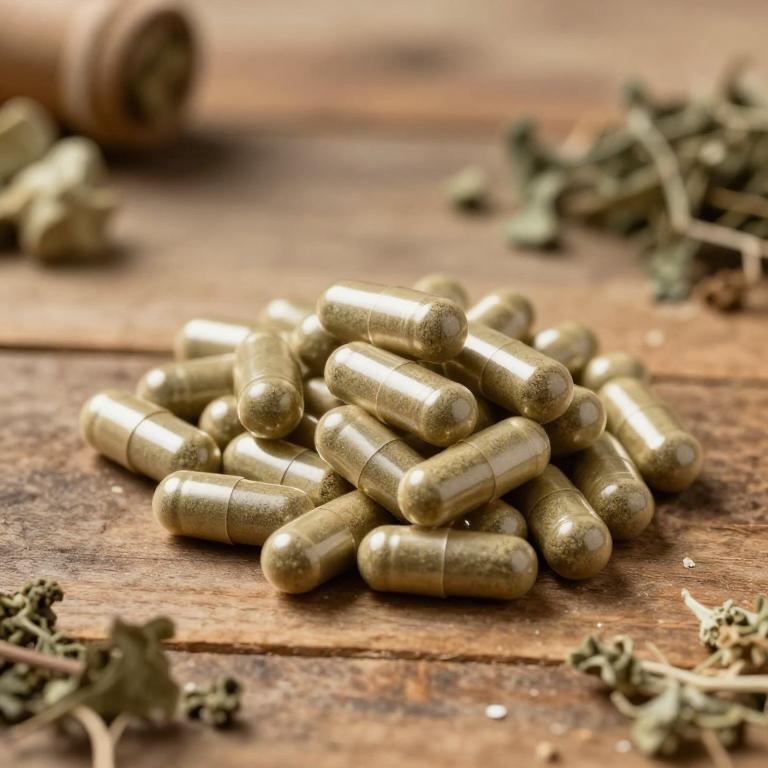
Capsicum annuum herbal capsules, derived from the chili pepper plant, are commonly used for their potential anti-inflammatory and analgesic properties.
These capsules contain capsaicin, the active compound responsible for the spicy sensation, which works by depleting substance P, a neurotransmitter involved in transmitting pain signals. Capsicum annuum is often used topically as a cream or ointment, but when taken in capsule form, it may help reduce muscle pain by improving circulation and reducing inflammation. Some studies suggest that oral capsaicin may provide relief for conditions such as arthritis and muscle soreness.
However, it is important to consult a healthcare professional before using these capsules, as they can cause gastrointestinal irritation or interact with certain medications.
9. Field horsetail (Equisetum arvense)
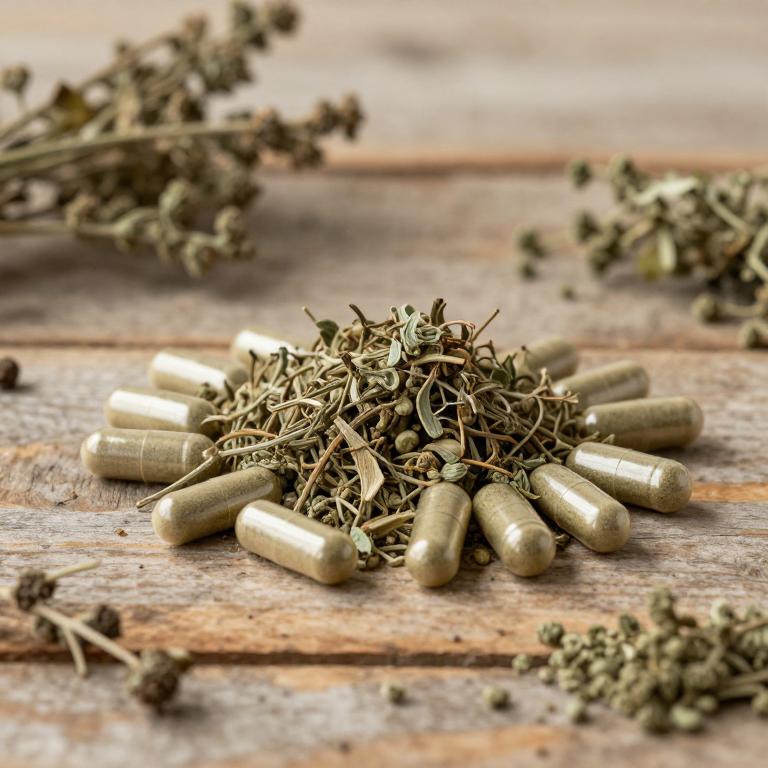
Equisetum arvense, commonly known as field horsetail, is a traditional herbal remedy that has been used for its potential anti-inflammatory and pain-relieving properties.
Herbal capsules containing Equisetum arvense are often marketed for their ability to alleviate muscle pain and support joint health due to their high concentration of silica and other bioactive compounds. The silica content in Equisetum arvense may help in reducing inflammation and promoting tissue repair, which can be beneficial for individuals suffering from muscle strains or chronic pain. However, it is important to consult with a healthcare professional before using these capsules, as they may interact with certain medications or have side effects in some individuals.
Despite its traditional use, scientific research on the efficacy of Equisetum arvense for muscle pain remains limited, and more studies are needed to fully understand its benefits and risks.
10. Hemp (Cannabis sativa)
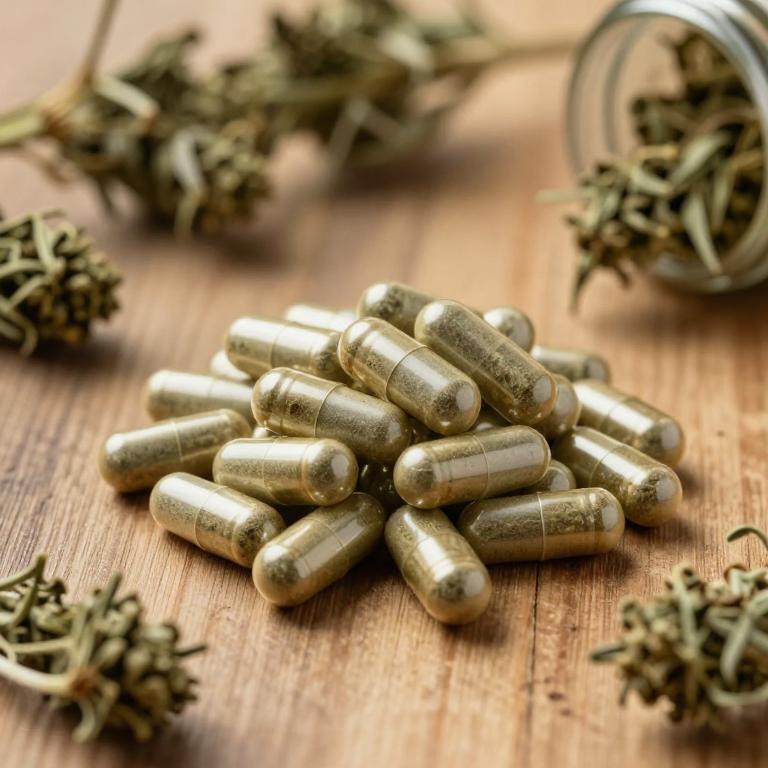
Cannabis sativa herbal capsules contain cannabinoids such as CBD and THC, which have been studied for their potential anti-inflammatory and analgesic properties.
These capsules offer a convenient and discreet method of consuming cannabis, allowing for consistent dosing and easy integration into daily routines. Research suggests that cannabis may help alleviate muscle pain by interacting with the body's endocannabinoid system, reducing inflammation and modulating pain signals. However, it is important to consult with a healthcare professional before using cannabis products, as they can have varying effects and potential interactions with other medications.
While some individuals report relief from muscle pain using cannabis sativa capsules, more clinical research is needed to fully understand their efficacy and safety profile.