10 Best Herbal Capsules For Mucus In Stomach
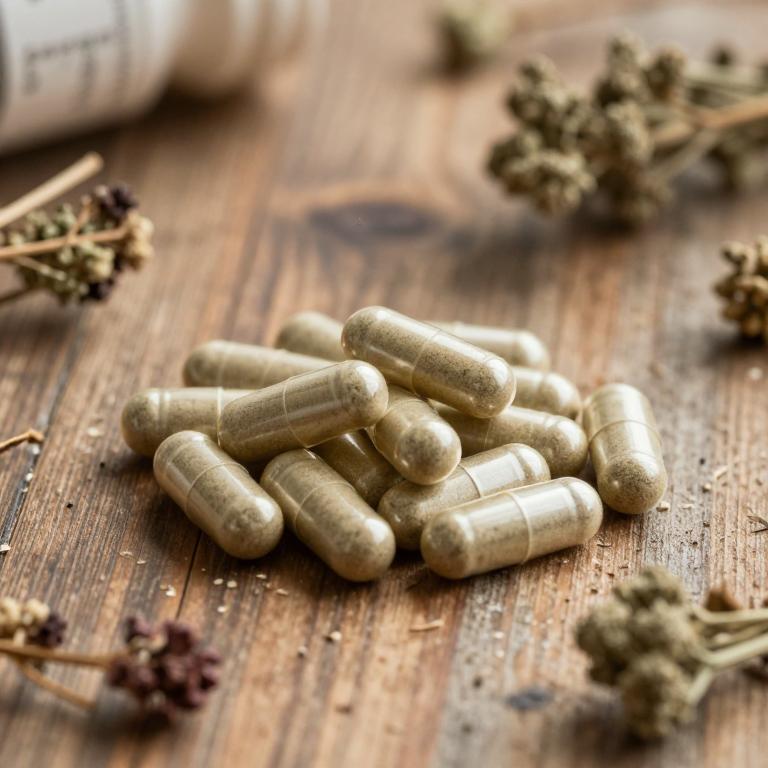
Herbal capsules for mucus in the stomach are commonly used to support digestive health by reducing excessive mucus production and soothing the gastrointestinal tract.
These capsules often contain natural ingredients such as licorice root, ginger, and turmeric, which have anti-inflammatory and mucolytic properties. They are typically taken orally and are designed to be absorbed by the body to help alleviate symptoms like indigestion and bloating. Herbal capsules are generally considered safer than some pharmaceutical alternatives, though they should still be used under the guidance of a healthcare professional.
Regular use of these supplements may help maintain a balanced digestive environment and reduce the risk of irritation caused by excess mucus.
Table of Contents
- 1. Thistle (Silybum marianum)
- 2. Ginger (Zingiber officinale)
- 3. Licorice (Glycyrrhiza glabra)
- 4. Turmeric (Curcuma longa)
- 5. Cumin (Cuminum cyminum)
- 6. Black pepper (Piper nigrum)
- 7. Peppermint (Mentha piperita)
- 8. Echinacea (Echinacea purpurea)
- 9. Stinging nettle (Urtica dioica)
- 10. Fennel (Foeniculum vulgare)
1. Thistle (Silybum marianum)
Silybum marianum, commonly known as milk thistle, is a herbal supplement often used for its potential liver-protecting properties.
While primarily studied for its effects on liver health, some research suggests that silybum marianum may also support digestive health by reducing inflammation and promoting the healing of stomach lining. Herbal capsules containing silybum marianum are sometimes used to alleviate symptoms associated with excess mucus production in the stomach, such as indigestion or discomfort. However, it is important to note that more clinical studies are needed to fully understand its efficacy for this specific use.
As with any supplement, it is advisable to consult a healthcare professional before use, especially if you have existing medical conditions or are taking other medications.
2. Ginger (Zingiber officinale)
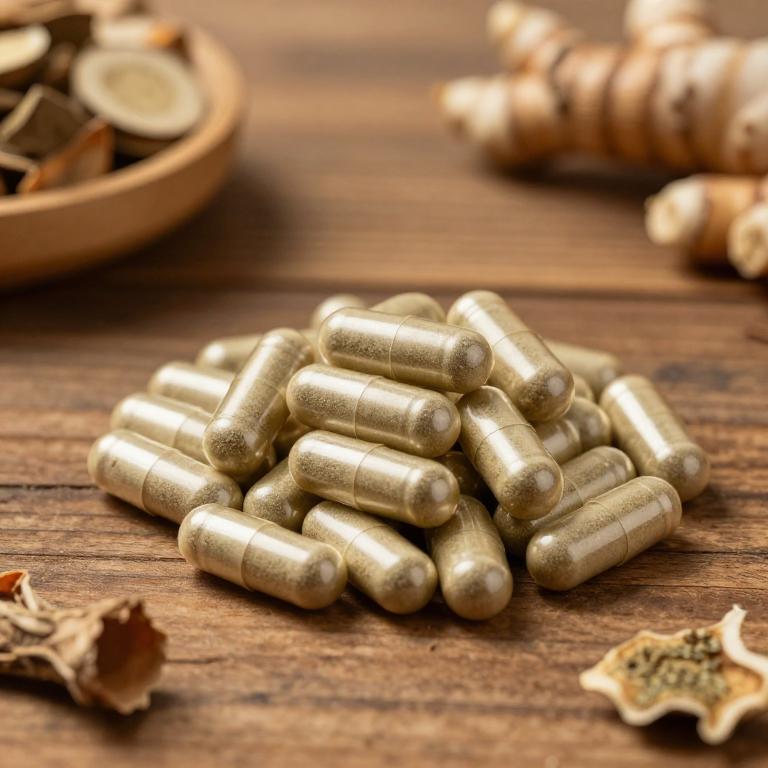
Zingiber officinale, commonly known as ginger, has been widely used for its medicinal properties, including its ability to alleviate mucus-related issues in the stomach.
Ginger herbal capsules are often formulated to support digestive health by reducing excess mucus production and soothing the gastric lining. These capsules are typically made from dried and powdered ginger root, which contains bioactive compounds like gingerol and shogaol that have anti-inflammatory and antioxidant effects. They are generally considered safe for most adults when taken in recommended doses, though they may interact with certain medications.
Ginger capsules are a natural remedy that can help manage symptoms of indigestion, nausea, and stomach discomfort associated with mucus buildup.
3. Licorice (Glycyrrhiza glabra)
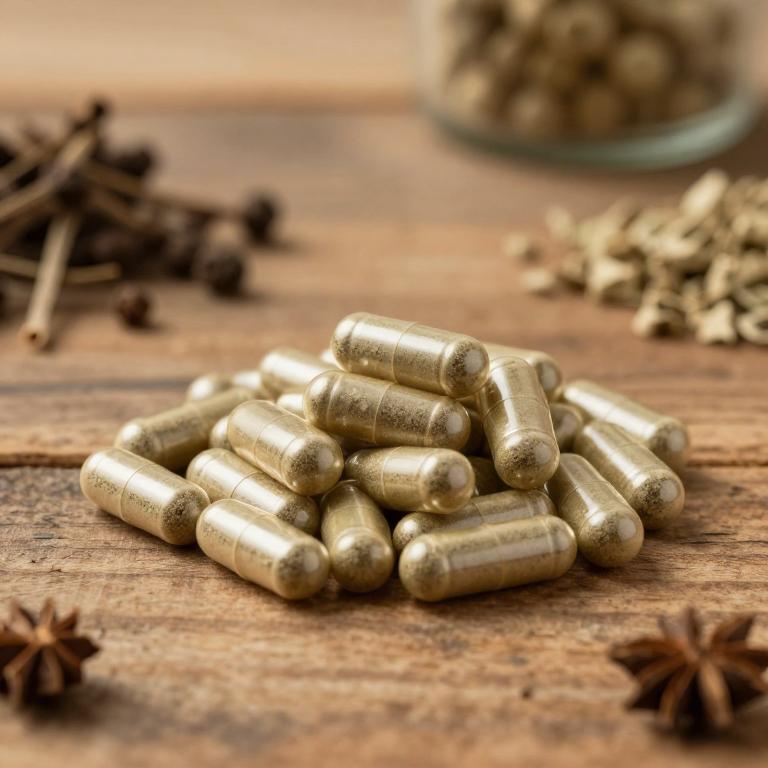
Glycyrrhiza glabra, commonly known as licorice root, is a traditional herbal remedy often used in the form of capsules to support digestive health.
It is believed to help reduce excess mucus in the stomach, which can alleviate symptoms such as indigestion and heartburn. The active compounds in licorice root, such as glycyrrhizin, may have anti-inflammatory and soothing effects on the gastrointestinal tract. However, long-term use of licorice root capsules can lead to side effects like increased blood pressure due to its mineralocorticoid-like properties.
It is advisable to consult a healthcare professional before using licorice root capsules, especially for individuals with pre-existing health conditions.
4. Turmeric (Curcuma longa)
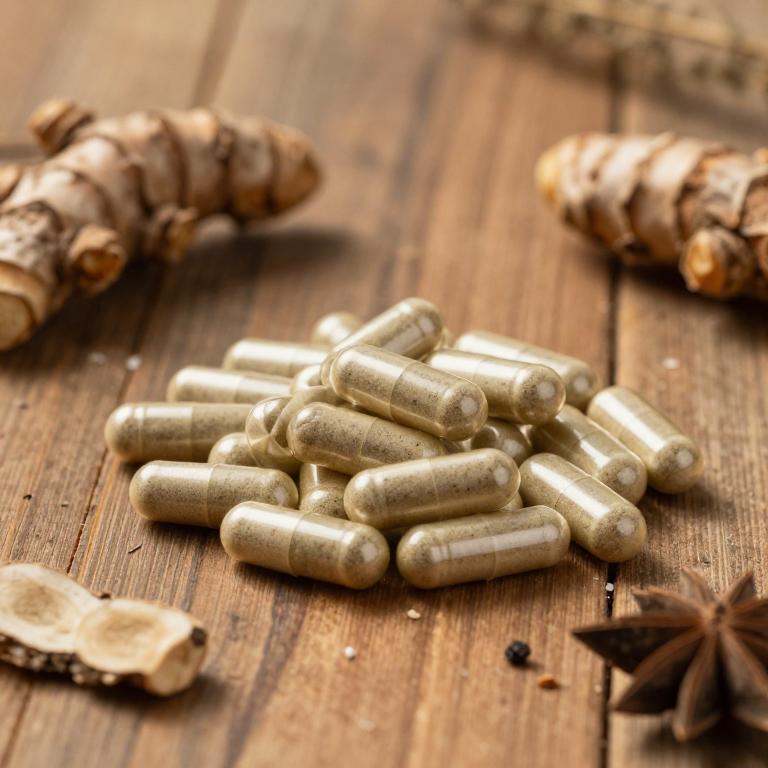
Curcuma longa, commonly known as turmeric, contains curcumin, a bioactive compound that has been studied for its anti-inflammatory and antioxidant properties.
Herbal capsules made from Curcuma longa are often used to support digestive health and may help reduce excess mucus production in the stomach by calming inflammatory responses. These capsules can be a natural alternative to conventional medications for individuals seeking gentle relief from gastrointestinal discomfort. However, it is important to consult a healthcare provider before using them, especially if you have underlying health conditions or are taking other medications.
Proper formulation with black pepper extract (piperine) can enhance the absorption of curcumin for better efficacy.
5. Cumin (Cuminum cyminum)
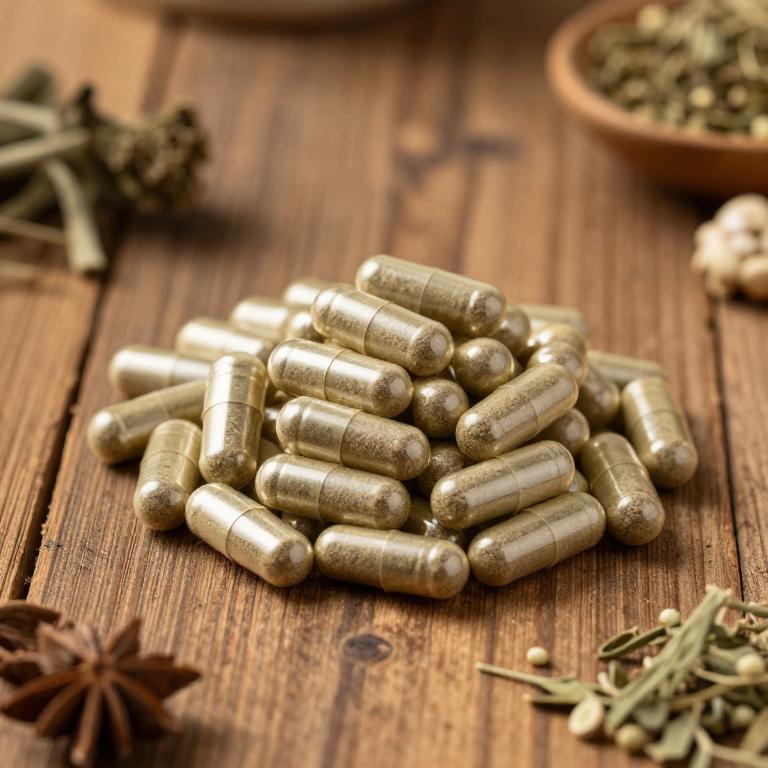
Cuminum cyminum, commonly known as cumin, is a spice and herb that has been traditionally used for its digestive and therapeutic properties.
Cumin herbal capsules are often used to support digestion and alleviate symptoms related to excess mucus in the stomach. These capsules contain standardized extracts of cumin seeds, which are rich in essential oils and bioactive compounds that may help reduce mucus production and soothe gastrointestinal discomfort. The anti-inflammatory and carminative properties of cumin may aid in improving stomach function and reducing bloating.
However, it is important to consult a healthcare professional before using cumin capsules, especially for individuals with existing medical conditions or those taking medications.
6. Black pepper (Piper nigrum)
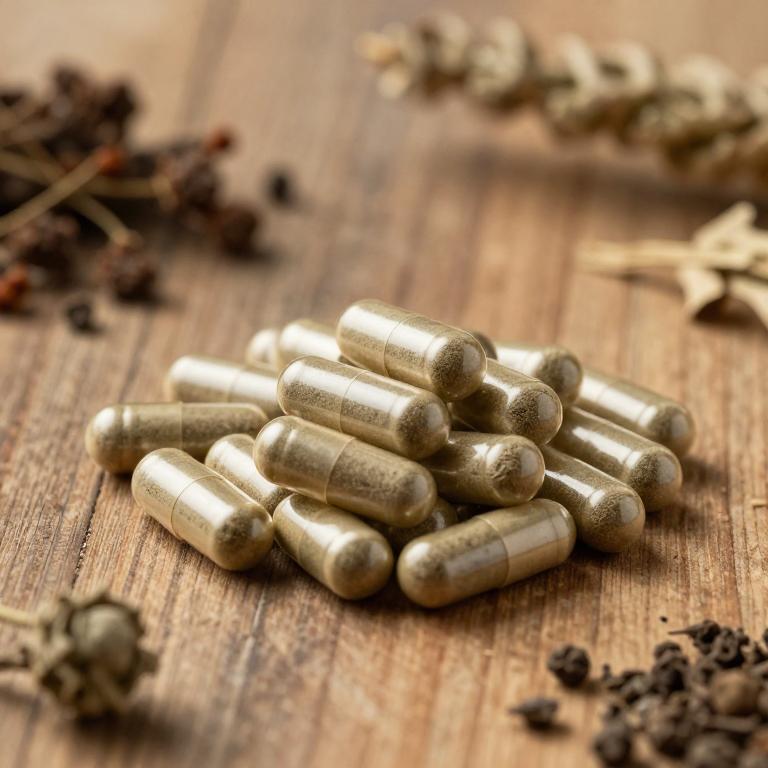
Piper nigrum, commonly known as black pepper, has been traditionally used in herbal medicine for its potential benefits in reducing mucus production in the stomach.
The active compound in black pepper, piperine, is believed to have anti-inflammatory and digestive properties that may help soothe the stomach lining and reduce excess mucus. Piper nigrum herbal capsules are often used as a natural remedy to alleviate symptoms of indigestion, gastritis, and other gastrointestinal discomforts associated with mucus buildup. These capsules are typically made from standardized extracts of black pepper to ensure consistent potency and effectiveness.
However, it is important to consult a healthcare professional before using piper nigrum capsules, especially if you have a pre-existing medical condition or are taking other medications.
7. Peppermint (Mentha piperita)
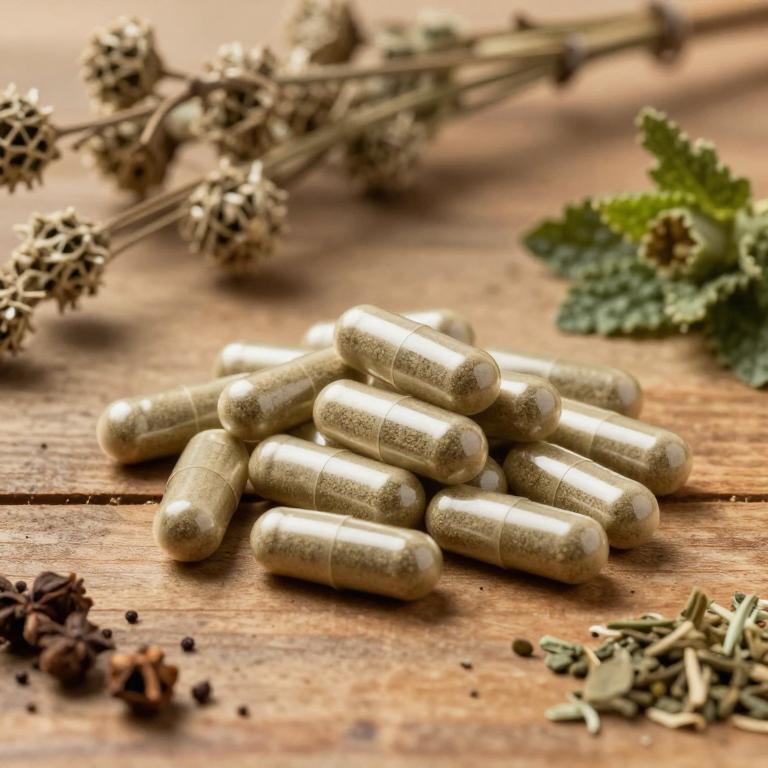
Mentha piperita, commonly known as peppermint, is often used in herbal capsules to help alleviate symptoms related to excess mucus in the stomach.
These capsules contain concentrated extracts of the peppermint plant, which is known for its calming and anti-inflammatory properties. Peppermint can help reduce the production of stomach mucus and soothe the lining of the digestive tract, making it beneficial for individuals with conditions like gastritis or acid reflux. The essential oil of peppermint is believed to have a mild antispasmodic effect, which can ease discomfort associated with gastrointestinal issues.
When taken as directed, mentha piperita herbal capsules may offer a natural and gentle alternative for managing mucus-related stomach discomfort.
8. Echinacea (Echinacea purpurea)
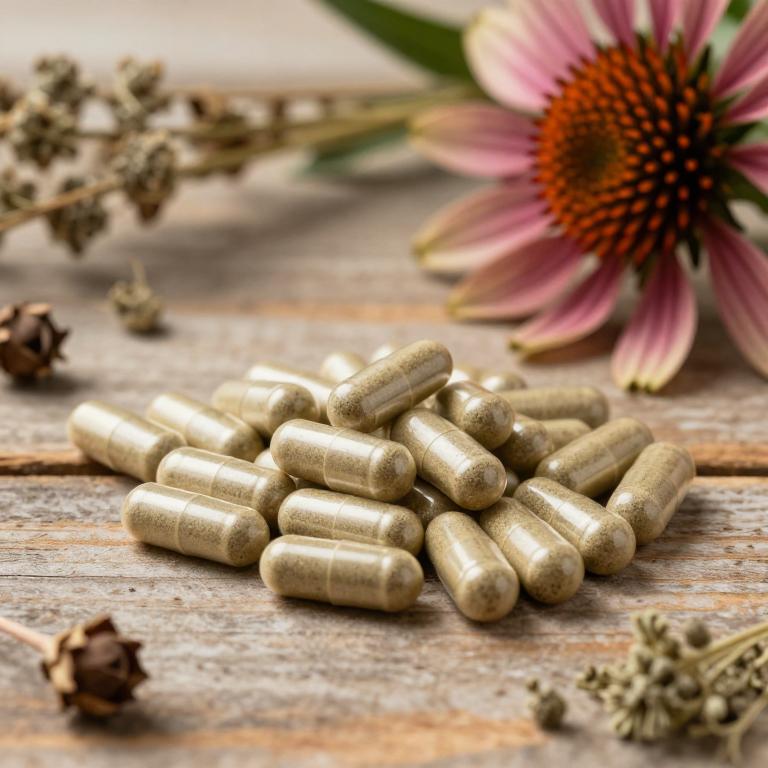
Echinacea purpurea, commonly known as purple coneflower, is a popular herbal remedy often used to support immune function and reduce inflammation.
While it is more widely recognized for its benefits in respiratory health, some individuals use echinacea purpurea herbal capsules to address mucus-related issues in the stomach. The herb is believed to possess anti-inflammatory and mucolytic properties that may help in reducing excess mucus production and promoting digestive comfort. However, it is important to note that scientific evidence supporting its efficacy for stomach mucus is limited, and its use should be discussed with a healthcare provider, especially for those with existing gastrointestinal conditions.
As with any herbal supplement, echinacea purpurea may interact with medications or cause allergic reactions in some individuals.
9. Stinging nettle (Urtica dioica)
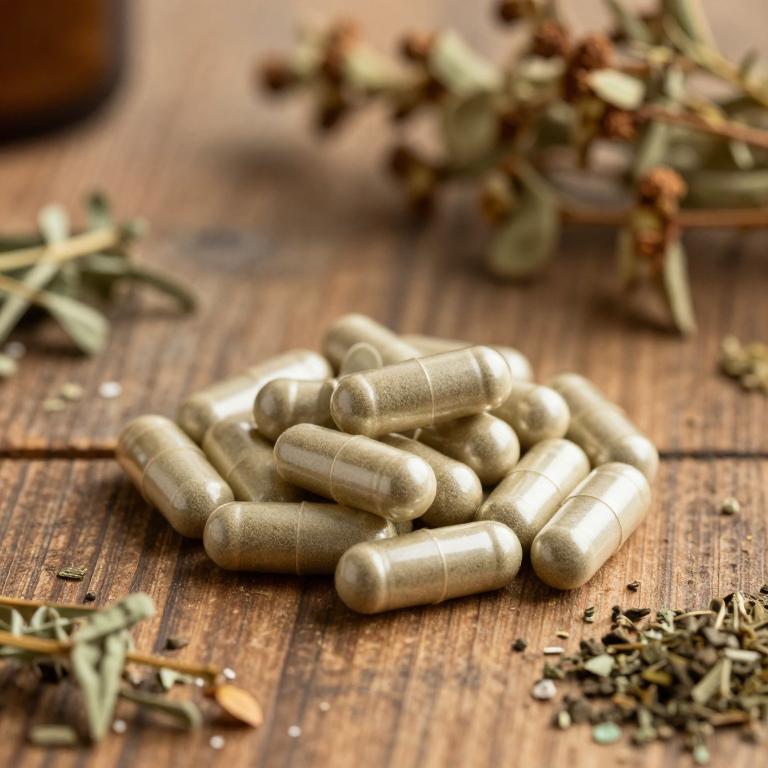
Urtica dioica, commonly known as stinging nettle, is a herbal remedy that has been used traditionally for its potential health benefits, including its effects on mucus production in the stomach.
Urtica dioica herbal capsules are often formulated to support digestive health by reducing excess mucus that may accumulate in the stomach lining, which can contribute to discomfort or inflammation. The plant contains compounds such as silica and antioxidants that may help to soothe and protect the gastrointestinal tract. These capsules are typically taken orally as a dietary supplement, and they are often recommended for individuals experiencing symptoms related to excess stomach mucus.
However, it is important to consult with a healthcare provider before starting any herbal supplement to ensure it is safe and appropriate for individual health needs.
10. Fennel (Foeniculum vulgare)
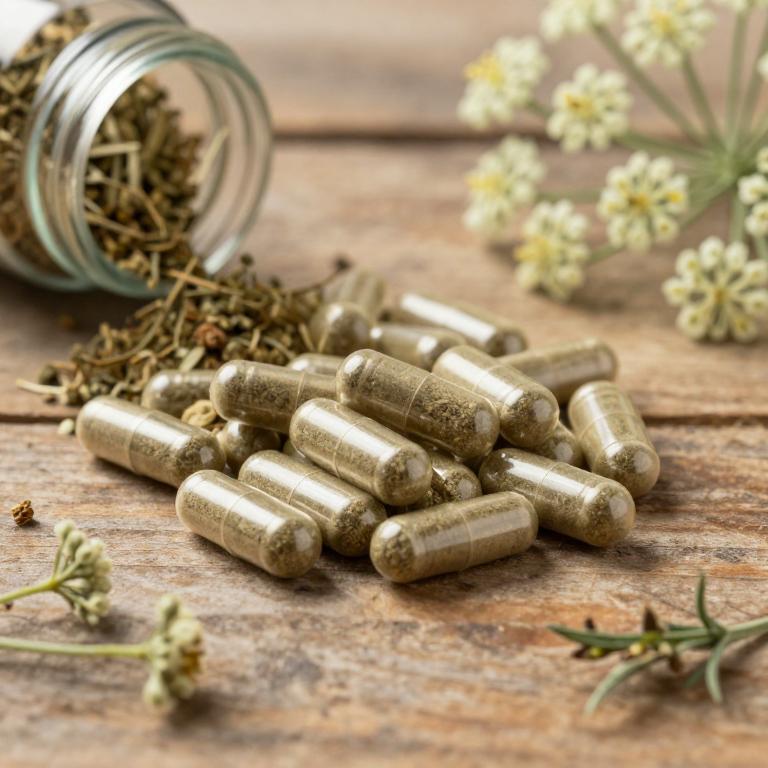
Foeniculum vulgare, commonly known as fennel, is a herbal remedy often used in the form of capsules to help manage mucus-related issues in the stomach.
The active compounds in fennel, such as anethol and fenchone, possess anti-inflammatory and mucolytic properties that may help reduce excess mucus production and soothe irritated stomach lining. These capsules are typically taken orally, and they are believed to support digestive health by promoting the expulsion of mucus and reducing gastrointestinal discomfort. Fennel is also known for its carminative effects, which can aid in relieving bloating and gas associated with mucus buildup.
However, it is important to consult a healthcare provider before using fennel capsules, especially for individuals with known allergies or those taking other medications.