10 Best Herbal Creams For Mouth Ulcers
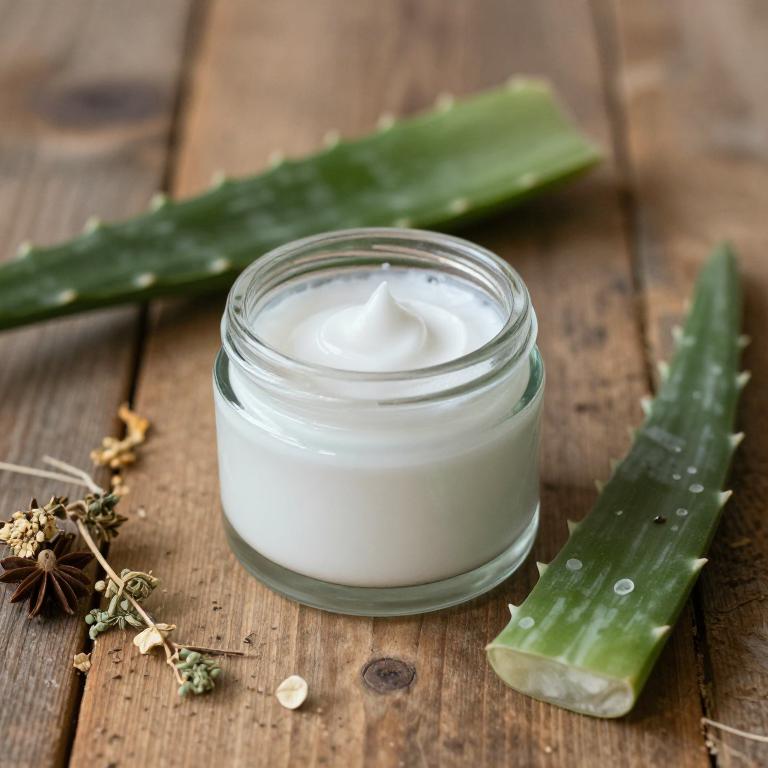
Herbal creams for mouth ulcers are natural remedies that often contain ingredients like aloe vera, chamomile, and calendula, which are known for their soothing and anti-inflammatory properties.
These creams can help reduce pain, promote healing, and prevent infection by creating a protective barrier over the ulcer. They are generally safe for use, especially for those who prefer to avoid synthetic medications or have sensitive oral tissues. Many herbal creams are easy to apply and can be used multiple times a day for optimal results.
However, it is important to consult with a healthcare professional to ensure they are suitable for individual health conditions and to rule out any potential allergies or interactions.
Table of Contents
- 1. Aloe vera (Aloe barbadensis)
- 2. Marigold (Calendula officinalis)
- 3. Ginger (Zingiber officinale)
- 4. St. john's wort (Hypericum perforatum)
- 5. Dog rose (Rosa canina)
- 6. Echinacea (Echinacea purpurea)
- 7. Stinging nettle (Urtica dioica)
- 8. Salvia (Salvia officinalis)
- 9. Peppermint (Mentha piperita)
- 10. Chaste tree (Vitex agnus-castus)
1. Aloe vera (Aloe barbadensis)
Aloe barbadensis, commonly known as aloe vera, is often used in herbal creams for the treatment of mouth ulcers due to its soothing and anti-inflammatory properties.
These creams typically contain a concentrated form of aloe vera gel, which helps to reduce pain and promote the healing of oral sores. The natural compounds in aloe vera, such as polysaccharides and enzymes, may help to moisturize the affected area and prevent infection. When applied directly to the ulcer, the cream can provide a protective barrier that accelerates the healing process.
Many people find aloe-based creams to be a gentle and effective alternative to conventional oral medications for managing mouth ulcers.
2. Marigold (Calendula officinalis)
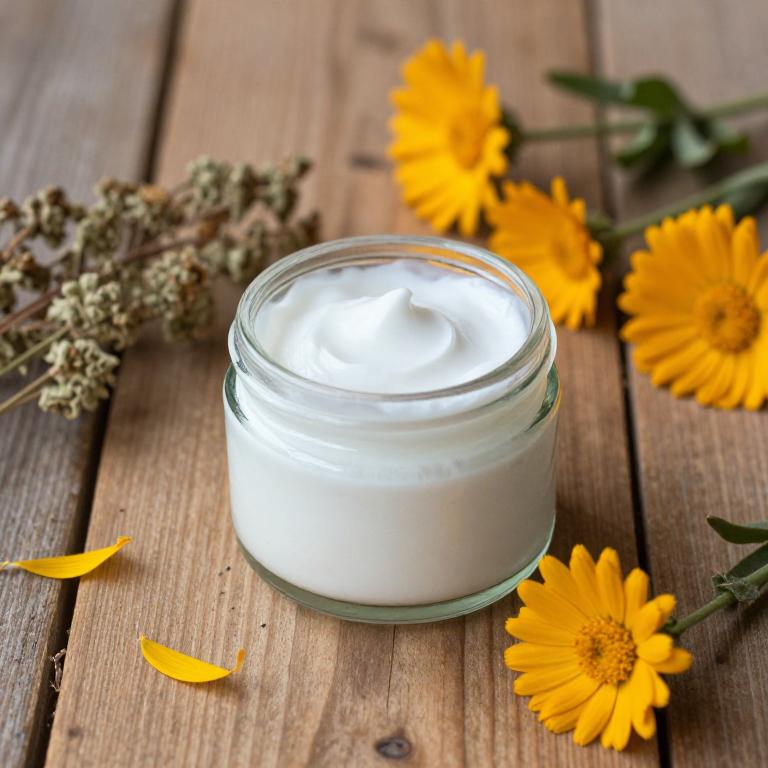
Calendula officinalis, commonly known as pot marigold, is widely used in herbal creams for the treatment of mouth ulcers due to its anti-inflammatory and antimicrobial properties.
These creams often contain calendula extract, which helps to reduce pain, swelling, and promote the healing of oral sores. The soothing effect of calendula can provide relief from the discomfort associated with mouth ulcers, making it a popular natural remedy. When applied topically, calendula cream forms a protective barrier over the ulcer, preventing further irritation and infection.
However, it is important to consult a healthcare professional before using calendula products, especially if the ulcers are persistent or severe.
3. Ginger (Zingiber officinale)
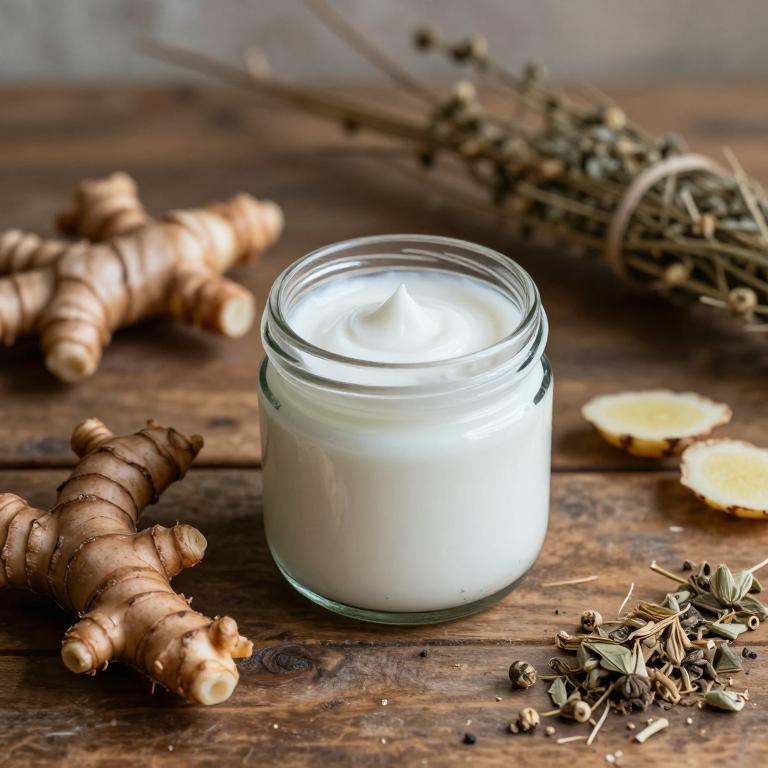
Zingiber officinale, commonly known as ginger, has been traditionally used for its anti-inflammatory and analgesic properties, making it a popular ingredient in herbal creams for treating mouth ulcers.
These creams often contain ginger extract, which helps reduce pain and promote faster healing of oral sores. The active compounds in ginger, such as gingerols and shogaols, work by decreasing inflammation and inhibiting the growth of harmful bacteria in the mouth. When applied topically, ginger-based creams can provide soothing relief and create a protective barrier over the ulcer.
However, it is important to consult a healthcare professional before using any herbal remedies, especially if the ulcers persist or show signs of infection.
4. St. john's wort (Hypericum perforatum)
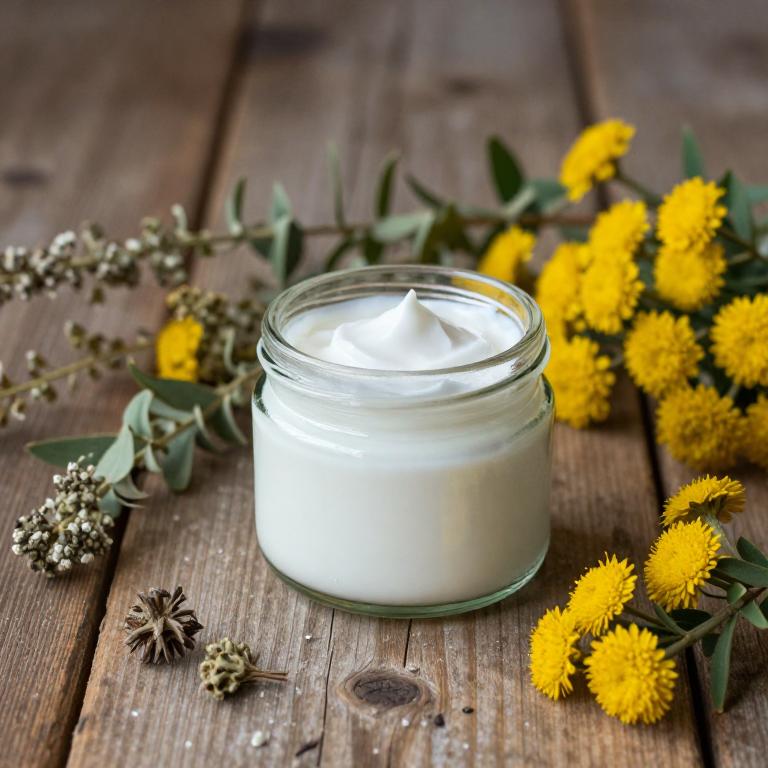
Hypericum perforatum, commonly known as St. John's Wort, is often used in herbal creams to alleviate symptoms of mouth ulcers due to its anti-inflammatory and antimicrobial properties.
These creams typically contain extracts from the plant's flowers, which are believed to promote healing and reduce pain in oral ulcers. The application of hypericum perforatum cream can provide a soothing effect, helping to ease discomfort and accelerate the healing process. However, it is important to consult a healthcare professional before using these creams, especially if there are underlying health conditions or if other medications are being taken.
While some studies suggest potential benefits, more research is needed to fully understand its efficacy and safety for treating mouth ulcers.
5. Dog rose (Rosa canina)
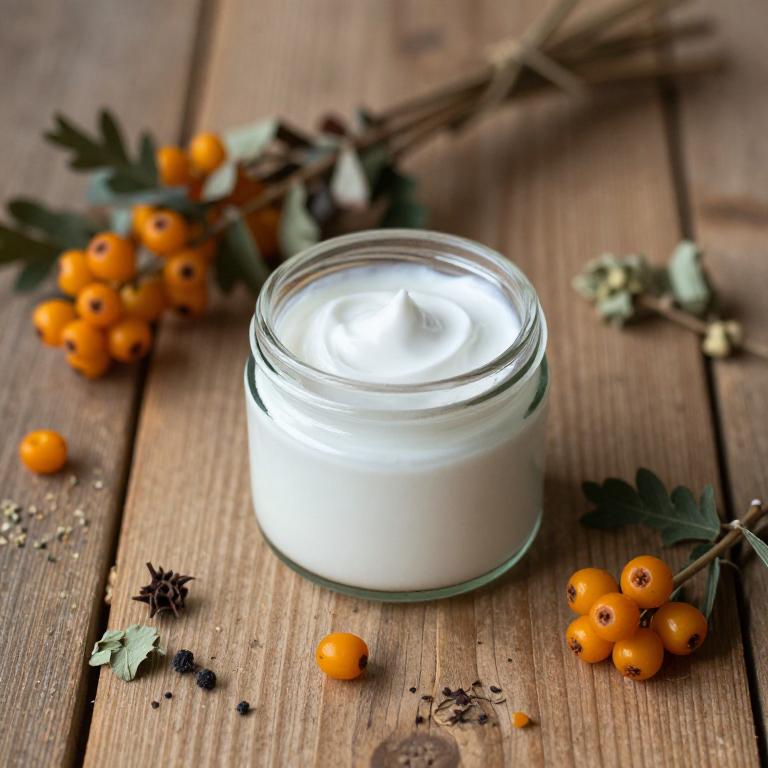
Rosa canina, also known as dog rose, is a traditional herbal remedy that has been used for centuries to support oral health.
Rosa canina herbal creams for mouth ulcers are formulated with the fruit of the Rosa canina plant, which is rich in antioxidants, vitamins, and anti-inflammatory compounds. These creams are often applied topically to soothe and protect the delicate tissues in the mouth, helping to reduce pain and promote healing. They are particularly beneficial for individuals suffering from recurrent or persistent mouth ulcers due to their natural, soothing properties.
While generally safe, it is advisable to consult a healthcare professional before using any herbal remedy, especially if you have known allergies or are taking other medications.
6. Echinacea (Echinacea purpurea)
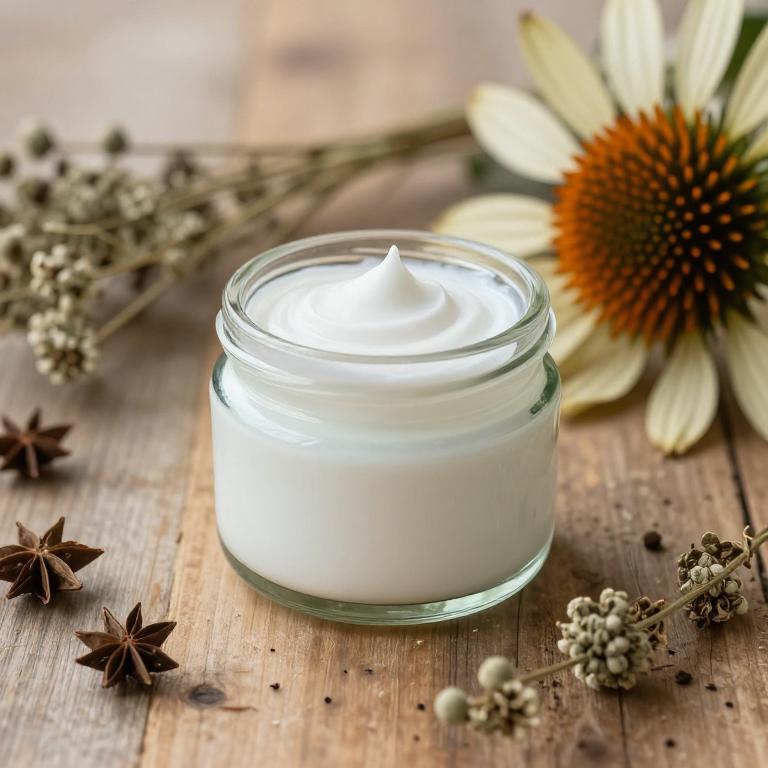
Echinacea purpurea, commonly known as purple coneflower, is a popular herbal remedy that has been traditionally used to support immune function and reduce inflammation.
When incorporated into topical creams, echinacea purpurea may help alleviate the discomfort of mouth ulcers by promoting tissue healing and reducing irritation. These creams often contain a combination of echinacea extract and other soothing ingredients like aloe vera or chamomile, which can enhance their effectiveness. Some studies suggest that the anti-inflammatory and antimicrobial properties of echinacea may aid in the recovery process of oral ulcers.
However, while generally safe for most people, individuals with allergies to plants in the daisy family should exercise caution when using echinacea-based products.
7. Stinging nettle (Urtica dioica)
Urtica dioica, commonly known as stinging nettle, is a plant that has been traditionally used for its anti-inflammatory and healing properties.
Herbal creams containing Urtica dioica are often recommended for treating mouth ulcers due to their soothing and regenerative effects. These creams can help reduce pain, inflammation, and the duration of ulcers by promoting tissue repair. The active compounds in stinging nettle, such as flavonoids and antioxidants, contribute to its effectiveness in oral care.
However, it is important to consult a healthcare professional before using these products, especially if you have allergies or other underlying health conditions.
8. Salvia (Salvia officinalis)
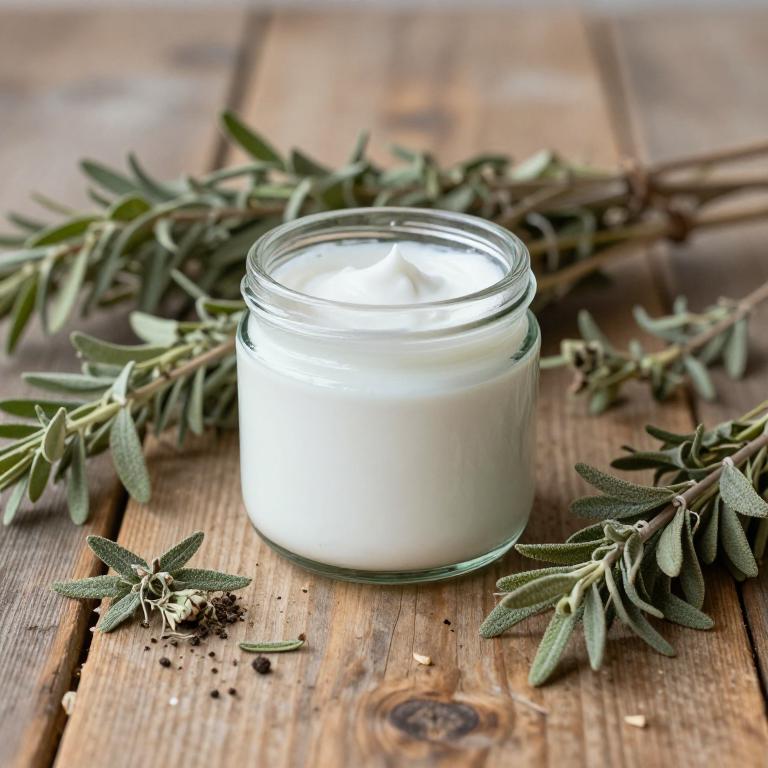
Salvia officinalis, commonly known as sage, has been traditionally used for its healing properties, and herbal creams containing sage are increasingly being used to treat mouth ulcers.
These creams often combine sage extract with other soothing ingredients like aloe vera or chamomile to enhance their effectiveness. The anti-inflammatory and antimicrobial properties of sage help to reduce pain, swelling, and infection risk in ulcers. When applied topically, these creams can promote faster healing and provide a protective barrier over the affected area.
However, it is important to consult a healthcare professional before using any herbal remedy, especially for persistent or severe mouth ulcers.
9. Peppermint (Mentha piperita)
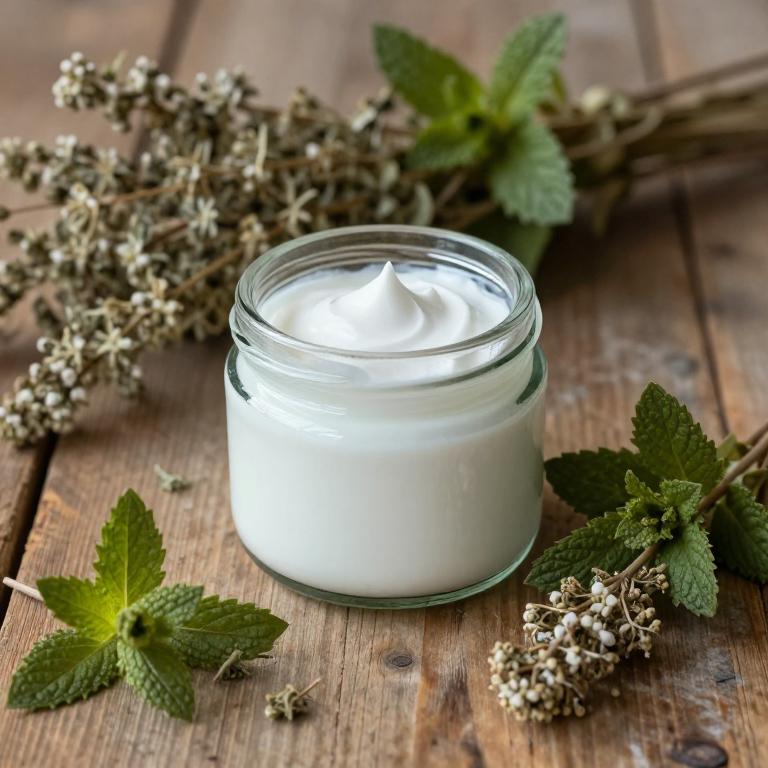
Mentha piperita, commonly known as peppermint, is often incorporated into herbal creams designed to alleviate the discomfort of mouth ulcers.
These creams typically combine peppermint oil with other soothing ingredients like aloe vera or chamomile to provide a cooling and anti-inflammatory effect. The menthol in peppermint oil helps numb the pain and reduce the burning sensation associated with ulcers. Additionally, the anti-bacterial properties of peppermint may help prevent infection and promote faster healing.
While generally safe for topical use, individuals with sensitive skin should perform a patch test before applying these creams.
10. Chaste tree (Vitex agnus-castus)
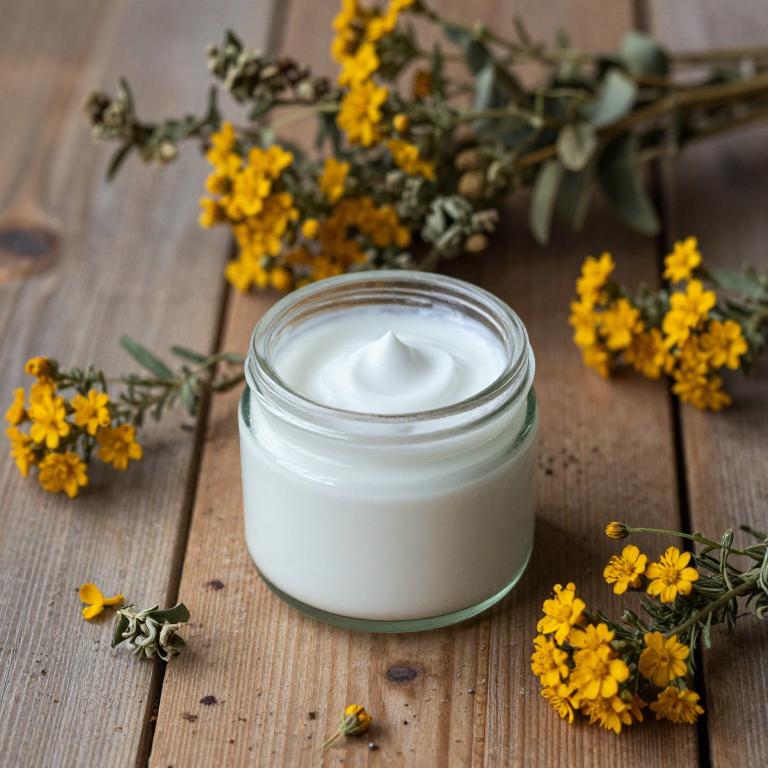
Vitex agnus-castus, commonly known as chaste tree, has been traditionally used in herbal medicine for its potential anti-inflammatory and healing properties.
When formulated into a cream, it may help soothe and accelerate the healing of mouth ulcers by reducing pain and inflammation. The active compounds in vitex, such as flavonoids and essential oils, are believed to support tissue repair and protect the oral mucosa. While some studies suggest its efficacy, more clinical research is needed to fully validate its use for this purpose.
As with any herbal remedy, it is advisable to consult a healthcare professional before use, especially if you have existing health conditions or are taking other medications.