10 Best Herbal Capsules For Bleeding Spots In Mouth
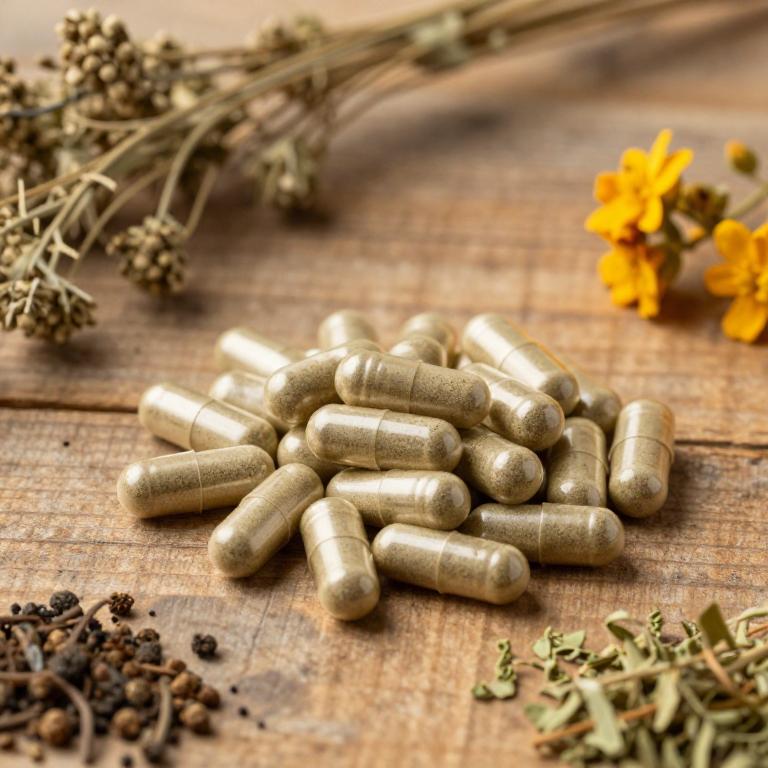
Herbal capsules for bleeding spots in the mouth are commonly used in traditional medicine systems to promote healing and reduce inflammation.
These capsules often contain natural ingredients such as licorice root, aloe vera, or chamomile, which are known for their soothing and anti-inflammatory properties. They are believed to help strengthen the oral mucosa and improve blood circulation, thereby aiding in the healing of minor bleeding spots. While they are generally considered safe, it is important to consult a healthcare professional before use, especially if the bleeding is persistent or severe.
These herbal remedies can be a complementary approach to conventional treatments for oral health issues.
Table of Contents
- 1. Chaste tree (Vitex agnus-castus)
- 2. Echinacea (Echinacea purpurea)
- 3. Salvia (Salvia officinalis)
- 4. St. john's wort (Hypericum perforatum)
- 5. Aloe vera (Aloe barbadensis)
- 6. Stinging nettle (Urtica dioica)
- 7. Thistle (Silybum marianum)
- 8. Turmeric (Curcuma longa)
- 9. Rosemary (Rosmarinus officinalis)
- 10. Sanguisorba (Sanguisorba officinalis)
1. Chaste tree (Vitex agnus-castus)
Vitex agnus-castus, commonly known as chasteberry, is a herbal remedy that has been traditionally used to support hormonal balance and may help in reducing bleeding spots in the mouth.
This herb is believed to influence the pituitary gland and regulate the menstrual cycle, which can indirectly affect oral health by reducing hormonal fluctuations that contribute to gingival issues. While scientific evidence on its direct impact on oral bleeding is limited, some studies suggest that it may improve overall blood circulation and reduce inflammation. Herbal capsules containing Vitex agnus-castus are often used as a complementary therapy alongside standard dental care for individuals experiencing hormonal-related oral symptoms.
It is important to consult with a healthcare provider before using this herb, especially if you are taking other medications or have underlying health conditions.
2. Echinacea (Echinacea purpurea)
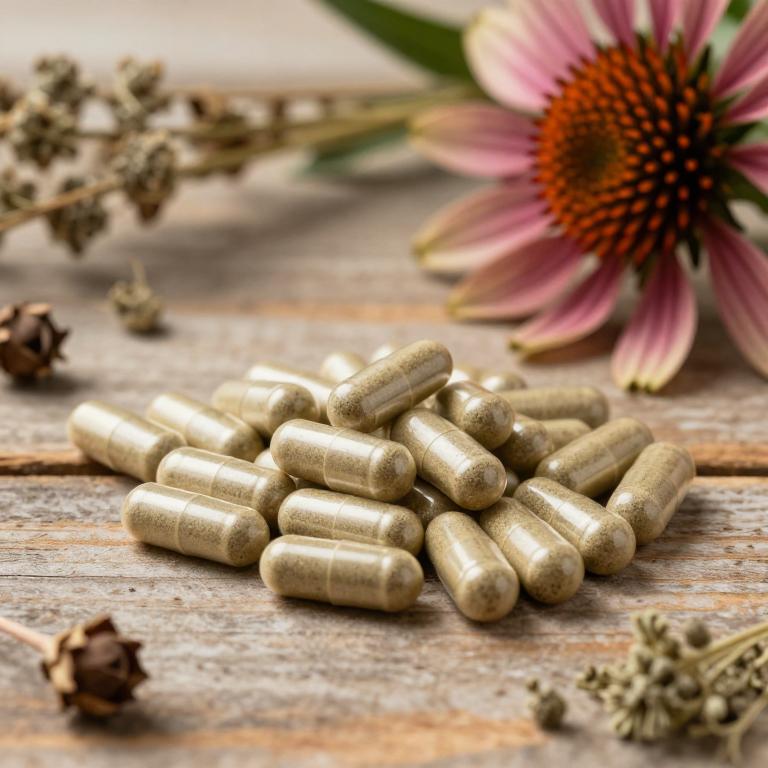
Echinacea purpurea, commonly known as purple coneflower, is a popular herbal supplement often used to support immune function and reduce inflammation.
Some studies suggest that echinacea may help in reducing the frequency and severity of colds and other respiratory infections, which can indirectly contribute to oral health. While there is limited direct evidence linking echinacea to the treatment of bleeding spots in the mouth, its anti-inflammatory and antioxidant properties may aid in healing oral tissues. However, it is important to consult a healthcare professional before using echinacea, especially if you have existing health conditions or are taking other medications.
As with any herbal remedy, the effectiveness and safety of echinacea can vary, and it should not replace conventional medical treatments for oral health issues.
3. Salvia (Salvia officinalis)
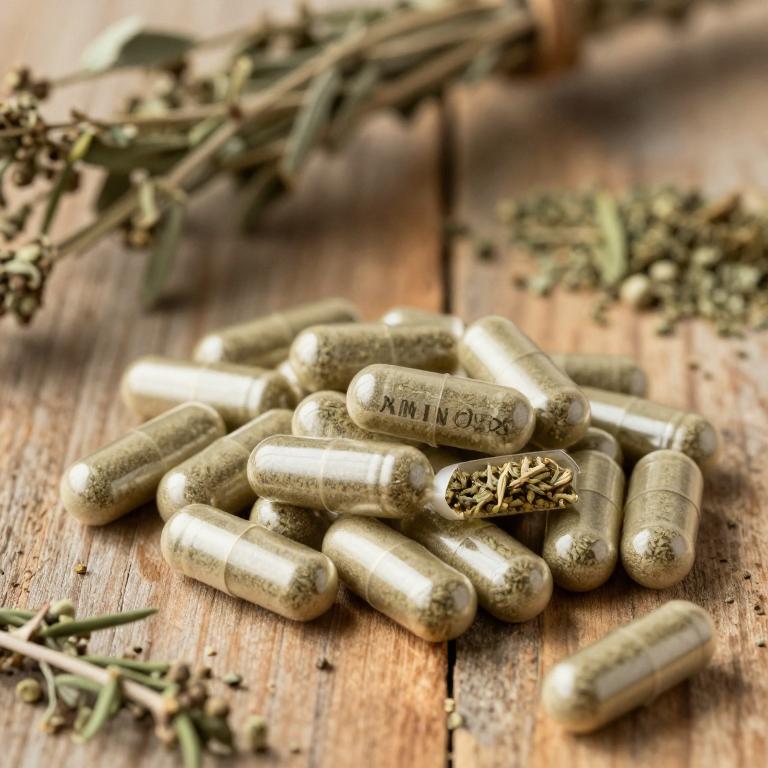
Salvia officinalis, commonly known as sage, has been traditionally used for its potential health benefits, including its role in addressing oral health issues.
Herbal capsules containing salvia officinalis are often marketed for their ability to reduce inflammation and promote healing in the mouth, potentially helping with bleeding spots. These capsules may support the healing process by providing antioxidants and anti-inflammatory compounds that can soothe irritated tissues. However, it is important to consult with a healthcare professional before using sage supplements, especially if you have underlying health conditions or are taking other medications.
While some studies suggest possible benefits, more research is needed to fully understand its efficacy for oral health concerns.
4. St. john's wort (Hypericum perforatum)
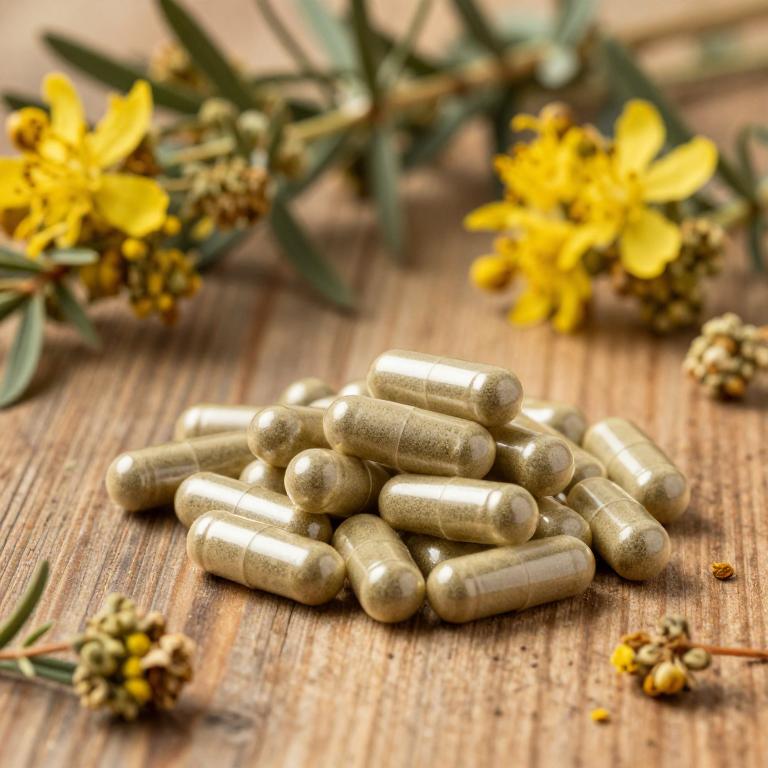
Hypericum perforatum, commonly known as St. John's wort, is traditionally used for its potential anti-inflammatory and healing properties.
While it is often recognized for its use in treating mild depression, some studies suggest it may also support the healing of oral mucosal injuries. Herbal capsules containing Hypericum perforatum are sometimes used as a natural remedy for bleeding spots in the mouth, possibly due to their antioxidant and anti-inflammatory effects. However, it is important to consult a healthcare professional before using it, as it can interact with certain medications.
The effectiveness of Hypericum perforatum for oral bleeding may vary, and it should not replace conventional medical treatments without professional guidance.
5. Aloe vera (Aloe barbadensis)
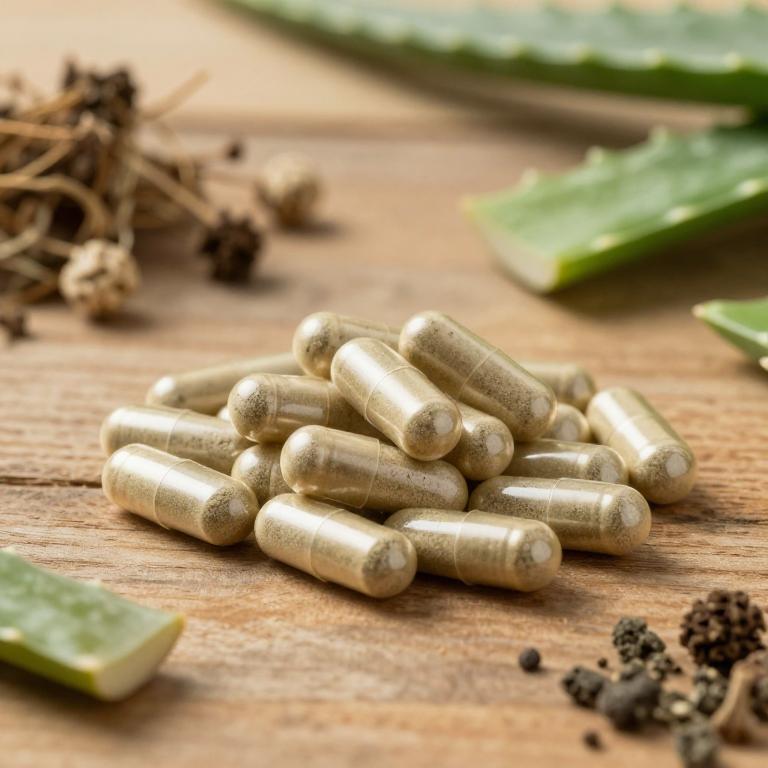
Aloe barbadensis, commonly known as aloe vera, is a plant that has been traditionally used for its soothing and healing properties.
Aloe barbadensis herbal capsules are often used to address various oral health issues, including bleeding spots in the mouth. These capsules contain the gel-like substance from the aloe leaf, which is rich in vitamins, minerals, and antioxidants. The anti-inflammatory and antimicrobial properties of aloe vera may help reduce inflammation and promote the healing of mouth ulcers or irritated tissues.
However, it is important to consult with a healthcare professional before using aloe vera supplements, especially if you have underlying health conditions or are taking other medications.
6. Stinging nettle (Urtica dioica)
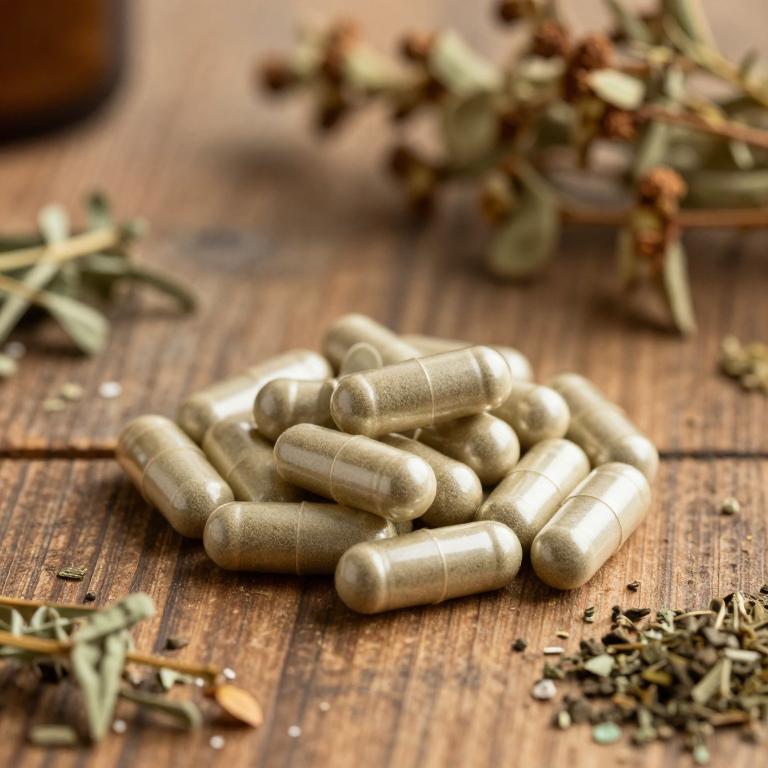
Urtica dioica, commonly known as stinging nettle, has been traditionally used in herbal medicine for its potential health benefits.
Urtica dioica herbal capsules are often used to support overall health and may help reduce inflammation in the body. Some individuals use these capsules to address bleeding spots in the mouth, possibly due to their rich content of vitamins and minerals that support healing and tissue repair. However, it is important to consult a healthcare professional before using these supplements, especially if you have underlying health conditions or are taking other medications.
While some anecdotal evidence suggests possible benefits, scientific research on its effectiveness for oral bleeding is limited.
7. Thistle (Silybum marianum)
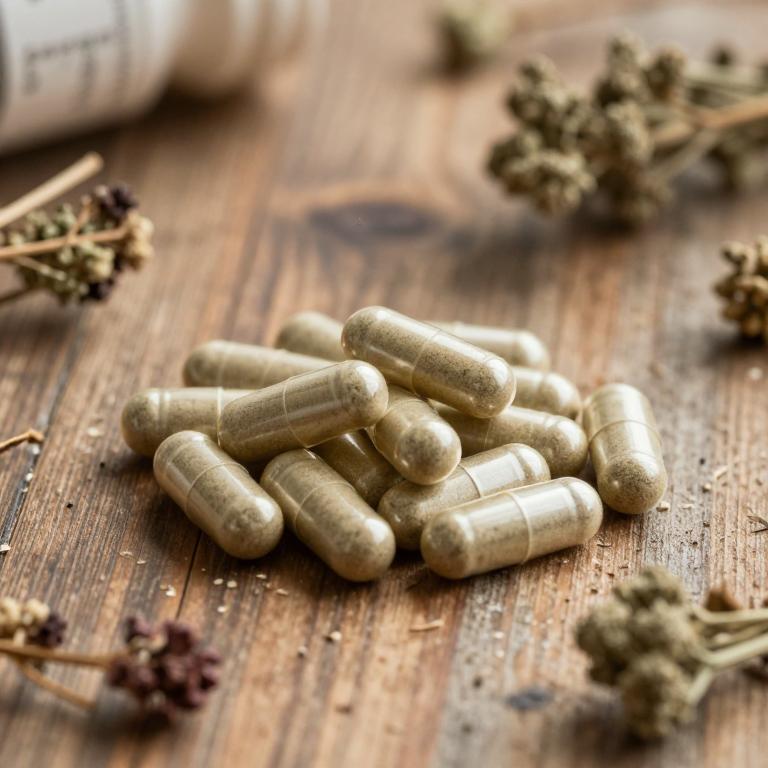
Silybum marianum, commonly known as milk thistle, is a herbal supplement that has been traditionally used for its potential liver-protective properties.
While it is primarily known for supporting liver health, some studies suggest it may also have anti-inflammatory and antioxidant effects that could help reduce inflammation in the mouth. These properties might potentially aid in the reduction of bleeding spots in the mouth by improving overall tissue health and reducing oxidative stress. However, it is important to note that there is limited scientific evidence specifically linking silybum marianum to the treatment of oral bleeding spots.
As with any herbal supplement, it is advisable to consult a healthcare professional before use, especially if you have existing health conditions or are taking other medications.
8. Turmeric (Curcuma longa)
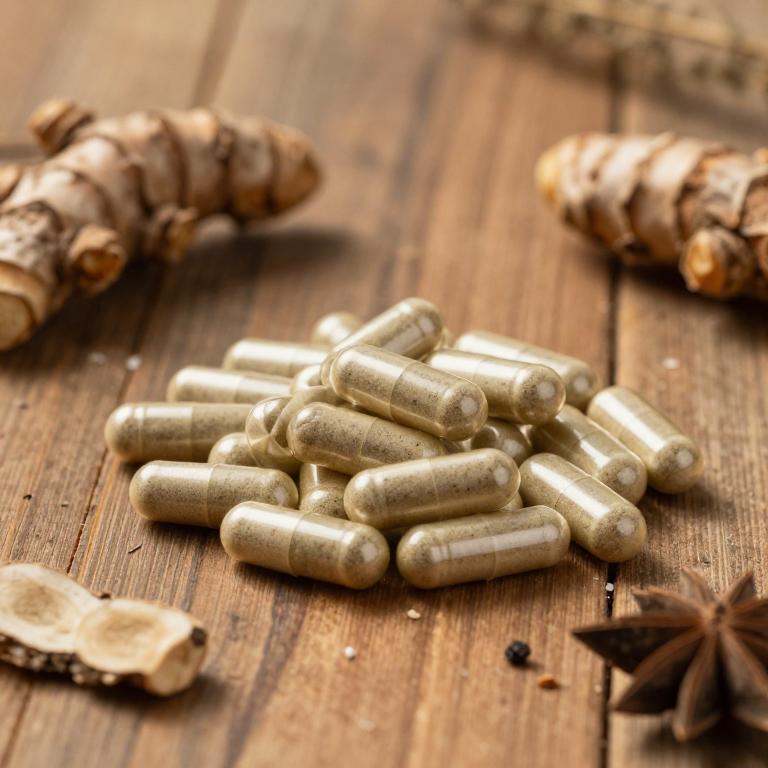
Curcuma longa, commonly known as turmeric, contains curcumin, a compound known for its anti-inflammatory and antioxidant properties.
Herbal capsules made from Curcuma longa are often used to support oral health and may help reduce inflammation associated with bleeding spots in the mouth. These capsules can be a natural alternative to conventional treatments, offering a gentle approach to soothe mouth irritation. However, it is important to consult with a healthcare professional before using them, especially if you have underlying health conditions or are taking other medications.
While some studies suggest potential benefits, more research is needed to fully understand their efficacy in treating oral bleeding.
9. Rosemary (Rosmarinus officinalis)
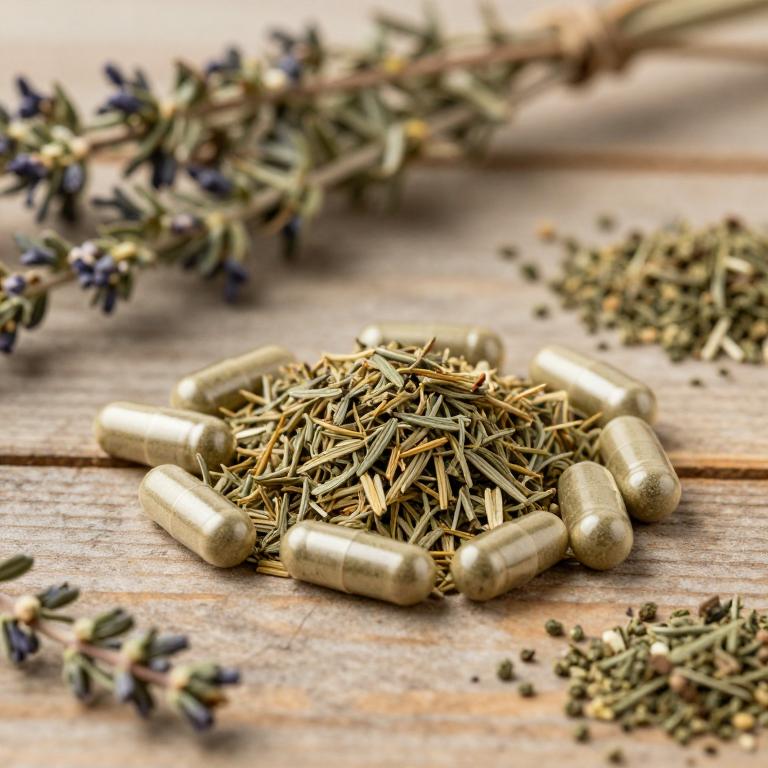
Rosmarinus officinalis, commonly known as rosemary, has been traditionally used for its antioxidant and anti-inflammatory properties, which may help in reducing bleeding spots in the mouth.
Herbal capsules containing rosemary extract are often formulated to support oral health by promoting tissue repair and reducing inflammation. These capsules are typically made from standardized rosemary oil or leaf extract, ensuring consistent potency and efficacy. They are often recommended as a complementary therapy for individuals experiencing minor oral bleeding or ulcers.
However, it is important to consult a healthcare professional before using rosemary supplements, especially for those with underlying health conditions or on medication.
10. Sanguisorba (Sanguisorba officinalis)
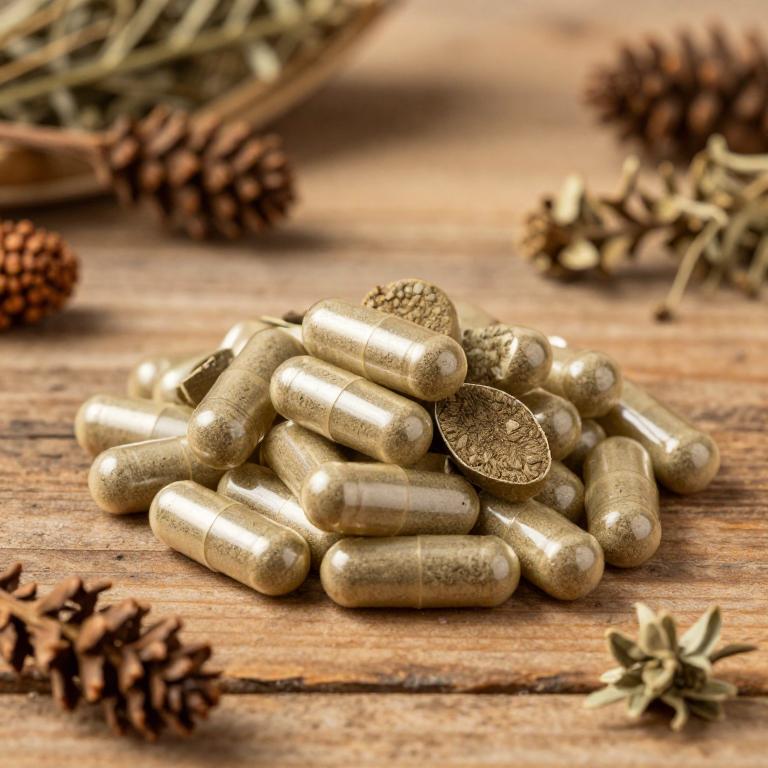
Sanguisorba officinalis, commonly known as common sanguisorb, is a traditional herb that has been used for its potential health benefits, including supporting oral health.
Herbal capsules containing Sanguisorba officinalis are formulated to address various ailments, with some traditional use suggesting they may help reduce bleeding spots in the mouth. The herb is believed to possess anti-inflammatory and hemostatic properties, which could aid in preventing and healing oral ulcers and minor bleeding. These capsules are typically made from standardized extracts of the plant, ensuring consistent potency and efficacy.
As with any herbal supplement, it is important to consult a healthcare professional before use, especially for individuals with existing health conditions or those taking other medications.