10 Best Herbal Essential Oils For Menstrual Cramps
Herbal essential oils such as lavender, chamomile, and ginger are commonly used to alleviate menstrual cramps due to their calming and anti-inflammatory properties.
These oils can be applied topically, inhaled, or used in aromatherapy diffusers to help reduce pain and promote relaxation. Lavender oil is particularly effective for its soothing effects, while ginger oil is known for its warming and pain-relieving properties. When using essential oils, it's important to dilute them with a carrier oil to avoid skin irritation and to consult with a healthcare professional, especially for those with sensitive skin or underlying health conditions.
Overall, herbal essential oils offer a natural and complementary approach to managing menstrual discomfort.
Table of Contents
- 1. Turmeric (Curcuma longa)
- 2. Ginger (Zingiber officinale)
- 3. Black pepper (Piper nigrum)
- 4. Chaste tree (Vitex agnus-castus)
- 5. Ceylon cinnamon (Cinnamomum zeylanicum)
- 6. English lavender (Lavandula angustifolia)
- 7. Rosemary (Rosmarinus officinalis)
- 8. Fennel (Foeniculum vulgare)
- 9. Ceylon cinnamon (Cinnamomum verum)
- 10. Salvia (Salvia officinalis)
1. Turmeric (Curcuma longa)
Curcuma longa, commonly known as turmeric, is widely recognized for its therapeutic properties, including the use of its essential oils to alleviate menstrual cramps.
The essential oils derived from Curcuma longa contain bioactive compounds such as curcuminoids, which possess strong anti-inflammatory and analgesic effects. These properties can help reduce the pain and inflammation associated with dysmenorrhea, making them a natural alternative to conventional pain relievers. When used aromatically or topically, the essential oils of turmeric may promote relaxation and ease muscle tension, further supporting menstrual comfort.
However, it is important to consult with a healthcare professional before using these oils, especially during pregnancy or if you have underlying health conditions.
2. Ginger (Zingiber officinale)
Zingiber officinale, commonly known as ginger, is widely recognized for its therapeutic properties, particularly in alleviating menstrual cramps.
The essential oil derived from fresh ginger roots contains potent bioactive compounds such as gingerol and shogaol, which have anti-inflammatory and analgesic effects. When used aromatically or topically, ginger essential oil can help reduce the severity of cramps by promoting circulation and easing muscle tension in the uterine area. It is often recommended as a natural alternative to pharmaceutical pain relievers, especially for those seeking holistic remedies.
However, it is important to dilute the essential oil properly before application and consult with a healthcare provider, especially for individuals with sensitive skin or underlying health conditions.
3. Black pepper (Piper nigrum)
Piper nigrum, commonly known as black pepper, contains essential oils that have been traditionally used for their warming and analgesic properties.
These oils may help alleviate menstrual cramps by improving blood circulation and reducing uterine contractions. The active compounds in black pepper essential oil, such as piperine, are believed to have anti-inflammatory and pain-relieving effects. When used in aromatherapy or diluted topical applications, these oils can provide natural relief for menstrual discomfort.
However, it is important to consult a healthcare professional before using essential oils, especially during menstruation, to ensure safety and proper usage.
4. Chaste tree (Vitex agnus-castus)
Vitex agnus-castus, commonly known as chasteberry, is a herbal remedy often used to support hormonal balance and alleviate symptoms associated with menstrual cramps.
Its essential oil form is derived from the dried flowers of the plant and is valued for its potential calming and regulating effects on the female reproductive system. When used aromatically or topically, vitex essential oil may help reduce menstrual pain by promoting relaxation and easing uterine tension. It is often recommended for women experiencing irregular cycles or premenstrual syndrome (PMS) due to its influence on hormone regulation.
As with any essential oil, it is important to use vitex agnus-castus with proper dilution and consult a healthcare professional, especially for those with existing medical conditions or who are pregnant.
5. Ceylon cinnamon (Cinnamomum zeylanicum)
Cinnamomum zeylanicum, commonly known as Ceylon cinnamon, produces a valuable essential oil that has been traditionally used for its soothing properties.
This essential oil contains compounds like cinnamaldehyde, which may help in reducing inflammation and pain, making it a potential natural remedy for menstrual cramps. When used aromatically or topically (with proper dilution), it can help alleviate discomfort associated with menstruation by promoting relaxation and easing muscle tension. Its warming effect is believed to improve blood circulation, which may support the body's natural process during menstruation.
However, it is important to consult with a healthcare professional before using essential oils, especially during menstruation, to ensure safety and effectiveness.
6. English lavender (Lavandula angustifolia)
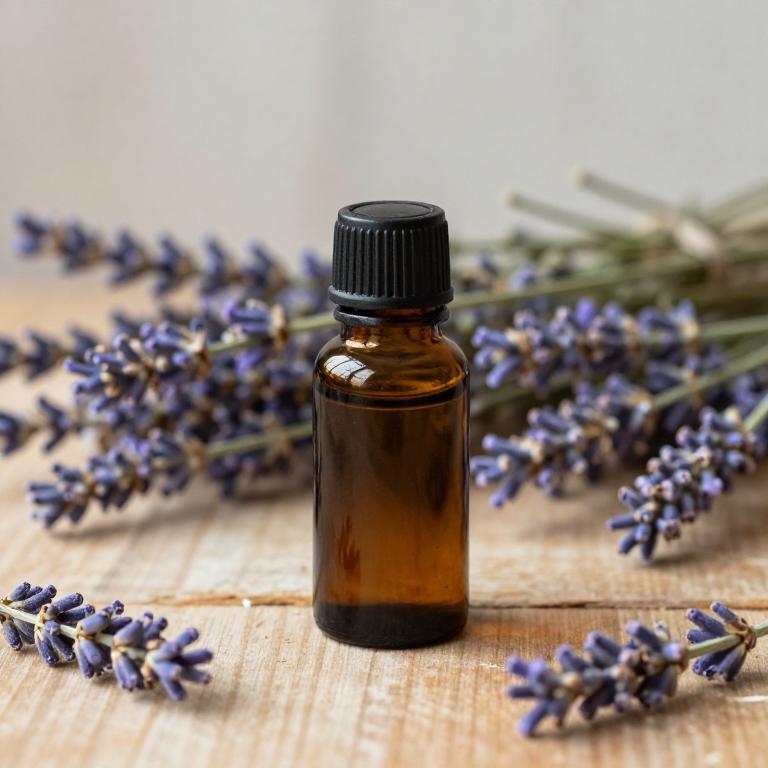
Lavandula angustifolia, commonly known as English lavender, is widely recognized for its calming and analgesic properties, making it a popular choice for alleviating menstrual cramps.
The essential oil derived from this plant contains compounds like linalool and lavandine, which have been shown to reduce inflammation and ease muscle spasms. When used aromatically or topically, lavender essential oil can help relieve the discomfort associated with dysmenorrhea by promoting relaxation and reducing pain perception. It is often diluted with a carrier oil before application to the lower abdomen to avoid skin irritation.
Many women find lavender essential oil to be a natural, safe, and effective alternative or complement to conventional pain management options during menstruation.
7. Rosemary (Rosmarinus officinalis)
Rosmarinus officinalis, commonly known as rosemary, is a herb whose essential oil has been traditionally used for its aromatic and therapeutic properties.
The essential oil of rosemary contains compounds like cineole and camphor, which are believed to have anti-inflammatory and analgesic effects, making it potentially beneficial for alleviating menstrual cramps. When used in aromatherapy or applied topically with a carrier oil, rosemary essential oil may help reduce the intensity of uterine contractions and ease pain associated with menstruation. However, it is important to dilute the oil properly and consult with a healthcare professional before use, especially for those with sensitive skin or specific medical conditions.
Overall, rosemary essential oil offers a natural and aromatic alternative for women seeking relief from menstrual discomfort.
8. Fennel (Foeniculum vulgare)
Foeniculum vulgare, commonly known as fennel, is a herb widely used for its essential oils, which have been traditionally valued for their ability to alleviate menstrual cramps.
The essential oil of fennel contains compounds like anethol and estragole, which possess antispasmodic and analgesic properties that can help reduce uterine contractions and pain associated with menstruation. When used in aromatherapy or diluted in a carrier oil for topical application, fennel essential oil may provide natural relief for women experiencing dysmenorrhea. However, it is important to consult with a healthcare provider before using fennel oil, especially during pregnancy or if there are existing health conditions.
Overall, fennel essential oil offers a holistic approach to managing menstrual discomfort, supporting both physical and emotional well-being.
9. Ceylon cinnamon (Cinnamomum verum)
Cinnamomum verum, commonly known as true cinnamon, produces an essential oil that has been traditionally used for its warming and anti-inflammatory properties.
This essential oil contains compounds like cinnamaldehyde and eugenol, which may help alleviate menstrual cramps by reducing uterine spasms and inflammation. When used aromatically or topically (with a carrier oil), cinnamon essential oil can promote relaxation and ease discomfort during menstruation. However, it is important to dilute the oil properly to avoid skin irritation and consult with a healthcare professional before use, especially for those with sensitive skin or existing health conditions.
Overall, cinnamon essential oil offers a natural, aromatic option for supporting menstrual comfort when used safely and appropriately.
10. Salvia (Salvia officinalis)
Salvia officinalis, commonly known as sage, contains essential oils that have been traditionally used to alleviate menstrual cramps due to their antispasmodic and anti-inflammatory properties.
The primary essential oil compounds in sage, such as camphor and thujone, help relax uterine muscles and reduce pain associated with menstruation. When used in aromatherapy or diluted topical applications, sage essential oil can provide natural relief for women experiencing dysmenorrhea. However, it is important to use sage essential oil with caution, as it may have potential side effects when ingested or used undiluted.
Overall, sage essential oil offers a natural alternative for managing menstrual discomfort, though it should be used under proper guidance.