10 Best Herbal Capsules For Menopause
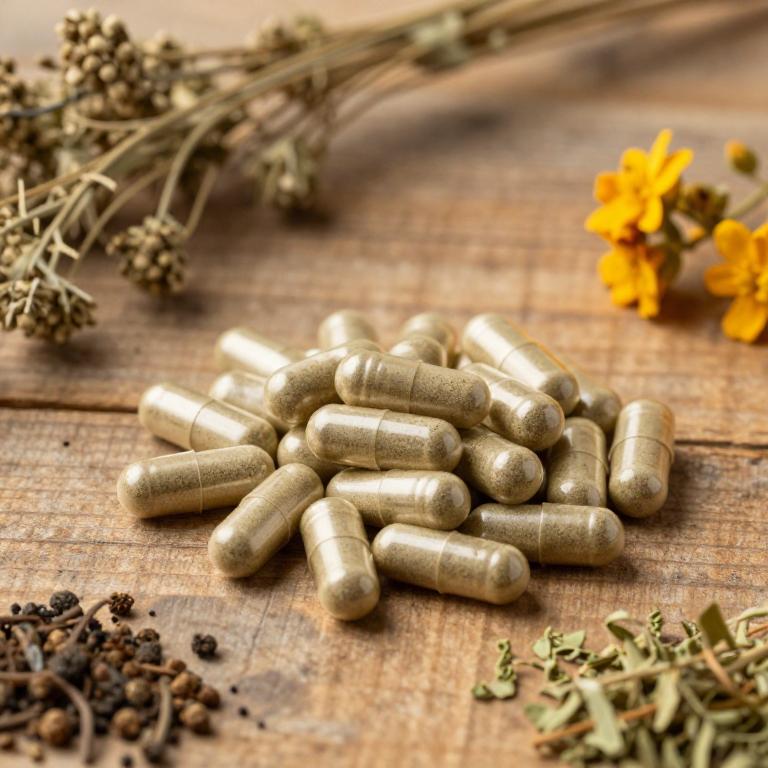
Herbal capsules are a popular natural alternative for managing menopause symptoms, offering a range of benefits without the side effects often associated with hormonal treatments.
Commonly used herbs such as black cohosh, evening primrose oil, and red clover are believed to help alleviate hot flashes, mood swings, and sleep disturbances. These capsules are typically made from plant-based ingredients and are available in various formulations to suit individual needs. Many women find them effective in supporting hormonal balance and overall well-being during the menopausal transition.
It is important to consult a healthcare provider before starting any herbal supplement to ensure safety and appropriateness for personal health conditions.
Table of Contents
- 1. Chaste tree (Vitex agnus-castus)
- 2. Black cohosh (Cimicifuga racemosa)
- 3. Licorice (Glycyrrhiza glabra)
- 4. Thistle (Silybum marianum)
- 5. Stinging nettle (Urtica dioica)
- 6. Cabbage palm (Sabal serrulata)
- 7. African cherry (Prunus africana)
- 8. Ginger (Zingiber officinale)
- 9. Echinacea (Echinacea purpurea)
- 10. Turmeric (Curcuma longa)
1. Chaste tree (Vitex agnus-castus)
Vitex agnus-castus, commonly known as chasteberry, is a herbal remedy often used to support women during menopause.
It is believed to help regulate hormonal imbalances, particularly those related to estrogen and progesterone levels. Herbal capsules containing vitex are typically taken orally and are available in various forms, including standardized extracts. Many women report reduced symptoms such as hot flashes, mood swings, and irregular menstrual cycles when using vitex.
However, it is important to consult with a healthcare provider before starting any herbal supplement, especially during menopause, to ensure safety and effectiveness.
2. Black cohosh (Cimicifuga racemosa)
Cimicifuga racemosa, commonly known as black cohosh, is a herbal remedy often used to alleviate menopausal symptoms such as hot flashes, night sweats, and mood swings.
It is believed to work by modulating estrogen receptor activity, although the exact mechanism of action remains under investigation. Herbal capsules containing Cimicifuga racemosa are typically taken orally, with standardized extracts recommended for consistency and potency. While generally considered safe for short-term use, it is important to consult a healthcare provider before starting any herbal supplement, especially for women with hormone-sensitive conditions.
Some studies suggest it may be as effective as low-dose estrogen therapy in managing menopausal symptoms, though more research is needed to confirm long-term safety and efficacy.
3. Licorice (Glycyrrhiza glabra)
Glycyrrhiza glabra, commonly known as licorice root, is often used in herbal formulations to support women during menopause due to its potential estrogen-like effects.
These herbal capsules may help alleviate common menopausal symptoms such as hot flashes, mood swings, and irritability by modulating hormonal balance. The active compounds in licorice root, including glycyrrhizin and isoflavones, are believed to interact with estrogen receptors in the body. While some studies suggest possible benefits, it is important to consult a healthcare provider before using licorice root, as it may interact with certain medications or have side effects in high doses.
Overall, glycyrrhiza glabra herbal capsules are a complementary option for managing menopausal symptoms, though they should not replace conventional medical treatment.
4. Thistle (Silybum marianum)
Silybum marianum, also known as milk thistle, is a herbal supplement that has been traditionally used for its potential health benefits, particularly in supporting liver function.
While it is commonly associated with liver health, some studies suggest that silybum marianum may also offer benefits for women undergoing menopause, such as alleviating symptoms like hot flashes and mood swings. The active compound in milk thistle, silymarin, is believed to have antioxidant and anti-inflammatory properties that may help reduce oxidative stress, which is often elevated during menopause. However, more research is needed to fully understand its efficacy and safety for menopausal women.
As with any supplement, it is advisable to consult a healthcare provider before starting silybum marianum, especially if taking other medications or having underlying health conditions.
5. Stinging nettle (Urtica dioica)
Urtica dioica, commonly known as stinging nettle, is a herbal remedy that has been traditionally used to support women during menopause.
Herbal capsules containing Urtica dioica are believed to help alleviate common menopausal symptoms such as hot flashes, night sweats, and mood swings due to their high concentration of antioxidants and phytoestrogens. These capsules are often recommended as a natural alternative to hormone replacement therapy, offering a gentler approach for women seeking relief without synthetic hormones. The plant's rich nutrient profile, including vitamins, minerals, and anti-inflammatory compounds, may also contribute to overall well-being during this transition.
As with any supplement, it is important to consult a healthcare provider before starting Urtica dioica capsules to ensure safety and appropriateness for individual health needs.
6. Cabbage palm (Sabal serrulata)

Sabal serrulata, also known as the wild date palm, is a botanical commonly used in herbal formulations to support women during menopause.
These herbal capsules are traditionally believed to help alleviate menopausal symptoms such as hot flashes, mood swings, and sleep disturbances. The plant contains compounds like saponins and alkaloids, which may contribute to its purported hormonal balancing effects. While some studies suggest it may support hormonal health, more research is needed to confirm its efficacy and safety.
As with any supplement, it is advisable to consult a healthcare provider before use, especially for individuals with underlying health conditions or those taking other medications.
7. African cherry (Prunus africana)
Prunus africana, also known as African cherry, is a traditional herbal remedy that has gained attention for its potential benefits during menopause.
The herbal capsules derived from this plant are believed to support hormonal balance and alleviate common menopausal symptoms such as hot flashes and mood swings. Rich in antioxidants and phytoestrogens, Prunus africana may help regulate estrogen levels in the body, offering natural relief for women experiencing hormonal fluctuations. These capsules are often used as a complementary therapy alongside conventional treatments, providing a holistic approach to menopause management.
As with any supplement, it is advisable to consult a healthcare professional before starting Prunus africana to ensure safety and effectiveness.
8. Ginger (Zingiber officinale)
Zingiber officinale, commonly known as ginger, is widely used in herbal capsules to support women during menopause due to its potential to alleviate symptoms such as hot flashes, mood swings, and anxiety.
These capsules are often formulated with concentrated ginger extract, which contains bioactive compounds like gingerols and shogaols that have anti-inflammatory and antioxidant properties. Some studies suggest that ginger may help regulate hormonal fluctuations and improve digestion, which is particularly beneficial during menopause when hormonal changes can affect the gastrointestinal system. As a natural alternative to conventional treatments, ginger herbal capsules are popular among women seeking holistic approaches to manage menopausal discomfort.
However, it is important to consult a healthcare provider before starting any herbal supplement, especially for those with existing medical conditions or taking other medications.
9. Echinacea (Echinacea purpurea)
Echinacea purpurea, commonly known as purple coneflower, is a traditional herbal remedy that has been used for its potential immune-boosting properties.
While primarily studied for its effects on the common cold, some research suggests that it may also support hormonal balance, making it a topic of interest for menopause management. Herbal capsules containing Echinacea purpurea are often marketed as natural supplements to help alleviate menopausal symptoms such as hot flashes and mood swings. However, it is important to note that scientific evidence supporting its efficacy for menopause is limited, and more rigorous studies are needed.
As with any supplement, it is advisable to consult with a healthcare provider before use, especially for individuals with existing health conditions or those taking other medications.
10. Turmeric (Curcuma longa)
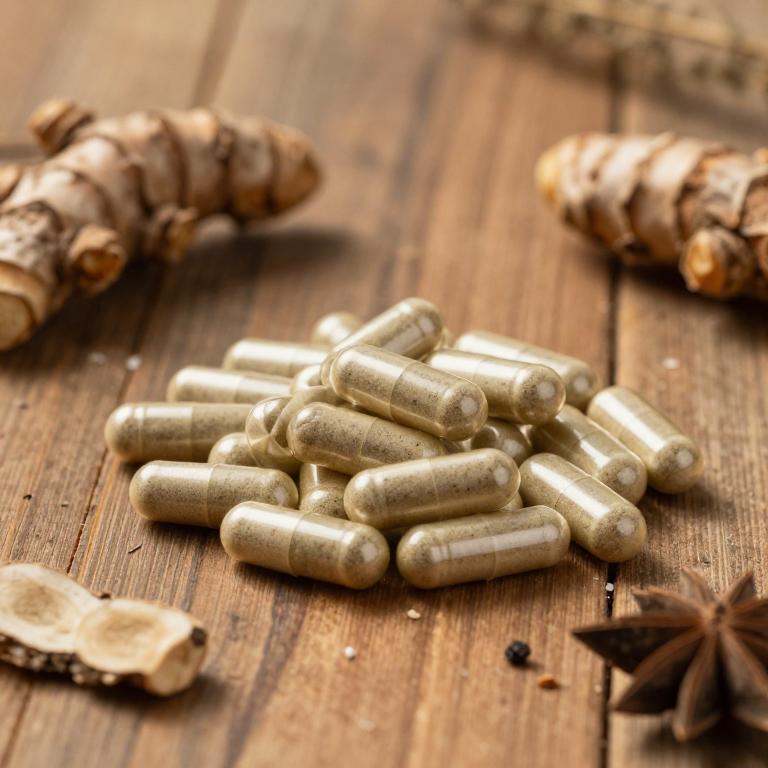
Curcuma longa, commonly known as turmeric, is widely used in herbal capsules to support women during menopause due to its anti-inflammatory and antioxidant properties.
These capsules often contain curcumin, the active compound in turmeric, which may help alleviate menopausal symptoms such as hot flashes, mood swings, and joint pain. Studies suggest that curcumin can support hormonal balance and reduce oxidative stress, which are common concerns during this transitional phase. However, it is important to consult a healthcare provider before starting any herbal supplement, especially for individuals with existing health conditions or those taking other medications.
Overall, curcuma longa herbal capsules may offer a natural and complementary approach to managing menopause symptoms when used as part of a holistic health strategy.