10 Best Herbal Tinctures For Low Sperm Count
Herbal tinctures have gained popularity as natural remedies for addressing low sperm count, often containing potent plant-based compounds that support reproductive health.
Common ingredients include ashwagandha, ginger, and fenugreek, which are believed to enhance testosterone production and improve sperm quality. These tinctures work by reducing oxidative stress, boosting libido, and improving overall hormonal balance in the body. While some studies suggest potential benefits, it is important to consult a healthcare provider before use, as individual responses can vary.
Overall, herbal tinctures may offer a complementary approach to conventional treatments for low sperm count.
Table of Contents
- 1. Puncture vine (Tribulus terrestris)
- 2. Thistle (Silybum marianum)
- 3. Velvet bean (Mucuna pruriens)
- 4. Panax ginseng (Panax ginseng)
- 5. Tongkat ali (Eurycoma longifolia)
- 6. Barrenwort (Epimedium grandiflorum)
- 7. Ginger (Zingiber officinale)
- 8. Horse radish (Cnidium monnieri)
- 9. Chaste tree (Vitex agnus-castus)
- 10. Turmeric (Curcuma longa)
1. Puncture vine (Tribulus terrestris)
Tribulus terrestris, commonly known as puncture vine, is a herbal remedy that has been traditionally used to support male reproductive health.
Herbal tinctures made from Tribulus terrestris are often taken to potentially enhance libido and improve sperm count in men with low sperm count. The active compounds in Tribulus terrestris, such as saponins, may help stimulate the production of testosterone, which in turn can support sperm generation. While some studies suggest possible benefits, the scientific evidence remains inconclusive, and more research is needed to confirm its efficacy.
As with any supplement, it is advisable to consult a healthcare professional before starting Tribulus terrestris tinctures, especially for individuals with underlying health conditions or those taking other medications.
2. Thistle (Silybum marianum)
Silybum marianum, commonly known as milk thistle, is a herbal remedy often used in the form of a tincture to support liver health and potentially improve reproductive function.
While primarily recognized for its hepatoprotective properties, some studies suggest that silymarin, the active compound in milk thistle, may have antioxidant and anti-inflammatory effects that could benefit male fertility. Herbal tinctures of silybum marianum are sometimes recommended as a complementary therapy for men with low sperm count due to their potential to enhance sperm quality and production. However, it is important to consult a healthcare professional before using these tinctures, as their efficacy and safety for fertility issues have not been conclusively established in clinical trials.
Despite anecdotal support, more research is needed to determine the role of silybum marianum tinctures in treating low sperm count.
3. Velvet bean (Mucuna pruriens)
Mucuna pruriens, also known as the velvet bean, is a traditional Ayurvedic herb that has been used for centuries to enhance fertility and improve sperm count.
Its active compound, L-dopa, acts as a precursor to dopamine, which may help regulate hormonal balance and support reproductive health. Herbal tinctures made from Mucuna pruriens are often used to address low sperm count due to their potential to boost testosterone levels and improve semen quality. These tinctures are typically prepared by soaking the dried seeds in alcohol, allowing for the extraction of bioactive compounds.
While some studies suggest potential benefits, it is important to consult a healthcare professional before using Mucuna pruriens tinctures, as they may interact with other medications or have side effects.
4. Panax ginseng (Panax ginseng)
Panax ginseng herbal tinctures have gained attention for their potential to support male reproductive health, particularly in cases of low sperm count.
This traditional herbal remedy is believed to enhance libido and improve overall vitality, which may indirectly support sperm production. The active compounds in Panax ginseng, such as ginsenosides, are thought to have antioxidant and anti-inflammatory properties that may protect sperm cells from oxidative stress. Some studies suggest that regular use of Panax ginseng tinctures could improve sperm concentration and motility, though more research is needed to confirm these effects.
As with any supplement, it is advisable to consult a healthcare professional before incorporating Panax ginseng into a fertility treatment plan.
5. Tongkat ali (Eurycoma longifolia)
Eurycoma longifolia, commonly known as Tongkat Ali, is a traditional herbal remedy widely used in Southeast Asia for its purported benefits on male health, including enhancing fertility.
Herbal tinctures derived from Eurycoma longifolia are believed to support healthy sperm count by improving hormonal balance and enhancing reproductive function. These tinctures are typically made by soaking the dried root of the plant in alcohol to extract its active compounds, such as alkaloids and quinones. Some studies suggest that Eurycoma longifolia may increase testosterone levels, which can contribute to improved sperm production.
However, while preliminary research shows promise, more clinical studies are needed to fully confirm its efficacy and safety for treating low sperm count.
6. Barrenwort (Epimedium grandiflorum)
Epimedium grandiflorum, commonly known as barbatan or the "horny goat weed," has been traditionally used in herbal medicine to support male reproductive health.
Its tinctures are believed to enhance libido and improve sperm production due to their high concentration of flavonoids and other bioactive compounds. These tinctures may help increase sperm count by promoting better blood flow to the reproductive organs and supporting hormonal balance. While some studies suggest potential benefits, more clinical research is needed to fully validate their efficacy for low sperm count.
As with any herbal remedy, it is advisable to consult a healthcare professional before use.
7. Ginger (Zingiber officinale)
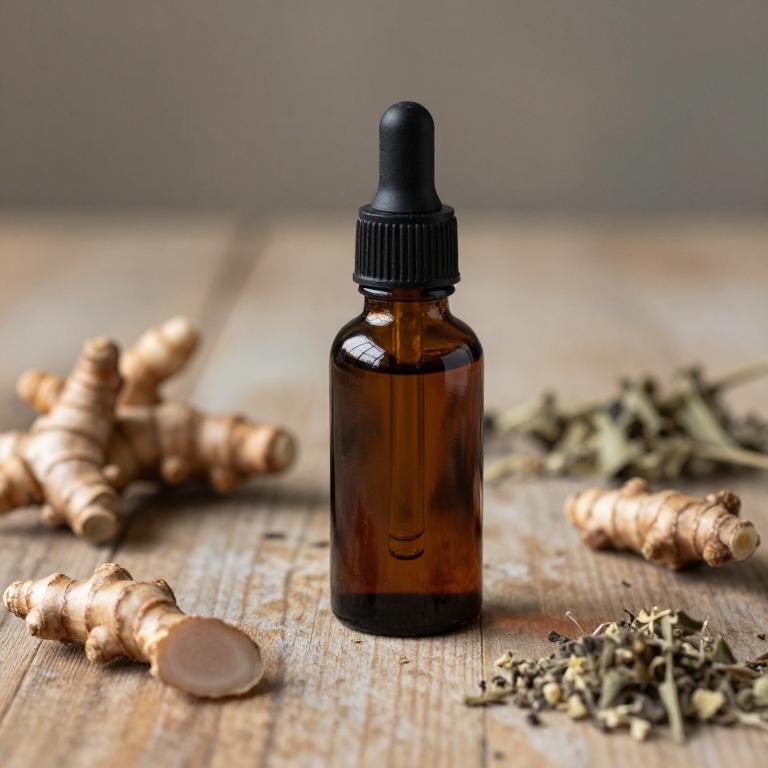
Zingiber officinale, commonly known as ginger, has been traditionally used in herbal medicine for its potential to support reproductive health.
Ginger tinctures, derived from the root of the plant, are believed to enhance circulation and may help improve sperm production in men with low sperm count. The active compounds in ginger, such as gingerol and shogaol, possess anti-inflammatory and antioxidant properties that may support overall fertility. While some studies suggest that ginger could have a positive impact on male fertility, more research is needed to confirm its efficacy and determine optimal dosages.
It is advisable to consult a healthcare professional before using ginger tinctures, especially if considering them as part of a fertility treatment plan.
8. Horse radish (Cnidium monnieri)
Cnidium monnieri, also known as Chinese snakeroot, is a traditional herbal remedy that has been used for centuries in Chinese medicine to support reproductive health.
Its tinctures are believed to enhance libido and improve sperm production due to the presence of compounds like coumarins and alkaloids. These tinctures are often used to address low sperm count by promoting hormonal balance and improving seminal fluid quality. However, it is important to consult with a healthcare professional before using cnidium monnieri, as it may interact with certain medications or have side effects.
Overall, while some studies suggest potential benefits, more research is needed to fully understand its efficacy and safety in treating low sperm count.
9. Chaste tree (Vitex agnus-castus)
Vitex agnus-castus, commonly known as chasteberry, has been traditionally used in herbal medicine to support hormonal balance and reproductive health.
Herbal tinctures made from Vitex agnus-castus are often used to address issues related to low sperm count by regulating the hypothalamic-pituitary-gonadal axis, which plays a key role in sperm production. These tinctures may help improve testosterone levels and enhance overall fertility in men by supporting healthy testicular function. While research on its direct impact on sperm count is limited, many practitioners recommend it as a complementary therapy for male infertility.
It is important to consult with a healthcare provider before using Vitex agnus-castus tinctures, especially if undergoing other treatments for low sperm count.
10. Turmeric (Curcuma longa)
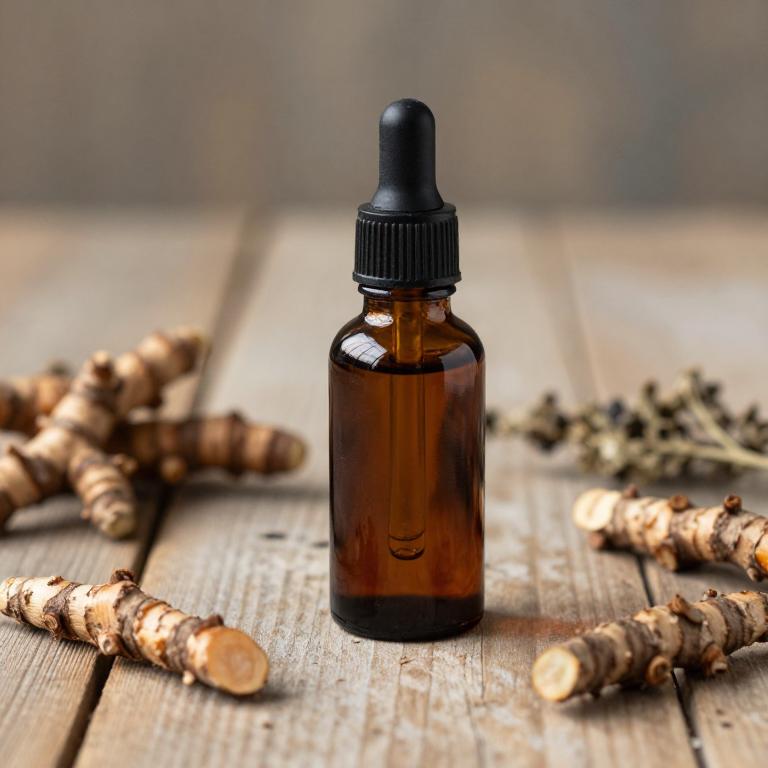
Curcuma longa, commonly known as turmeric, contains curcumin, a compound with potent anti-inflammatory and antioxidant properties.
Herbal tinctures made from Curcuma longa are sometimes used in traditional medicine to support reproductive health, including addressing low sperm count. These tinctures may help improve sperm quality by reducing oxidative stress and enhancing overall testicular function. However, scientific evidence supporting their efficacy for low sperm count is limited, and more research is needed to confirm their benefits.
It is important to consult a healthcare professional before using curcuma longa tinctures, especially if considering them as part of a fertility treatment plan.