10 Best Herbal Creams For Lost Voice
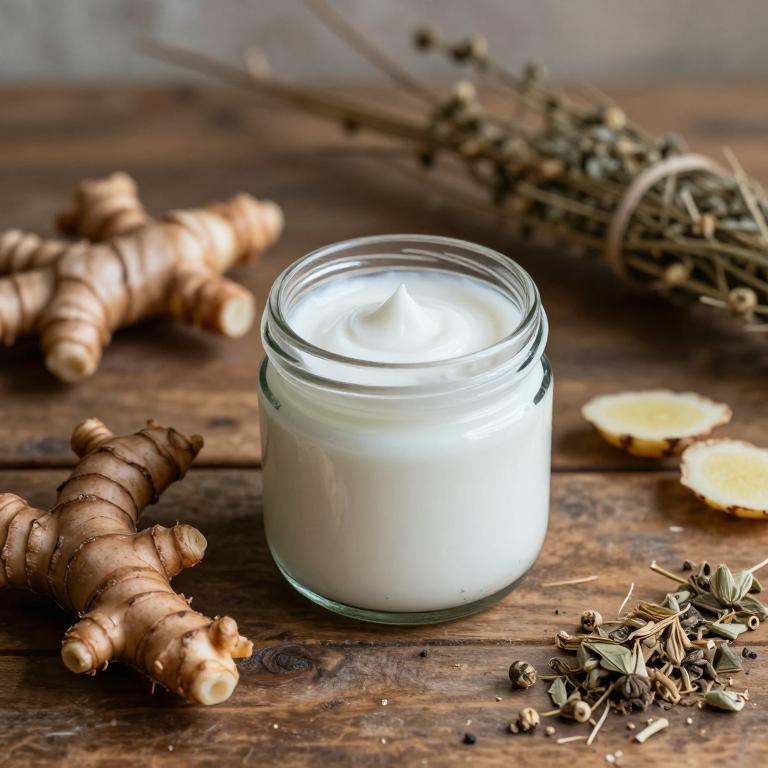
Herbal creams for a lost voice are natural topical treatments designed to soothe and rejuvenate the throat and vocal cords.
These creams often contain ingredients like chamomile, calendula, and licorice root, which are known for their anti-inflammatory and healing properties. They can help reduce irritation, dryness, and inflammation caused by overuse, illness, or environmental factors. While they are not a substitute for medical treatment, they can provide relief and support the recovery process.
Regular application of these creams may help restore vocal health and prevent future voice strain.
Table of Contents
- 1. Ginger (Zingiber officinale)
- 2. Peppermint (Mentha piperita)
- 3. Chaste tree (Vitex agnus-castus)
- 4. Eucalyptus (Eucalyptus globulus)
- 5. Licorice (Glycyrrhiza glabra)
- 6. Salvia (Salvia officinalis)
- 7. English lavender (Lavandula angustifolia)
- 8. Yarrow (Achillea millefolium)
- 9. Stinging nettle (Urtica dioica)
- 10. Thistle (Silybum marianum)
1. Ginger (Zingiber officinale)
Zingiber officinale, commonly known as ginger, has been traditionally used for its soothing and anti-inflammatory properties, making it a popular ingredient in herbal creams designed to help with a lost voice.
These creams often contain ginger extract, which is believed to reduce inflammation in the throat and promote healing of the vocal cords. The warming effect of ginger may also help to ease discomfort and stimulate blood circulation in the area, aiding in quicker recovery. While scientific evidence supporting its efficacy for voice loss is limited, many users report relief from soreness and improved vocal function after using ginger-based topical treatments.
As with any herbal remedy, it is advisable to consult a healthcare professional before use, especially if symptoms persist or worsen.
2. Peppermint (Mentha piperita)
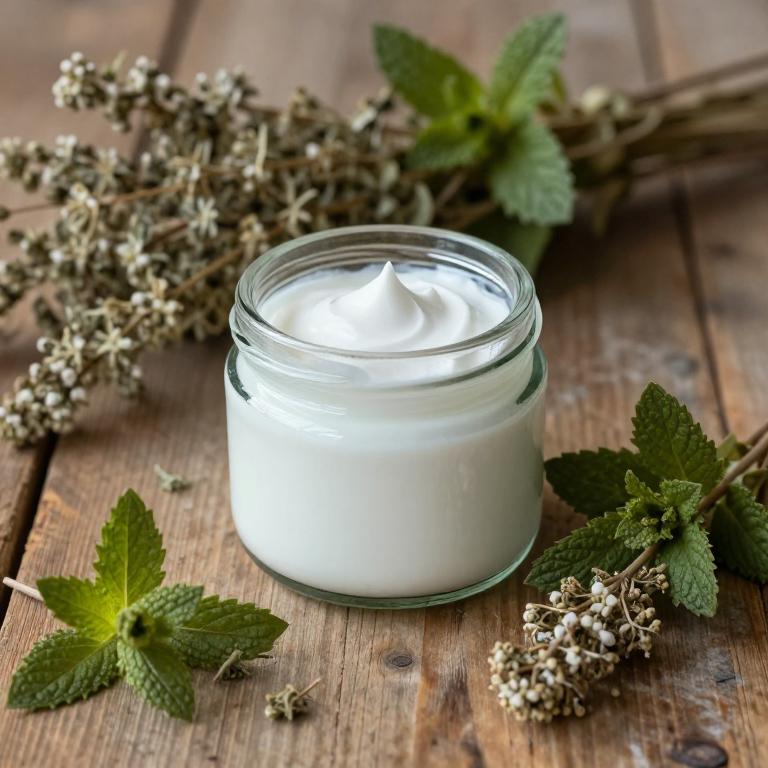
Mentha piperita, commonly known as peppermint, is often used in herbal creams to soothe a lost voice due to its cooling and anti-inflammatory properties.
These creams typically contain menthol, which can help reduce throat irritation and ease the sensation of a sore or hoarse voice. The menthol in peppermint creams provides a tingling sensation that may help stimulate the nerves in the throat, promoting faster recovery. However, it is important to use these creams as a complementary treatment and consult a healthcare professional if symptoms persist.
Overall, mentha piperita herbal creams can offer temporary relief for voice loss caused by minor throat irritations or colds.
3. Chaste tree (Vitex agnus-castus)
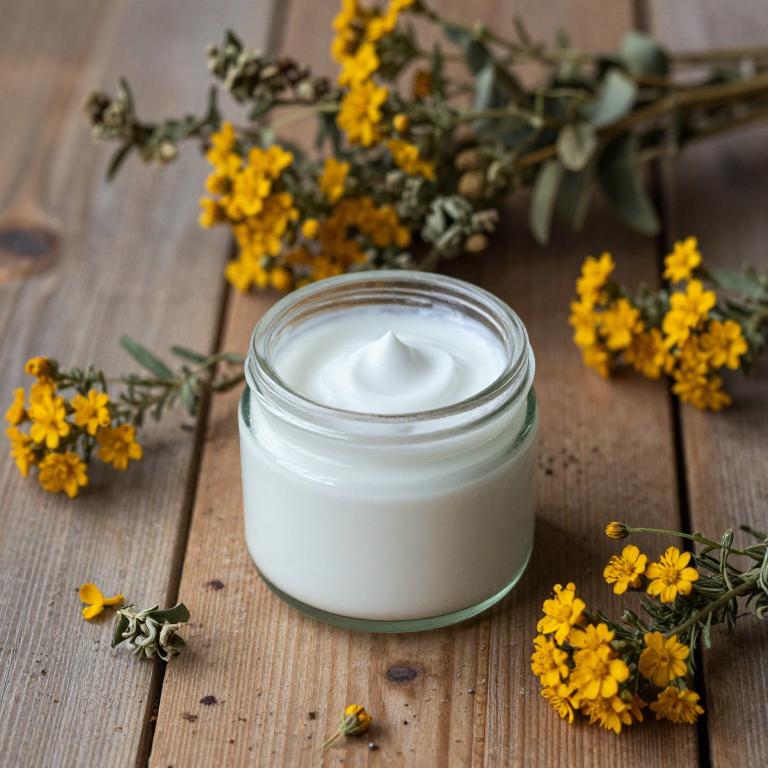
Vitex agnus-castus, commonly known as chasteberry, has been traditionally used in herbal medicine for its potential soothing and calming effects on the body.
While it is often associated with hormonal balance and menstrual health, some herbal formulations containing vitex may be used topically in creams to support vocal health. These creams may help reduce inflammation and irritation in the throat, potentially aiding in the recovery of a lost voice. However, it is important to note that there is limited scientific evidence specifically linking vitex-based creams to voice restoration.
As with any herbal remedy, it is advisable to consult with a healthcare professional before use, especially if there are underlying medical conditions or if other treatments are being considered.
4. Eucalyptus (Eucalyptus globulus)
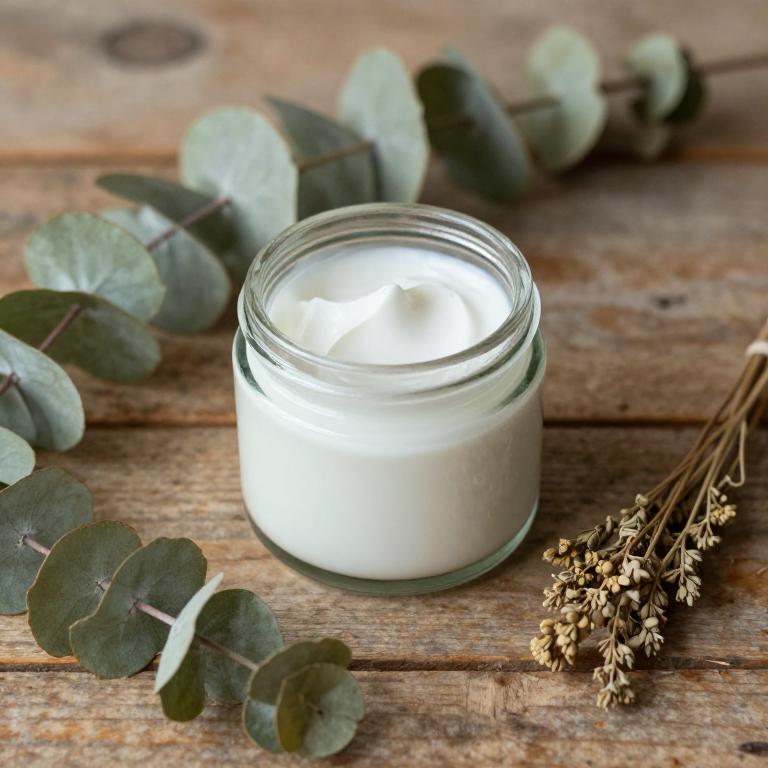
Eucalyptus globulus, commonly known as eucalyptus oil, is often incorporated into herbal creams due to its soothing and anti-inflammatory properties.
These creams are particularly beneficial for individuals experiencing a lost voice, as they can help reduce throat irritation and promote healing. The aromatic compounds in eucalyptus globulus may also help ease breathing and alleviate congestion, which can indirectly support vocal recovery. When applied topically to the throat or neck, these creams can provide a cooling sensation that soothes inflamed tissues.
However, it is important to consult a healthcare professional before using such products, especially if symptoms persist or worsen.
5. Licorice (Glycyrrhiza glabra)
Glycyrrhiza glabra, commonly known as licorice root, has been traditionally used in herbal medicine for its soothing properties, making it a popular ingredient in creams designed to help with a lost voice.
These creams often contain licorice extract, which is believed to reduce inflammation and irritation in the throat, thereby supporting vocal recovery. The anti-inflammatory and antiseptic properties of glycyrrhiza glabra may help alleviate soreness and dryness associated with vocal strain or illness. When applied topically, these creams can provide a cooling and calming effect, promoting comfort and potentially aiding in the healing process.
However, it is important to consult a healthcare professional before using licorice-based products, especially for prolonged periods, as excessive use may have systemic effects.
6. Salvia (Salvia officinalis)
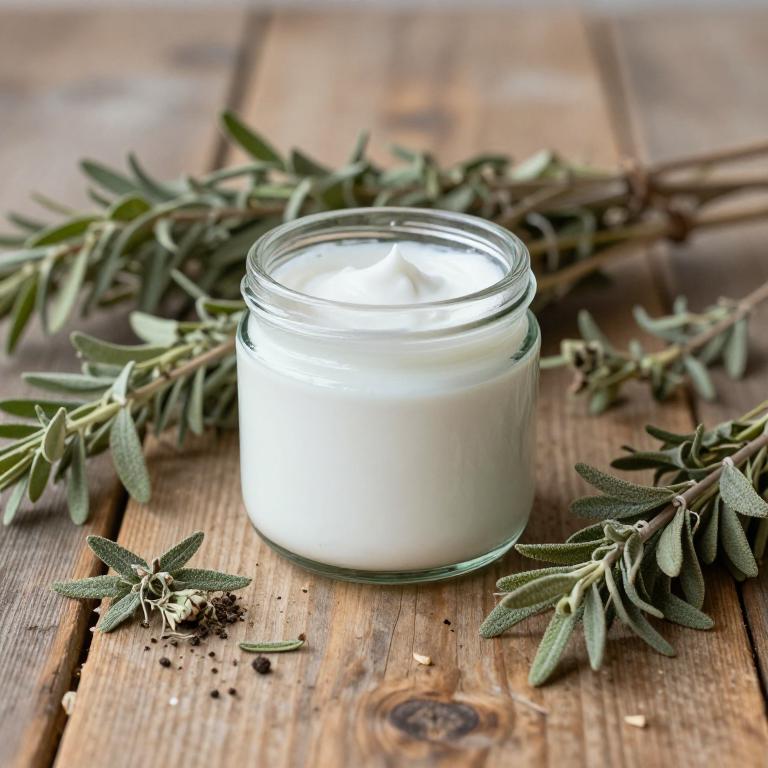
Salvia officinalis, commonly known as sage, has been traditionally used in herbal remedies for its soothing and healing properties.
When incorporated into herbal creams, salvia officinalis can help alleviate symptoms of a lost voice by reducing inflammation and promoting throat healing. These creams often contain other calming ingredients like chamomile or calendula, which further support the recovery process. The anti-inflammatory and antimicrobial properties of sage make it particularly effective for soothing irritated vocal cords.
Using a salvia officinalis herbal cream can be a natural and gentle option for those seeking relief from a sore or strained voice.
7. English lavender (Lavandula angustifolia)
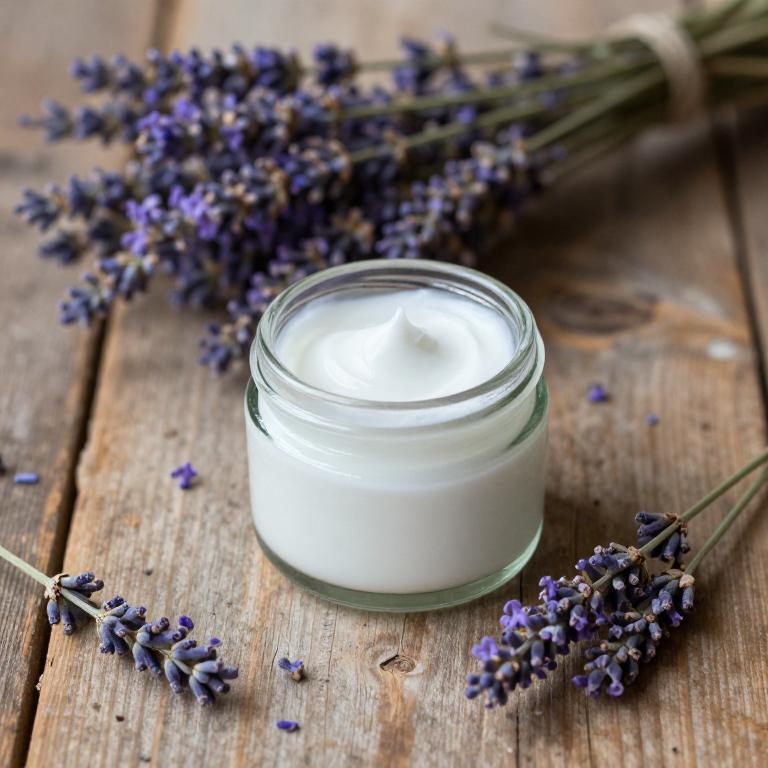
Lavandula angustifolia, commonly known as English lavender, is often used in herbal creams for its calming and soothing properties.
These creams are particularly beneficial for individuals who have lost their voice due to vocal strain, overuse, or throat irritation. The essential oils in lavender, such as linalool and lavandulyl acetate, have anti-inflammatory and analgesic effects that can help reduce throat inflammation and discomfort. When applied topically to the neck and throat area, lavender herbal creams can promote relaxation and ease the recovery process.
Many people find that using these natural remedies alongside rest and hydration can support vocal recovery more effectively.
8. Yarrow (Achillea millefolium)
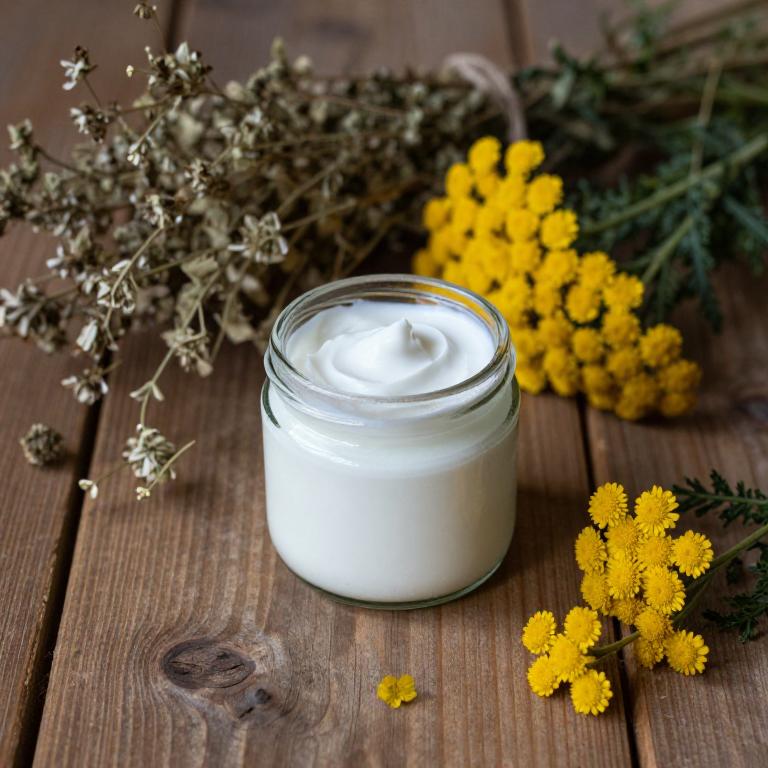
Achillea millefolium, commonly known as yarrow, has been traditionally used in herbal remedies for its anti-inflammatory and soothing properties.
When formulated into creams, it may help alleviate throat irritation and reduce inflammation associated with a lost voice. These creams often contain other complementary herbs like chamomile or calendula to enhance their calming effects. However, while some people find relief using yarrow-based creams, there is limited scientific evidence supporting their effectiveness for voice loss.
It is advisable to consult a healthcare professional before using such remedies, especially if symptoms persist or worsen.
9. Stinging nettle (Urtica dioica)
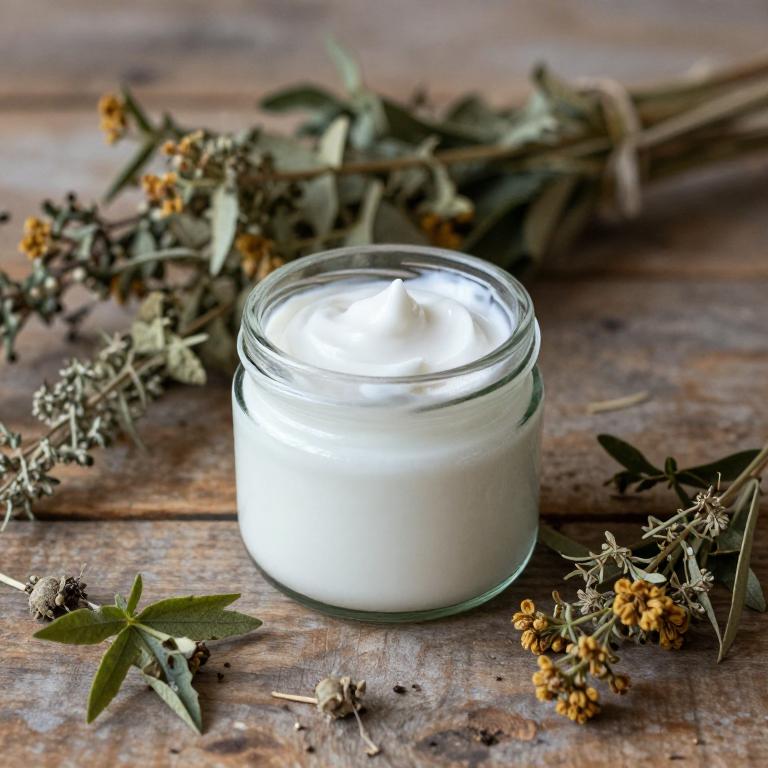
Urtica dioica, commonly known as stinging nettle, has been traditionally used in herbal remedies for various ailments, including respiratory conditions.
Some herbal creams containing Urtica dioica are believed to help soothe inflammation and irritation in the throat, potentially supporting voice recovery. These creams may contain extracts or oils derived from the plant, which are thought to have anti-inflammatory and antiseptic properties. However, it is important to note that there is limited scientific evidence supporting their effectiveness for lost voice specifically.
As with any herbal remedy, it is advisable to consult a healthcare professional before use, especially if symptoms persist or worsen.
10. Thistle (Silybum marianum)
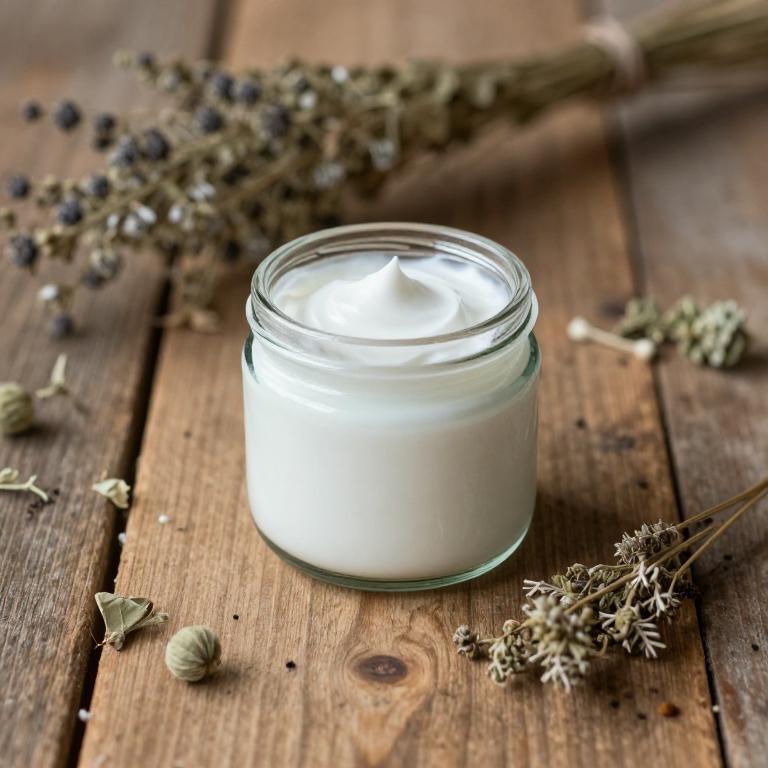
Silybum marianum, also known as milk thistle, is a herbal remedy that has been traditionally used for its potential liver-protective properties.
While it is commonly used in supplements and topical treatments for skin conditions, its application in soothing a lost voice is less well-documented. Some herbal creams containing silybum marianum may be marketed for their anti-inflammatory and soothing effects, which could theoretically help alleviate throat irritation. However, there is limited scientific evidence supporting its effectiveness for voice loss specifically.
It is advisable to consult a healthcare professional before using any herbal remedy for voice-related issues to ensure safety and appropriateness.