10 Best Herbal Lotions For Fever Blister On Lip
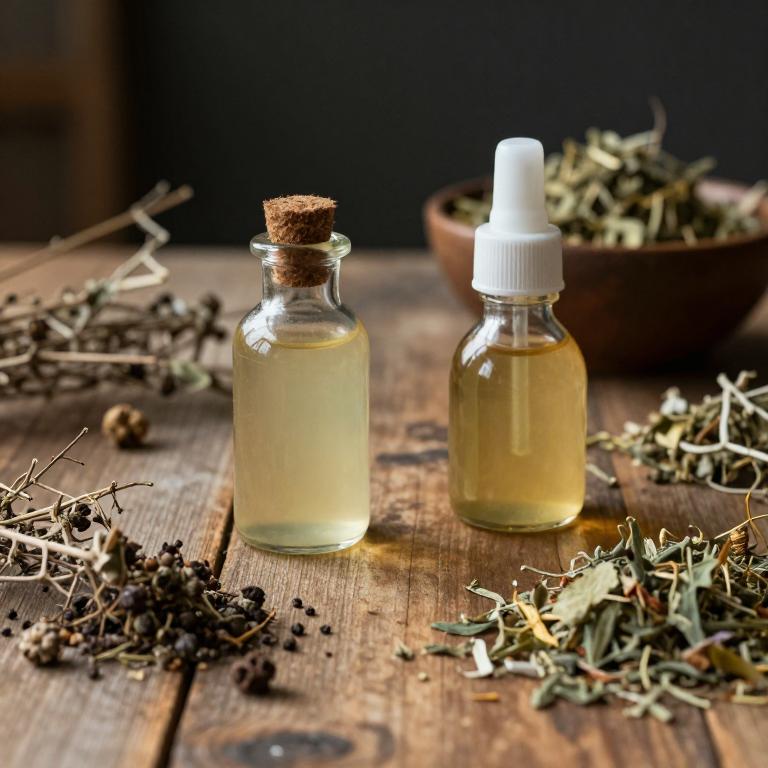
Herbal lotions can be a natural and soothing option for treating fever blisters on the lips, offering gentle relief without harsh chemicals.
These lotions often contain ingredients like chamomile, calendula, and lavender, which have anti-inflammatory and antiseptic properties that may help reduce swelling and prevent infection. Applying a cool herbal lotion can also provide a calming effect, easing discomfort and promoting faster healing. However, it is important to ensure the product is safe for use on sensitive skin and to avoid any ingredients that may irritate the affected area.
While herbal lotions can complement traditional treatments, they should not replace medical advice, especially if the fever blister shows signs of worsening or complications.
Table of Contents
- 1. Marigold (Calendula officinalis)
- 2. St. john's wort (Hypericum perforatum)
- 3. English lavender (Lavandula angustifolia)
- 4. Ginger (Zingiber officinale)
- 5. Aloe vera (Aloe barbadensis)
- 6. Dog rose (Rosa canina)
- 7. Camellia (Camellia sinensis)
- 8. Lemon balm (Melissa officinalis)
- 9. Echinacea (Echinacea purpurea)
- 10. Yarrow (Achillea millefolium)
1. Marigold (Calendula officinalis)
Calendula officinalis herbal lotions are commonly used to soothe and heal fever blisters on the lips due to their anti-inflammatory and antimicrobial properties.
These lotions contain extracts from the Calendula flower, which can help reduce redness, swelling, and irritation associated with cold sores. Applying a calendula lotion gently to the affected area can promote faster healing and provide a protective barrier against further infection. It is typically applied several times a day, and it is often recommended to use a clean applicator to avoid spreading the virus.
While generally safe for most people, individuals with allergies to ragweed or related plants should exercise caution when using calendula-based products.
2. St. john's wort (Hypericum perforatum)
Hypericum perforatum, commonly known as St. John's Wort, is a herbal plant that has been traditionally used for its potential anti-inflammatory and antiviral properties.
Herbal lotions containing Hypericum perforatum may be applied topically to fever blisters on the lips to help reduce inflammation and promote healing. These lotions are often favored for their natural ingredients and minimal side effects compared to conventional treatments. However, it is important to consult a healthcare professional before using them, especially if you are on other medications, as St. John's Wort can interact with certain drugs.
While some people find relief with these herbal lotions, they may not be a substitute for medical treatment in severe or persistent cases.
3. English lavender (Lavandula angustifolia)
Lavandula angustifolia, commonly known as English lavender, is often used in herbal lotions for its soothing and antiviral properties.
These lotions can help alleviate the discomfort associated with fever blisters on the lips by reducing inflammation and promoting healing. The essential oils in lavender have been shown to have mild antiseptic and anti-inflammatory effects, which may help prevent infection and speed up the recovery process. When applied topically, lavender-based lotions can provide a calming effect, easing the pain and irritation of cold sores.
However, it is important to ensure that the product is properly diluted to avoid skin irritation, especially for those with sensitive skin.
4. Ginger (Zingiber officinale)
Zingiber officinale, commonly known as ginger, has been traditionally used for its anti-inflammatory and antiviral properties, making it a popular ingredient in herbal lotions for treating fever blisters on the lips.
These lotions often contain powdered ginger or ginger extract, which can help reduce swelling, redness, and discomfort associated with cold sores. The warming effect of ginger may also promote circulation and aid in the healing process. However, it is important to patch test the lotion first, as some individuals may experience skin irritation.
While ginger-based lotions can provide symptomatic relief, they should not replace medical treatment for severe or persistent fever blisters.
5. Aloe vera (Aloe barbadensis)
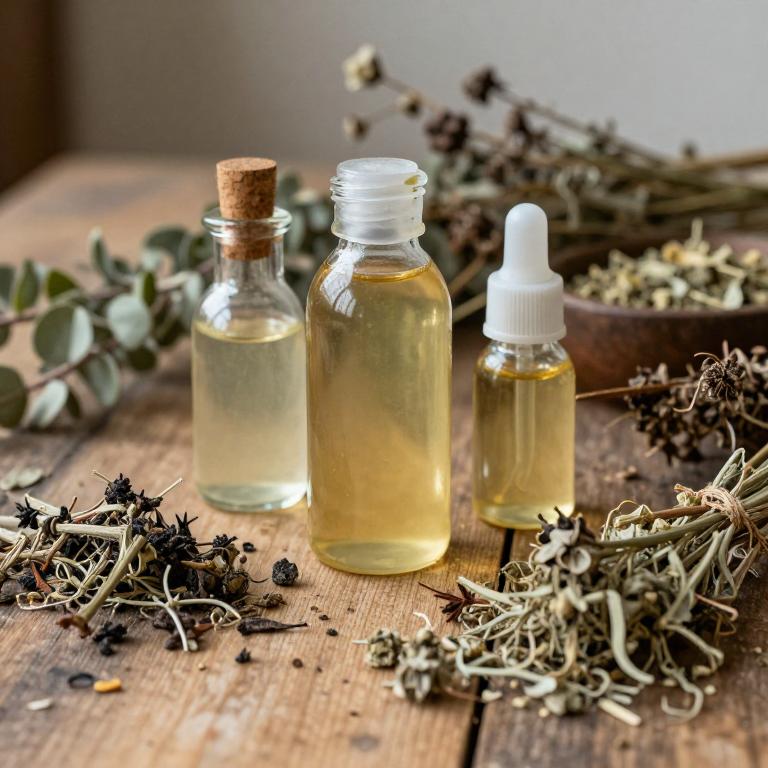
Aloe barbadensis, commonly known as aloe vera, is often used in herbal lotions for its soothing and healing properties.
When applied to fever blisters on the lips, aloe vera lotion can help reduce inflammation and promote the healing process. Its natural antiviral and antimicrobial components may help prevent the spread of the herpes simplex virus. The cooling effect of aloe vera can also provide relief from the discomfort and pain associated with cold sores.
However, it is important to consult a healthcare professional before using aloe vera lotion, especially if the blisters are severe or persistent.
6. Dog rose (Rosa canina)
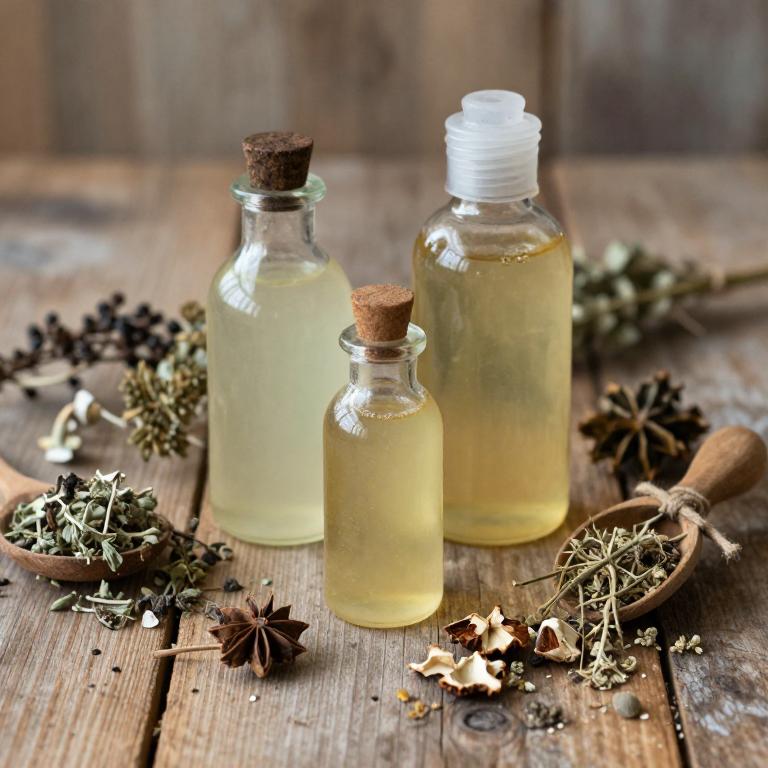
Rosa canina herbal lotion, derived from the rosehip plant, is a natural remedy that may help soothe and heal fever blisters on the lips.
It contains essential fatty acids and antioxidants that can reduce inflammation and promote skin repair. This lotion is often used topically to ease the discomfort associated with cold sores caused by the herpes simplex virus. Its gentle formulation makes it suitable for sensitive skin, providing a calming effect without harsh chemicals.
While it may not cure the infection, it can support the healing process and alleviate symptoms.
7. Camellia (Camellia sinensis)
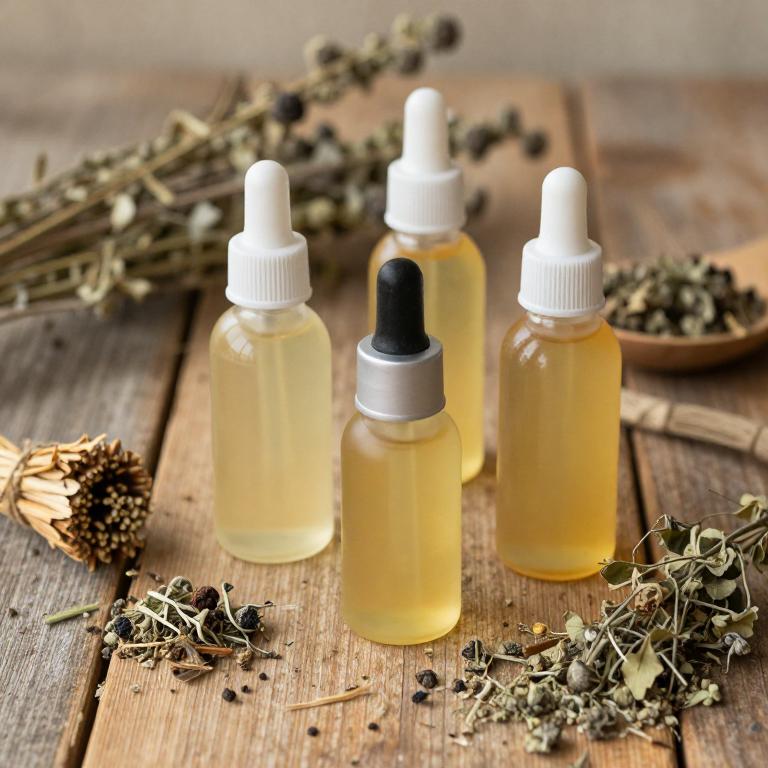
Camellia sinensis herbal lotions, derived from the leaves of the tea plant, are traditionally used for their soothing and anti-inflammatory properties.
These lotions may help alleviate the discomfort associated with fever blisters on the lips by reducing redness and swelling. While not a cure for cold sores, they can provide a calming effect and promote faster healing when applied topically. Some formulations may contain additional ingredients like aloe vera or chamomile to enhance their therapeutic benefits.
It is important to consult a healthcare provider before using any herbal remedy, especially if the fever blister is severe or persistent.
8. Lemon balm (Melissa officinalis)
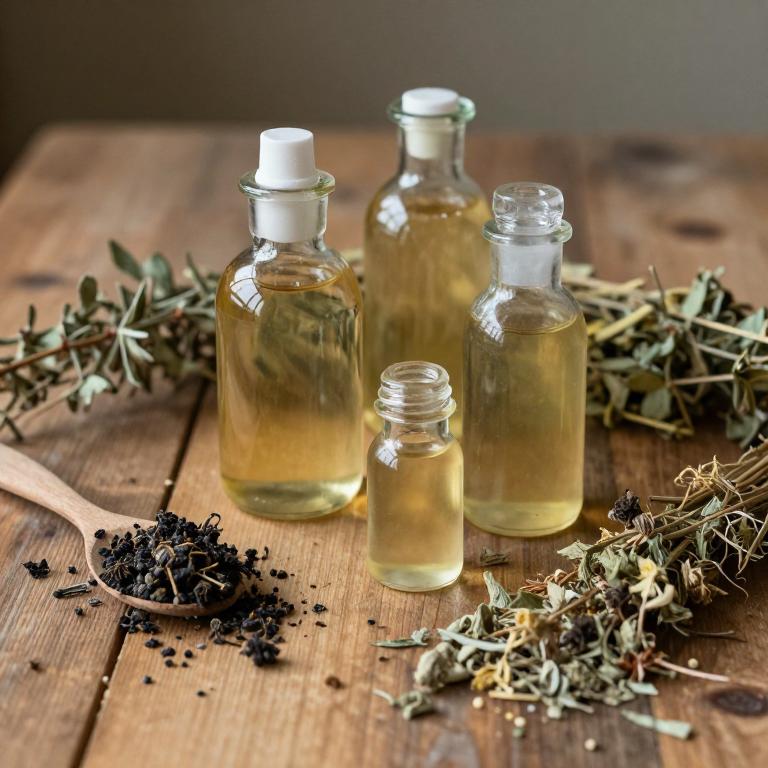
Melissa officinalis, commonly known as lemon balm, is a herbal remedy often used in the form of a lotion to address fever blisters on the lips.
This soothing topical treatment is believed to help reduce the symptoms of cold sores by calming inflammation and promoting healing. The active compounds in lemon balm, such as rosmarinic acid and flavonoids, may have antiviral and anti-inflammatory properties that support the body's natural recovery process. When applied gently to the affected area, the lotion can provide a cooling effect and offer relief from the discomfort associated with fever blisters.
While it is generally considered safe for topical use, it is advisable to consult a healthcare professional before using it, especially if there are underlying skin conditions or allergies.
9. Echinacea (Echinacea purpurea)
Echinacea purpurea herbal lotions are commonly used to support the body's natural defenses against colds and viral infections, including those that cause fever blisters on the lips.
These lotions typically contain extracts from the purple coneflower, known for its immune-boosting properties. When applied topically, they may help reduce the duration and severity of fever blisters by promoting healing and soothing irritation. However, it is important to note that while some studies suggest echinacea may have mild antiviral effects, its efficacy for treating fever blisters specifically is still under investigation.
As with any herbal remedy, it is advisable to consult a healthcare professional before use, especially if you have sensitive skin or are taking other medications.
10. Yarrow (Achillea millefolium)
Achillea millefolium, commonly known as yarrow, has been traditionally used for its anti-inflammatory and antiseptic properties, making it a potential ingredient in herbal lotions for treating fever blisters on the lips.
These lotions often contain a combination of yarrow extract and other soothing herbs like calendula or chamomile to help reduce redness, swelling, and irritation associated with cold sores. Applying a yarrow-based herbal lotion can provide a calming effect and may help speed up the healing process by promoting skin regeneration. However, it is important to consult a healthcare professional before using any herbal remedies, especially if you have sensitive skin or are taking medications.
While some people find relief with these natural treatments, they should not replace medical advice or prescribed antiviral medications for severe or recurring fever blisters.