10 Best Herbal Essential Oils For Leg Pain
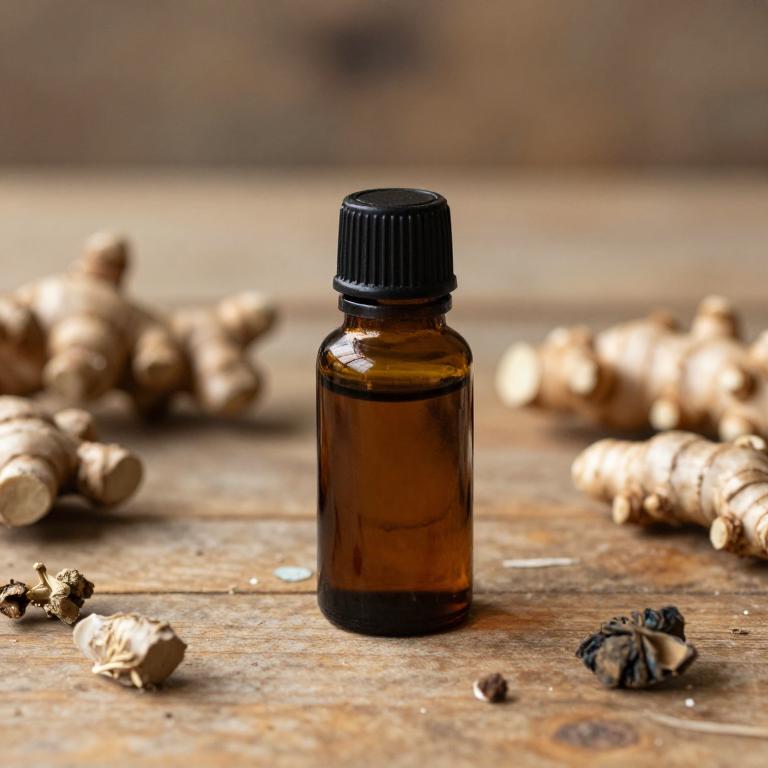
Herbal essential oils, such as peppermint, eucalyptus, and ginger, are often used to alleviate leg pain due to their anti-inflammatory and analgesic properties.
These oils can be diluted with a carrier oil and applied topically to the affected area to reduce discomfort and promote circulation. Many individuals find relief through regular use of these oils in massage or through aromatherapy techniques. However, it is important to consult with a healthcare professional before using essential oils, especially if there are underlying health conditions or allergies.
While they can be a natural complement to conventional treatments, they should not replace medical advice or prescribed therapies.
Table of Contents
- 1. Ginger (Zingiber officinale)
- 2. Bell pepper (Capsicum annuum)
- 3. Eucalyptus (Eucalyptus globulus)
- 4. Ceylon cinnamon (Cinnamomum zeylanicum)
- 5. Black pepper (Piper nigrum)
- 6. Turmeric (Curcuma longa)
- 7. English lavender (Lavandula angustifolia)
- 8. Rosemary (Rosmarinus officinalis)
- 9. Peppermint (Mentha piperita)
- 10. Chaste tree (Vitex agnus-castus)
1. Ginger (Zingiber officinale)
Zingiber officinale, commonly known as ginger, is a popular herbal plant whose essential oils are widely used for their therapeutic properties.
The essential oil of ginger contains compounds such as gingerol and shogaol, which are known for their anti-inflammatory and analgesic effects. When applied topically, ginger essential oil can help alleviate leg pain by reducing inflammation and improving circulation in the affected areas. It is often diluted with a carrier oil before application to prevent skin irritation.
Due to its natural pain-relieving properties, ginger essential oil is a favored alternative remedy for individuals suffering from chronic leg pain or muscle soreness.
2. Bell pepper (Capsicum annuum)
Capsicum annuum, commonly known as bell pepper, contains capsaicin, which is the active compound responsible for the heat in chili peppers.
While capsicum annuum is not typically used as a direct source for essential oils, some essential oils derived from related plants may contain capsaicin or similar compounds that can provide therapeutic benefits. These essential oils are sometimes used in topical applications to alleviate leg pain by increasing blood circulation and reducing inflammation. However, it is important to note that the use of capsicum-based essential oils should be approached with caution, as they can cause skin irritation or allergic reactions in some individuals.
Always consult with a qualified healthcare professional before using any essential oils for medicinal purposes.
3. Eucalyptus (Eucalyptus globulus)
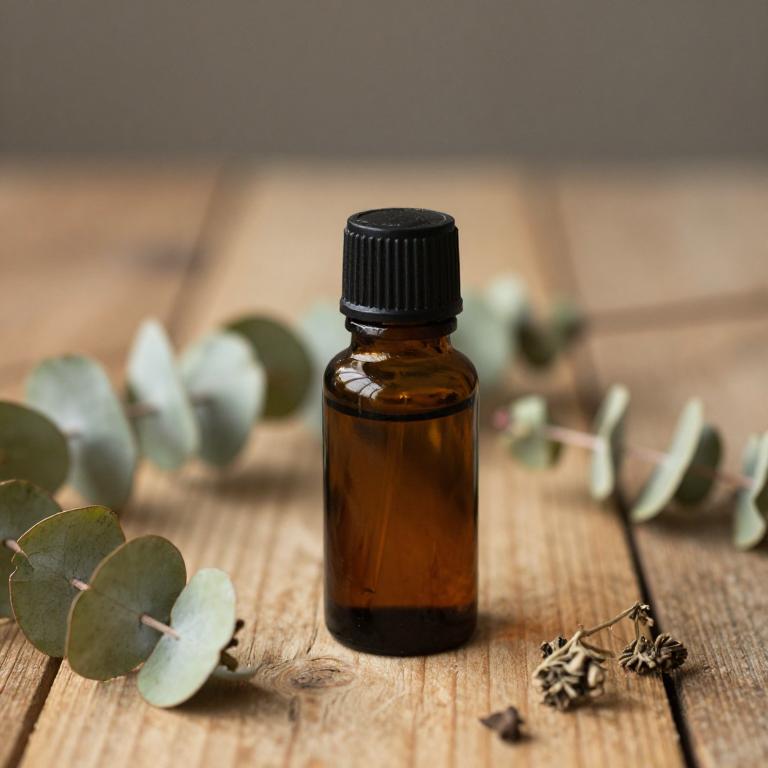
Eucalyptus globulus, commonly known as Tasmanian blue gum, is a popular source of essential oil widely used for its therapeutic properties.
The essential oil derived from this plant contains compounds like cineole and limonene, which are known for their anti-inflammatory and analgesic effects. When applied topically to the legs, eucalyptus globulus oil can help alleviate pain and discomfort associated with conditions such as muscle strain, arthritis, or general leg fatigue. Its cooling and soothing properties make it a favored choice in natural remedies for reducing inflammation and improving circulation in the lower limbs.
However, it is important to dilute the oil with a carrier oil before application to avoid skin irritation and ensure safe use.
4. Ceylon cinnamon (Cinnamomum zeylanicum)
Cinnamomum zeylanicum, commonly known as cinnamon, produces an essential oil that has been traditionally used for its therapeutic properties, including relief from leg pain.
The oil contains compounds like cinnamaldehyde and eugenol, which possess anti-inflammatory and analgesic effects that can help reduce pain and swelling in the legs. When applied topically, the essential oil can improve circulation and ease muscle tension, making it a popular choice for those suffering from conditions like restless leg syndrome or muscle soreness. It is often diluted with a carrier oil before use to avoid skin irritation, and can be massaged into the affected areas for targeted relief.
While it may offer natural relief, it is advisable to consult a healthcare professional before using it for persistent or severe leg pain.
5. Black pepper (Piper nigrum)
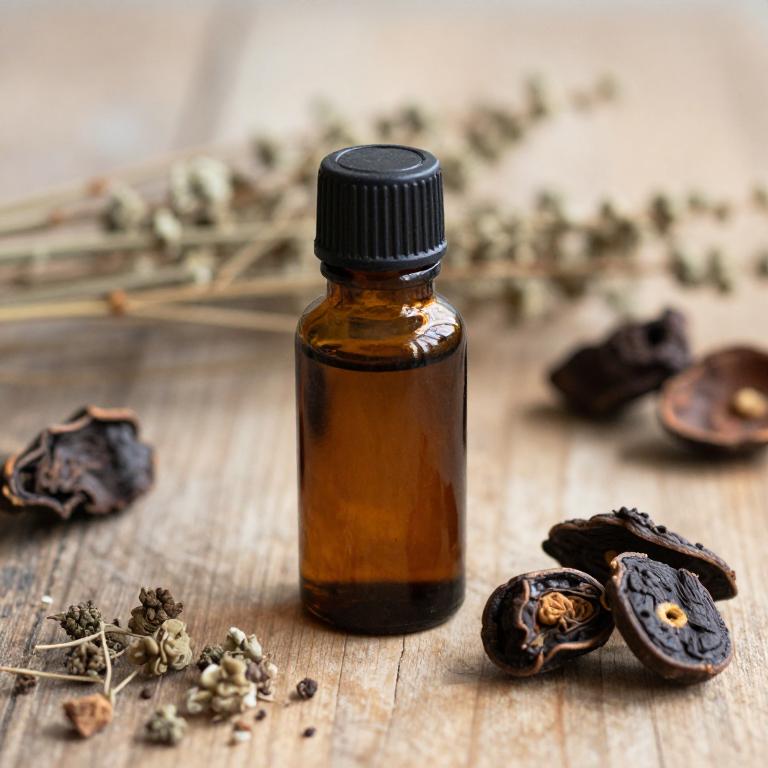
Piper nigrum, commonly known as black pepper, contains essential oils that have been traditionally used for their warming and analgesic properties.
These essential oils, derived from the dried fruit of the plant, contain compounds like piperine, which may help improve circulation and reduce inflammation. When applied topically, Piper nigrum essential oil can provide relief from leg pain by stimulating blood flow and easing muscle tension. However, it is important to dilute the oil with a carrier oil before application to avoid skin irritation.
While some studies suggest potential benefits, more research is needed to fully understand its efficacy for treating leg pain.
6. Turmeric (Curcuma longa)
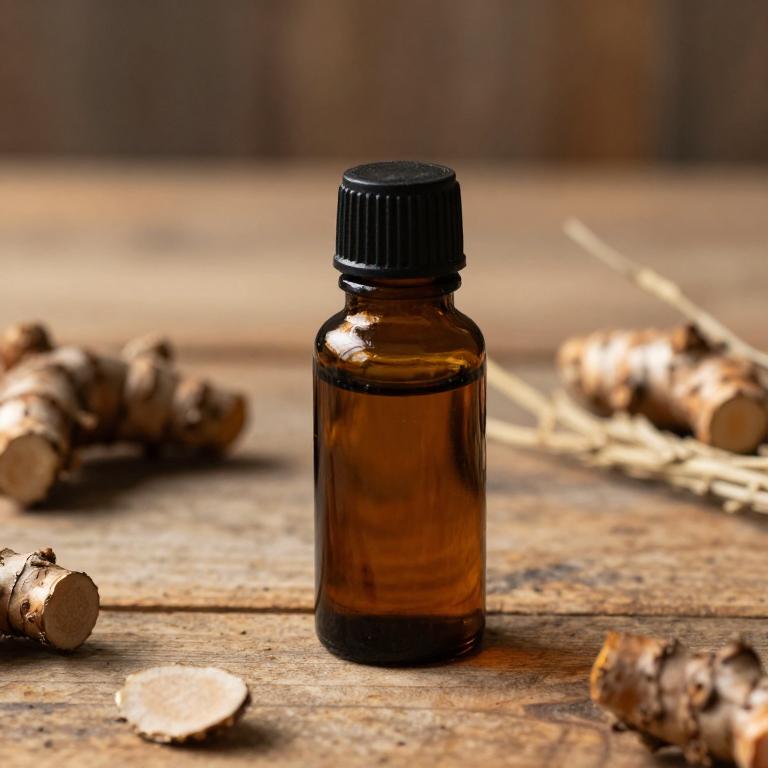
Curcuma longa, commonly known as turmeric, is a well-known herb that contains curcumin, a compound with potent anti-inflammatory and analgesic properties.
Essential oils derived from Curcuma longa have been utilized in traditional medicine for their ability to alleviate pain and reduce inflammation, making them a potential natural remedy for leg pain. These essential oils can be applied topically, diluted with a carrier oil, to target sore muscles, bruises, or nerve pain in the legs. The anti-inflammatory effects of curcumin may help reduce swelling and improve circulation, offering relief for conditions such as arthritis or muscle strain.
However, it is important to consult with a healthcare professional before using essential oils, especially if you have underlying health conditions or are pregnant.
7. English lavender (Lavandula angustifolia)
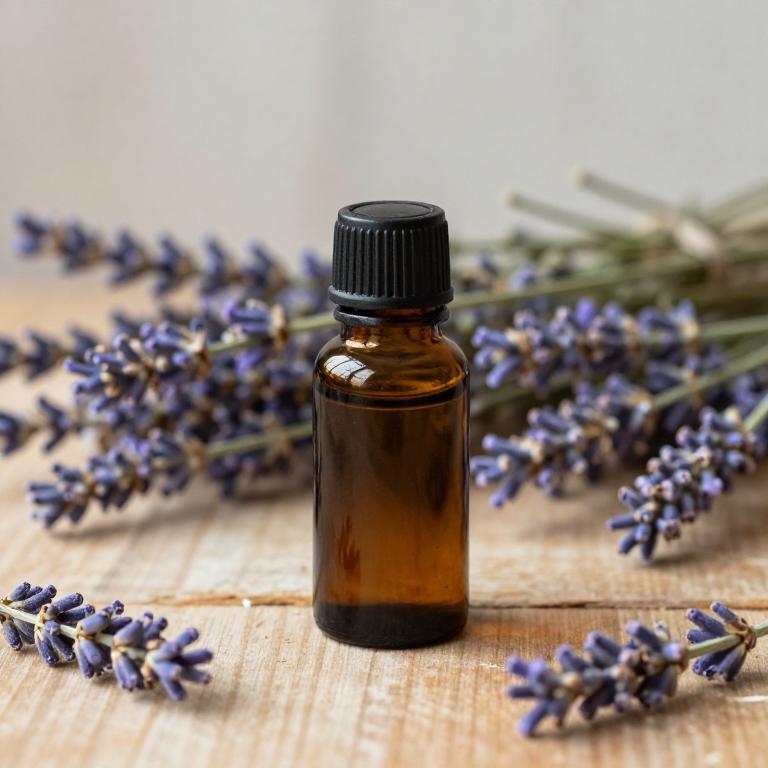
Lavandula angustifolia, commonly known as English lavender, is widely recognized for its calming and therapeutic properties, including its potential to alleviate leg pain.
The essential oil derived from this plant contains compounds such as linalool and linalyl acetate, which have anti-inflammatory and analgesic effects. When applied topically, lavender essential oil can help reduce swelling, soothe muscle aches, and promote relaxation in the legs. It is often used in massage therapy and aromatherapy to ease discomfort associated with conditions like varicose veins or muscle strain.
However, it should always be diluted with a carrier oil before application to avoid skin irritation.
8. Rosemary (Rosmarinus officinalis)
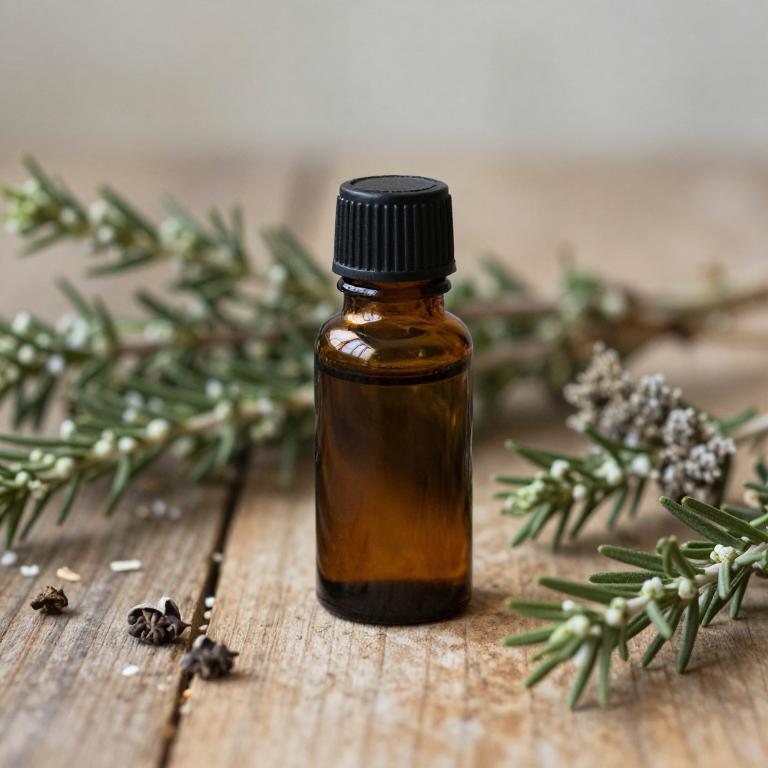
Rosmarinus officinalis, commonly known as rosemary, produces essential oils that are widely used for their therapeutic properties, including relief from leg pain.
The essential oil of rosemary contains compounds like cineole and camphor, which have anti-inflammatory and analgesic effects that can help reduce discomfort and swelling in the legs. When applied topically, rosemary essential oil can improve circulation, which is beneficial for conditions such as varicose veins and muscle soreness. It is often diluted with a carrier oil before use to prevent skin irritation and ensure safe application.
Many people find that regular use of rosemary essential oil provides a natural and effective way to manage leg pain and enhance overall well-being.
9. Peppermint (Mentha piperita)
Mentha piperita, commonly known as peppermint, is a popular herb used in the production of essential oils that are often applied for relief from leg pain.
The essential oil derived from peppermint contains potent compounds like menthol, which have cooling and analgesic properties that can help reduce inflammation and soothe muscle aches. When applied topically to the legs, peppermint essential oil can provide a numbing effect that alleviates discomfort associated with conditions like muscle soreness, cramps, or even minor injuries. It is often diluted with a carrier oil before application to prevent skin irritation and ensure safe usage.
Peppermint essential oil is a natural remedy that many people prefer for its refreshing scent and potential therapeutic benefits for leg pain.
10. Chaste tree (Vitex agnus-castus)
Vitex agnus-castus, commonly known as chasteberry, is a herb that has been traditionally used to support hormonal balance and may have potential benefits for various health conditions.
While it is primarily known for its effects on the female reproductive system, some studies suggest that its essential oils may possess anti-inflammatory and analgesic properties. These properties could potentially help alleviate symptoms associated with leg pain, such as inflammation or muscle discomfort. However, it is important to note that essential oils derived from Vitex agnus-castus should be used with caution and under the guidance of a qualified aromatherapist or healthcare provider.
As with any herbal remedy, individual responses can vary, and it is advisable to consult a healthcare professional before using it for chronic or severe leg pain.