10 Best Herbal Capsules For Laryngitis

Herbal capsules for laryngitis are commonly used as a natural alternative to conventional medications for soothing throat irritation and reducing inflammation.
These capsules typically contain a blend of herbs such as licorice root, thyme, eucalyptus, and ginger, which are known for their anti-inflammatory and antimicrobial properties. They work by helping to reduce mucus production, ease coughing, and promote healing of the throat lining. Many people prefer herbal capsules due to their mild side effect profile and holistic approach to health.
However, it is important to consult with a healthcare provider before using them, especially if you have underlying medical conditions or are taking other medications.
Table of Contents
- 1. Ginger (Zingiber officinale)
- 2. Licorice (Glycyrrhiza glabra)
- 3. Thyme (Thymus vulgaris)
- 4. Stinging nettle (Urtica dioica)
- 5. Echinacea (Echinacea purpurea)
- 6. Chamomile (Matricaria chamomilla)
- 7. Chaste tree (Vitex agnus-castus)
- 8. Salvia (Salvia officinalis)
- 9. Yarrow (Achillea millefolium)
- 10. Black elderberry (Sambucus nigra)
1. Ginger (Zingiber officinale)
Zingiber officinale, commonly known as ginger, has been traditionally used for its anti-inflammatory and soothing properties, making it a popular herbal remedy for laryngitis.
Herbal capsules containing zingiber officinale are often taken to alleviate symptoms such as sore throat and hoarseness by reducing inflammation in the throat tissues. These capsules provide a convenient and concentrated form of ginger, allowing for consistent dosing. Studies suggest that ginger may help reduce mucus production and ease coughing, supporting recovery from laryngitis.
However, it is important to consult a healthcare professional before using ginger supplements, especially if you are on other medications or have underlying health conditions.
2. Licorice (Glycyrrhiza glabra)
Glycyrrhiza glabra, commonly known as licorice root, is widely used in herbal medicine for its anti-inflammatory and soothing properties.
When formulated into capsules, it can be an effective natural remedy for laryngitis, helping to reduce inflammation and irritation in the throat. The active compounds in licorice root, such as glycyrrhizin and flavonoids, contribute to its ability to alleviate symptoms like hoarseness and coughing. However, long-term use of glycyrrhiza glabra capsules should be monitored due to potential side effects like increased blood pressure.
As a complementary therapy, licorice root capsules may support recovery when used alongside conventional treatments for laryngitis.
3. Thyme (Thymus vulgaris)
Thymus vulgaris herbal capsules are a natural remedy often used to support the treatment of laryngitis, a condition characterized by inflammation of the larynx leading to hoarseness or loss of voice.
These capsules contain extracts from the thymus plant, which is believed to have immune-boosting properties that may help reduce inflammation and promote healing in the throat. Traditional medicine systems have long utilized thymus vulgaris for its potential to enhance respiratory function and support the body's natural defenses against infections. While scientific research on its efficacy for laryngitis is limited, many users report improved symptoms and faster recovery when using these herbal capsules as part of a holistic treatment plan.
As with any herbal remedy, it is important to consult with a healthcare professional before use, especially if you have underlying health conditions or are taking other medications.
4. Stinging nettle (Urtica dioica)
Urtica dioica, commonly known as stinging nettle, has been traditionally used for its anti-inflammatory and soothing properties, making it a potential natural remedy for laryngitis.
Herbal capsules containing Urtica dioica extract are often formulated to support throat health by reducing swelling and irritation in the vocal cords. These capsules may help alleviate symptoms such as hoarseness and coughing associated with laryngitis by promoting tissue repair and reducing mucus production. While scientific evidence supporting its efficacy for laryngitis is limited, some studies suggest that the plant’s compounds may have mild antiviral and antimicrobial effects.
As with any herbal supplement, it is advisable to consult a healthcare provider before use, especially for individuals with existing health conditions or those taking other medications.
5. Echinacea (Echinacea purpurea)
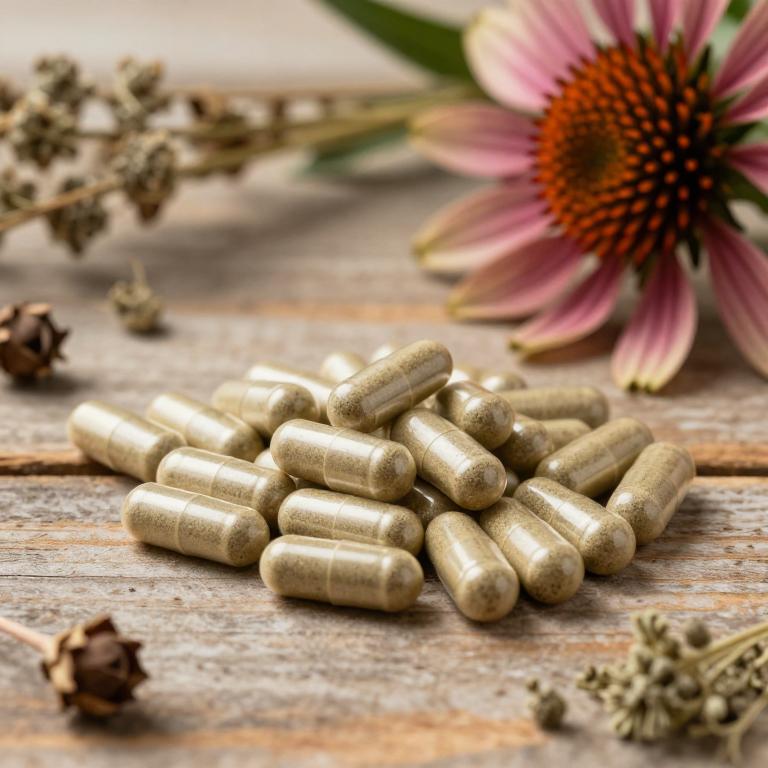
Echinacea purpurea, commonly known as purple coneflower, is a popular herbal remedy often used to support immune function and reduce the severity of respiratory infections.
When formulated into capsules, Echinacea purpurea may help alleviate symptoms of laryngitis by reducing inflammation and promoting faster recovery of the throat tissues. Studies suggest that its active compounds, such as alkamides and polysaccharides, may enhance the body's immune response and have antimicrobial properties. However, the effectiveness of Echinacea purpurea capsules for laryngitis can vary, and it is often recommended to consult a healthcare provider before use, especially for individuals with allergies or those taking other medications.
Despite its traditional use, more rigorous clinical trials are needed to fully establish its efficacy and safety for treating laryngitis.
6. Chamomile (Matricaria chamomilla)
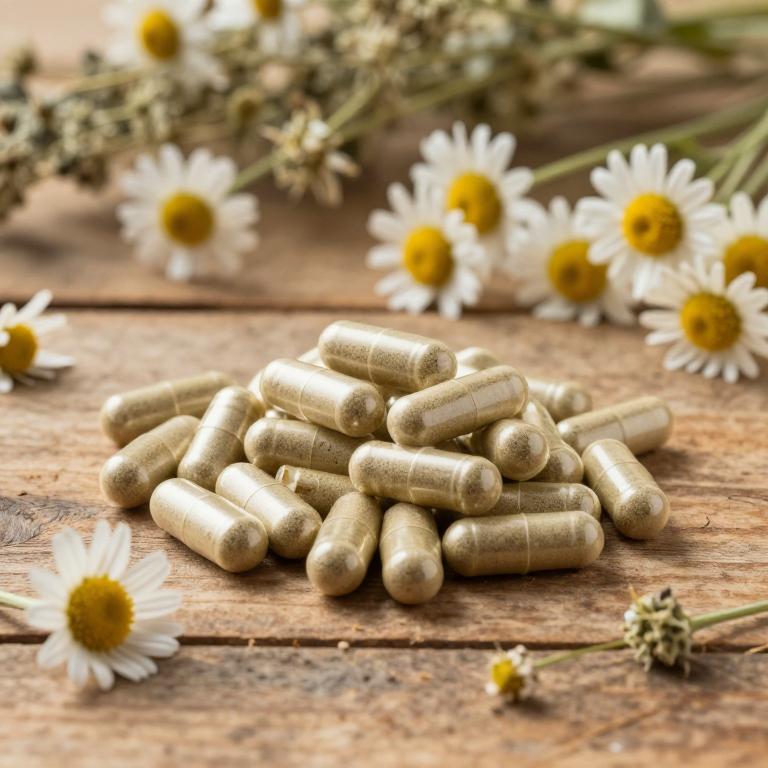
Matricaria chamomilla, commonly known as chamomile, is often used in herbal capsules to support the treatment of laryngitis due to its anti-inflammatory and soothing properties.
These capsules contain standardized extracts of the flower, which are rich in compounds like apigenin and bisabolol that help reduce throat irritation and inflammation. Chamomile is believed to ease coughing and soothe the mucous membranes of the throat, providing relief from the discomfort associated with laryngitis. While it is generally considered safe for most adults, it is important to consult a healthcare provider before use, especially for those with allergies or taking other medications.
As a complementary therapy, chamomile capsules may help alleviate symptoms, though they should not replace professional medical advice or treatment.
7. Chaste tree (Vitex agnus-castus)
Vitex agnus-castus, commonly known as chasteberry, is often used in herbal medicine to support hormonal balance and may have anti-inflammatory properties that could be beneficial for laryngitis.
Herbal capsules containing Vitex agnus-castus are typically taken orally and are believed to help reduce inflammation and soothe irritated throat tissues. While research on its specific efficacy for laryngitis is limited, some studies suggest it may help regulate hormonal fluctuations that can contribute to throat inflammation. It is important to consult a healthcare provider before using Vitex agnus-castus, especially if you are pregnant, breastfeeding, or taking other medications.
As a complementary therapy, Vitex agnus-castus may be considered alongside conventional treatments for laryngitis to support overall throat health.
8. Salvia (Salvia officinalis)
Salvia officinalis, commonly known as sage, has been traditionally used for its therapeutic properties, and its herbal capsules are increasingly being explored for their potential benefits in treating laryngitis.
These capsules contain concentrated extracts of the plant, which are believed to possess anti-inflammatory, antimicrobial, and soothing properties that may help alleviate symptoms such as sore throat and hoarseness. Research suggests that sage may help reduce inflammation in the throat and support the healing process by promoting a healthy immune response. However, it is important to consult with a healthcare professional before using sage capsules, especially for individuals with underlying health conditions or those taking other medications.
While some studies show promise, more clinical trials are needed to fully establish the efficacy and safety of salvia officinalis for laryngitis.
9. Yarrow (Achillea millefolium)
Achillea millefolium, commonly known as yarrow, is a traditional herbal remedy that has been used for centuries to support respiratory health.
When formulated into herbal capsules, it may help alleviate symptoms of laryngitis by reducing inflammation and soothing irritated throat tissues. The active compounds in yarrow, such as flavonoids and essential oils, are believed to have antimicrobial and anti-inflammatory properties that can aid in healing the throat. These capsules are often used as a complementary therapy alongside conventional treatments for laryngitis.
However, it is important to consult with a healthcare professional before using yarrow, especially for individuals with existing medical conditions or those taking other medications.
10. Black elderberry (Sambucus nigra)

Sambucus nigra, also known as European elderberry, is commonly used in herbal medicine for its potential anti-inflammatory and immune-boosting properties.
When formulated into capsules, Sambucus nigra may help alleviate symptoms of laryngitis by reducing throat inflammation and soothing irritation. Studies suggest that the flavonoids and antioxidants in elderberry can support the body's immune response, potentially shortening the duration of respiratory infections. However, while some anecdotal evidence supports its use, more clinical research is needed to confirm its efficacy for laryngitis specifically.
As with any herbal supplement, it is advisable to consult a healthcare provider before use, especially for individuals with underlying health conditions or those taking other medications.