10 Best Herbal Essential Oils For Knee Swelling
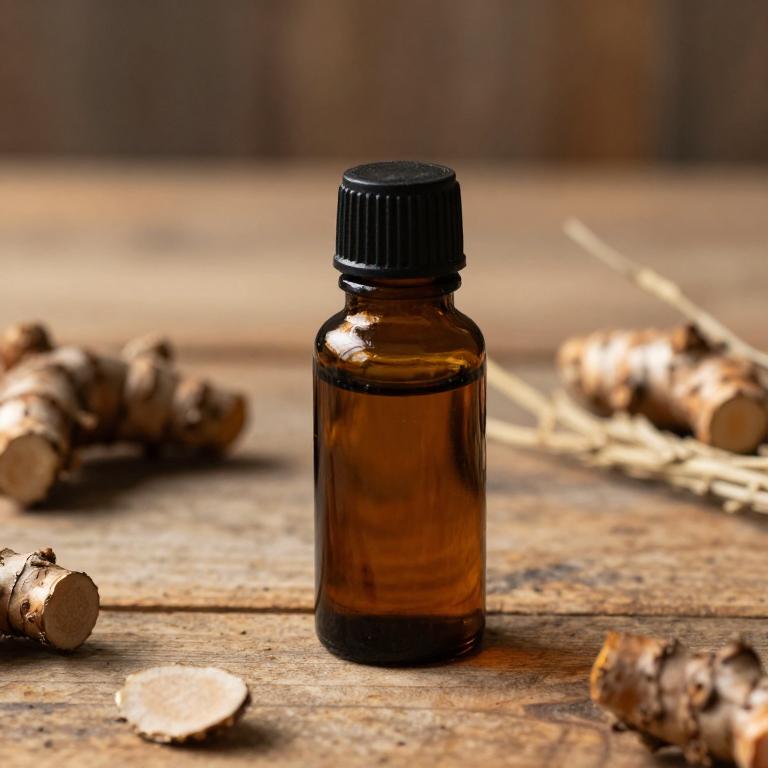
Herbal essential oils, such as eucalyptus, peppermint, and ginger, are often used to alleviate knee swelling due to their anti-inflammatory and analgesic properties.
These oils can be diluted with a carrier oil and applied topically to the affected area to reduce inflammation and improve circulation. Some studies suggest that certain essential oils may help reduce pain and stiffness associated with conditions like arthritis. However, it is important to consult a healthcare professional before using essential oils, especially if you have sensitive skin or are taking medications.
While they can be a complementary therapy, they should not replace conventional medical treatments for knee swelling.
Table of Contents
- 1. Turmeric (Curcuma longa)
- 2. Ginger (Zingiber officinale)
- 3. Salvia (Salvia officinalis)
- 4. Chaste tree (Vitex agnus-castus)
- 5. Dog rose (Rosa canina)
- 6. Chamomile (Matricaria chamomilla)
- 7. Yarrow (Achillea millefolium)
- 8. St. john's wort (Hypericum perforatum)
- 9. Ceylon cinnamon (Cinnamomum zeylanicum)
- 10. Common grape (Vitis vinifera)
1. Turmeric (Curcuma longa)
Curcuma longa, commonly known as turmeric, contains curcumin, a compound with potent anti-inflammatory and antioxidant properties that may help reduce knee swelling.
Essential oils derived from Curcuma longa are often used in aromatherapy and topical applications to alleviate pain and inflammation associated with conditions like osteoarthritis. These oils can be diluted with a carrier oil and applied directly to the affected area for localized relief. Studies suggest that curcumin may inhibit inflammatory pathways in the body, potentially reducing joint swelling and improving mobility.
While more research is needed, many individuals find curcuma longa essential oils to be a natural and complementary option for managing knee inflammation.
2. Ginger (Zingiber officinale)
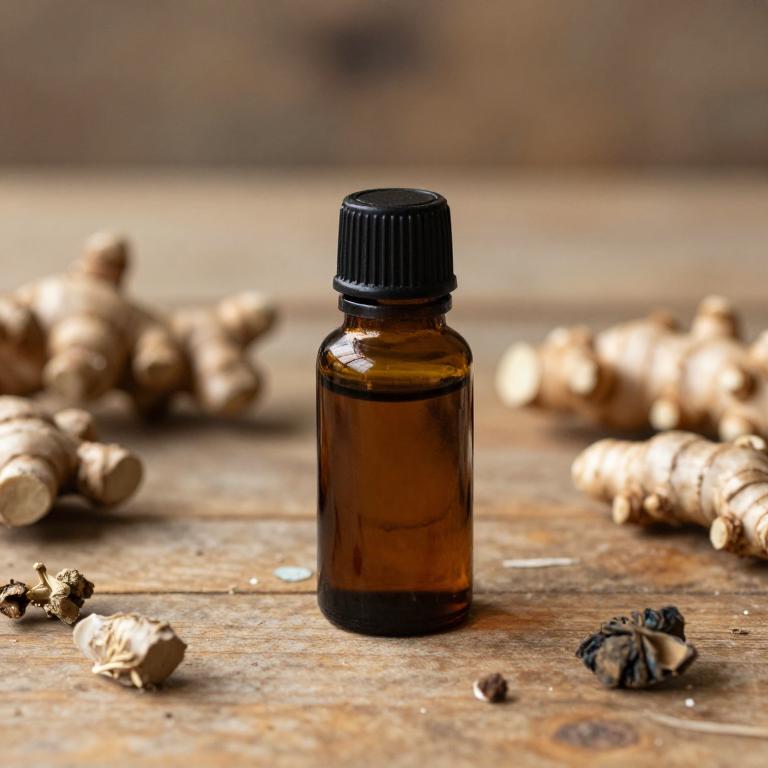
Zingiber officinale, commonly known as ginger, contains essential oils that have been traditionally used for their anti-inflammatory and analgesic properties.
These essential oils, derived from the rhizome of the plant, contain bioactive compounds such as gingerol and shogaol, which may help reduce inflammation and pain associated with knee swelling. When applied topically, ginger essential oil can improve blood circulation and alleviate discomfort in the affected area. However, it is important to dilute the essential oil with a carrier oil to prevent skin irritation.
While some studies suggest potential benefits, more research is needed to fully understand its efficacy and safety for treating knee swelling.
3. Salvia (Salvia officinalis)
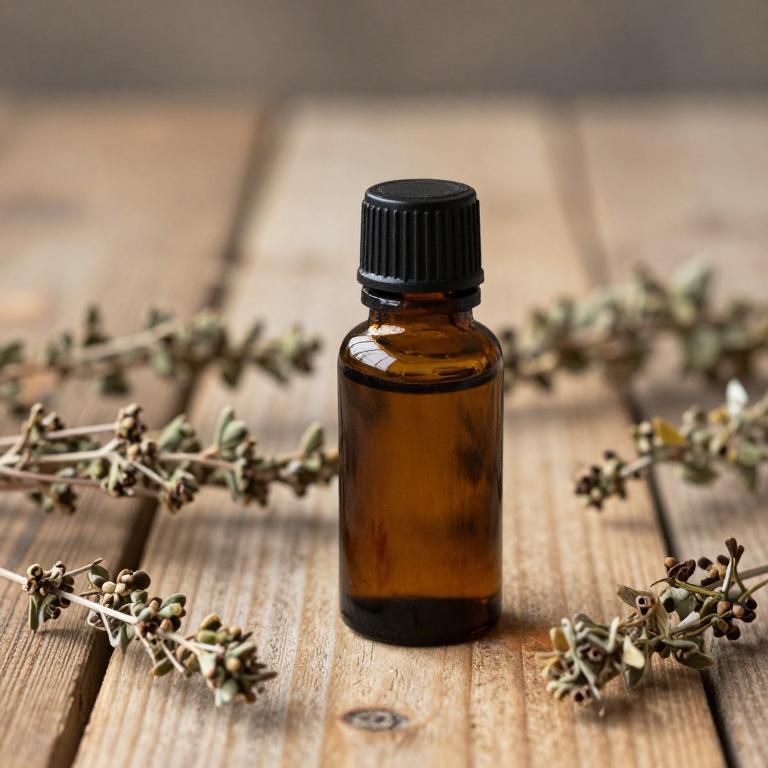
Salvia officinalis, commonly known as sage, contains essential oils that have been traditionally used for their anti-inflammatory and analgesic properties.
These essential oils, including components like thujone and camphor, may help reduce knee swelling by inhibiting inflammatory pathways in the body. When diluted properly, sage essential oil can be applied topically to the affected area, offering a natural alternative for managing joint inflammation. However, it is important to consult with a healthcare professional before using essential oils, especially for chronic conditions like knee swelling.
While some studies suggest potential benefits, more research is needed to fully understand its efficacy and safety in treating inflammatory conditions.
4. Chaste tree (Vitex agnus-castus)

Vitex agnus-castus, commonly known as chasteberry, is often used in herbal medicine for its potential anti-inflammatory properties.
While essential oils derived from this plant are not typically used directly for knee swelling, they may be part of a broader aromatherapy approach to support overall joint health. Some studies suggest that compounds in vitex may help reduce inflammation and improve circulation, which could indirectly benefit knee swelling. However, it is important to consult a healthcare professional before using any essential oils for medical conditions.
Proper dilution and safe application methods are essential to avoid skin irritation or adverse reactions.
5. Dog rose (Rosa canina)
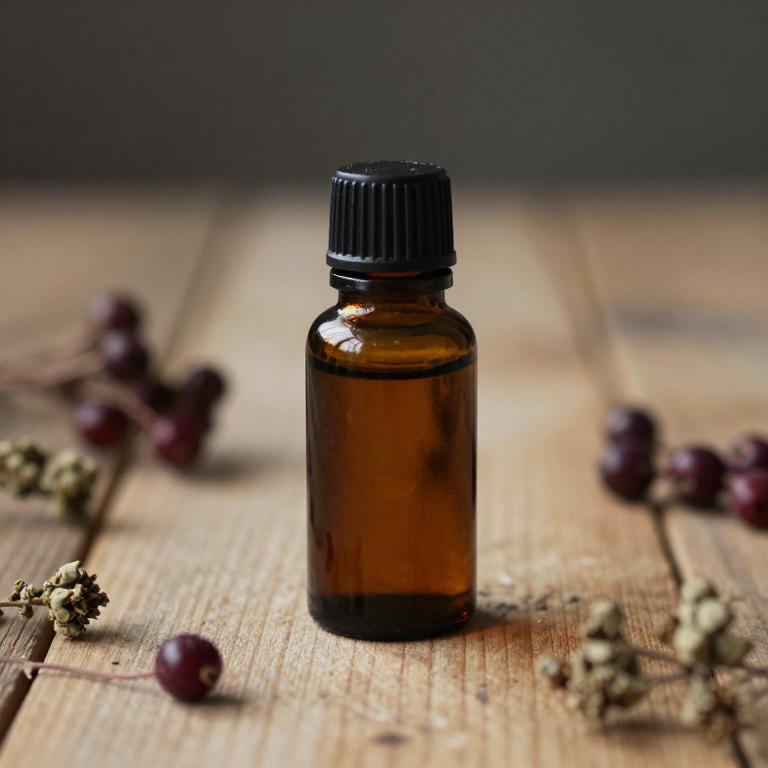
Rosa canina, also known as dog rose, is a traditional herbal remedy that has been used for centuries to support joint health and reduce inflammation.
Its essential oils, derived from the flowers and hips of the plant, contain potent anti-inflammatory and antioxidant properties that may help alleviate knee swelling. These oils work by promoting circulation and reducing oxidative stress, which can contribute to joint pain and inflammation. When used in aromatherapy or topical applications, Rosa canina essential oils may provide a natural and holistic approach to managing knee discomfort.
However, it is important to consult with a healthcare professional before using these oils, especially if you have existing health conditions or are taking other medications.
6. Chamomile (Matricaria chamomilla)
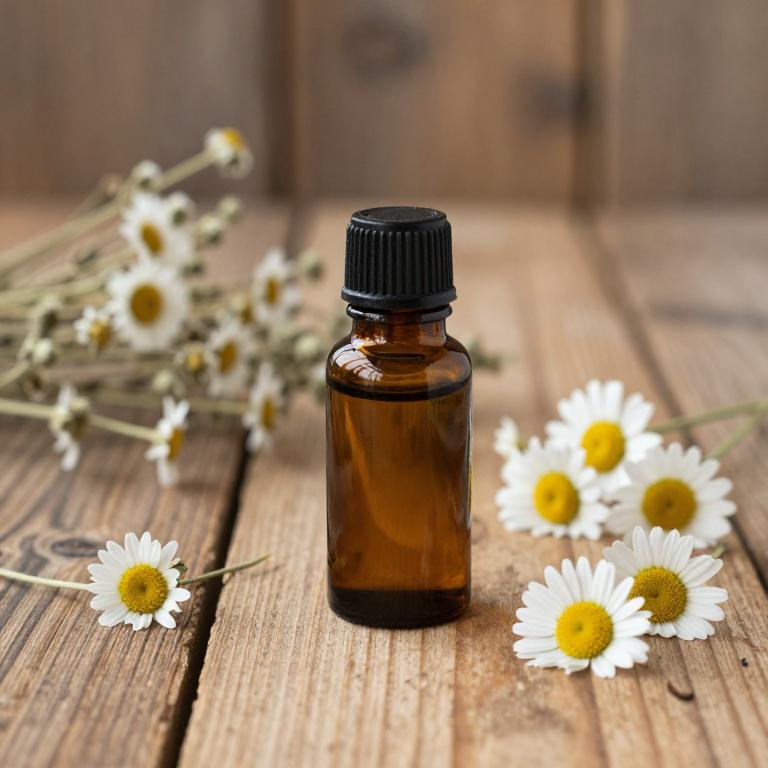
Matricaria chamomilla, commonly known as German chamomile, is a popular herb used in the production of essential oils that are often applied for their anti-inflammatory and soothing properties.
The essential oil derived from this plant contains compounds like bisabolol and chamazulene, which are known to reduce inflammation and promote skin healing. When used topically, chamomile essential oil can help alleviate knee swelling by reducing inflammation and improving circulation in the affected area. It is typically diluted with a carrier oil before application to prevent skin irritation.
While it may provide relief for mild knee swelling, it is advisable to consult a healthcare professional before using essential oils, especially for chronic or severe conditions.
7. Yarrow (Achillea millefolium)
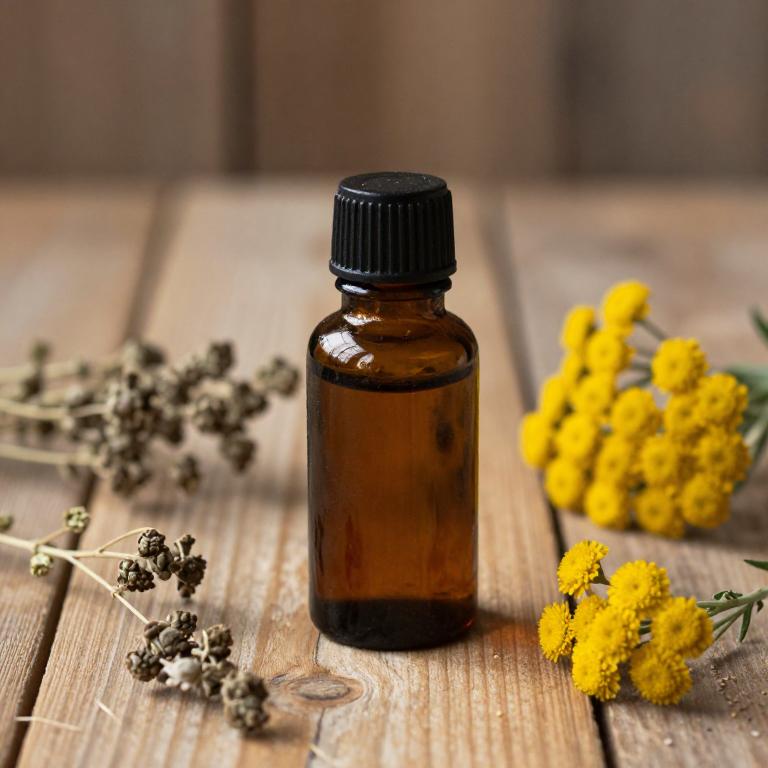
Achillea millefolium, commonly known as yarrow, contains essential oils that have been traditionally used for their anti-inflammatory and analgesic properties.
The essential oil of yarrow is rich in compounds such as chamazulene and bisabolol, which contribute to its ability to reduce inflammation and soothe pain. When applied topically, these oils may help alleviate knee swelling by improving circulation and reducing oxidative stress in the affected area. Some studies suggest that yarrow essential oil can be effective when used in combination with other herbal remedies for joint health.
However, it is important to consult a healthcare professional before using yarrow essential oil, especially for individuals with sensitive skin or existing medical conditions.
8. St. john's wort (Hypericum perforatum)
Hypericum perforatum, commonly known as St. John's Wort, is a herbal plant that has been traditionally used for its anti-inflammatory and analgesic properties.
While it is well-known for its use in treating mild depression, its essential oils have also been explored for their potential in reducing knee swelling. The essential oils of Hypericum perforatum contain compounds such as hyperforin and hypericin, which may help in reducing inflammation and pain associated with conditions like arthritis. These oils can be applied topically in the form of creams or salves, which may provide localized relief for knee swelling.
However, it is important to consult with a healthcare professional before using these oils, as they may interact with other medications or have side effects.
9. Ceylon cinnamon (Cinnamomum zeylanicum)
Cinnamomum zeylanicum, commonly known as cinnamon, produces a rich essential oil that has been traditionally used for its anti-inflammatory and analgesic properties.
The essential oil contains compounds such as cinnamaldehyde and eugenol, which exhibit potent anti-inflammatory effects that may help reduce knee swelling. When applied topically, the oil can improve circulation and ease joint discomfort, making it a popular natural remedy for arthritis and sports-related injuries. However, it is important to dilute the essential oil with a carrier oil to avoid skin irritation and ensure safe use.
While preliminary studies suggest its potential benefits, more research is needed to fully understand its efficacy for knee swelling.
10. Common grape (Vitis vinifera)
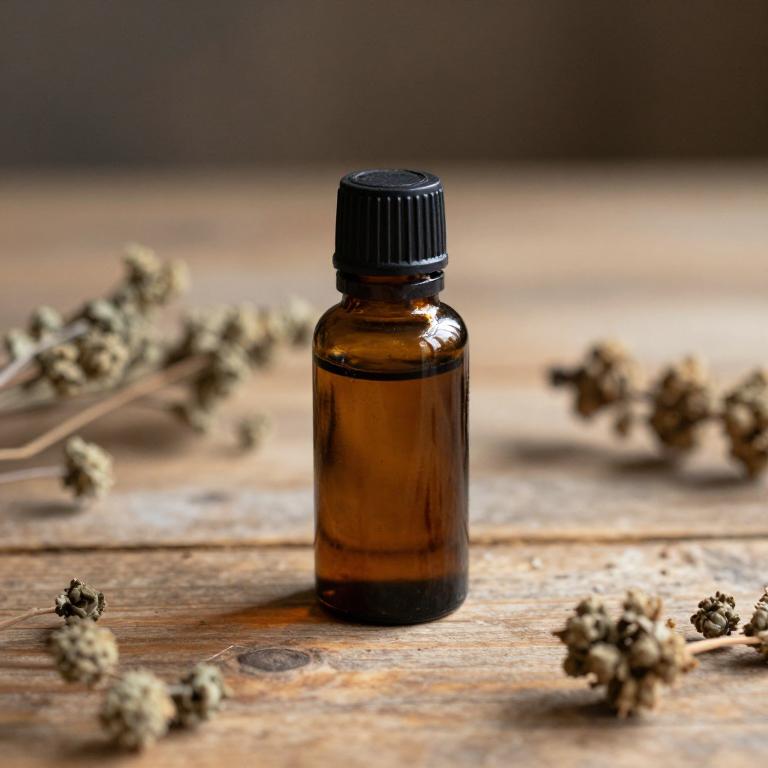
Vitis vinifera, commonly known as the grape vine, contains various bioactive compounds that have been studied for their potential anti-inflammatory properties.
Essential oils derived from Vitis vinifera, particularly those rich in resveratrol and other polyphenols, may help reduce inflammation and oxidative stress associated with knee swelling. These oils are often used in aromatherapy and topical applications to support joint health and alleviate discomfort. While more research is needed, some preliminary studies suggest that these oils could complement conventional treatments for knee-related inflammation.
Incorporating Vitis vinifera essential oils into a holistic approach may offer natural relief for individuals suffering from knee swelling.