10 Best Herbal Lozenges For Joint Stiffness
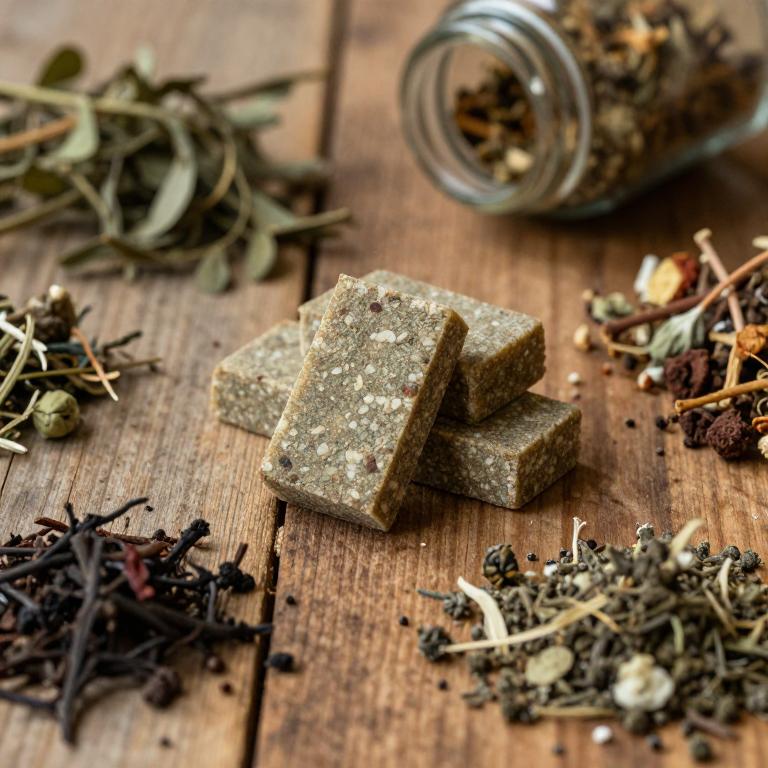
Herbal lozenges for joint stiffness often contain natural ingredients such as turmeric, ginger, and willow bark, which are known for their anti-inflammatory and pain-relieving properties.
These lozenges are designed to be soothing and easy to consume, making them a convenient option for people seeking alternative treatments for joint discomfort. While they may not replace conventional medications, they can provide mild relief and support overall joint health when used regularly. Some formulations also include honey or other natural sweeteners to enhance flavor and promote better absorption.
However, it is important to consult a healthcare professional before using herbal lozenges, especially if you have underlying health conditions or are taking other medications.
Table of Contents
- 1. Ginger (Zingiber officinale)
- 2. Turmeric (Curcuma longa)
- 3. Salvia (Salvia officinalis)
- 4. Chaste tree (Vitex agnus-castus)
- 5. Thistle (Silybum marianum)
- 6. Yarrow (Achillea millefolium)
- 7. Blessed thistle (Cnicus benedictus)
- 8. Echinacea (Echinacea purpurea)
- 9. Dog rose (Rosa canina)
- 10. Field horsetail (Equisetum arvense)
1. Ginger (Zingiber officinale)
Zingiber officinale, commonly known as ginger, has been traditionally used for its anti-inflammatory and analgesic properties, making it a popular ingredient in herbal lozenges for joint stiffness.
These lozenges are designed to provide targeted relief by delivering ginger extract directly to the throat and mouth, which can help reduce inflammation and discomfort associated with conditions like arthritis. The active compounds in ginger, such as gingerol and shogaol, are believed to inhibit inflammatory pathways in the body, potentially easing joint stiffness and improving mobility. While generally considered safe, some individuals may experience mild gastrointestinal upset, and it is advisable to consult a healthcare professional before use, especially for those with existing medical conditions or taking other medications.
Overall, ginger herbal lozenges offer a natural and accessible option for managing joint stiffness symptoms.
2. Turmeric (Curcuma longa)
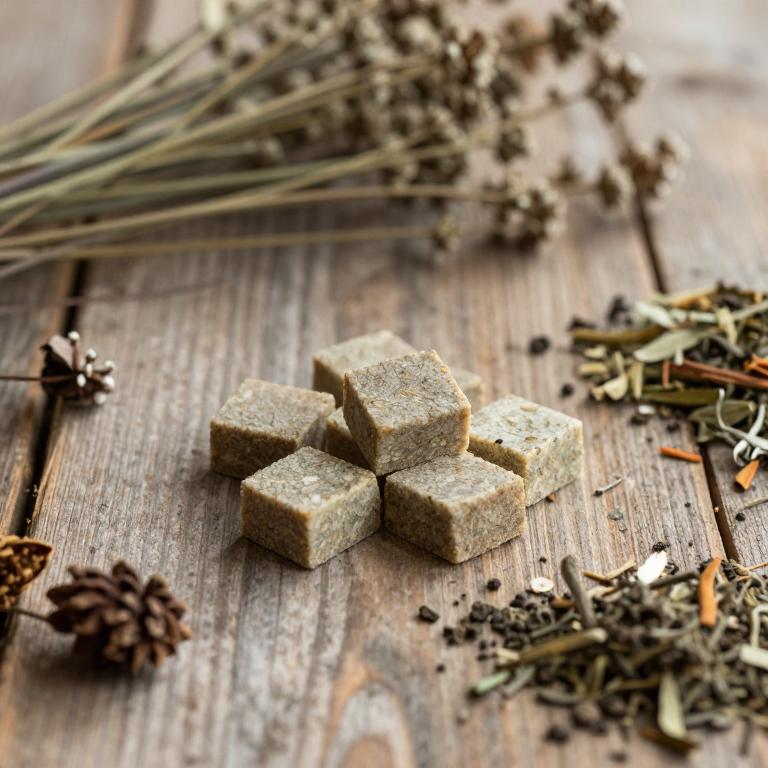
Curcuma longa, commonly known as turmeric, contains curcumin, a compound renowned for its anti-inflammatory and antioxidant properties.
Herbal lozenges made from Curcuma longa are designed to provide targeted relief for joint stiffness by reducing inflammation and pain in the affected areas. These lozenges are often combined with other natural ingredients like black pepper extract to enhance the absorption of curcumin in the body. Regular use of Curcuma longa lozenges may help improve joint mobility and reduce discomfort associated with conditions such as arthritis.
As a natural alternative to conventional medications, these lozenges offer a safer and more holistic approach to managing joint stiffness.
3. Salvia (Salvia officinalis)
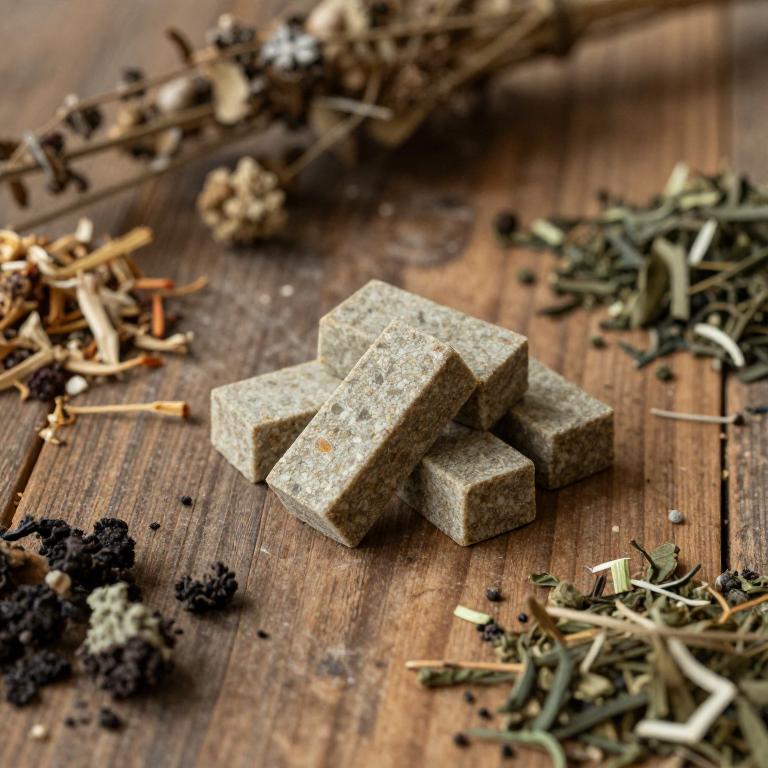
Salvia officinalis, commonly known as sage, has been traditionally used for its anti-inflammatory and analgesic properties, making it a popular ingredient in herbal lozenges for joint stiffness.
These lozenges are often formulated to provide targeted relief by delivering essential oils and phytochemicals directly to the throat and mouth, which may help reduce inflammation and soothe discomfort associated with stiff joints. While scientific evidence supporting their efficacy is limited, many users report a sense of relief and improved mobility after regular use. The natural compounds in sage, such as rosmarinic acid and flavonoids, are believed to contribute to its potential anti-inflammatory effects.
As with any herbal remedy, it is advisable to consult a healthcare professional before use, especially for individuals with pre-existing medical conditions or those taking other medications.
4. Chaste tree (Vitex agnus-castus)
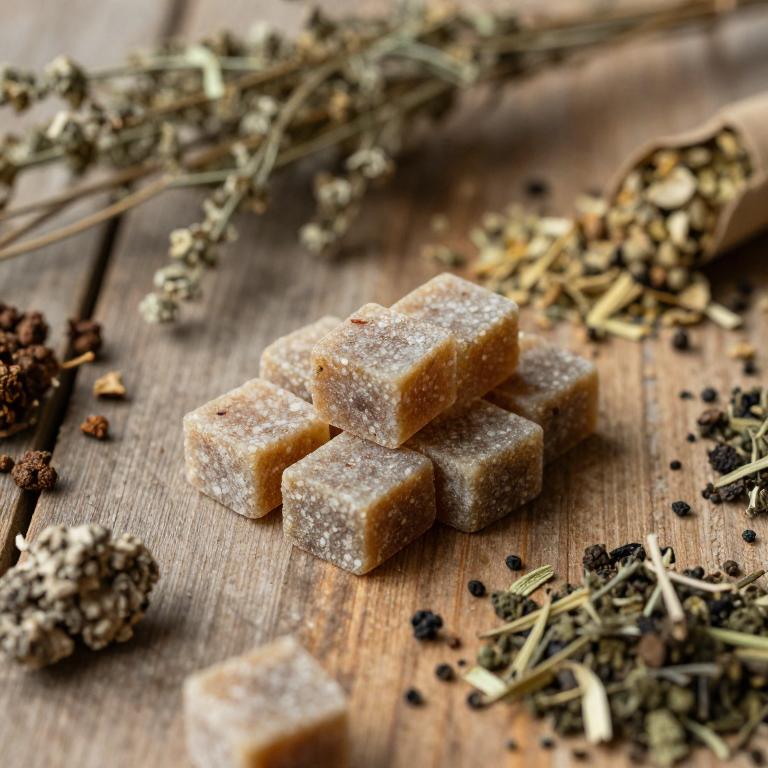
Vitex agnus-castus, commonly known as chasteberry, has been traditionally used in herbal medicine for its potential to support hormonal balance and alleviate symptoms associated with menopause, such as joint stiffness.
While primarily studied for its effects on the reproductive system, some preliminary research suggests that its anti-inflammatory properties may also contribute to reducing joint discomfort. Herbal lozenges containing vitex agnus-castus are designed to provide a convenient and targeted form of supplementation, allowing for easier consumption and sustained release of active compounds. However, it is important to note that scientific evidence specifically linking vitex to joint stiffness relief is limited, and more clinical studies are needed to confirm its efficacy in this area.
As with any herbal remedy, it is advisable to consult with a healthcare professional before use, especially for individuals with existing health conditions or those taking other medications.
5. Thistle (Silybum marianum)
Silybum marianum, also known as milk thistle, is a herbal remedy that has been traditionally used for its potential anti-inflammatory and antioxidant properties.
Herbal lozenges containing silybum marianum are designed to provide targeted relief for joint stiffness by reducing inflammation and supporting overall joint health. These lozenges are often preferred for their ease of use and ability to deliver the herb's active compounds directly to the throat and respiratory system, although their primary benefit for joint stiffness may come from systemic absorption. While research on silybum marianum's effectiveness for joint issues is still emerging, some studies suggest it may help in reducing oxidative stress and improving mobility in individuals with arthritis or other inflammatory conditions.
As with any herbal supplement, it is advisable to consult a healthcare professional before use, especially for those with existing medical conditions or taking other medications.
6. Yarrow (Achillea millefolium)
Achillea millefolium, commonly known as yarrow, has been traditionally used for its anti-inflammatory and analgesic properties, making it a popular ingredient in herbal lozenges for joint stiffness.
These lozenges are designed to provide targeted relief by delivering the plant's active compounds directly to the mouth and throat, potentially reducing inflammation and discomfort associated with joint stiffness. The herb contains compounds such as flavonoids and essential oils, which are believed to support joint health and ease movement. While herbal lozenges may offer a natural alternative for those seeking relief without synthetic medications, it is important to consult a healthcare professional before use, especially for individuals with underlying health conditions or those taking other medications.
Overall, Achillea millefolium herbal lozenges are marketed as a complementary therapy to support joint mobility and reduce stiffness.
7. Blessed thistle (Cnicus benedictus)
Cnicus benedictus herbal lozenges are formulated to provide natural relief for joint stiffness by leveraging the anti-inflammatory and analgesic properties of the herb.
These lozenges are designed to be slowly dissolved in the mouth, allowing the active ingredients to be absorbed through the mucous membranes for targeted relief. Cnicus benedictus, also known as blessed thistle, has been traditionally used in herbal medicine to support joint health and reduce discomfort associated with arthritis and other inflammatory conditions. The lozenges are often preferred for their convenient dosage form and minimal side effects compared to conventional pharmaceuticals.
Regular use of these herbal lozenges may help improve mobility and reduce morning stiffness in individuals suffering from joint-related ailments.
8. Echinacea (Echinacea purpurea)
Echinacea purpurea herbal lozenges are traditionally used to support immune function and may offer relief for symptoms associated with joint stiffness by reducing inflammation and promoting tissue repair.
These lozenges typically contain extracts from the purple coneflower, which is known for its anti-inflammatory and antioxidant properties. While research on echinacea's direct impact on joint stiffness is limited, some studies suggest it may help alleviate mild arthritic discomfort when used as part of a broader wellness approach. The lozenges are often preferred for their convenient form and potential to soothe sore joints when chewed or dissolved.
As with any herbal supplement, it is advisable to consult a healthcare professional before use, especially for individuals with chronic conditions or those taking other medications.
9. Dog rose (Rosa canina)
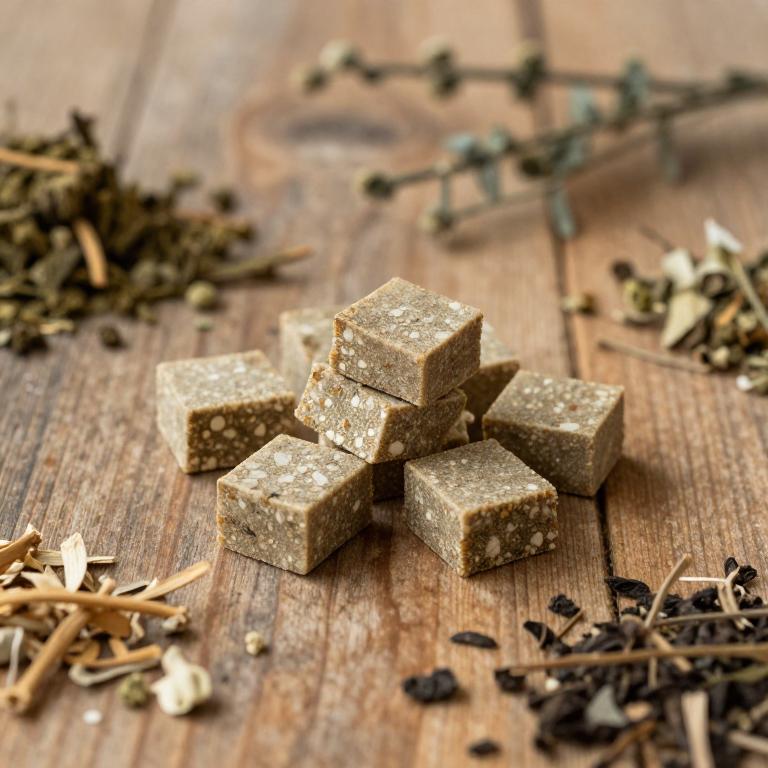
Rosa canina, also known as dog rose, is a traditional herbal remedy that has been used for centuries to support joint health and alleviate symptoms of joint stiffness.
Rosa canina herbal lozenges are formulated with concentrated extracts of the fruit, which are rich in vitamin C, antioxidants, and bioflavonoids that help reduce inflammation and support tissue repair. These lozenges are often recommended for individuals experiencing mild to moderate joint discomfort, such as those with arthritis or age-related stiffness. The natural ingredients in Rosa canina lozenges work synergistically to promote flexibility and ease of movement, making them a gentle and effective option for daily use.
Due to their soothing properties, these lozenges can be particularly beneficial when used as part of a holistic approach to managing joint health.
10. Field horsetail (Equisetum arvense)
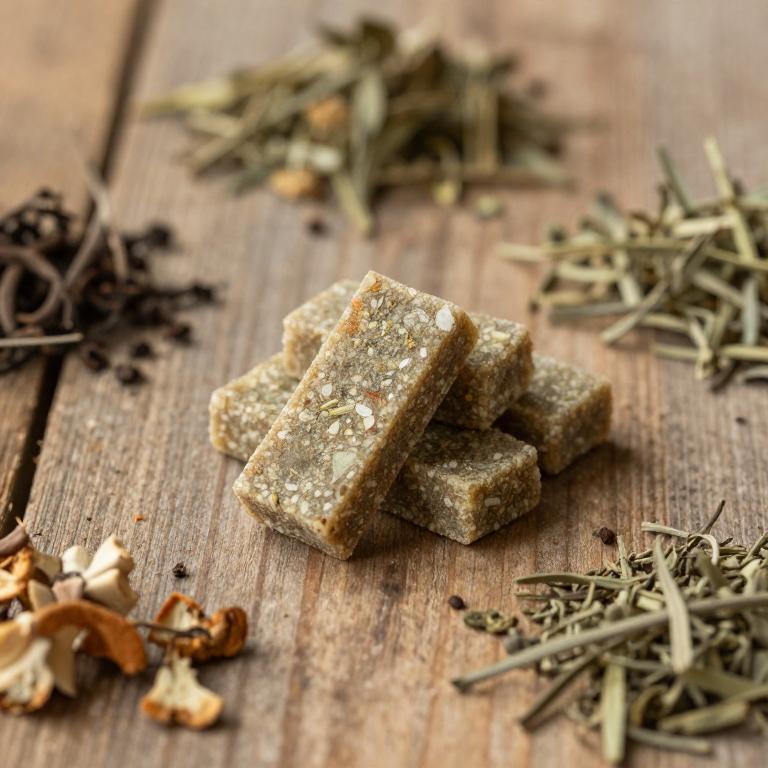
Equisetum arvense, commonly known as field horsetail, is a traditional herbal remedy that has been used for its potential anti-inflammatory and analgesic properties.
Herbal lozenges containing Equisetum arvense are often formulated to provide relief from joint stiffness by supporting the body's natural healing processes. These lozenges are typically made by drying and grinding the plant material, then combining it with natural sweeteners and preservatives to create a convenient dosage form. The high concentration of silica in Equisetum arvense may contribute to its effectiveness in reducing inflammation and improving joint mobility.
While more research is needed, some individuals find these lozenges beneficial as a complementary approach to managing symptoms of joint stiffness.