10 Best Herbal Linctuses For Joint Stiffness
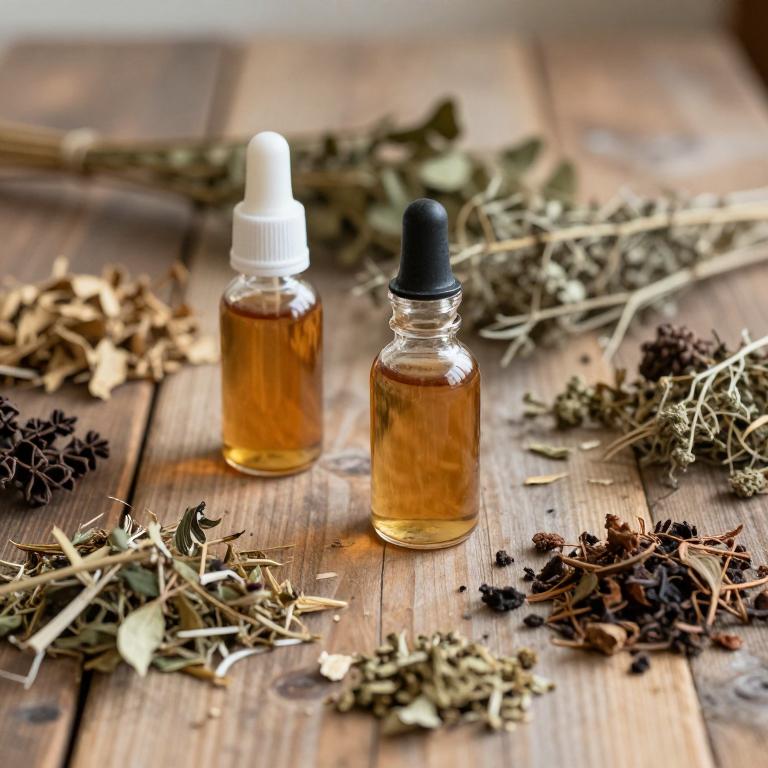
Herbal linctuses for joint stiffness are traditional remedies that combine natural ingredients to alleviate discomfort and improve mobility in joints affected by conditions such as arthritis or rheumatism.
These linctuses often contain herbs like turmeric, ginger, and boswellia, which are known for their anti-inflammatory and pain-relieving properties. They are typically administered as a soothing liquid or syrup, making them easy to consume and suitable for long-term use. While they may not replace conventional treatments, herbal linctuses can serve as a complementary therapy to support joint health and reduce morning stiffness.
However, it is important to consult a healthcare professional before using them, especially if you have underlying medical conditions or are taking other medications.
Table of Contents
- 1. Ginger (Zingiber officinale)
- 2. Turmeric (Curcuma longa)
- 3. Salvia (Salvia officinalis)
- 4. Field horsetail (Equisetum arvense)
- 5. Thistle (Silybum marianum)
- 6. Chaste tree (Vitex agnus-castus)
- 7. Common grape (Vitis vinifera)
- 8. Yarrow (Achillea millefolium)
- 9. Stinging nettle (Urtica dioica)
- 10. Black pepper (Piper nigrum)
1. Ginger (Zingiber officinale)
Zingiber officinale, commonly known as ginger, has been traditionally used for its anti-inflammatory and analgesic properties, making it a potential natural remedy for joint stiffness.
Ginger contains bioactive compounds such as gingerol and shogaol, which may help reduce inflammation and pain associated with conditions like arthritis. Herbal linctuses containing ginger are formulated to provide a soothing effect on the respiratory tract while also addressing joint discomfort. These linctuses are often preferred by individuals seeking alternative or complementary therapies to conventional treatments.
However, it is important to consult a healthcare professional before using ginger-based products, especially for those with existing medical conditions or taking medications.
2. Turmeric (Curcuma longa)
Curcuma longa, commonly known as turmeric, contains curcumin, a compound known for its anti-inflammatory and antioxidant properties.
Herbal linctuses containing curcuma longa are often used to alleviate symptoms of joint stiffness by reducing inflammation in the joints. These linctuses are typically formulated with other soothing ingredients to enhance their effectiveness and improve taste. They are considered a natural alternative to conventional anti-inflammatory medications, offering a gentler approach for those seeking holistic treatment options.
However, it is important to consult with a healthcare professional before using these linctuses, especially for individuals with existing medical conditions or those taking other medications.
3. Salvia (Salvia officinalis)
Salvia officinalis, commonly known as sage, has been traditionally used in herbal medicine for its anti-inflammatory and analgesic properties.
While it is not a direct treatment for joint stiffness, some studies suggest that sage may help reduce inflammation and improve joint mobility when used as a linctus, or herbal syrup. The active compounds in sage, such as rosmarinic acid and flavonoids, are believed to contribute to its potential benefits for musculoskeletal health. However, it is important to note that more clinical research is needed to fully establish its efficacy for joint stiffness.
As with any herbal remedy, it should be used under the guidance of a healthcare professional to ensure safety and appropriateness for individual health conditions.
4. Field horsetail (Equisetum arvense)
Equisetum arvense, commonly known as field horsetail, has been traditionally used in herbal medicine for its potential benefits in alleviating joint stiffness.
The plant is rich in silica, which is believed to support the health of connective tissues and may help reduce inflammation and improve joint mobility. Herbal linctuses containing equisetum arvense are often prepared with a combination of other anti-inflammatory and analgesic herbs to enhance their effectiveness. These linctuses are typically administered as a soothing liquid, making them suitable for individuals seeking natural relief from joint discomfort.
However, it is important to consult with a healthcare professional before using equisetum arvense, especially for those with existing medical conditions or taking other medications.
5. Thistle (Silybum marianum)
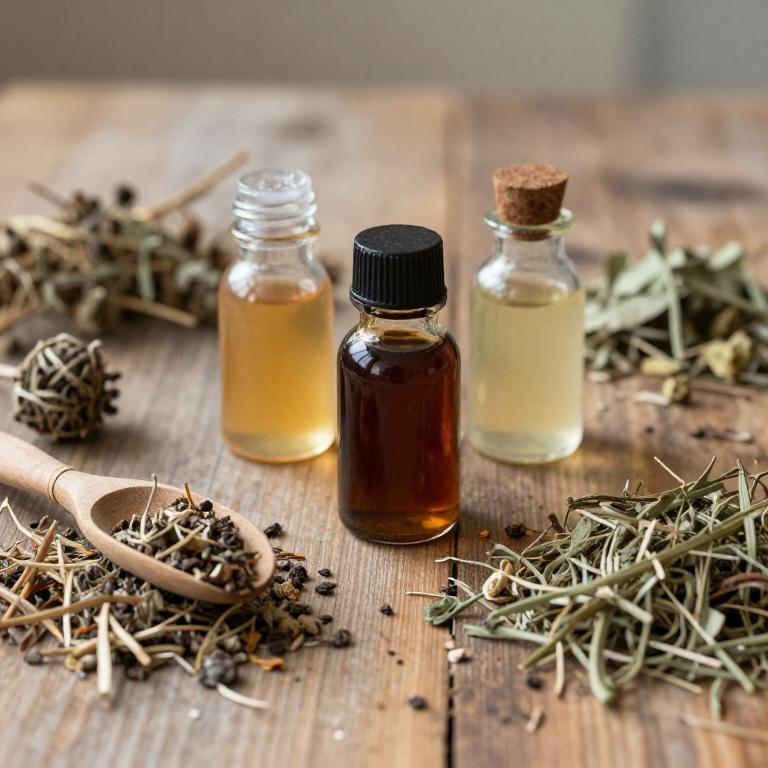
Silybum marianum, commonly known as milk thistle, is a herbal remedy traditionally used for its potential health benefits, including support for liver function.
While it is not primarily marketed as a treatment for joint stiffness, some studies suggest that its anti-inflammatory and antioxidant properties may help alleviate symptoms associated with joint discomfort. Herbal linctuses containing silybum marianum are sometimes used in complementary medicine to soothe inflammation and improve mobility in individuals with conditions like arthritis. However, it is important to consult with a healthcare professional before using such products, as they may interact with other medications or have side effects.
Overall, while silybum marianum may offer some supportive benefits for joint health, it should not replace conventional treatments without medical guidance.
6. Chaste tree (Vitex agnus-castus)
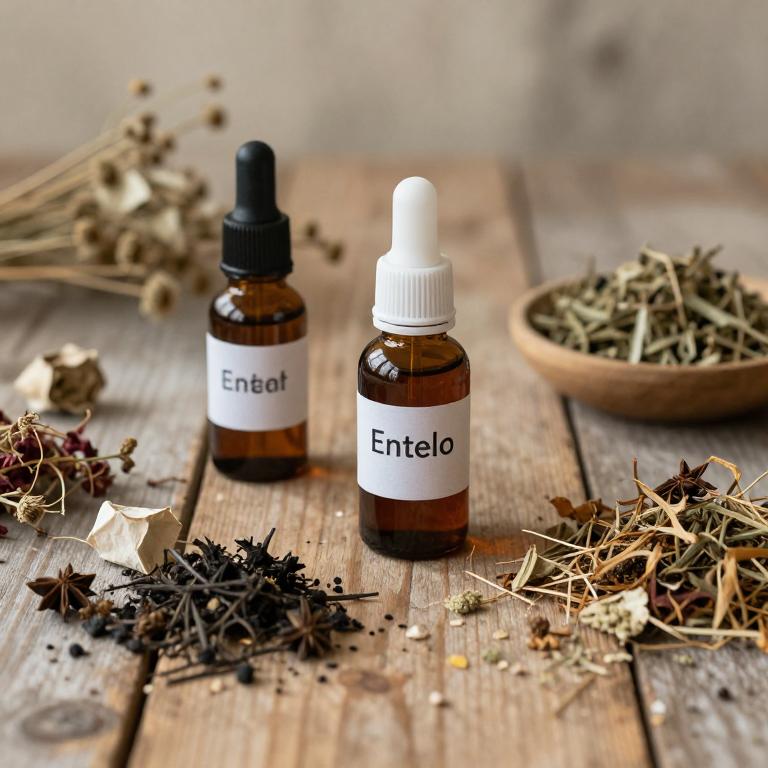
Vitex agnus-castus, commonly known as chaste tree, has been traditionally used in herbal medicine for its potential benefits in supporting hormonal balance and overall wellness.
While it is not classified as a linctus, some herbal formulations containing vitex may be used in combination with other ingredients to address symptoms such as joint stiffness, particularly in conditions like arthritis. These formulations are often marketed for their anti-inflammatory and analgesic properties, which may help reduce discomfort and improve mobility. It is important to consult a healthcare professional before using any herbal remedy, as individual responses can vary and interactions with other medications may occur.
Overall, vitex agnus-castus may offer supportive benefits for joint health, though it should be used as part of a comprehensive treatment plan.
7. Common grape (Vitis vinifera)
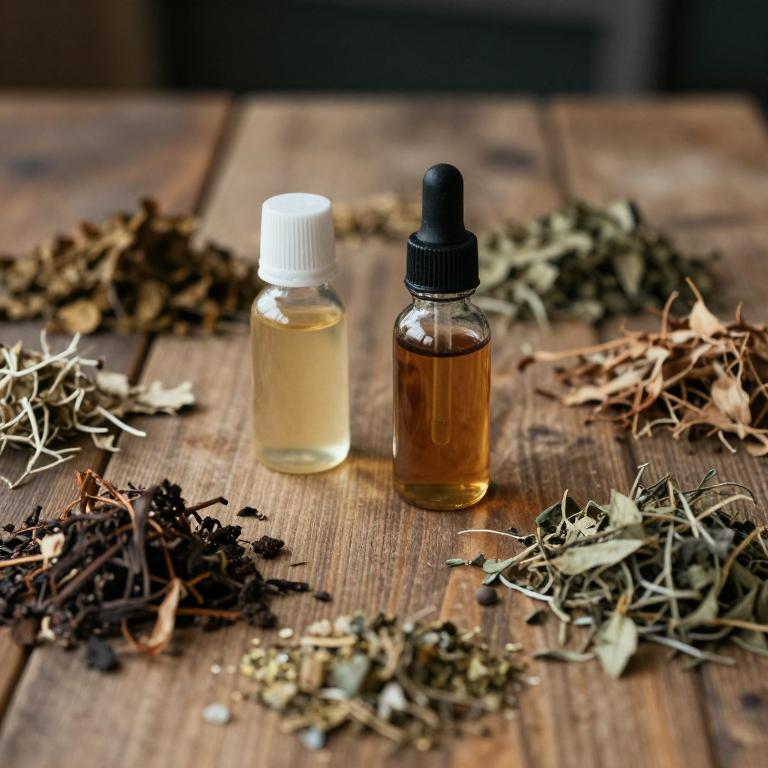
Vitis vinifera, commonly known as the common grapevine, has been traditionally used in herbal medicine for its potential anti-inflammatory and antioxidant properties.
Herbal linctuses containing Vitis vinifera extracts are often formulated to provide relief from joint stiffness by reducing inflammation and improving circulation in the affected areas. These linctuses typically combine grape-derived compounds with other natural ingredients to enhance their therapeutic effects. They are particularly popular in alternative and complementary medicine for managing symptoms associated with conditions like arthritis.
While more research is needed, some studies suggest that Vitis vinifera may support joint health when used as part of a holistic treatment approach.
8. Yarrow (Achillea millefolium)
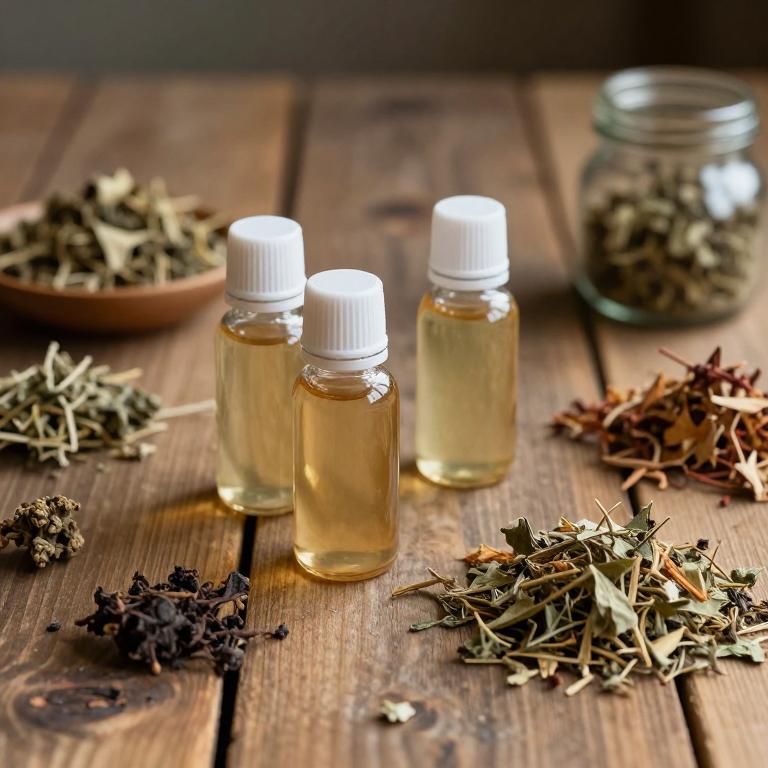
Achillea millefolium, commonly known as yarrow, has been traditionally used in herbal medicine for its anti-inflammatory and analgesic properties.
When formulated into linctuses, these herbal preparations may help alleviate symptoms of joint stiffness by reducing inflammation and promoting circulation in the affected areas. The active compounds in yarrow, such as flavonoids and essential oils, are believed to support the body's natural healing processes and ease discomfort associated with conditions like arthritis. While some studies suggest potential benefits, more research is needed to fully understand its efficacy and safety for long-term use.
As with any herbal remedy, it is advisable to consult a healthcare professional before incorporating achillea millefolium linctuses into a treatment plan for joint stiffness.
9. Stinging nettle (Urtica dioica)
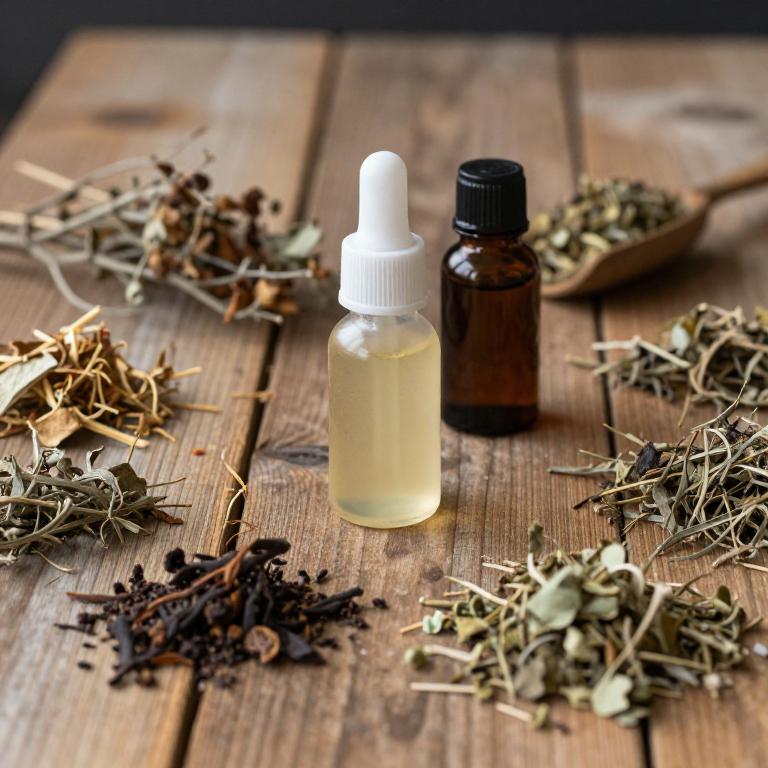
Urtica dioica, commonly known as stinging nettle, has been traditionally used in herbal medicine for its potential anti-inflammatory and analgesic properties.
When formulated into linctuses, these herbal preparations may offer a soothing effect on the respiratory tract while also addressing underlying inflammation associated with joint stiffness. The active compounds in Urtica dioica, such as flavonoids and polyphenols, are believed to contribute to its ability to reduce swelling and improve joint mobility. However, it is important to consult a healthcare professional before using these linctuses, as they may interact with other medications or have side effects in certain individuals.
Overall, Urtica dioica linctuses may serve as a complementary approach to managing joint stiffness, though their efficacy can vary depending on individual health conditions and response to treatment.
10. Black pepper (Piper nigrum)
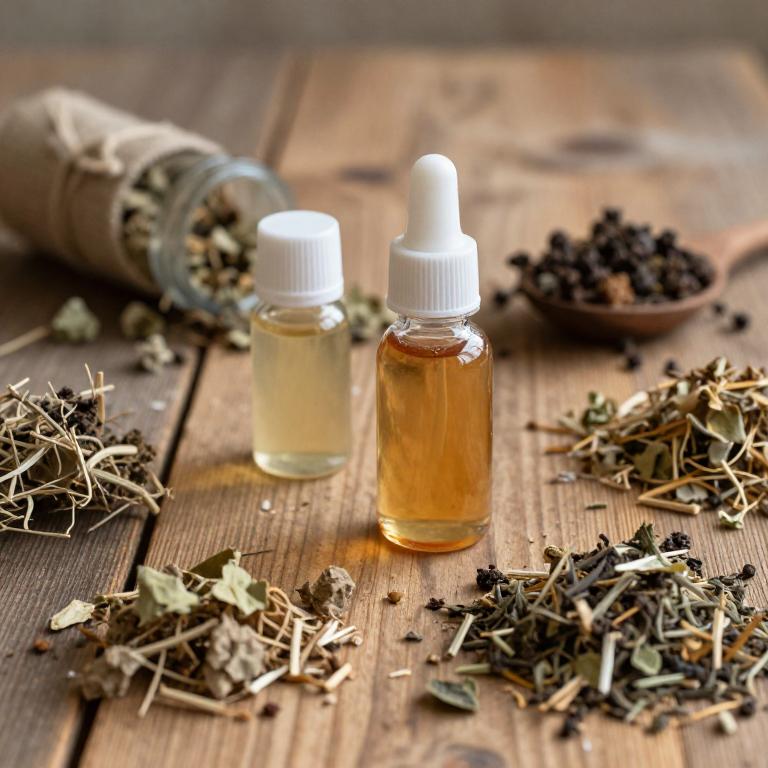
Piper nigrum, commonly known as black pepper, has been traditionally used in herbal medicine for its anti-inflammatory and analgesic properties.
When formulated into a linctus, or medicinal syrup, it may offer a soothing effect for individuals experiencing joint stiffness. The active compound, piperine, is believed to enhance circulation and reduce pain by influencing inflammatory pathways in the body. However, it is important to note that while some anecdotal evidence supports its use, scientific research on its efficacy for joint stiffness is limited.
As with any herbal remedy, it is advisable to consult a healthcare professional before use, especially for those with pre-existing conditions or taking other medications.