10 Best Herbal Creams For Joint Stiffness
Herbal creams for joint stiffness are natural topical treatments that aim to alleviate discomfort and improve mobility in affected joints.
These creams often contain ingredients like turmeric, ginger, and capsaicin, which are known for their anti-inflammatory and pain-relieving properties. They are popular among individuals seeking alternative or complementary therapies to conventional medications. Applying these creams can provide localized relief without the systemic side effects associated with oral pain relievers.
However, it is important to consult with a healthcare professional before use, especially if you have underlying health conditions or are taking other medications.
Table of Contents
- 1. Blessed thistle (Cnicus benedictus)
- 2. Field horsetail (Equisetum arvense)
- 3. Yarrow (Achillea millefolium)
- 4. Ginger (Zingiber officinale)
- 5. Common grape (Vitis vinifera)
- 6. Stinging nettle (Urtica dioica)
- 7. St. john's wort (Hypericum perforatum)
- 8. Turmeric (Curcuma longa)
- 9. Salvia (Salvia officinalis)
- 10. Common mallow (Symphytum officinale)
1. Blessed thistle (Cnicus benedictus)
Cnicus benedictus, also known as blessed thorn, is a traditional herbal remedy that has been used for centuries to address joint stiffness and related musculoskeletal issues.
Its active compounds, including flavonoids and saponins, are believed to possess anti-inflammatory and analgesic properties that may help reduce pain and improve mobility in affected joints. When formulated into herbal creams, Cnicus benedictus can be applied topically to the skin, allowing the beneficial compounds to penetrate and target the site of discomfort. These creams are often favored for their natural composition, making them a popular choice for individuals seeking alternative or complementary treatments for arthritis and joint stiffness.
However, it is important to consult with a healthcare professional before using such remedies, especially if you have underlying health conditions or are taking other medications.
2. Field horsetail (Equisetum arvense)
Equisetum arvense, commonly known as field horsetail, is a traditional herb that has been used for centuries to support joint health.
Its herbal creams are formulated with extracts from the plant, which are rich in silica and other minerals that may help reduce inflammation and improve flexibility in stiff joints. These creams are often applied topically to the affected areas, providing a soothing and warming sensation that can ease discomfort. The anti-inflammatory and regenerative properties of equisetum arvense make it a popular choice for those seeking natural remedies for joint stiffness.
While more research is needed, many users report improved mobility and reduced pain when using these herbal creams regularly.
3. Yarrow (Achillea millefolium)
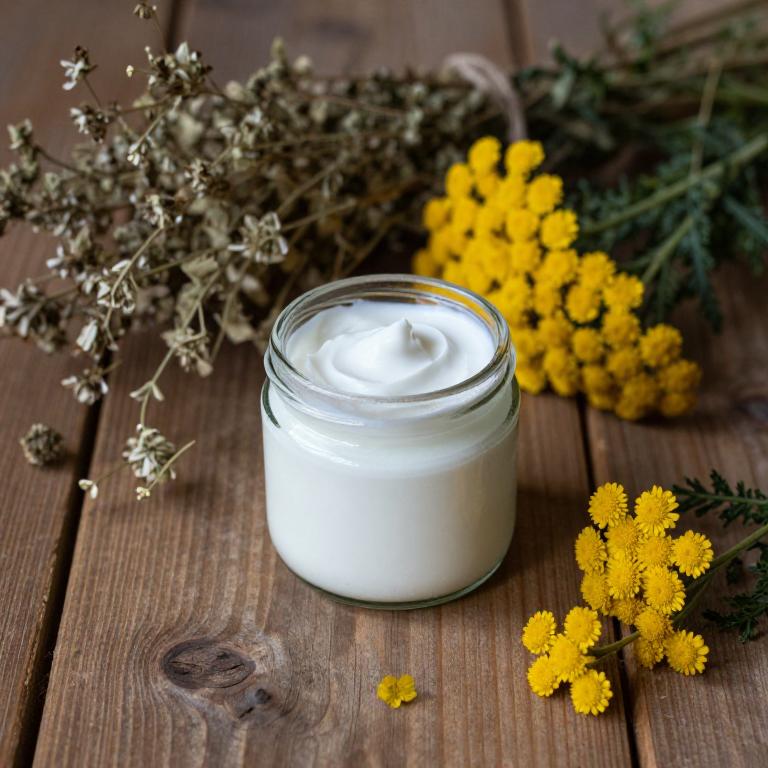
Achillea millefolium, commonly known as yarrow, is a traditional herbal remedy that has been used for centuries to support joint health and alleviate symptoms of joint stiffness.
When formulated into creams, it provides a topical application that can help reduce inflammation and improve circulation in affected areas. The active compounds in yarrow, such as flavonoids and essential oils, are believed to possess anti-inflammatory and analgesic properties that may ease discomfort associated with stiffness. These creams are often preferred for their natural composition, making them a suitable option for individuals seeking alternative or complementary treatments.
However, it is important to consult a healthcare professional before use, especially if you have existing medical conditions or are taking other medications.
4. Ginger (Zingiber officinale)
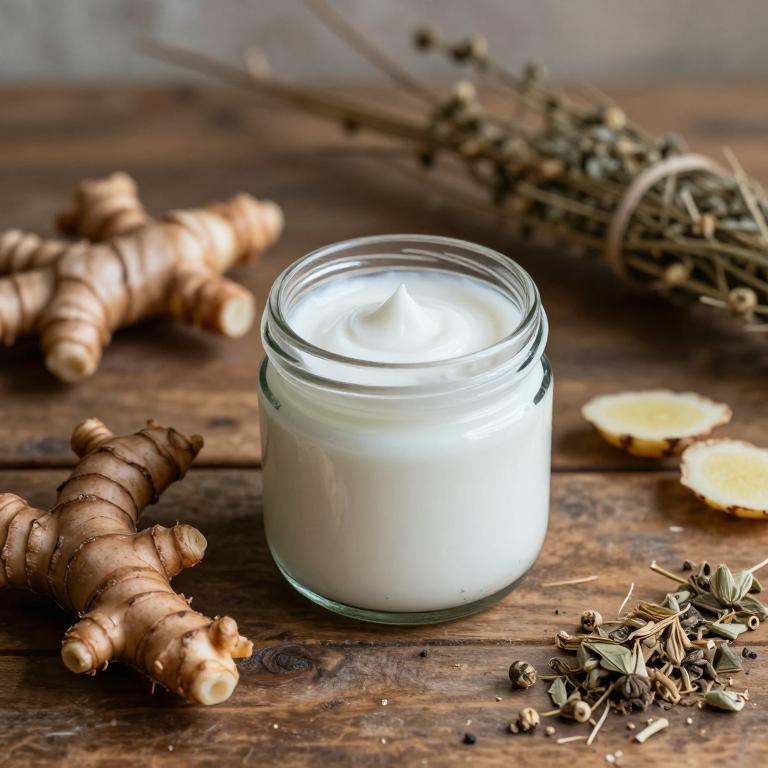
Zingiber officinale, commonly known as ginger, has been traditionally used for its anti-inflammatory and analgesic properties, making it a popular ingredient in herbal creams for joint stiffness.
These creams typically contain extracts of fresh or dried ginger root, which are believed to help reduce swelling and pain associated with conditions like arthritis and rheumatism. The active compounds in ginger, such as gingerol and shogaol, may inhibit inflammatory pathways in the body, offering natural relief for stiff and sore joints. When applied topically, these creams can provide a warming sensation that promotes blood circulation and muscle relaxation.
While generally safe for most people, individuals with sensitive skin or allergies should perform a patch test before using ginger-based herbal creams.
5. Common grape (Vitis vinifera)
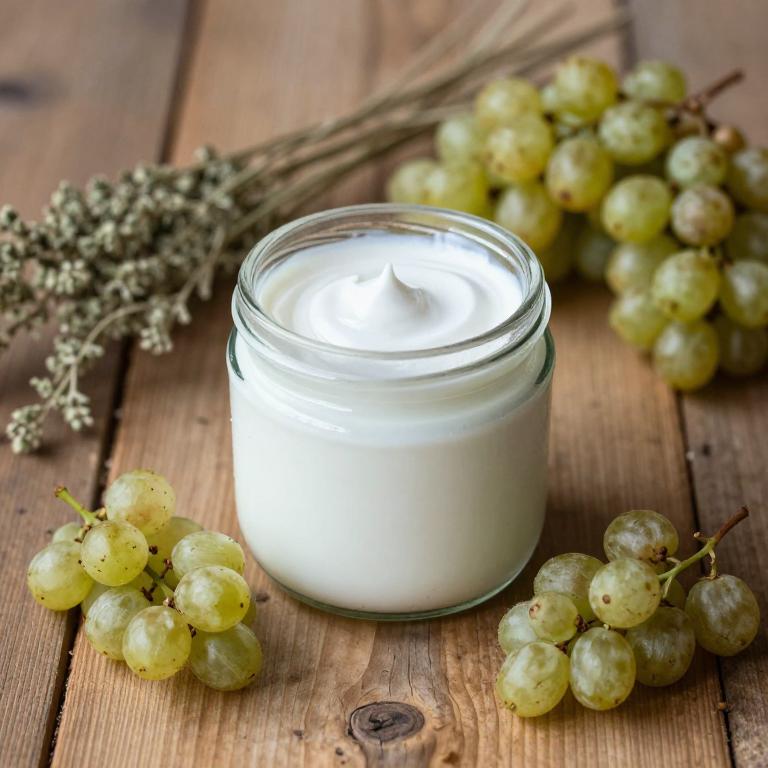
Vitis vinifera, commonly known as the grapevine plant, has been traditionally used in herbal medicine for its potential anti-inflammatory and antioxidant properties.
Herbal creams containing Vitis vinifera extracts are often formulated to provide relief from joint stiffness by reducing inflammation and improving circulation in the affected areas. These creams may contain compounds such as resveratrol, which has been studied for its ability to support joint health and reduce oxidative stress. When applied topically, they can offer a natural alternative for individuals seeking relief without the side effects of conventional pharmaceuticals.
However, it is important to consult with a healthcare professional before using these products, especially if you have underlying health conditions or are taking other medications.
6. Stinging nettle (Urtica dioica)
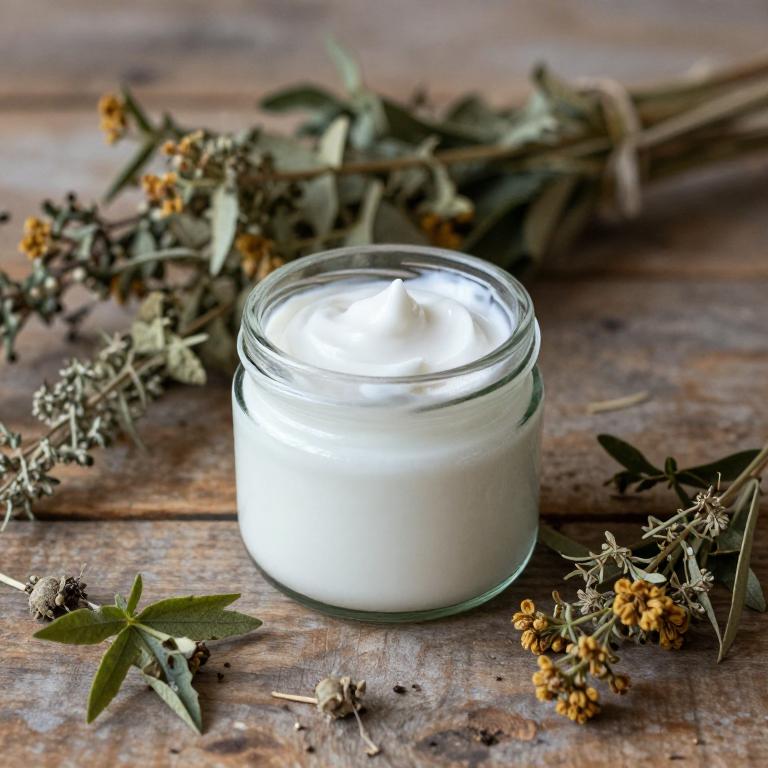
Urtica dioica, commonly known as stinging nettle, has been traditionally used in herbal medicine for its potential anti-inflammatory and analgesic properties.
Urtica dioica herbal creams are formulated with extracts from the leaves and roots of this plant, which are believed to help alleviate joint stiffness and discomfort. These creams may work by reducing inflammation and improving circulation in the affected areas, making them a popular choice for individuals with arthritis or other musculoskeletal conditions. However, it is important to consult with a healthcare professional before use, especially if you have allergies or are taking other medications.
While some users report positive effects, scientific evidence supporting the efficacy of urtica dioica creams for joint stiffness is still limited.
7. St. john's wort (Hypericum perforatum)
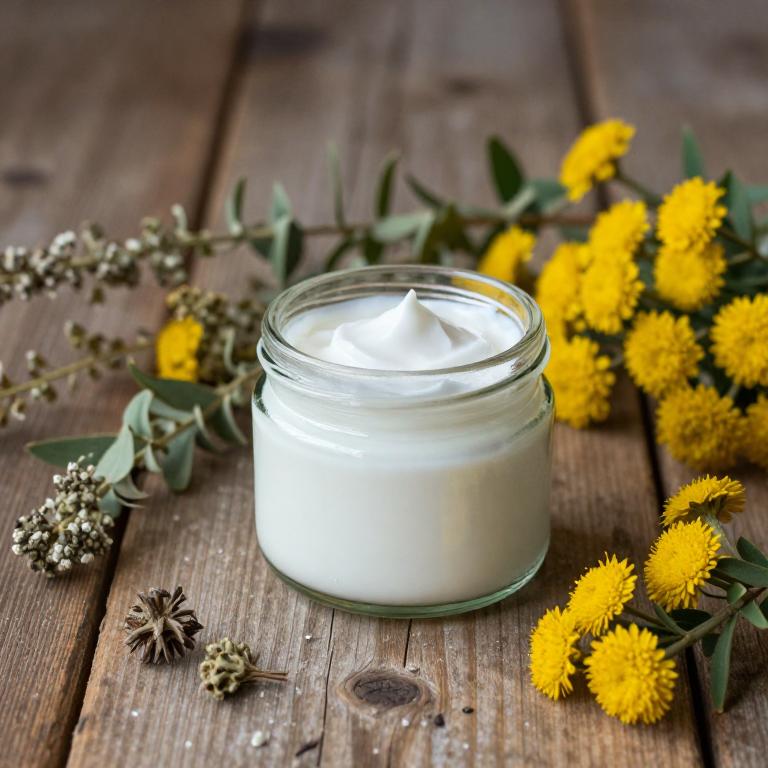
Hypericum perforatum, commonly known as St. John's Wort, is a herb traditionally used for its potential anti-inflammatory and analgesic properties.
When formulated into a cream, it may offer relief for joint stiffness by reducing inflammation and soothing pain in the affected areas. The active compounds in hypericum perforatum, such as hyperforin and flavonoids, are believed to contribute to its therapeutic effects on the musculoskeletal system. However, it is important to note that while some individuals may find benefit from using St. John's Wort cream, it can interact with certain medications and should be used under the guidance of a healthcare professional.
As with any topical treatment, a patch test is recommended to check for allergic reactions before widespread application.
8. Turmeric (Curcuma longa)
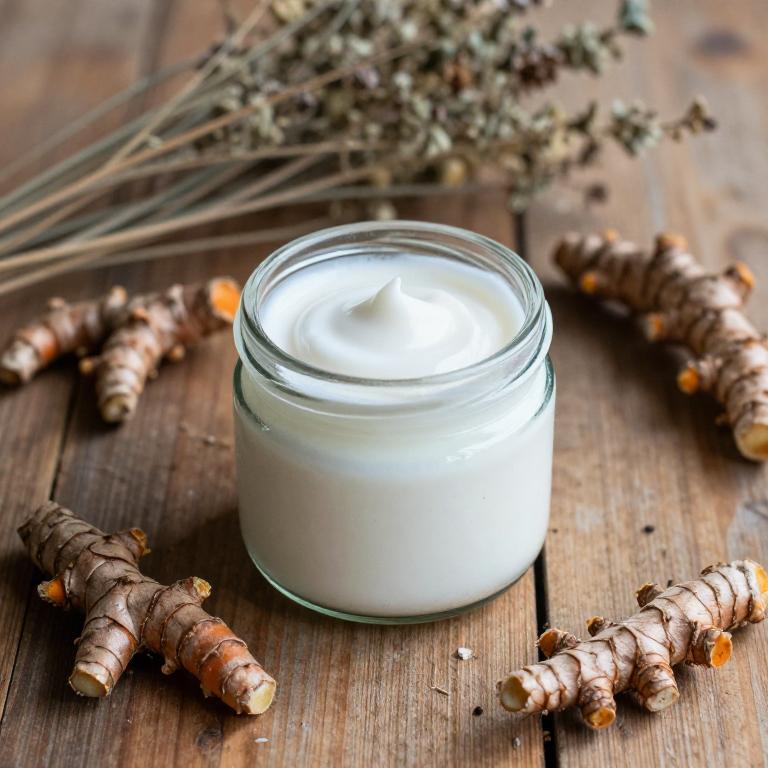
Curcuma longa, commonly known as turmeric, has been widely used in traditional medicine for its anti-inflammatory and analgesic properties.
Herbal creams containing curcumin, the active compound in turmeric, are often used to alleviate joint stiffness and pain associated with conditions like osteoarthritis and rheumatoid arthritis. These creams work by reducing inflammation and oxidative stress in the joints, which can help improve mobility and reduce discomfort. The natural formulation of these creams makes them a popular alternative or complementary treatment for those seeking non-pharmacological options.
However, it is important to consult with a healthcare professional before using curcuma longa creams, especially if you have existing health conditions or are taking other medications.
9. Salvia (Salvia officinalis)
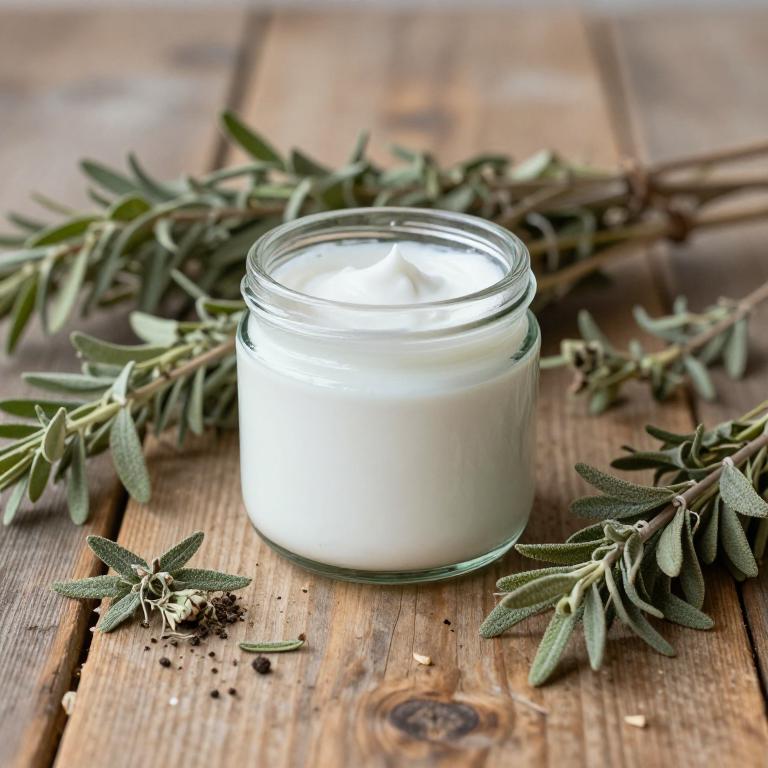
Salvia officinalis, commonly known as sage, is often incorporated into herbal creams designed to alleviate joint stiffness due to its anti-inflammatory and analgesic properties.
These creams typically combine sage extract with other natural ingredients like menthol or camphor to enhance their soothing effects on sore joints. The active compounds in sage, such as rosmarinic acid and flavonoids, are believed to reduce inflammation and improve circulation, which can help ease discomfort associated with conditions like arthritis. When applied topically, these creams provide a warming or cooling sensation that may offer temporary relief and promote relaxation of the affected areas.
However, it is important to consult a healthcare professional before using sage-based products, especially if you have sensitive skin or are taking medications that could interact with herbal compounds.
10. Common mallow (Symphytum officinale)
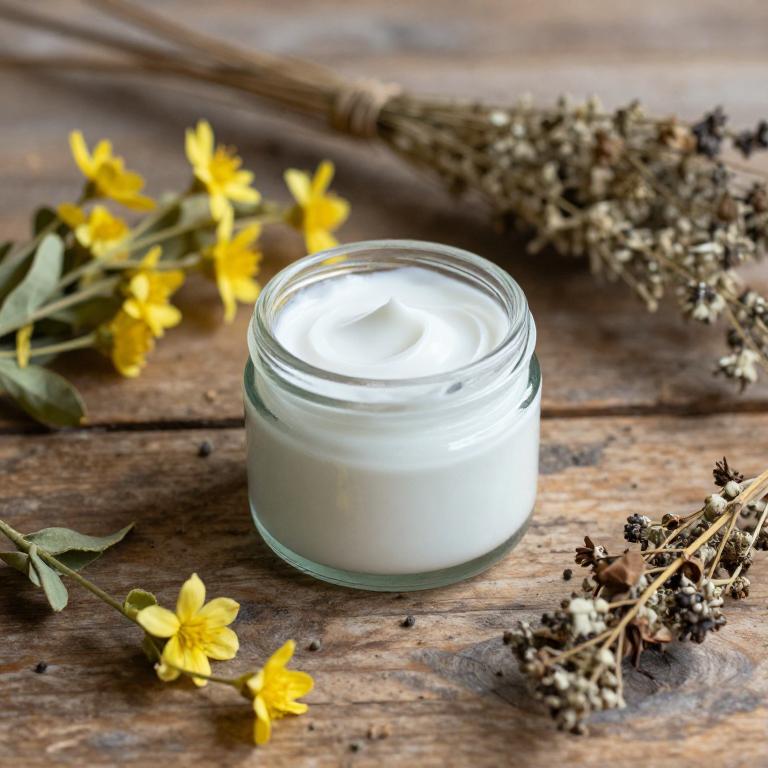
Symphytum officinale, commonly known as comfrey, is a herbal plant often used in the formulation of topical creams to alleviate joint stiffness.
These creams are typically enriched with the plant's active compounds, such as allantoin and rosmarinic acid, which are believed to have anti-inflammatory and tissue-repairing properties. When applied to the skin, the cream may help reduce pain and improve flexibility in affected joints by promoting the healing of connective tissues. However, it is important to note that while some users report relief, the safety of comfrey for long-term use remains a concern due to potential liver toxicity.
As a result, it is advisable to consult a healthcare professional before using comfrey-based creams, especially for chronic joint conditions.