10 Best Herbal Lozenges For Jock Itch
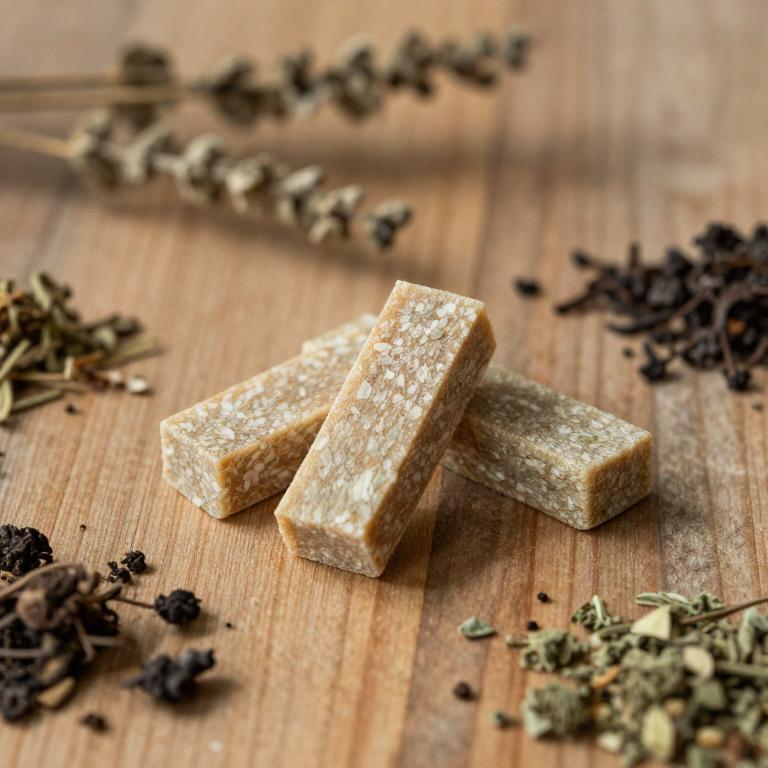
Herbal lozenges for jock itch are designed to provide natural relief from the symptoms of this fungal infection, which commonly affects the groin area.
These lozenges often contain antifungal and soothing herbs such as tea tree oil, garlic, and echinacea, which are known for their antimicrobial properties. While they may not replace prescription antifungal medications, they can complement traditional treatments by reducing itching, redness, and discomfort. Many herbal lozenges are formulated to be safe for long-term use and are particularly appealing to individuals seeking alternative or complementary therapies.
However, it is important to consult a healthcare provider before using herbal lozenges to ensure they are appropriate for the individual's specific condition.
Table of Contents
- 1. St. john's wort (Hypericum perforatum)
- 2. Field horsetail (Equisetum arvense)
- 3. Ginger (Zingiber officinale)
- 4. Thyme (Thymus vulgaris)
- 5. English lavender (Lavandula angustifolia)
- 6. Italian cypress (Cupressus sempervirens)
- 7. Lemon grass (Cymbopogon citratus)
- 8. Rosemary (Rosmarinus officinalis)
- 9. Salvia (Salvia officinalis)
- 10. Eucalyptus (Eucalyptus globulus)
1. St. john's wort (Hypericum perforatum)
Hypericum perforatum, commonly known as St. John's wort, is a herbal remedy that has been traditionally used for its potential antimicrobial and anti-inflammatory properties.
While it is more commonly associated with treating mild depression, some studies suggest it may have antifungal effects that could be beneficial for conditions like jock itch, which is caused by fungal infections. Herbal lozenges containing Hypericum perforatum may help alleviate symptoms such as itching and redness by reducing fungal growth and inflammation in the affected areas. However, it is important to note that these lozenges are not a substitute for conventional antifungal treatments and should be used under the guidance of a healthcare professional.
As with any herbal remedy, potential interactions with other medications and side effects should be considered before use.
2. Field horsetail (Equisetum arvense)
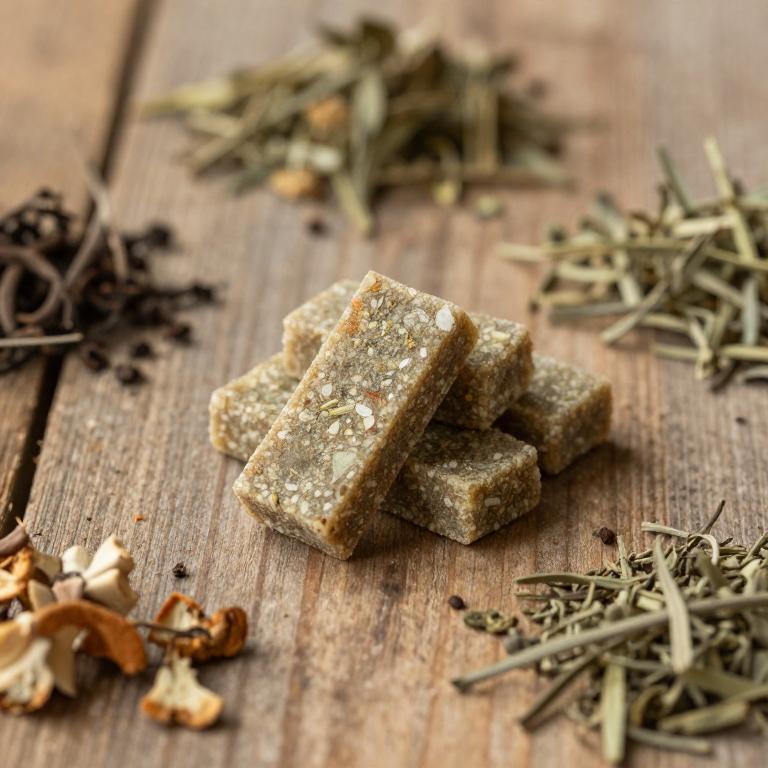
Equisetum arvense, commonly known as field horsetail, is a traditional herb that has been used for its high concentration of silica and other bioactive compounds.
Herbal lozenges containing Equisetum arvense are sometimes used to address fungal infections like jock itch due to their antifungal and astringent properties. These lozenges may help reduce inflammation and itching associated with the condition by soothing the affected skin area. However, it is important to consult a healthcare provider before using them, as they may interact with other medications or may not be suitable for everyone.
While some people find relief from these lozenges, they should not replace conventional antifungal treatments prescribed by a doctor.
3. Ginger (Zingiber officinale)
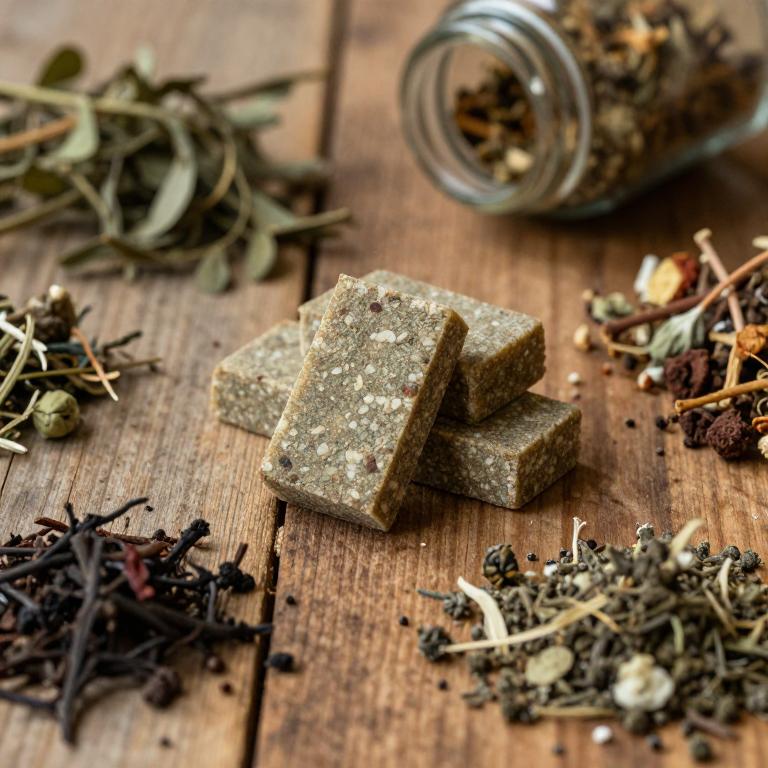
Zingiber officinale, commonly known as ginger, has been traditionally used for its anti-inflammatory and antimicrobial properties, making it a potential natural remedy for jock itch.
Herbal lozenges containing ginger extract may help alleviate the itching and redness associated with this fungal infection by reducing inflammation and inhibiting the growth of fungi. While these lozenges are not a substitute for antifungal treatments, they may offer complementary relief when used alongside conventional therapies. However, it is important to consult a healthcare provider before using ginger lozenges for jock itch, as individual responses and interactions with other medications can vary.
Overall, ginger-based lozenges may provide a mild, natural option for managing symptoms, though their efficacy for treating jock itch specifically requires further scientific validation.
4. Thyme (Thymus vulgaris)
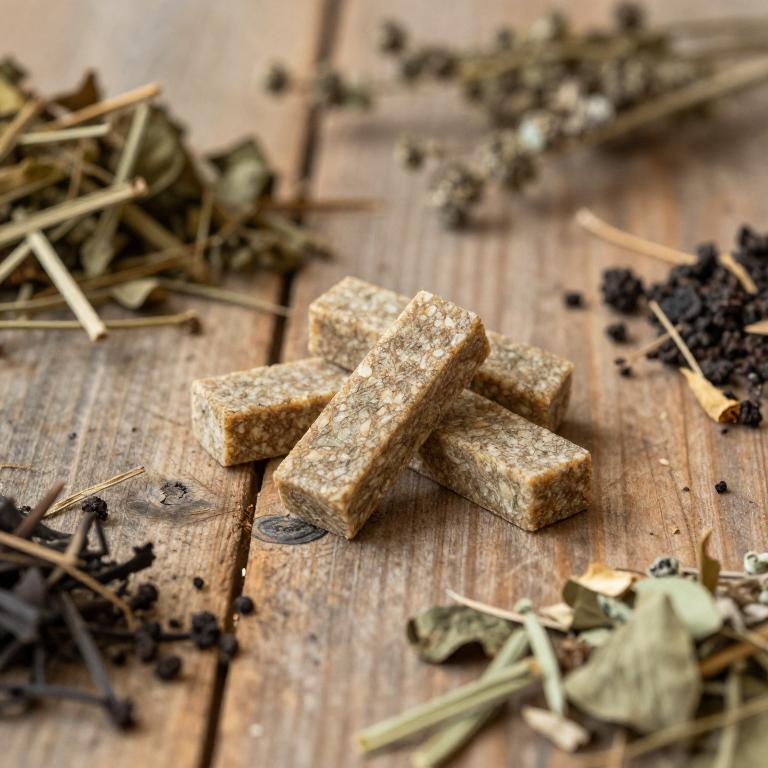
Thymus vulgaris, commonly known as thyme, is a herb often used in traditional medicine for its antimicrobial and antifungal properties.
Thymus vulgaris herbal lozenges are formulated to target fungal infections such as jock itch, which is caused by dermatophytes like Trichophyton. These lozenges work by delivering essential oils and phytochemicals that help inhibit the growth of fungi on the skin. The active compounds in thyme, such as thymol and carvacrol, have been shown to possess antifungal effects, making them a natural alternative for managing jock itch.
While they may not replace prescription treatments, thyme lozenges can be a complementary option for mild to moderate fungal infections.
5. English lavender (Lavandula angustifolia)
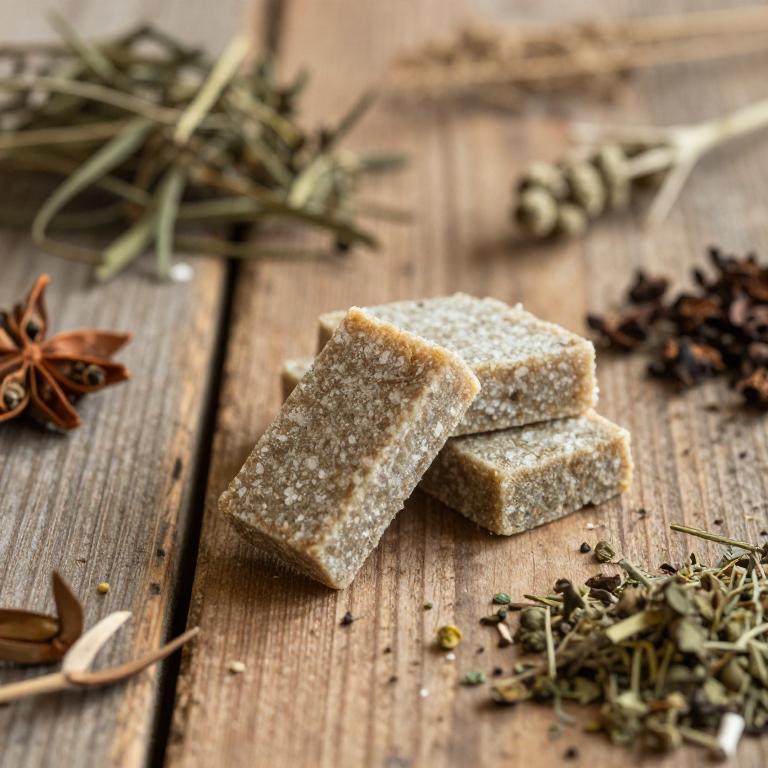
Lavandula angustifolia, commonly known as English lavender, has been traditionally used for its antifungal and soothing properties, making it a potential natural remedy for jock itch.
Herbal lozenges containing lavender extract may help alleviate the symptoms of jock itch by reducing fungal growth and providing a calming effect on irritated skin. These lozenges are typically formulated with a combination of lavender oil and other herbal ingredients known for their antimicrobial benefits. While they are not a substitute for medical treatments, they can serve as a complementary approach to managing mild cases of jock itch.
However, it is important to consult a healthcare professional before using any herbal remedy, especially if the condition persists or worsens.
6. Italian cypress (Cupressus sempervirens)
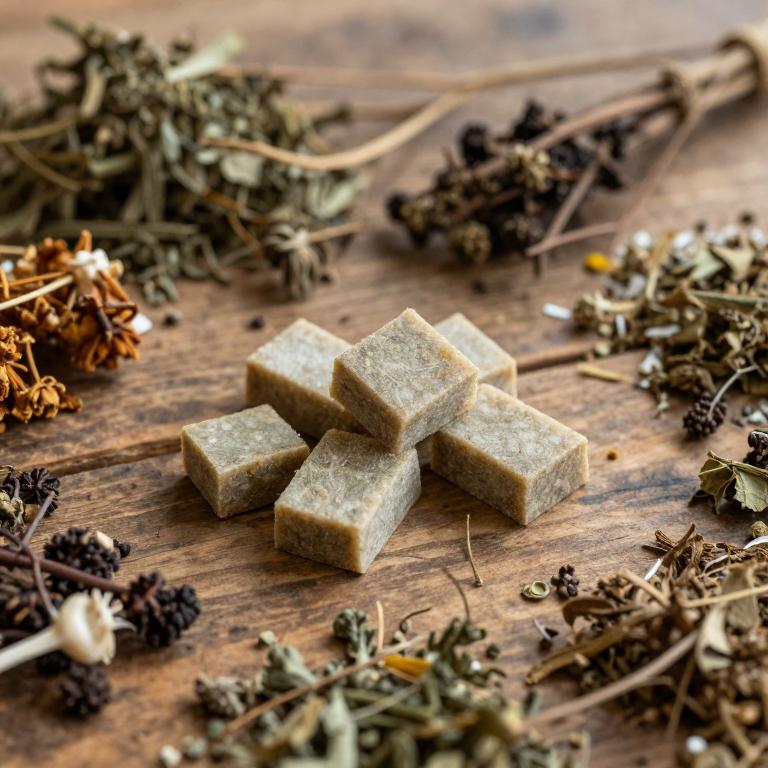
Cupressus sempervirens, commonly known as Italian cypress, has been traditionally used for its antimicrobial and anti-inflammatory properties, making it a potential ingredient in herbal lozenges for jock itch.
These lozenges are formulated to target fungal infections, such as those caused by Tinea cruris, by delivering natural compounds that may inhibit the growth of dermatophytes. The essential oils derived from Cupressus sempervirens are believed to provide soothing relief and help reduce itching and irritation associated with the condition. While herbal lozenges may offer a complementary approach to conventional treatments, they should not replace medical advice or prescribed antifungal medications.
Further research is needed to fully establish their efficacy and safety for treating jock itch.
7. Lemon grass (Cymbopogon citratus)
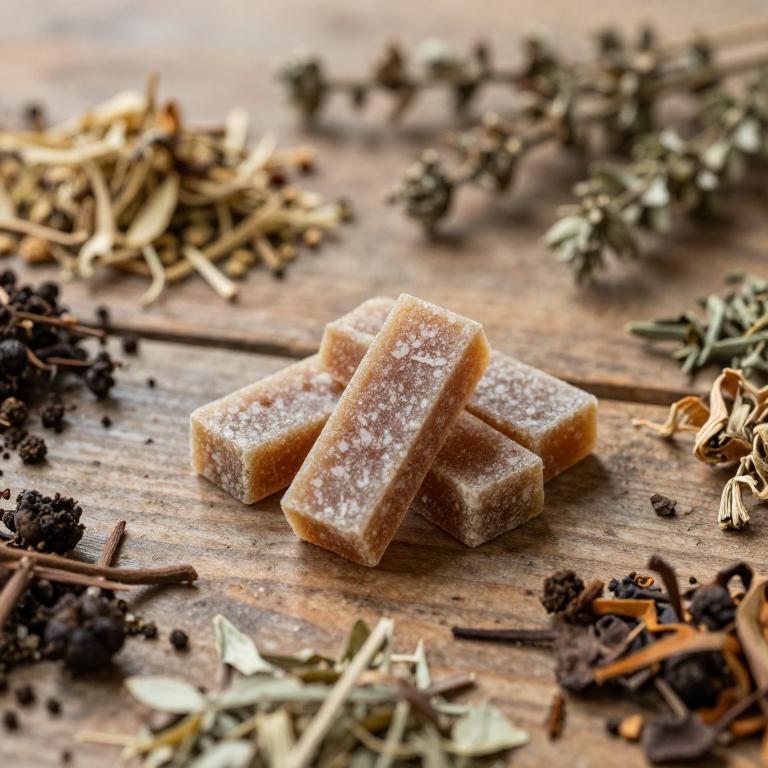
Cymbopogon citratus, commonly known as lemon grass, is a herbal remedy that has been traditionally used for its antifungal and anti-inflammatory properties.
Lemon grass herbal lozenges are formulated to provide relief from the symptoms of jock itch, a fungal infection that affects the groin area. These lozenges work by delivering natural compounds that may help inhibit the growth of fungi responsible for the infection. The soothing effects of lemon grass can also help reduce itching and irritation associated with jock itch.
While herbal lozenges may offer a natural alternative for some individuals, they should be used in conjunction with proper hygiene and, if necessary, medical treatment for effective management of the condition.
8. Rosemary (Rosmarinus officinalis)
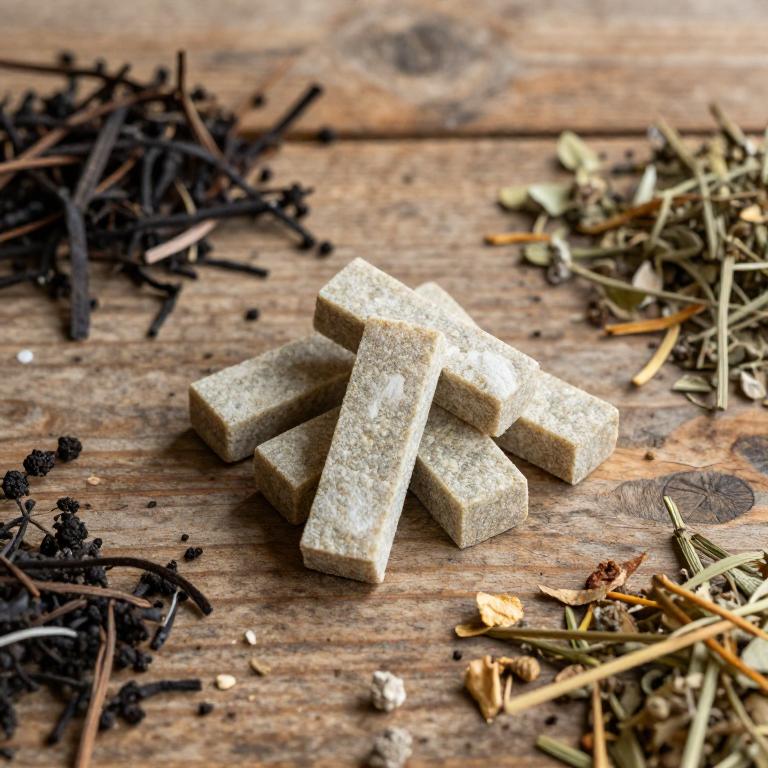
Rosmarinus officinalis, commonly known as rosemary, is a herbal remedy that has been traditionally used for its antifungal and antimicrobial properties.
Rosemary essential oil, derived from the leaves of this plant, contains compounds like carvacrol and rosmarinic acid, which may help combat fungal infections such as jock itch. Herbal lozenges infused with rosemary extract can provide a localized treatment by delivering these beneficial compounds directly to the affected area. While not a substitute for medical treatment, these lozenges may offer complementary relief by reducing itching and inflammation associated with jock itch.
However, it is important to consult a healthcare professional before using any herbal remedy, especially if symptoms persist or worsen.
9. Salvia (Salvia officinalis)
Salvia officinalis, commonly known as sage, has been traditionally used for its antimicrobial and anti-inflammatory properties, making it a potential natural remedy for jock itch, a fungal infection caused by dermatophytes.
Herbal lozenges containing salvia officinalis may help soothe the affected area by reducing itching and inflammation, although they are not a direct antifungal treatment. These lozenges are typically used externally, applied to the infected skin area, and may complement conventional antifungal therapies. However, it is important to consult a healthcare provider before using salvia-based products for jock itch, as they may not be effective for all cases and could interact with other treatments.
While some studies suggest sage's potential benefits, more clinical research is needed to confirm its efficacy in treating fungal infections like jock itch.
10. Eucalyptus (Eucalyptus globulus)
Eucalyptus globulus herbal lozenges are formulated with the essential oil of eucalyptus, a plant known for its antimicrobial and anti-inflammatory properties.
These lozenges may help alleviate symptoms of jock itch by reducing fungal growth and soothing irritated skin around the groin area. While they are not a substitute for antifungal treatments, they can serve as a complementary remedy to support skin health. The cooling and refreshing effect of eucalyptus oil may provide temporary relief from itching and discomfort.
However, it is important to consult a healthcare provider for proper diagnosis and treatment of jock itch, especially if symptoms persist or worsen.