10 Best Herbal Lotions For Jaw Lock

Herbal lotions for jaw lock are natural remedies that aim to alleviate tension and discomfort in the jaw area, often associated with conditions like temporomandibular joint disorder (TMJ).
These lotions typically contain soothing herbs such as lavender, eucalyptus, and chamomile, which are known for their anti-inflammatory and calming properties. When applied topically to the jaw, these herbal formulations can help reduce muscle spasms and promote relaxation of the jaw muscles. They are often used as a complementary therapy alongside other treatments like physical therapy or dental care.
However, it's important to consult with a healthcare professional before using any herbal product, especially if you have underlying health conditions or are taking medications.
Table of Contents
- 1. Stinging nettle (Urtica dioica)
- 2. St. john's wort (Hypericum perforatum)
- 3. Yarrow (Achillea millefolium)
- 4. Rosemary (Rosmarinus officinalis)
- 5. Salvia (Salvia officinalis)
- 6. Echinacea (Echinacea purpurea)
- 7. English lavender (Lavandula angustifolia)
- 8. Mountain arnica (Arnica montana)
- 9. Common mallow (Symphytum officinale)
- 10. German chamomile (Chamomilla recutita)
1. Stinging nettle (Urtica dioica)
Urtica dioica, commonly known as stinging nettle, is a herb that has been traditionally used for its anti-inflammatory and pain-relieving properties.
When incorporated into herbal lotions, it can help alleviate symptoms associated with jaw lock, such as stiffness and discomfort. These lotions are typically applied topically to the jaw area, allowing the active compounds in stinging nettle to penetrate the skin and reduce inflammation. The cooling effect of the lotion may also provide soothing relief, making it a natural alternative for those seeking non-pharmaceutical treatments.
However, it is important to consult with a healthcare professional before using such remedies, especially if the jaw lock is caused by an underlying medical condition.
2. St. john's wort (Hypericum perforatum)

Hypericum perforatum, commonly known as St. John's Wort, is a herbal plant that has been traditionally used for its anti-inflammatory and analgesic properties.
When formulated into a herbal lotion, it can be applied topically to the jaw area to help alleviate symptoms of jaw lock, which is often associated with temporomandibular joint (TMJ) disorders. The active compounds in St. John's Wort, such as hyperforin and hypericin, may help reduce inflammation and muscle tension in the jaw, promoting relaxation and ease of movement. However, it is important to consult a healthcare professional before using St. John's Wort, as it may interact with certain medications.
Overall, hypericum perforatum herbal lotion offers a natural alternative for those seeking relief from jaw lock, though its effectiveness can vary among individuals.
3. Yarrow (Achillea millefolium)
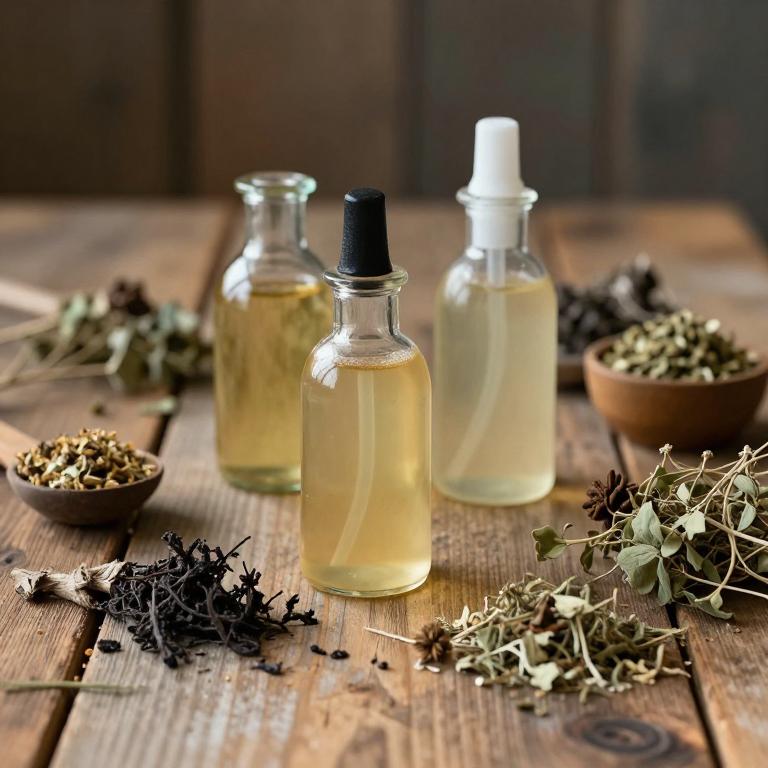
Achillea millefolium, commonly known as yarrow, has been traditionally used in herbal medicine for its anti-inflammatory and antiseptic properties.
When formulated into a herbal lotion, it may help alleviate symptoms associated with jaw lock, such as swelling and muscle tension. The active compounds in yarrow, including essential oils and flavonoids, are believed to promote circulation and reduce inflammation in the jaw area. Applying the lotion gently to the jaw can provide a soothing effect and support natural healing processes.
However, it is advisable to consult a healthcare professional before using herbal treatments for persistent jaw issues.
4. Rosemary (Rosmarinus officinalis)
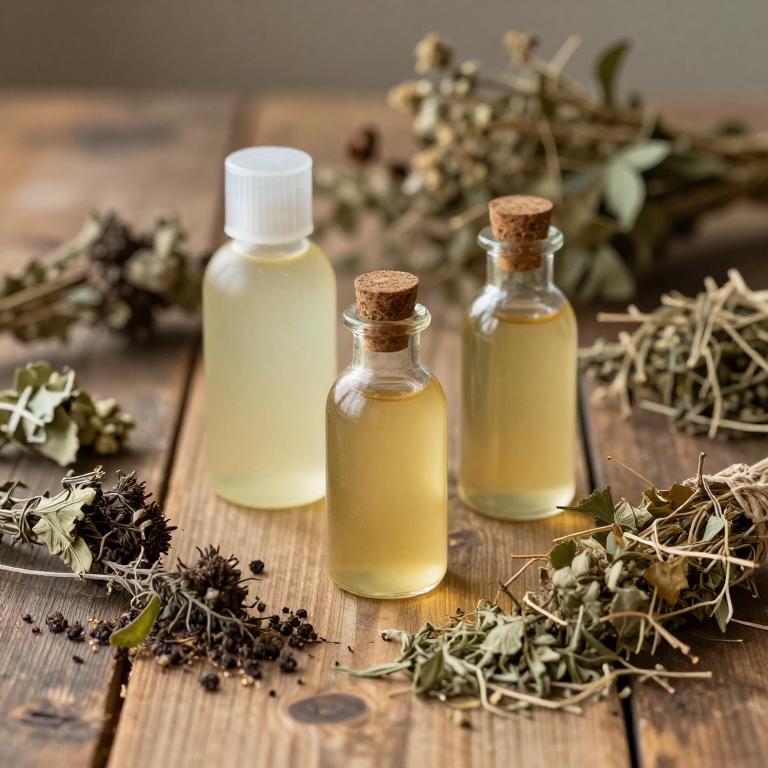
Rosmarinus officinalis, commonly known as rosemary, is a popular herb used in the formulation of herbal lotions for jaw lock, a condition characterized by stiffness and difficulty in moving the jaw.
These lotions often contain rosemary essential oil, which is believed to have anti-inflammatory and muscle-relaxing properties that can help alleviate tension in the jaw area. The application of rosemary herbal lotions may improve blood circulation and reduce swelling, promoting relaxation of the jaw muscles. Many users report a soothing effect when applying these lotions, making them a natural alternative to conventional treatments.
However, it is advisable to consult a healthcare professional before using any herbal remedy, especially if the jaw lock is caused by an underlying medical condition.
5. Salvia (Salvia officinalis)
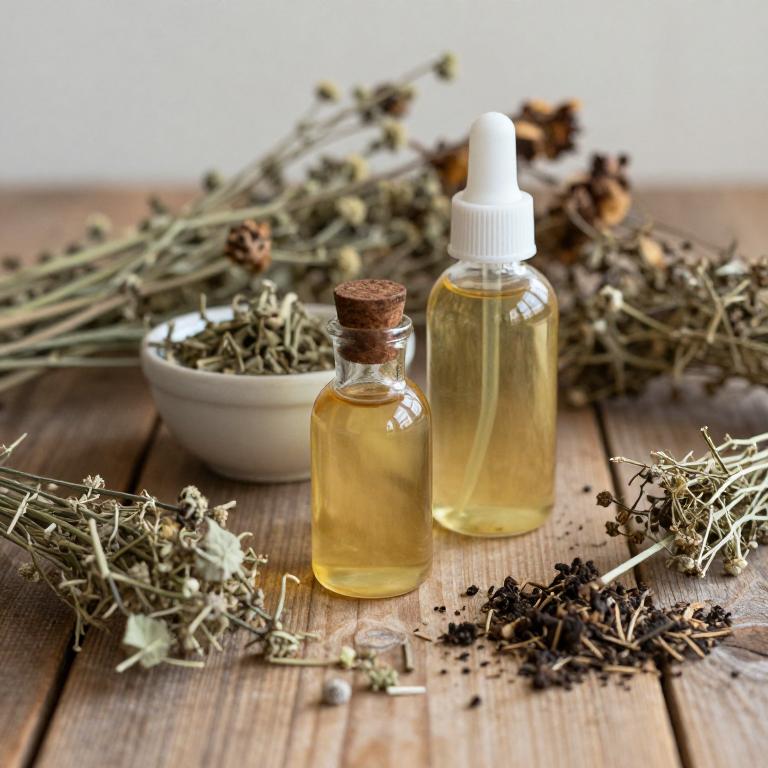
Salvia officinalis, commonly known as sage, is often used in herbal lotions for its anti-inflammatory and antiseptic properties, which can help alleviate symptoms of jaw lock.
These lotions typically contain extracts of sage leaves that may reduce swelling and discomfort in the jaw area. When applied topically, they can provide a soothing effect and support the healing process of jaw-related issues. Some formulations also include essential oils like lavender or peppermint to enhance the therapeutic benefits.
However, it is important to consult a healthcare professional before using sage-based products, especially if you have sensitive skin or underlying medical conditions.
6. Echinacea (Echinacea purpurea)
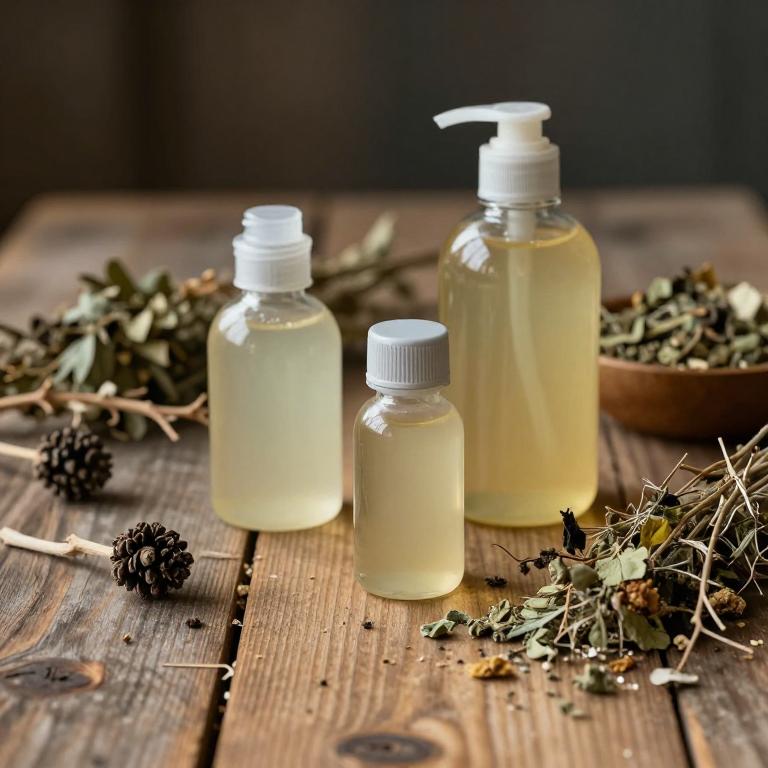
Echinacea purpurea, commonly known as purple coneflower, is a popular herbal remedy often used in the formulation of natural lotions for its potential anti-inflammatory and immune-boosting properties.
When incorporated into herbal lotions, echinacea purpurea may help reduce inflammation and discomfort associated with jaw lock, a condition characterized by tightness or pain in the jaw joint or surrounding muscles. These lotions typically contain a blend of echinacea extract with other soothing ingredients like aloe vera or chamomile to enhance their calming effects. Applying such a lotion to the jaw area can provide localized relief and promote relaxation of the jaw muscles.
However, it is advisable to consult with a healthcare professional before using echinacea-based products, especially for individuals with known allergies or existing medical conditions.
7. English lavender (Lavandula angustifolia)
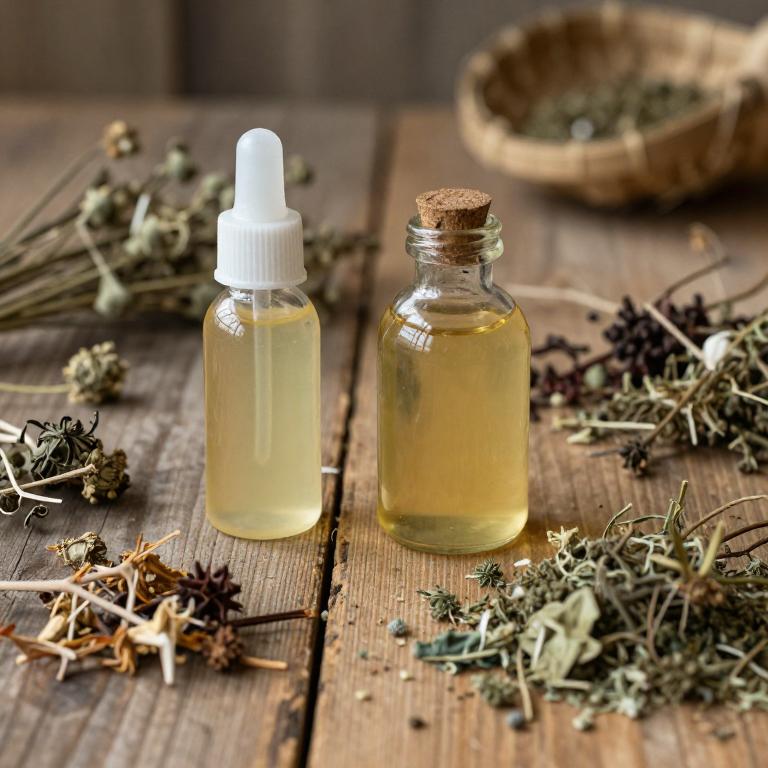
Lavandula angustifolia, commonly known as English lavender, is widely used in herbal lotions for its calming and anti-inflammatory properties.
These lotions are often formulated with essential oils extracted from the flowers of the plant, which have been shown to reduce muscle tension and soothe the skin. When applied to the jaw area, lavender herbal lotions can help alleviate symptoms of jaw lock, a condition characterized by muscle stiffness and difficulty in opening the mouth. The soothing aroma of lavender also promotes relaxation, which can further ease tension in the jaw muscles.
Regular use of these lotions may provide a natural and effective alternative to conventional treatments for mild cases of jaw lock.
8. Mountain arnica (Arnica montana)
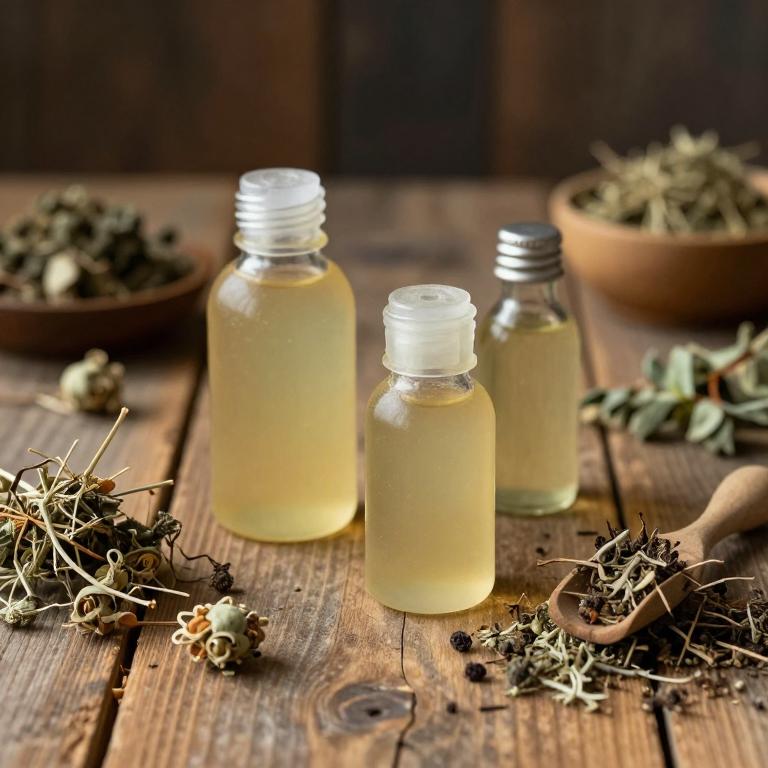
Arnica montana herbal lotions are commonly used to alleviate symptoms of jaw lock, a condition characterized by stiffness, pain, and limited movement in the jaw joint.
These lotions contain arnica, a herb known for its anti-inflammatory and pain-relieving properties, which can help reduce swelling and discomfort in the jaw area. When applied topically to the jaw, the active ingredients in arnica montana may improve circulation and promote muscle relaxation, offering natural relief without the side effects of oral medications. However, it is important to consult with a healthcare professional before using arnica montana, especially if you have sensitive skin or are pregnant.
Overall, arnica montana herbal lotions can be a helpful complementary treatment for managing jaw lock when used appropriately.
9. Common mallow (Symphytum officinale)

Symphytum officinale, commonly known as comfrey, is a traditional herbal plant often used in the preparation of topical lotions for joint and muscle support.
These herbal lotions are believed to promote the healing of connective tissues, making them a popular choice for individuals experiencing jaw lock, a condition characterized by difficulty in opening the mouth. The active compounds in comfrey, such as allantoin and rosmarinic acid, are thought to have anti-inflammatory and regenerative properties that may aid in reducing pain and stiffness in the jaw area. While some studies suggest potential benefits, it is important to use these lotions with caution, as comfrey may have toxic effects when ingested.
As with any herbal remedy, it is advisable to consult with a healthcare professional before using symphytum officinale lotions for jaw lock.
10. German chamomile (Chamomilla recutita)
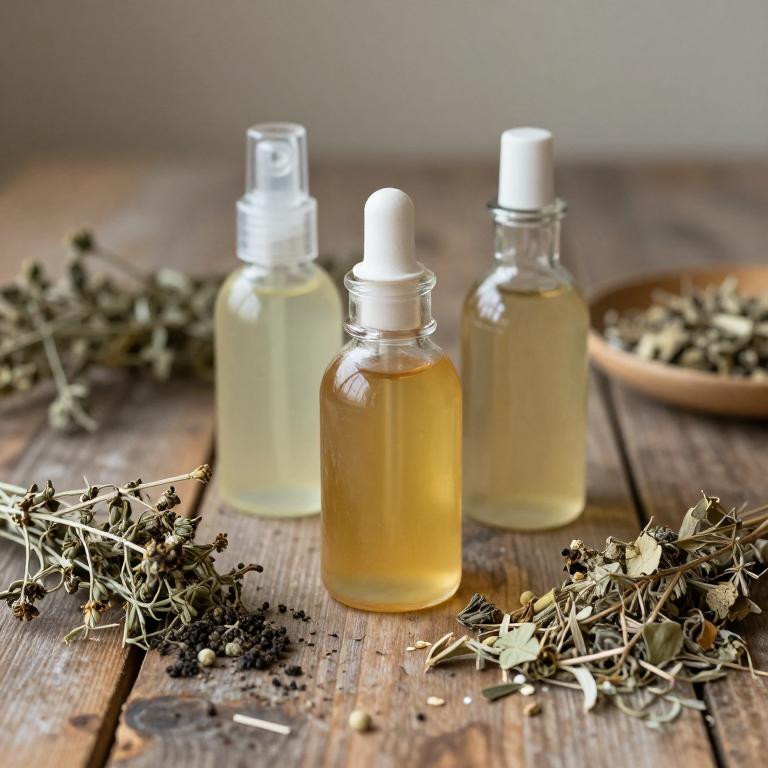
Chamomilla recutita, commonly known as German chamomile, is widely used in herbal lotions for its calming and anti-inflammatory properties.
These lotions are often applied to the jaw area to help relieve symptoms of jaw lock, a condition characterized by difficulty in opening the mouth or a feeling of tightness in the jaw. The active compounds in chamomile, such as bisabolol and chamazulene, have been shown to reduce muscle tension and soothe inflammation, making them beneficial for individuals suffering from temporomandibular joint (TMJ) disorders. Regular use of chamomilla recutita herbal lotions can promote relaxation of the jaw muscles and improve overall comfort.
However, it is advisable to consult a healthcare professional before using these lotions, especially if the jaw lock is caused by an underlying medical condition.