10 Best Herbal Essential Oils For Jaw Lock
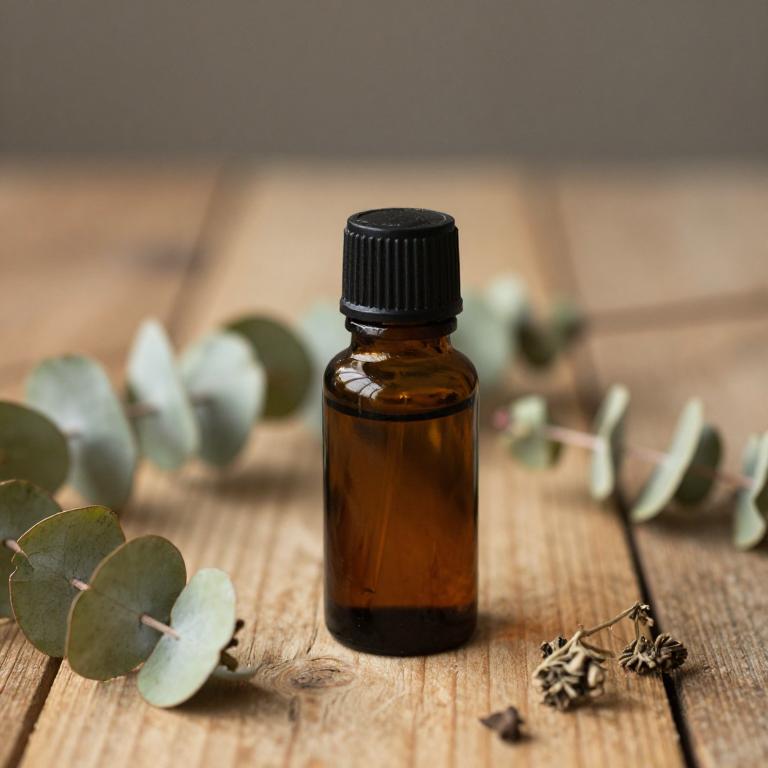
Herbal essential oils such as peppermint, eucalyptus, and lavender are commonly used for alleviating jaw lock, a condition often associated with bruxism or temporomandibular joint (TMJ) disorder.
These oils possess anti-inflammatory, analgesic, and muscle-relaxing properties that can help reduce tension and pain in the jaw muscles. When diluted with a carrier oil and applied topically to the jaw area, they can provide localized relief and promote relaxation. Inhalation of these essential oils through steam or diffusers may also help ease stress, a common contributor to jaw clenching.
However, it is important to consult a healthcare professional before using essential oils, especially if there are underlying medical conditions or if pregnant.
Table of Contents
- 1. Eucalyptus (Eucalyptus globulus)
- 2. Rosemary (Rosmarinus officinalis)
- 3. Black pepper (Piper nigrum)
- 4. Peppermint (Mentha piperita)
- 5. English lavender (Lavandula angustifolia)
- 6. Ceylon cinnamon (Cinnamomum zeylanicum)
- 7. Turmeric (Curcuma longa)
- 8. Ginger (Zingiber officinale)
- 9. Thyme (Thymus vulgaris)
- 10. Chaste tree (Vitex agnus-castus)
1. Eucalyptus (Eucalyptus globulus)
Eucalyptus globulus, also known as blue gum eucalyptus, is a popular source of essential oil widely used for its therapeutic properties.
This essential oil is known for its strong, camphor-like aroma and its ability to promote mental clarity and respiratory relief. When applied topically to the jaw area, eucalyptus globulus essential oil may help alleviate jaw lock by reducing muscle tension and inflammation. It is often diluted with a carrier oil before application to prevent skin irritation.
However, it is important to consult with a healthcare professional before using essential oils, especially for those with sensitive skin or underlying medical conditions.
2. Rosemary (Rosmarinus officinalis)
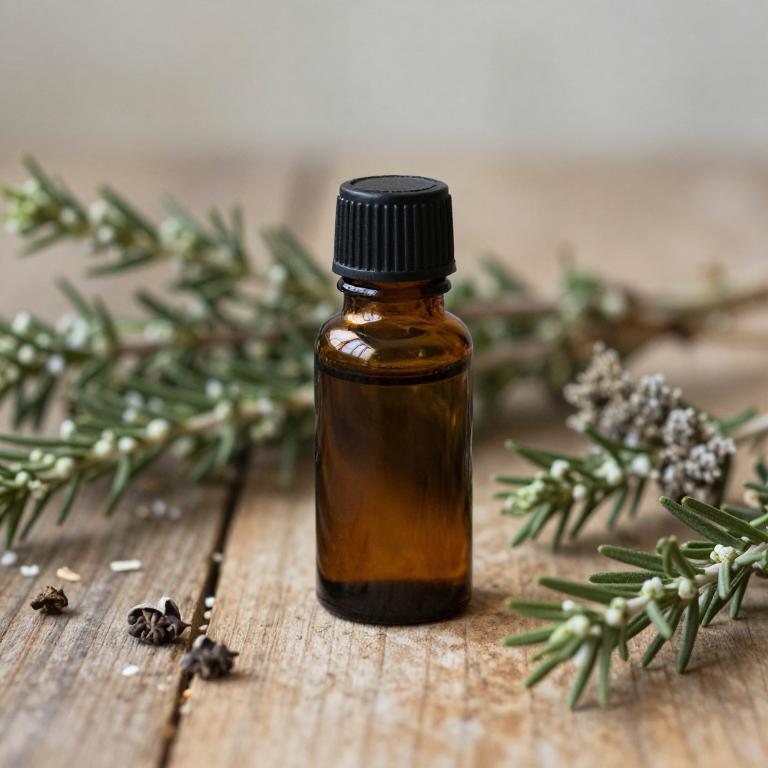
Rosmarinus officinalis, commonly known as rosemary, is a versatile herb whose essential oil has been traditionally used for its aromatic and therapeutic properties.
The essential oil of rosemary contains compounds like cineole and camphor, which are known to support muscle relaxation and improve blood circulation, making it beneficial for conditions like jaw lock. When applied topically, rosemary essential oil can help reduce tension in the jaw muscles, providing relief from symptoms of temporomandibular joint (TMJ) disorders. It is often diluted with a carrier oil before use to prevent skin irritation.
Additionally, its stimulating aroma can promote relaxation and reduce stress, which may contribute to alleviating jaw clenching and locking.
3. Black pepper (Piper nigrum)
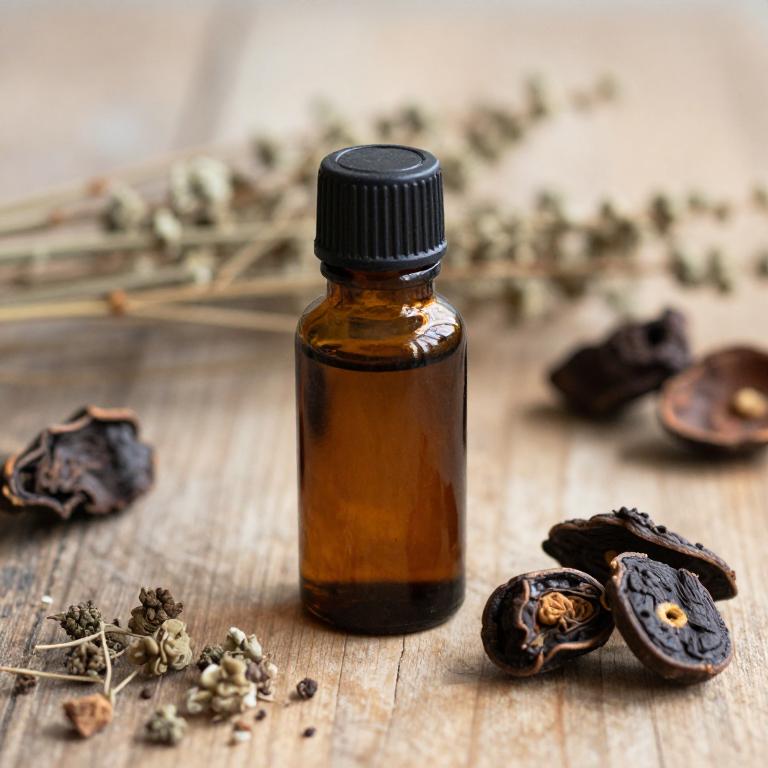
Piper nigrum, commonly known as black pepper, contains essential oils that have been traditionally used for their warming and stimulating properties.
These essential oils, derived from the dried fruit of the plant, may help alleviate jaw lock by promoting circulation and reducing muscle tension in the jaw area. The active compound, piperine, is believed to contribute to its analgesic and anti-inflammatory effects, which can ease discomfort associated with jaw lock. While not a substitute for professional medical treatment, some individuals use piper nigrum essential oils in aromatherapy or topical applications as a complementary remedy.
It is important to dilute the oil properly and consult with a healthcare provider before using it for therapeutic purposes.
4. Peppermint (Mentha piperita)
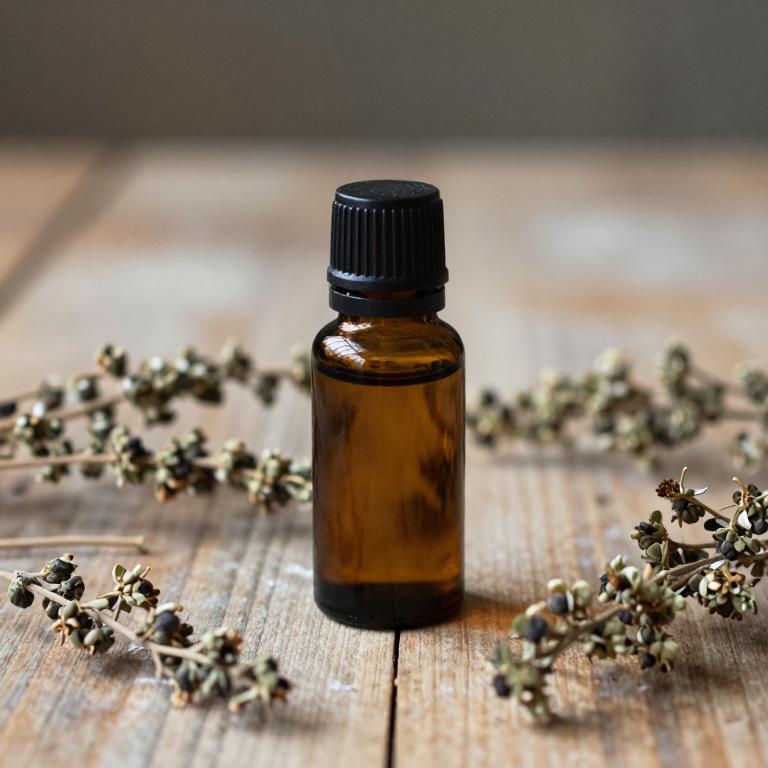
Mentha piperita, commonly known as peppermint, is a popular herb used to produce essential oils that are known for their cooling and stimulating properties.
These essential oils can be particularly beneficial for relieving jaw lock, a condition often caused by muscle tension or bruxism. When applied topically to the jaw area, peppermint oil helps to relax the muscles and reduce inflammation, promoting a sense of relief. Its active compounds, such as menthol, stimulate the skin and improve blood circulation, which can ease discomfort.
However, it is important to dilute the essential oil with a carrier oil before use to avoid skin irritation and ensure safe application.
5. English lavender (Lavandula angustifolia)
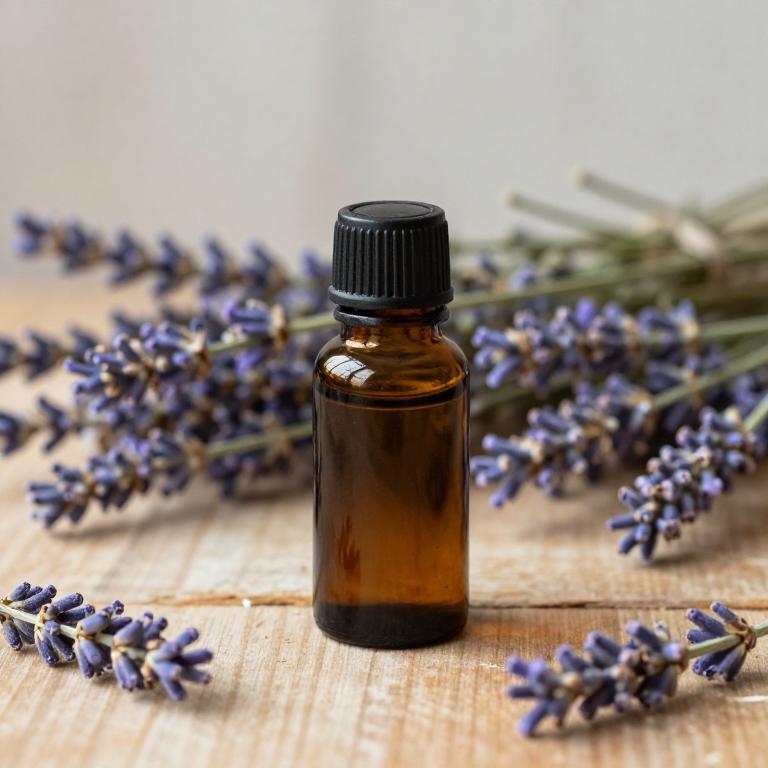
Lavandula angustifolia, commonly known as English lavender, is a widely used herb whose essential oil is renowned for its calming and anti-inflammatory properties.
When applied topically to the jaw area, lavender essential oil may help alleviate muscle tension and reduce inflammation, which can contribute to jaw lock or temporomandibular joint (TMJ) discomfort. Its soothing aroma can also promote relaxation, potentially easing stress-related jaw clenching. However, it is important to dilute the essential oil with a carrier oil before application to avoid skin irritation.
While lavender essential oil may offer some relief, it should not replace professional medical advice or treatment for persistent jaw issues.
6. Ceylon cinnamon (Cinnamomum zeylanicum)
Cinnamomum zeylanicum, also known as cinnamon bark, is a popular source of essential oils that are often used for their warming and stimulating properties.
The essential oil derived from this plant contains compounds like cinnamaldehyde and eugenol, which may help reduce inflammation and improve circulation, making it potentially beneficial for jaw lock or temporomandibular joint (TMJ) discomfort. When applied topically to the jaw area, cinnamon oil can provide a soothing effect and may aid in relieving muscle tension. It is important to dilute the essential oil with a carrier oil before use to avoid skin irritation.
While it may offer some relief, it is recommended to consult with a healthcare professional before using essential oils for jaw-related issues.
7. Turmeric (Curcuma longa)
Curcuma longa, commonly known as turmeric, contains essential oils that have been traditionally used for their anti-inflammatory and analgesic properties.
These essential oils may help reduce inflammation and muscle tension in the jaw, potentially alleviating symptoms of jaw lock or temporomandibular joint (TMJ) disorder. When applied topically, the essential oils from curcuma longa can penetrate the skin and provide localized relief, promoting relaxation of the jaw muscles. However, it is important to dilute the essential oils properly to avoid skin irritation and ensure safe use.
While some anecdotal evidence supports its use, further scientific research is needed to fully understand its efficacy for jaw-related conditions.
8. Ginger (Zingiber officinale)
Zingiber officinale, commonly known as ginger, is a popular herbal plant used in traditional medicine for its therapeutic properties.
Its essential oil, derived from the rhizome through steam distillation, contains bioactive compounds like gingerol and shogaol, which possess anti-inflammatory and analgesic effects. When used for jaw lock, ginger essential oil can help alleviate muscle tension and reduce pain by promoting circulation and easing inflammation in the jaw area. It is often diluted with a carrier oil before topical application to ensure safety and effectiveness.
Regular use of zingiber officinale essential oil may support natural healing and provide relief for individuals suffering from temporomandibular joint (TMJ) disorders or bruxism-related jaw pain.
9. Thyme (Thymus vulgaris)
Thymus vulgaris, commonly known as thyme, is a popular herb used in aromatherapy for its potent essential oils, which are known for their antimicrobial and anti-inflammatory properties.
When used for jaw lock, thyme essential oil can help alleviate tension and inflammation in the jaw area by promoting relaxation and reducing muscle stiffness. To apply it, a few drops of diluted thyme essential oil can be applied to the jawline and massaged gently in circular motions. Its warming effect may also help improve circulation and ease discomfort associated with jaw lock.
However, it is important to dilute the oil properly before use, as undiluted thyme essential oil can be irritating to the skin.
10. Chaste tree (Vitex agnus-castus)
Vitex agnus-castus, commonly known as chasteberry, is a herbal essential oil that has been traditionally used for its potential hormonal balancing properties.
While it is more commonly associated with menstrual regulation and menopausal symptoms, some practitioners suggest it may support overall hormonal health, which could indirectly influence jaw lock, a condition often linked to stress and hormonal imbalances. When used in essential oil form, Vitex agnus-castus can be diluted and applied topically or used in aromatherapy to promote relaxation and reduce stress, which may alleviate tension in the jaw area. However, it is important to consult with a qualified aromatherapist or healthcare provider before using it for specific health conditions.
Although not a direct treatment for jaw lock, Vitex agnus-castus may be part of a holistic approach to managing stress-related jaw issues.