10 Best Herbal Essential Oils For Jaw Clenching
Herbal essential oils, such as lavender, peppermint, and chamomile, are commonly used to alleviate jaw clenching due to their calming and muscle-relaxing properties.
When applied topically to the jaw area, these oils can help reduce tension and promote relaxation in the facial muscles. Many people find that inhaling the aroma of these oils through diffusion or direct application can ease stress-related jaw clenching. However, it is important to dilute essential oils with a carrier oil before applying them to the skin to avoid irritation.
While they can be a natural complement to other treatments, they should not replace professional medical advice for persistent jaw issues.
Table of Contents
- 1. Peppermint (Mentha piperita)
- 2. English lavender (Lavandula angustifolia)
- 3. Rosemary (Rosmarinus officinalis)
- 4. Valerian (Valeriana officinalis)
- 5. German chamomile (Chamomilla recutita)
- 6. Black pepper (Piper nigrum)
- 7. Lemon balm (Melissa officinalis)
- 8. Salvia (Salvia officinalis)
- 9. Citron (Citrus aurantium)
- 10. Eucalyptus (Eucalyptus globulus)
1. Peppermint (Mentha piperita)
Mentha piperita, commonly known as peppermint, is a popular herbal source of essential oil that has been traditionally used for its refreshing and invigorating properties.
The essential oil of peppermint contains menthol, which has a cooling effect and can help relax tense muscles, including those in the jaw. When applied topically or inhaled, peppermint oil may help alleviate jaw clenching by reducing stress and promoting relaxation. It is often used in aromatherapy and massage to ease symptoms of bruxism, or teeth grinding, which can contribute to jaw tension.
However, it is important to dilute the oil properly before use and consult a healthcare professional if jaw clenching is a persistent issue.
2. English lavender (Lavandula angustifolia)
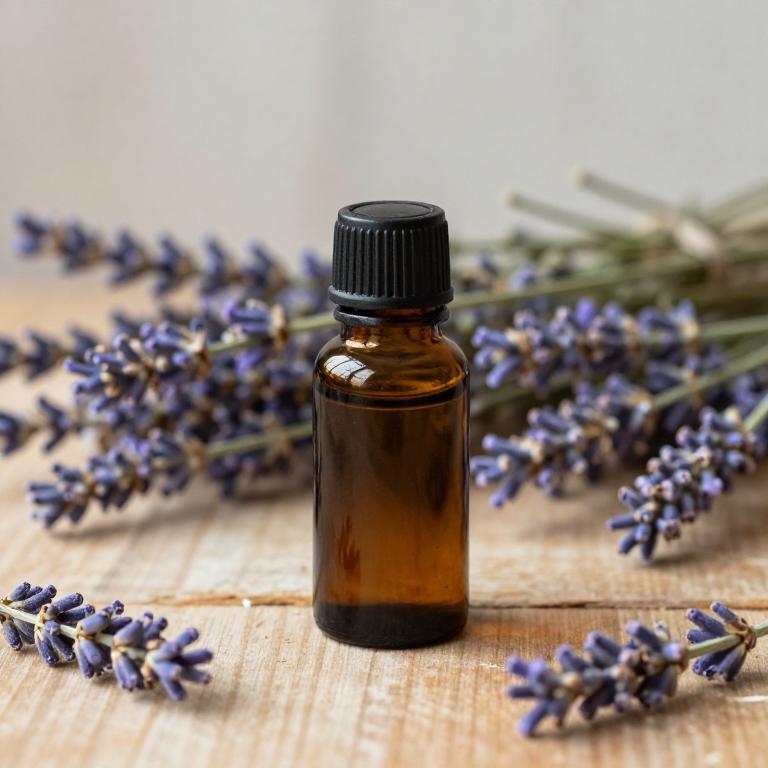
Lavandula angustifolia, commonly known as English lavender, is widely used in aromatherapy for its calming and relaxing properties.
The essential oil derived from this plant contains compounds such as linalool and linalyl acetate, which are known to reduce stress and anxiety, both of which can contribute to jaw clenching. When inhaled or applied topically, lavender essential oil may help relax the jaw muscles and ease tension in the temporomandibular joint (TMJ). It is often used in massage therapy or as part of a relaxation routine to alleviate symptoms of bruxism and jaw tightness.
While it is not a substitute for medical treatment, lavender essential oil can serve as a complementary therapy to support overall oral and mental well-being.
3. Rosemary (Rosmarinus officinalis)
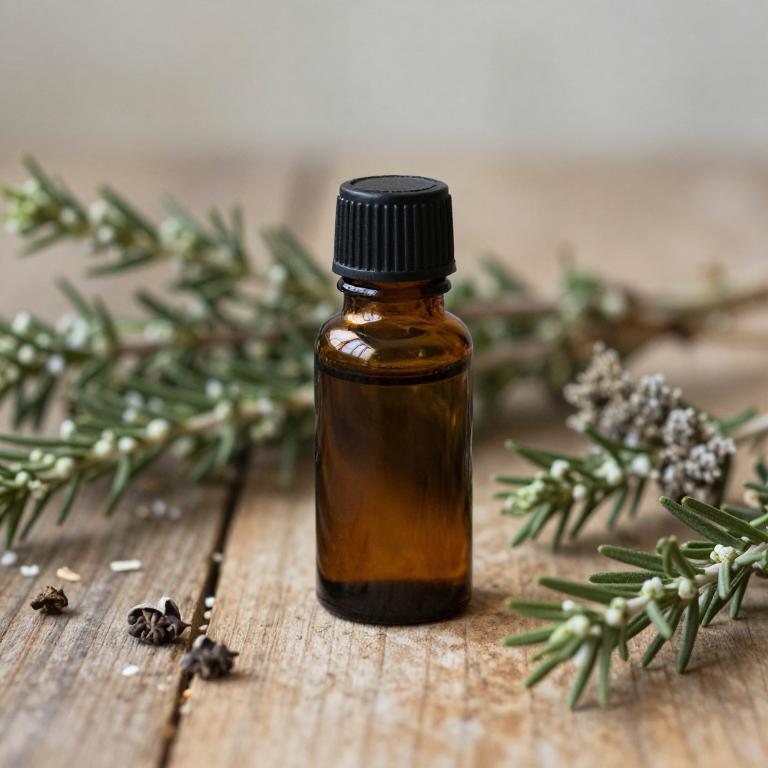
Rosmarinus officinalis, commonly known as rosemary, produces a distinctive essential oil that has been explored for its potential benefits in addressing jaw clenching.
The oil contains compounds like camphor and cineole, which are believed to have calming and muscle-relaxing properties. When used in aromatherapy or applied topically, rosemary essential oil may help reduce tension in the jaw muscles, offering relief from bruxism and stress-related clenching. Its stimulating yet soothing effects make it a popular choice in natural remedies for oral and facial muscle relaxation.
However, it is important to dilute the oil properly and consult with a healthcare professional before using it for therapeutic purposes.
4. Valerian (Valeriana officinalis)
Valeriana officinalis, commonly known as valerian, is a herb traditionally used for its calming properties, and its essential oil has been explored for its potential to alleviate jaw clenching.
The essential oil contains compounds such as valerenic acid, which may help reduce anxiety and muscle tension, both of which are common contributors to jaw clenching. When used in aromatherapy or applied topically, valerian essential oil can promote relaxation and ease the stress-related muscle tightness in the jaw area. However, it is important to dilute the oil properly before use to avoid skin irritation.
While research on its direct effects on jaw clenching is limited, many users report a soothing effect that may indirectly help manage bruxism and related symptoms.
5. German chamomile (Chamomilla recutita)
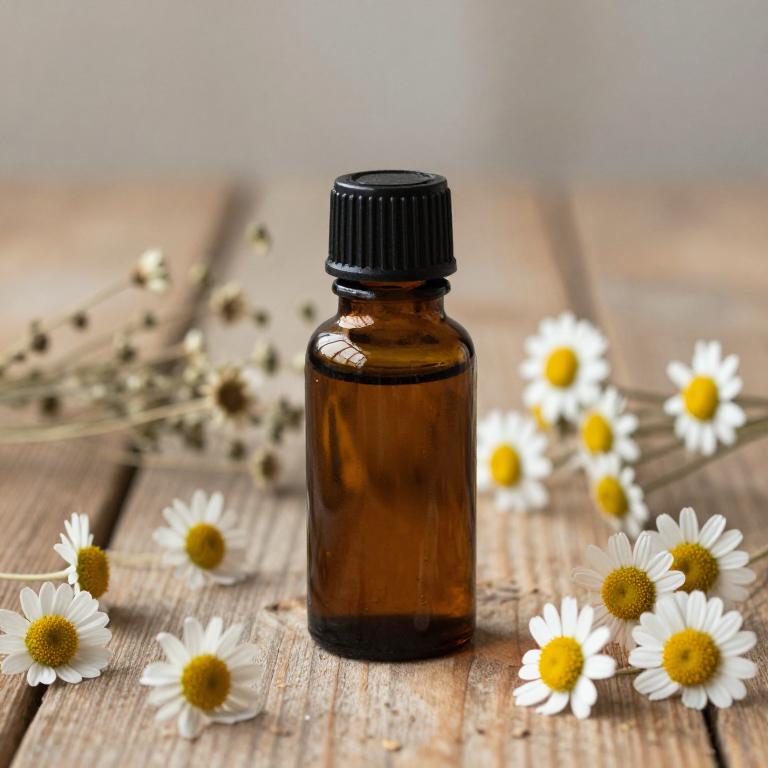
Chamomilla recutita, commonly known as German chamomile, is a widely used herb in aromatherapy for its calming and anti-inflammatory properties.
Its essential oil, derived through steam distillation of the flowering tops, contains compounds like bisabolol and chamazulene that help reduce stress and muscle tension. When used in aromatherapy, such as through inhalation or topical application, chamomile essential oil can help alleviate jaw clenching by promoting relaxation and easing muscle spasms. It is often recommended for individuals who suffer from bruxism or tension-related jaw pain due to its soothing effect on the nervous system.
However, it is important to dilute the essential oil properly before applying it to the skin to avoid irritation.
6. Black pepper (Piper nigrum)
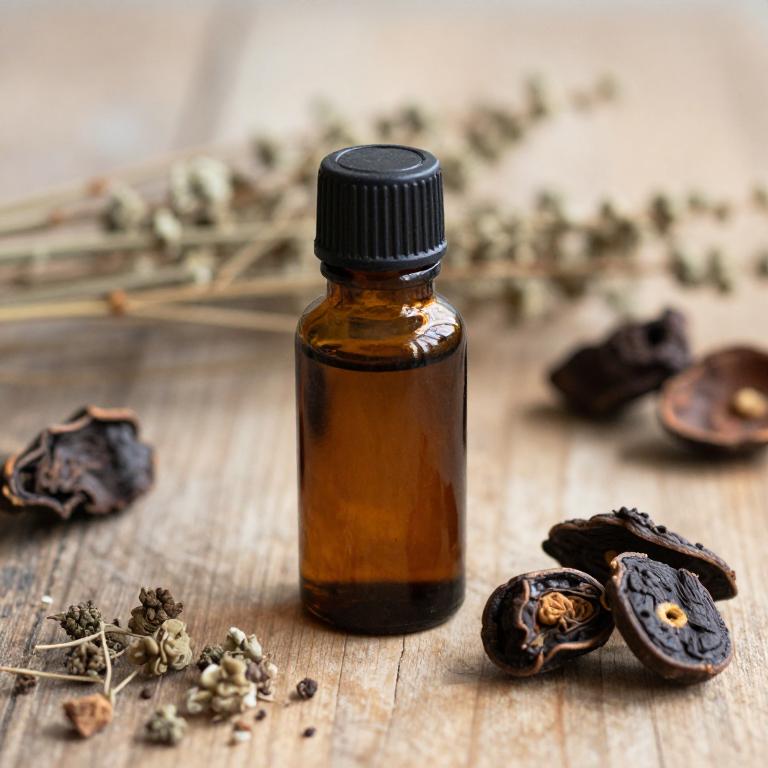
Piper nigrum, commonly known as black pepper, contains essential oils that have been explored for their potential to alleviate jaw clenching due to their stimulating and analgesic properties.
The essential oils derived from black pepper contain compounds like piperine, which may help reduce muscle tension and promote relaxation in the jaw area. While there is limited scientific research specifically on its use for jaw clenching, some holistic practitioners suggest that inhaling or applying these oils can help ease stress-related bruxism. These oils may also help reduce inflammation and improve circulation, which can contribute to overall jaw health.
However, it is important to consult a healthcare professional before using any essential oils for medical conditions, as they can interact with medications or cause allergic reactions.
7. Lemon balm (Melissa officinalis)
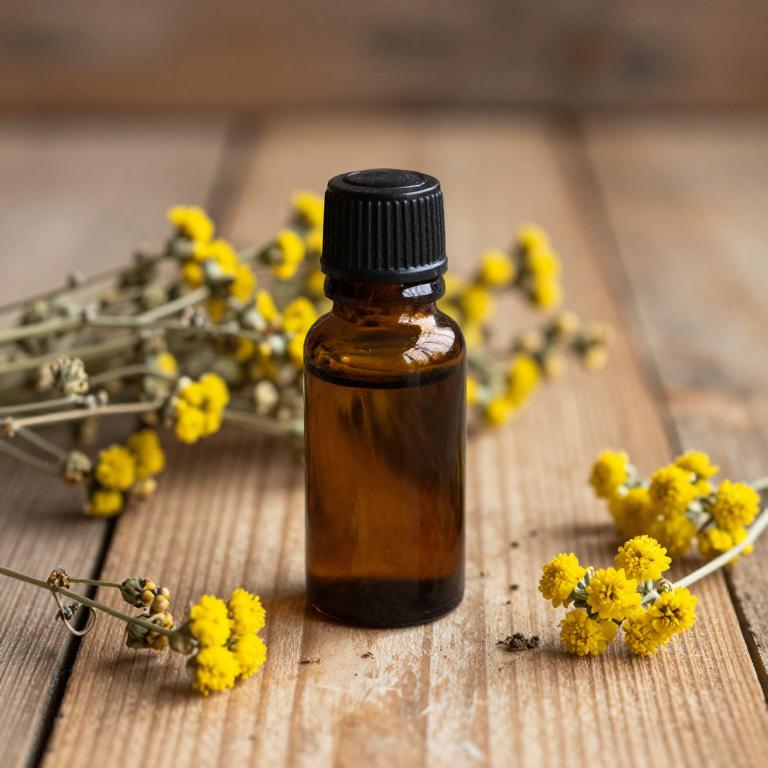
Melissa officinalis, commonly known as lemon balm, is a calming herb that has been traditionally used to promote relaxation and reduce anxiety.
Its essential oil, extracted through steam distillation, contains compounds like linalool and camphor, which are known for their soothing effects on the nervous system. When used aromatically or topically, Melissa officinalis essential oil can help alleviate stress-related jaw clenching by reducing overall tension and promoting a sense of calm. It is often recommended for individuals who experience bruxism or habitual jaw clenching due to anxiety or stress.
However, it should be diluted properly before applying to the skin and used under the guidance of a qualified aromatherapist or healthcare provider.
8. Salvia (Salvia officinalis)
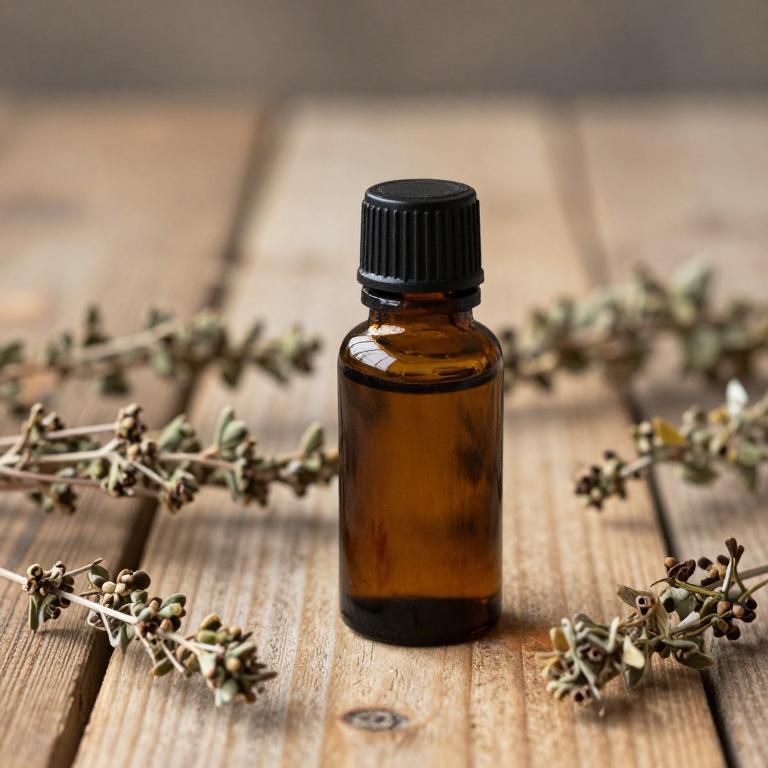
Salvia officinalis, commonly known as sage, produces an essential oil that has been explored for its potential to alleviate jaw clenching due to its calming and muscle-relaxing properties.
The oil contains compounds like thujone and cineole, which may help reduce tension in the jaw muscles by promoting relaxation and reducing stress. When used aromatically or topically, sage essential oil can support a sense of calm, which is beneficial for individuals who clench their jaws due to anxiety or stress. However, it is important to dilute the oil properly before application to avoid skin irritation.
While research on its specific effects on jaw clenching is limited, many users report improved relaxation and reduced jaw tension when using sage essential oil as part of a holistic self-care routine.
9. Citron (Citrus aurantium)
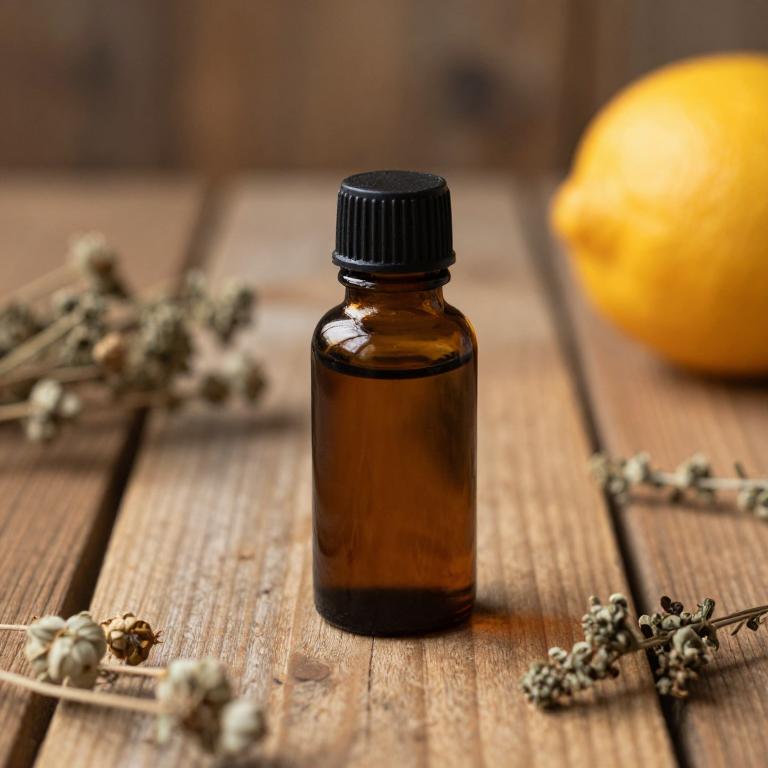
Citrus aurantium, also known as bitter orange, is a citrus fruit that produces essential oils containing compounds like limonene and linalool, which are known for their calming and mood-enhancing properties.
These essential oils have been studied for their potential to reduce stress and anxiety, which are common contributors to jaw clenching and bruxism. When used in aromatherapy or applied topically, the essential oils from citrus aurantium may help relax the jaw muscles and alleviate tension. However, it is important to dilute the oil properly and consult with a healthcare professional before use, especially for those with sensitive skin or existing medical conditions.
Overall, citrus aurantium essential oils offer a natural, holistic approach to managing jaw clenching by addressing underlying emotional and physiological stress factors.
10. Eucalyptus (Eucalyptus globulus)
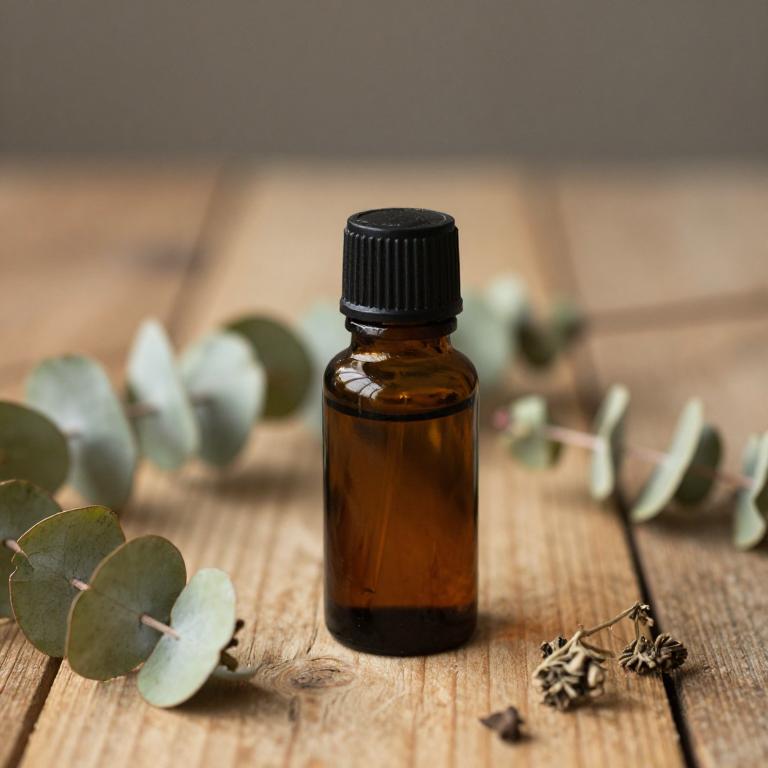
Eucalyptus globulus, commonly known as eucalyptus oil, is a versatile herbal essential oil that has been traditionally used for its aromatic and therapeutic properties.
When applied topically or inhaled, it can help reduce tension and promote relaxation, making it a potential aid for individuals who suffer from jaw clenching. The oil's cooling and stimulating effects may help alleviate the discomfort associated with bruxism and muscle tightness in the jaw area. It is often used in massage therapy or diffused in the environment to create a calming atmosphere.
However, it is important to dilute the oil properly before applying it to the skin and to consult with a healthcare professional before use, especially for those with sensitive skin or underlying health conditions.