10 Best Herbal Lozenges For Jammed Finger
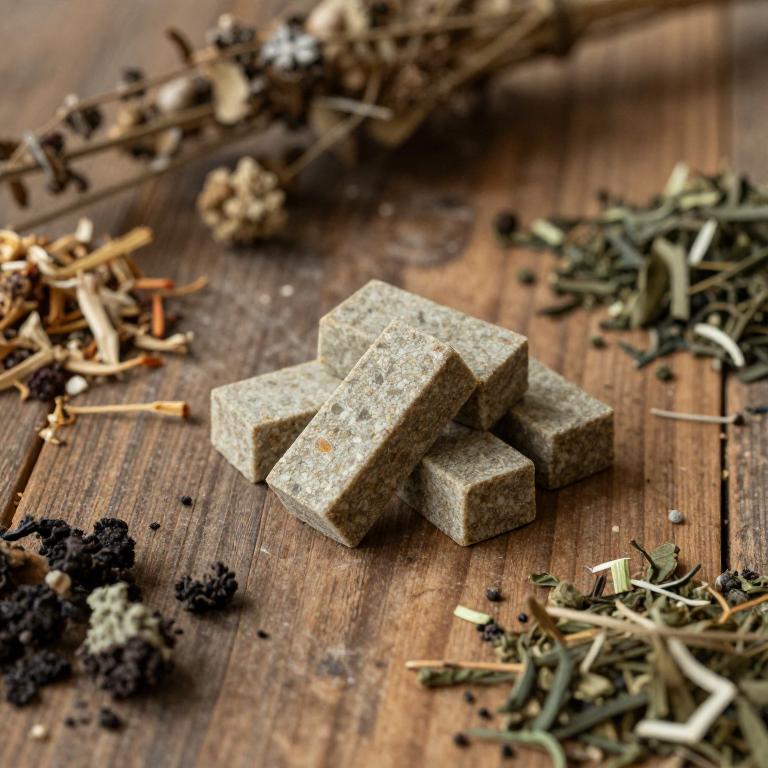
Herbal lozenges are a natural alternative for alleviating the discomfort of a jammed finger, often used to reduce inflammation and promote healing.
These lozenges typically contain ingredients like chamomile, eucalyptus, and menthol, which have soothing and anti-inflammatory properties. While they are primarily designed for throat and mouth ailments, some people use them to ease the pain and swelling associated with a jammed finger. However, it is important to note that herbal lozenges may not be as effective as targeted treatments for finger injuries, and they should not replace professional medical advice.
For severe cases, consulting a healthcare provider is recommended to ensure proper care and recovery.
Table of Contents
- 1. Salvia (Salvia officinalis)
- 2. Ginger (Zingiber officinale)
- 3. Rosemary (Rosmarinus officinalis)
- 4. Peppermint (Mentha piperita)
- 5. Echinacea (Echinacea purpurea)
- 6. Black pepper (Piper nigrum)
- 7. Chaste tree (Vitex agnus-castus)
- 8. Ceylon cinnamon (Cinnamomum verum)
- 9. Camellia (Camellia sinensis)
- 10. Thyme (Thymus vulgaris)
1. Salvia (Salvia officinalis)
Salvia officinalis, commonly known as sage, has been traditionally used for its anti-inflammatory and antimicrobial properties, making it a valuable ingredient in herbal lozenges.
These lozenges are formulated to provide soothing relief for a jammed finger by reducing swelling and pain through the natural compounds found in sage leaves. The slow release of sage’s active components helps to ease discomfort and promote faster healing of minor injuries. While primarily used for sore throats and respiratory issues, sage lozenges can also offer localized relief when applied to the affected area of a jammed finger.
However, it is important to consult with a healthcare professional before using these lozenges for non-traditional applications.
2. Ginger (Zingiber officinale)
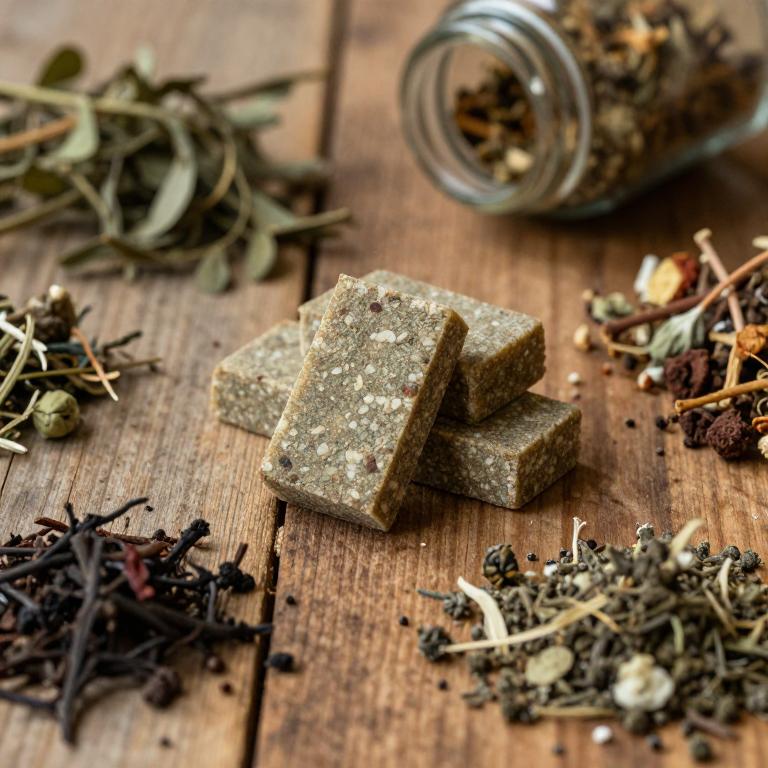
Zingiber officinale, commonly known as ginger, has been traditionally used for its anti-inflammatory and analgesic properties, making it a potential natural remedy for relieving discomfort associated with a jammed finger.
Ginger herbal lozenges can help reduce swelling and pain by promoting circulation and easing inflammation in the affected area. These lozenges are often preferred over over-the-counter pain relievers due to their natural composition and fewer side effects. While they may not cure the injury, they can provide soothing relief and support the body’s natural healing process.
It is important to consult a healthcare professional if the jammed finger does not improve or if there are signs of severe injury.
3. Rosemary (Rosmarinus officinalis)
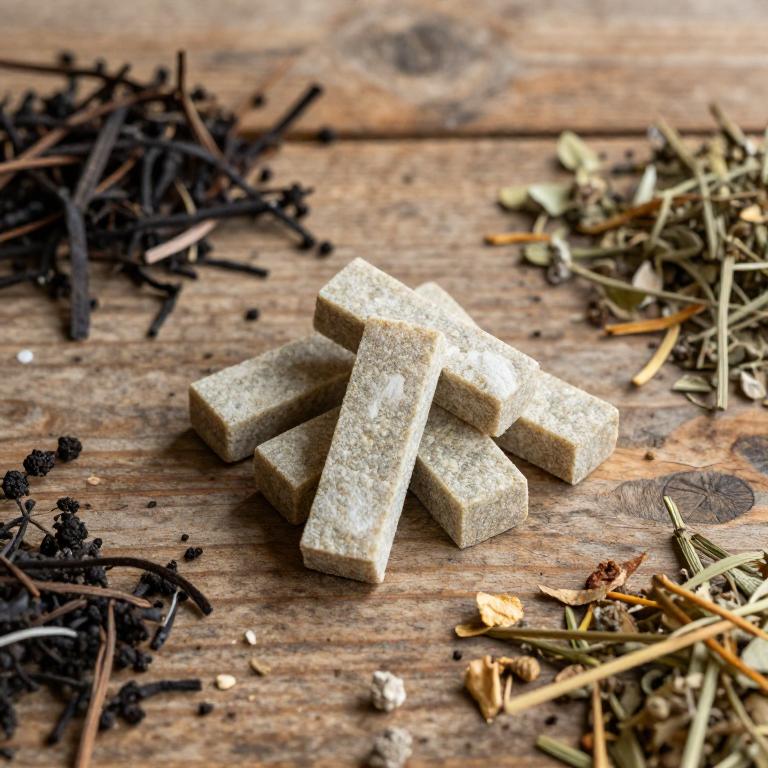
Rosmarinus officinalis, commonly known as rosemary, is a fragrant herb that has been traditionally used for its aromatic and therapeutic properties.
Rosemary herbal lozenges are formulated to provide relief for a jammed finger by promoting circulation and reducing inflammation through their natural essential oils. These lozenges typically contain rosemary extract, which is known for its antimicrobial and analgesic effects, helping to ease pain and speed up recovery. The menthol or eucalyptus often included in these lozenges further enhances their soothing properties, offering a cooling sensation that can alleviate discomfort.
While they are not a substitute for medical treatment, rosemary lozenges can be a comforting and natural complement to first aid for minor finger injuries.
4. Peppermint (Mentha piperita)
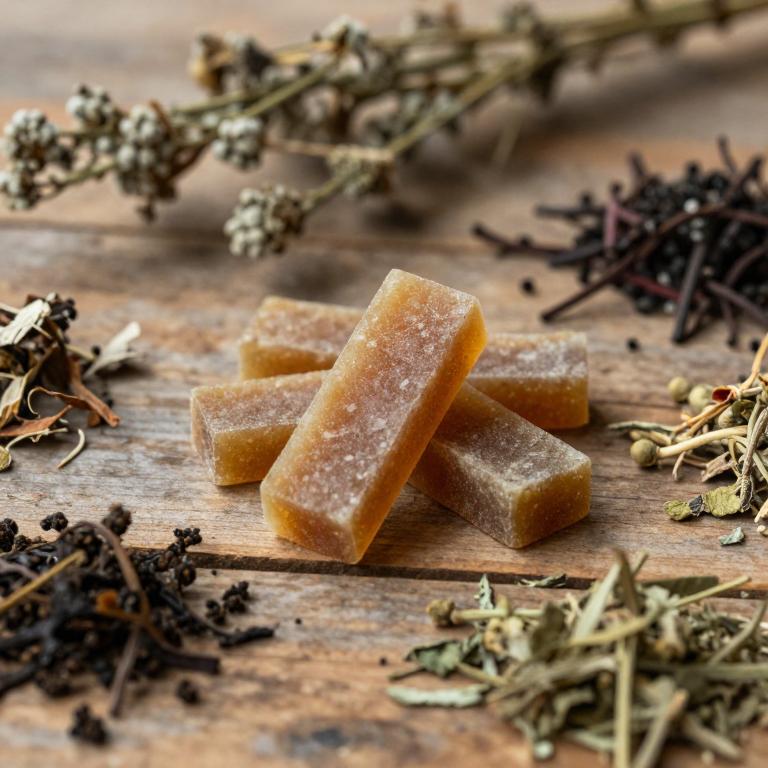
Mentha piperita herbal lozenges, commonly known as peppermint lozenges, can provide relief for a jammed finger by offering a cooling and soothing effect.
These lozenges contain menthol, which has a numbing effect that can help reduce pain and inflammation associated with a jammed finger. While they are not a substitute for medical treatment, they can be a useful complementary remedy to ease discomfort. The minty flavor also helps to distract from the pain and promote a sense of freshness.
It is important to consult a healthcare professional if the injury is severe or persists, as mentha piperita lozenges are intended for temporary relief only.
5. Echinacea (Echinacea purpurea)
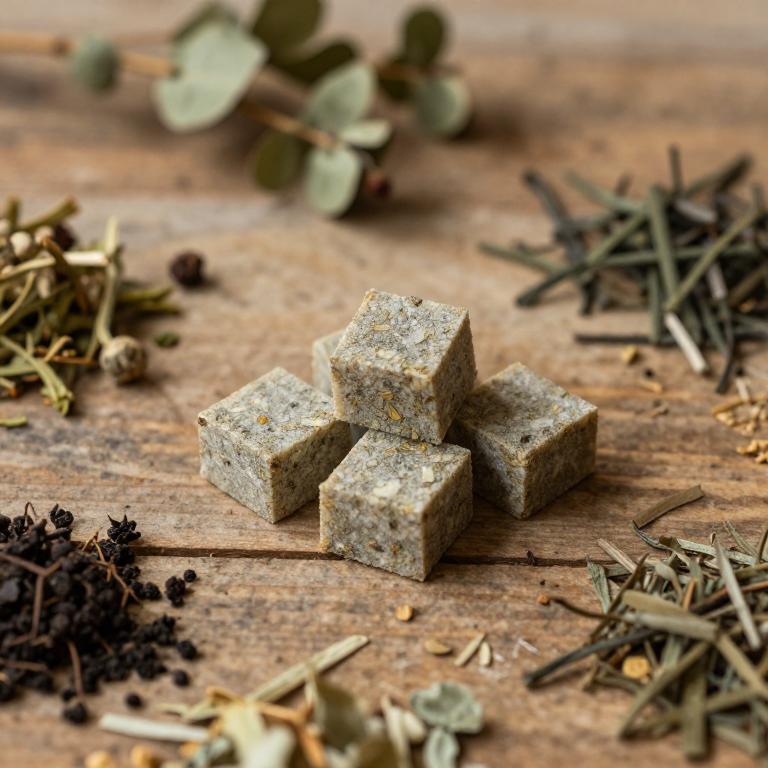
Echinacea purpurea herbal lozenges are commonly used to support the immune system and may help reduce the duration of colds and respiratory infections.
While they are not specifically designed for jammed fingers, some people use them to alleviate mild inflammation and discomfort associated with minor injuries. These lozenges contain natural anti-inflammatory and antioxidant properties that may promote healing and soothe irritation. However, it is important to note that echinacea is not a substitute for proper medical care for a jammed finger, which may require rest, ice, or even medical intervention.
Always consult a healthcare professional before using herbal remedies, especially if the injury is severe or persistent.
6. Black pepper (Piper nigrum)
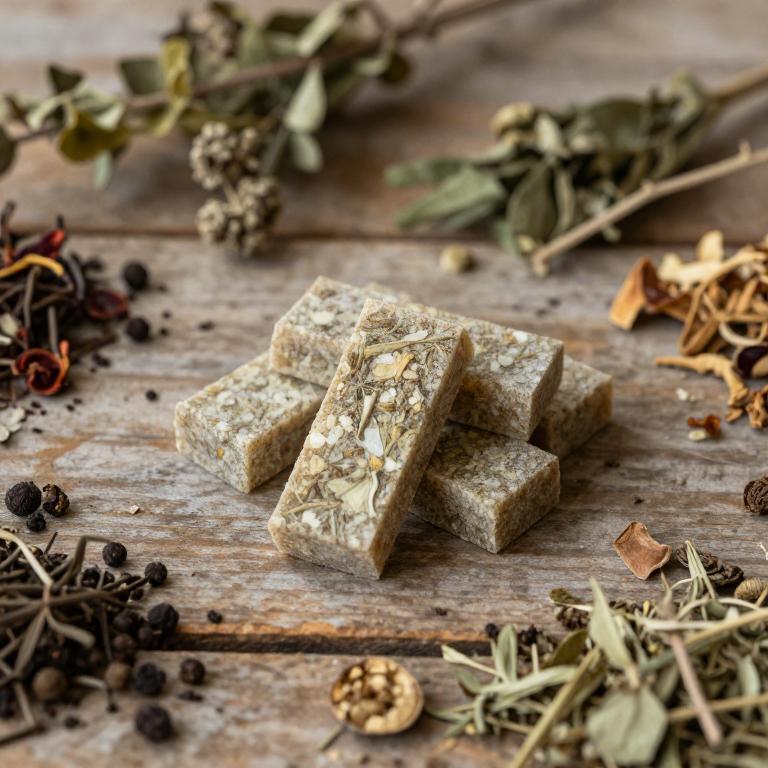
Piper nigrum, commonly known as black pepper, is a traditional herbal remedy that has been used for its warming and circulatory stimulating properties.
When made into herbal lozenges, piper nigrum can help alleviate the discomfort of a jammed finger by improving blood flow and reducing inflammation. The active compound, piperine, may enhance local circulation and promote faster healing of the affected area. These lozenges are often used as a natural alternative to over-the-counter pain relievers, offering a soothing effect without harsh chemicals.
However, it is advisable to consult a healthcare professional before using them, especially if the injury is severe or accompanied by other symptoms.
7. Chaste tree (Vitex agnus-castus)
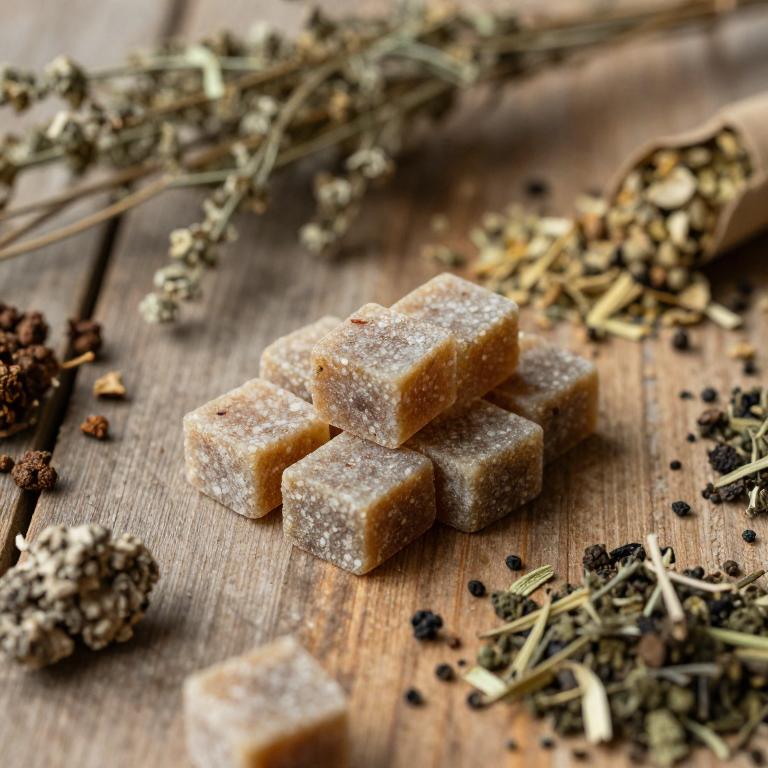
Vitex agnus-castus, commonly known as chaste tree, has been traditionally used in herbal medicine for its potential anti-inflammatory and analgesic properties.
When formulated into lozenges, it may offer a convenient way to apply the herb directly to a jammed finger, promoting localized relief. These lozenges are often made with natural ingredients, making them a gentle alternative to over-the-counter pain relievers. While they are not a substitute for medical treatment, they may help reduce swelling and discomfort associated with minor finger injuries.
As with any herbal remedy, it is advisable to consult a healthcare professional before use, especially if symptoms persist or worsen.
8. Ceylon cinnamon (Cinnamomum verum)
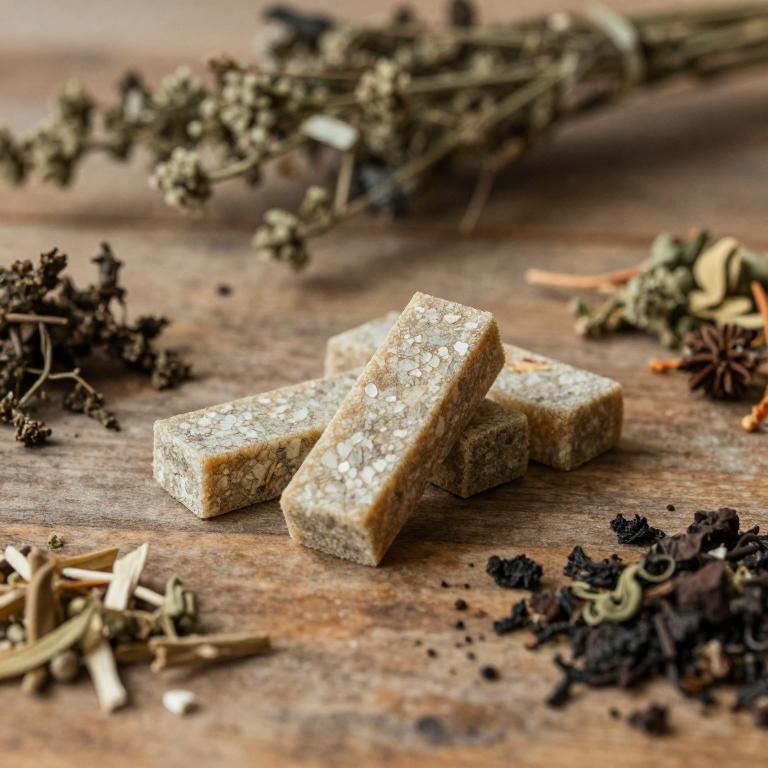
Cinnamomum verum, commonly known as true cinnamon, is often used in herbal lozenges to provide relief for a jammed finger due to its anti-inflammatory and analgesic properties.
These lozenges work by delivering a soothing, warming sensation to the affected area, which helps reduce pain and swelling associated with minor injuries. The essential oils in cinnamon have been traditionally used to enhance circulation and promote healing, making them a natural alternative to over-the-counter pain relievers. While not a substitute for medical treatment, cinnamon lozenges can offer temporary comfort and support the body’s natural recovery process.
It is important to consult a healthcare professional if the injury is severe or persists beyond a few days.
9. Camellia (Camellia sinensis)
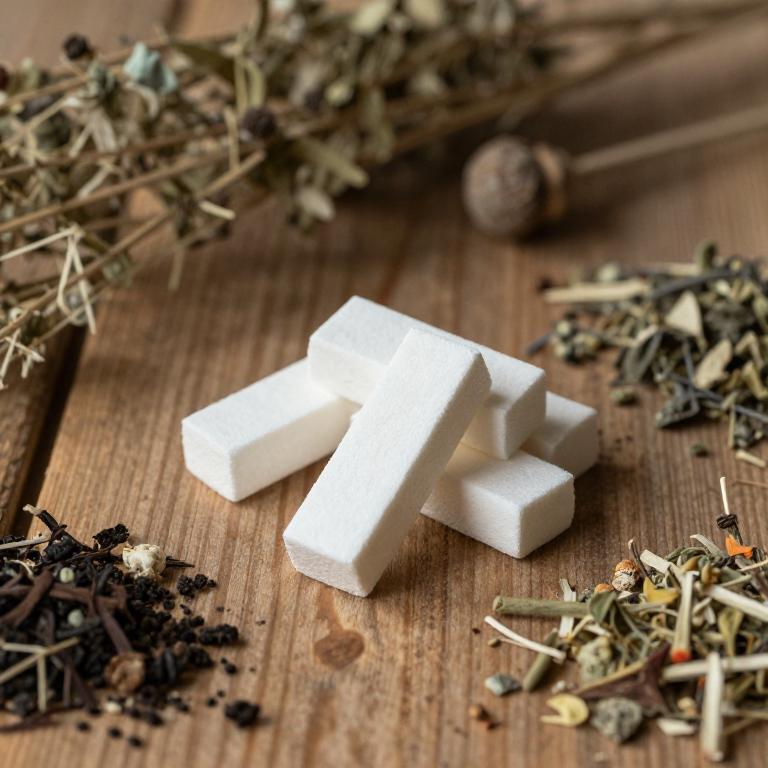
Camellia sinensis herbal lozenges are formulated with ingredients derived from the leaves of the Camellia sinensis plant, commonly known as the tea plant, which is renowned for its health benefits.
These lozenges are specifically designed to provide relief for jammed fingers by promoting circulation and reducing inflammation through their natural herbal compounds. The soothing properties of Camellia sinensis help to ease pain and discomfort associated with minor injuries or overuse of the fingers. Additionally, these lozenges are often free from artificial additives, making them a safe and natural option for those seeking alternative remedies.
While they may not replace professional medical care for severe injuries, they can serve as a supportive treatment for mild to moderate finger discomfort.
10. Thyme (Thymus vulgaris)
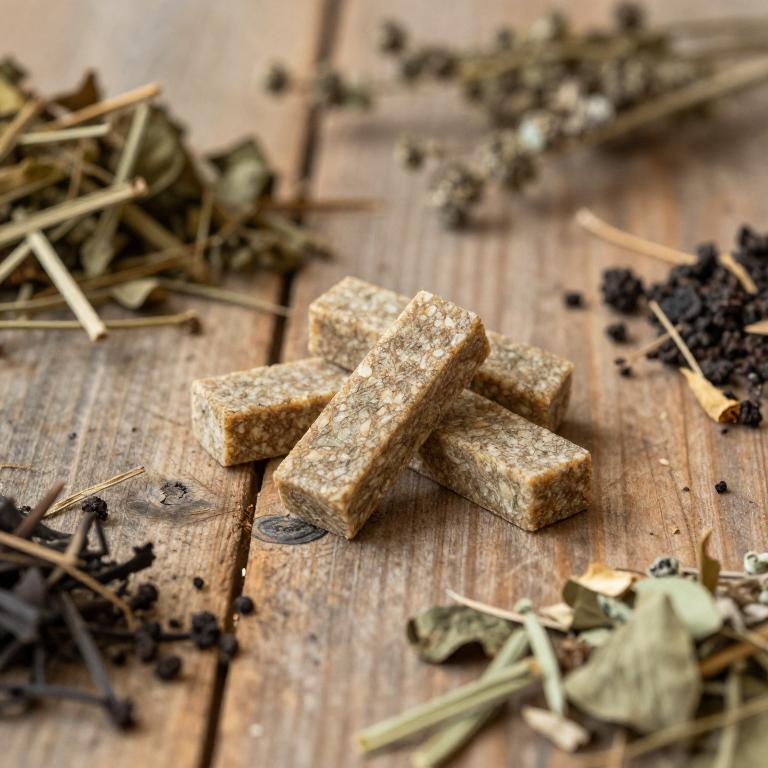
Thymus vulgaris herbal lozenges, derived from the common thyme plant, are traditionally used to support respiratory and immune health, but they are not specifically formulated for treating a jammed finger.
A jammed finger typically requires rest, ice, and sometimes physical therapy to promote healing, as it involves soft tissue damage rather than an infection. While thyme has antimicrobial and anti-inflammatory properties, these lozenges are not a substitute for proper medical care in cases of finger injury. Some individuals may use thyme-based products for their soothing effects, but it is important to consult a healthcare professional for appropriate treatment of a jammed finger.
Overall, herbal lozenges should complement, not replace, standard first aid and medical advice for such injuries.