10 Best Herbal Juices For Jammed Finger
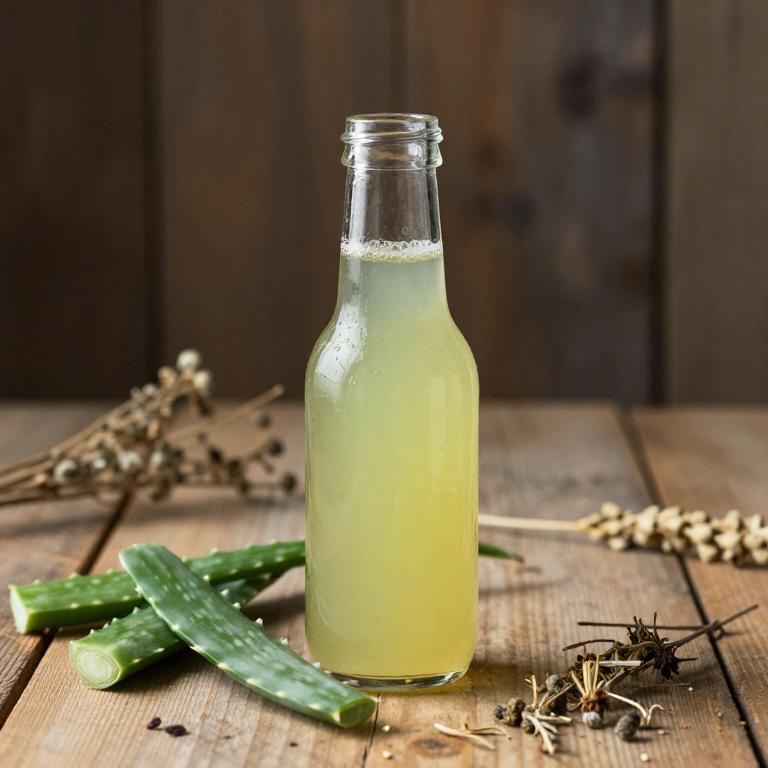
Herbal juices can be a natural and soothing remedy for a jammed finger, offering both hydration and anti-inflammatory benefits.
Certain herbs like ginger, turmeric, and mint are known for their pain-relieving and anti-inflammatory properties, making them ideal for inclusion in herbal juices. To prepare a simple herbal juice, blend fresh ginger, a handful of spinach, a teaspoon of turmeric, and a splash of lemon juice, then strain and drink it throughout the day. This combination can help reduce swelling, ease pain, and promote faster healing of the injured finger.
While herbal juices can complement traditional treatments, it's important to consult a healthcare professional if the injury is severe or doesn't improve within a few days.
Table of Contents
- 1. Aloe vera (Aloe barbadensis)
- 2. Stinging nettle (Urtica dioica)
- 3. Echinacea (Echinacea purpurea)
- 4. Blessed thistle (Cnicus benedictus)
- 5. St. john's wort (Hypericum perforatum)
- 6. Thistle (Silybum marianum)
- 7. Chaste tree (Vitex agnus-castus)
- 8. Marigold (Calendula officinalis)
- 9. Ginger (Zingiber officinale)
- 10. Rosemary (Rosmarinus officinalis)
1. Aloe vera (Aloe barbadensis)
Aloe barbadensis, commonly known as aloe vera, is a versatile herbal plant that has been used for centuries for its soothing and healing properties.
When applied to a jammed finger, aloe vera juice can help reduce inflammation and promote skin healing due to its anti-inflammatory and antimicrobial components. The gel-like substance from the aloe leaf contains enzymes, vitamins, and minerals that support tissue regeneration and provide a cooling effect. To use it, simply extract the gel from a fresh aloe leaf and apply it directly to the affected area.
While it may not replace medical treatment for severe injuries, aloe vera juice can be a natural and effective first aid remedy for minor jammed fingers.
2. Stinging nettle (Urtica dioica)
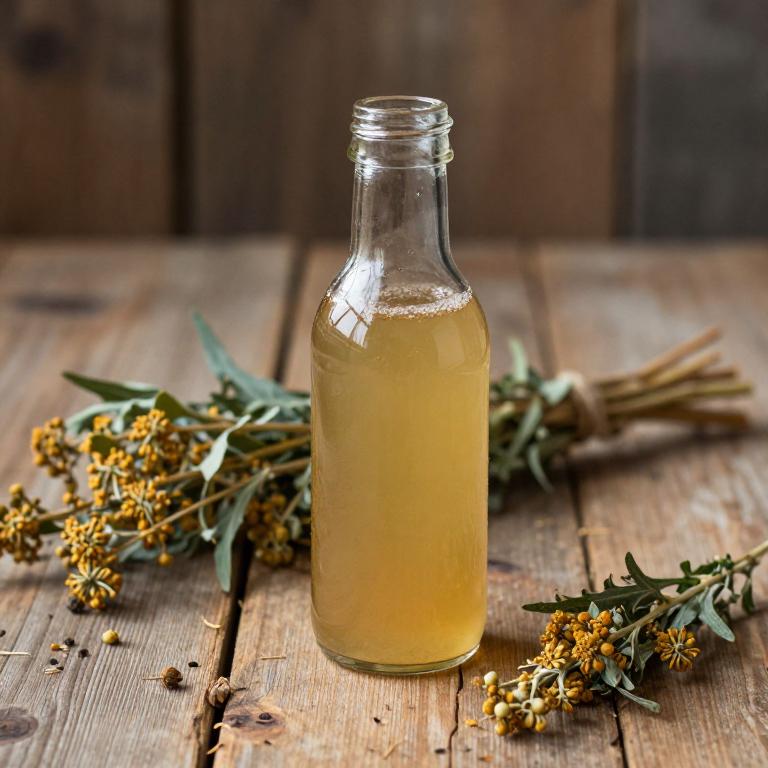
Urtica dioica, commonly known as stinging nettle, has been traditionally used for its anti-inflammatory and analgesic properties.
When prepared as a herbal juice, it can help reduce swelling and pain associated with a jammed finger. The juice is typically made by blending fresh or dried nettle leaves with water or a mild vinegar solution. This natural remedy may support the healing process by promoting circulation and reducing inflammation.
However, it is advisable to consult a healthcare professional before using it, especially if there are underlying health conditions or allergies.
3. Echinacea (Echinacea purpurea)
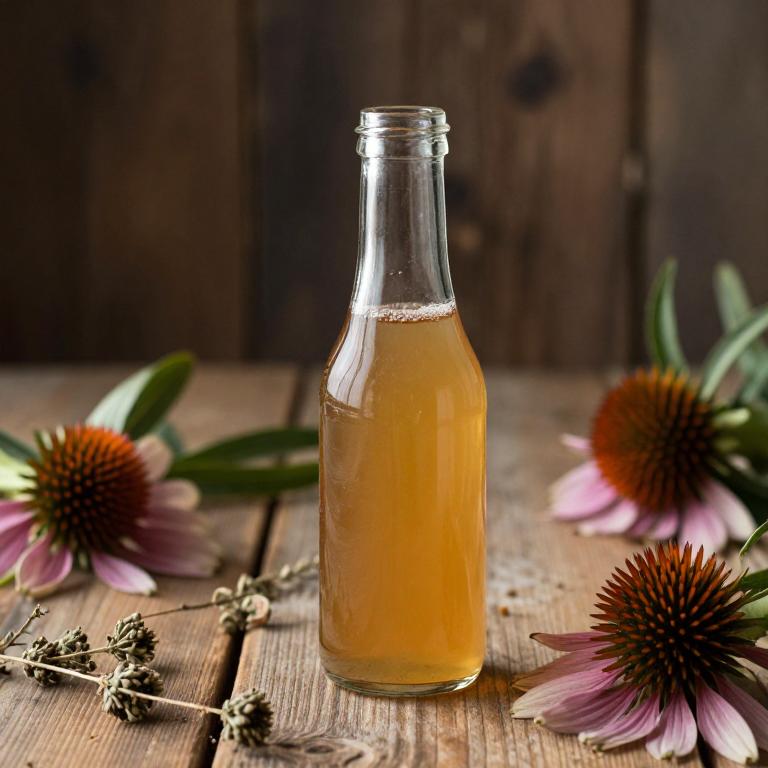
Echinacea purpurea, commonly known as purple coneflower, is a traditional herbal remedy often used to support the immune system.
While it is not a direct treatment for a jammed finger, some people use echinacea-based herbal juices to reduce inflammation and promote healing due to its anti-inflammatory and antioxidant properties. These juices may help alleviate minor swelling and discomfort associated with a jammed finger by enhancing the body's natural recovery processes. However, it is important to note that echinacea should not replace proper medical care for a severe jammed finger, and consulting a healthcare professional is recommended.
Combining herbal remedies with rest, ice, and compression can offer a more comprehensive approach to recovery.
4. Blessed thistle (Cnicus benedictus)
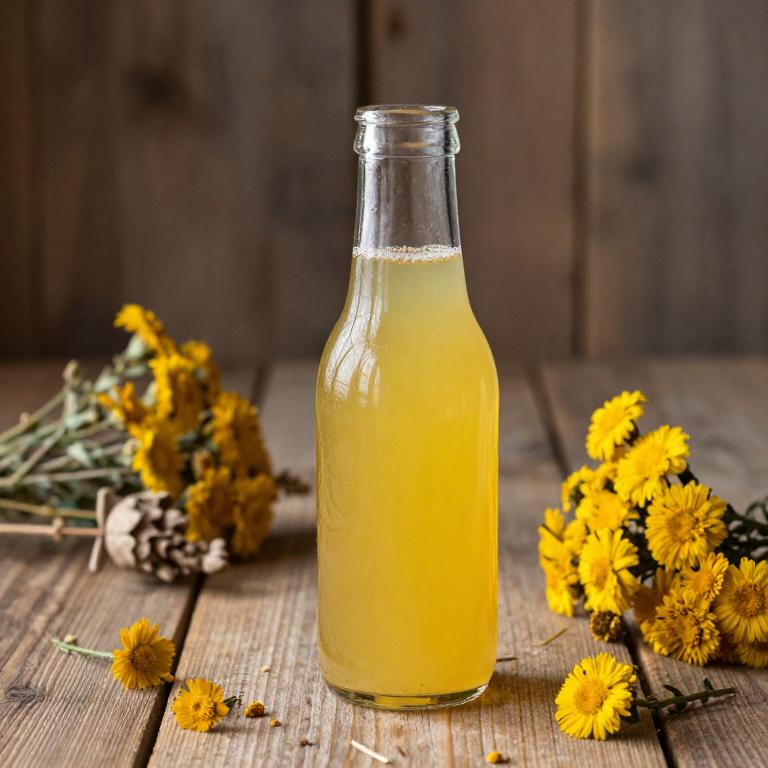
Cnicus benedictus, commonly known as bishop's weed, has been traditionally used in herbal medicine for its anti-inflammatory and analgesic properties.
When prepared as a herbal juice, it can help alleviate pain and reduce swelling associated with a jammed finger by promoting circulation and reducing inflammation. The active compounds in Cnicus benedictus may support tissue repair and ease discomfort, making it a natural remedy for minor injuries. To use, the fresh leaves or seeds can be crushed and mixed with water or a mild vinegar to create a soothing juice.
However, it is advisable to consult with a healthcare professional before using it, especially if there are underlying health conditions or if the injury is severe.
5. St. john's wort (Hypericum perforatum)
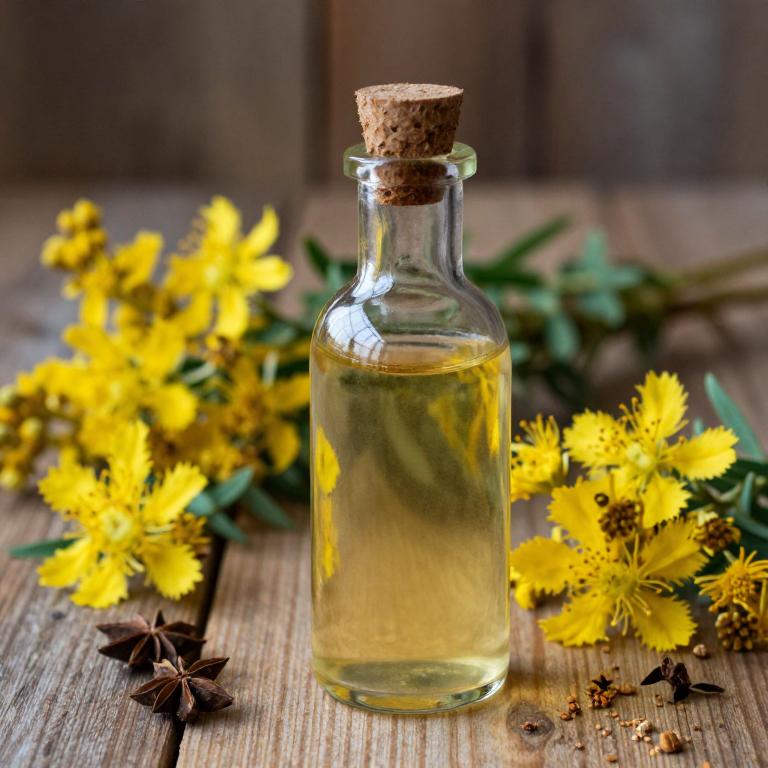
Hypericum perforatum, commonly known as St. John's Wort, has been traditionally used for its anti-inflammatory and analgesic properties.
When prepared as a herbal juice, it may help alleviate pain and reduce swelling in a jammed finger by promoting tissue repair and reducing inflammation. The active compounds in Hypericum perforatum, such as hyperforin and hypericin, are believed to contribute to its therapeutic effects. However, it is important to consult a healthcare professional before using it, especially if you are on medications, due to potential interactions.
While some people may find relief with this natural remedy, it should not replace medical treatment for severe injuries.
6. Thistle (Silybum marianum)
Silybum marianum, also known as milk thistle, is a herbal plant that has been traditionally used for its potential liver-protecting properties.
While it is commonly used for liver health, some people have explored its use in topical applications for minor injuries, including jammed fingers. However, there is limited scientific evidence supporting the effectiveness of silybum marianum herbal juices for treating jammed fingers specifically. The juice is typically applied externally, and it may help reduce inflammation and promote healing due to its antioxidant and anti-inflammatory compounds.
It is important to consult a healthcare professional before using any herbal remedy, especially for injuries, to ensure safety and appropriateness.
7. Chaste tree (Vitex agnus-castus)
Vitex agnus-castus, commonly known as chasteberry, has been traditionally used in herbal medicine for its potential anti-inflammatory and analgesic properties.
While it is not a direct treatment for a jammed finger, some herbal practitioners suggest using vitex-based herbal juices as a complementary therapy to reduce swelling and alleviate pain. These juices may help promote circulation and support the body’s natural healing processes. However, it is important to consult a healthcare professional before using any herbal remedy, especially for injuries.
Combining vitex herbal juices with standard first aid measures, such as rest, ice, and compression, may offer a holistic approach to managing a jammed finger.
8. Marigold (Calendula officinalis)
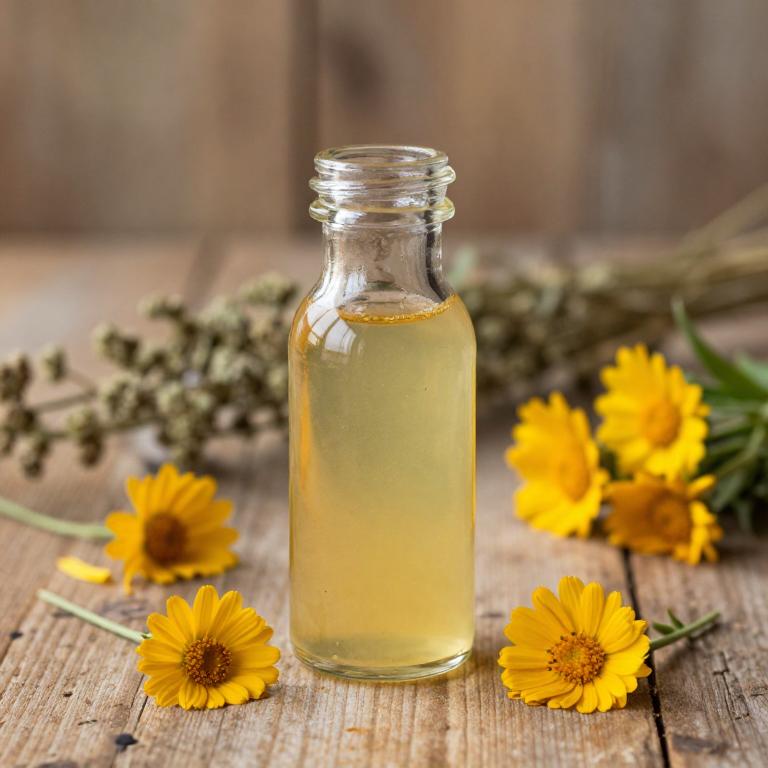
Calendula officinalis, commonly known as garden marigold, is a flowering plant that has been traditionally used for its anti-inflammatory and antiseptic properties.
When used in the form of herbal juices, calendula can help soothe and reduce swelling in a jammed finger by promoting healing and reducing irritation. The juice is typically extracted from the petals and leaves, and it contains compounds like flavonoids and triterpenoids that contribute to its therapeutic effects. Applying calendula juice to the affected area can provide natural relief and support the body's natural healing process.
However, it is advisable to consult a healthcare professional before using it, especially if the injury is severe or if there is an existing skin condition.
9. Ginger (Zingiber officinale)
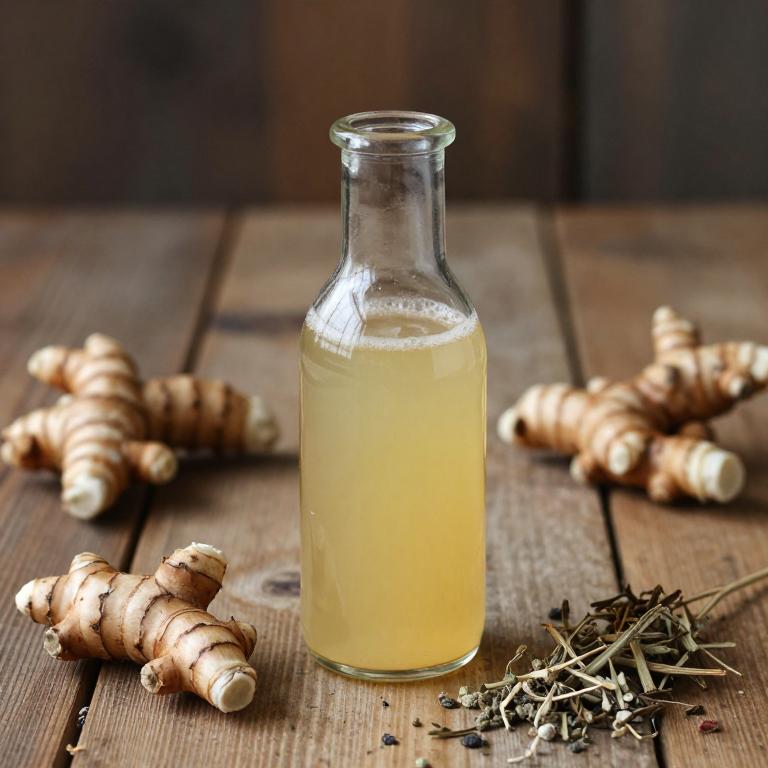
Zingiber officinale, commonly known as ginger, has been traditionally used for its anti-inflammatory and pain-relieving properties.
When prepared as a herbal juice, ginger can help alleviate the discomfort associated with a jammed finger by reducing swelling and promoting circulation. To use it, simply blend fresh ginger root with a bit of water or juice and apply it topically to the affected area. This natural remedy is gentle and can be used alongside other treatments for minor finger injuries.
However, it is advisable to consult a healthcare professional for persistent or severe symptoms.
10. Rosemary (Rosmarinus officinalis)
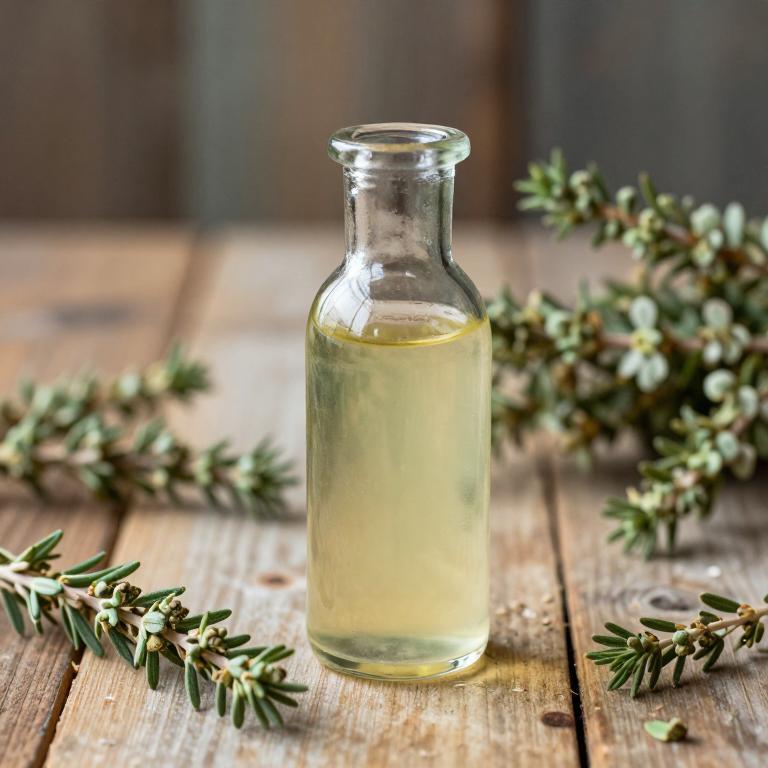
Rosmarinus officinalis, commonly known as rosemary, is a fragrant herb that has been traditionally used for its medicinal properties.
When used in the form of herbal juices, rosemary can provide natural relief for a jammed finger due to its anti-inflammatory and analgesic qualities. The essential oils in rosemary juice help reduce swelling and ease pain by improving blood circulation to the affected area. Applying a few drops of rosemary juice directly to the jammed finger or using it in a compress can offer soothing relief.
However, it is advisable to consult a healthcare professional before using rosemary juice, especially if there are existing skin conditions or allergies.