10 Best Herbal Baths For Jammed Finger
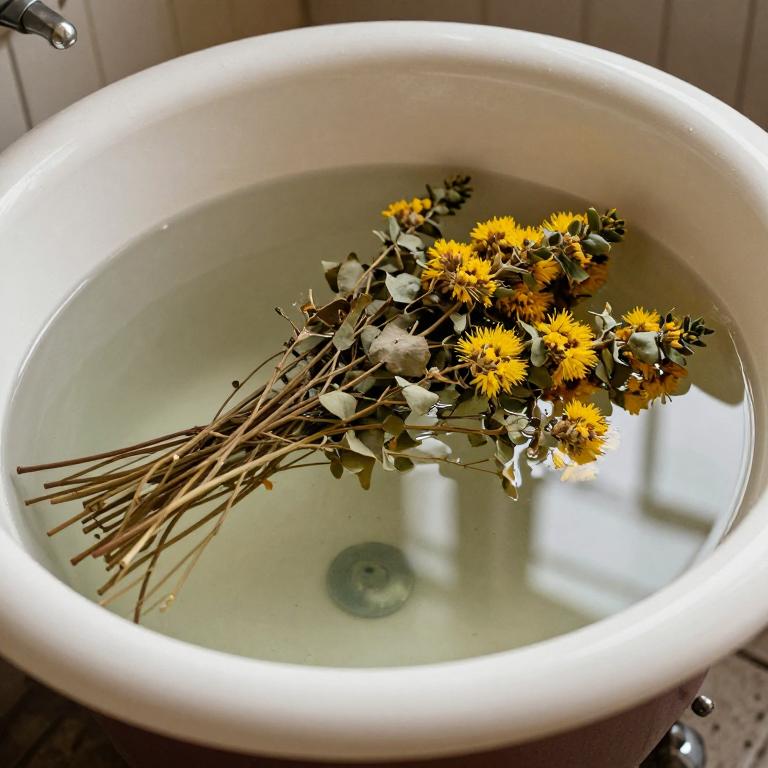
Herbal baths can be a soothing and effective remedy for a jammed finger, offering both pain relief and inflammation reduction.
Certain herbs, such as chamomile, lavender, and eucalyptus, are known for their anti-inflammatory and analgesic properties, making them ideal for use in warm water baths. To prepare an herbal bath, simply steep a handful of dried herbs in hot water for several minutes, then soak the affected finger for 10 to 15 minutes. This method can help relax the muscles, improve circulation, and promote faster healing.
While herbal baths are generally safe, it is advisable to consult a healthcare professional if the injury is severe or does not improve within a few days.
Table of Contents
- 1. St. john's wort (Hypericum perforatum)
- 2. Yarrow (Achillea millefolium)
- 3. Stinging nettle (Urtica dioica)
- 4. Mountain arnica (Arnica montana)
- 5. Salvia (Salvia officinalis)
- 6. Common mallow (Symphytum officinale)
- 7. Field horsetail (Equisetum arvense)
- 8. Marigold (Calendula officinalis)
- 9. English lavender (Lavandula angustifolia)
- 10. Blessed thistle (Cnicus benedictus)
1. St. john's wort (Hypericum perforatum)
Hypericum perforatum, commonly known as St. John's Wort, has been traditionally used in herbal baths to alleviate discomfort from a jammed finger.
The plant contains bioactive compounds such as hypericin and flavonoids, which possess anti-inflammatory and analgesic properties. To prepare the bath, a handful of dried St. John's Wort can be steeped in hot water for about 10 minutes, then cooled and used to soak the affected finger. Soaking the finger in this infusion for 10 to 15 minutes several times a day may help reduce swelling and ease pain.
While generally safe, it is important to consult a healthcare provider before using St. John's Wort, especially if taking other medications, due to potential interactions.
2. Yarrow (Achillea millefolium)
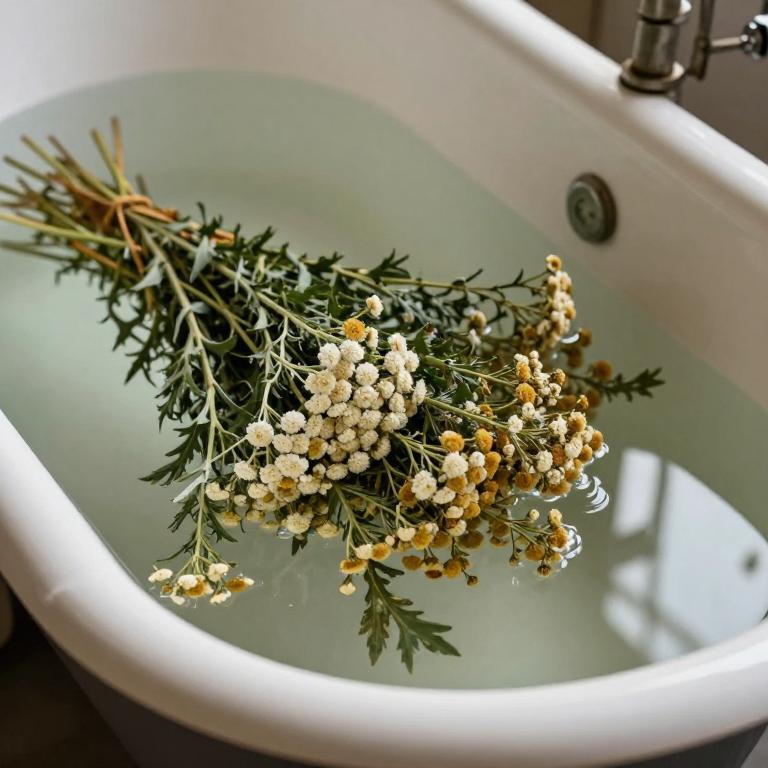
Achillea millefolium, commonly known as yarrow, has been traditionally used in herbal remedies for its anti-inflammatory and astringent properties.
For a jammed finger, an herbal bath made from yarrow can help reduce swelling and promote healing by soaking the affected area in a warm infusion of the dried herb. To prepare the bath, steep a tablespoon of dried yarrow flowers in a cup of boiling water for 10-15 minutes, then strain and use the liquid to soak the finger for 10-15 minutes several times a day. This natural remedy can soothe pain and support tissue repair without the use of harsh chemicals.
However, it is advisable to consult a healthcare professional if the injury does not improve or if there are signs of infection.
3. Stinging nettle (Urtica dioica)
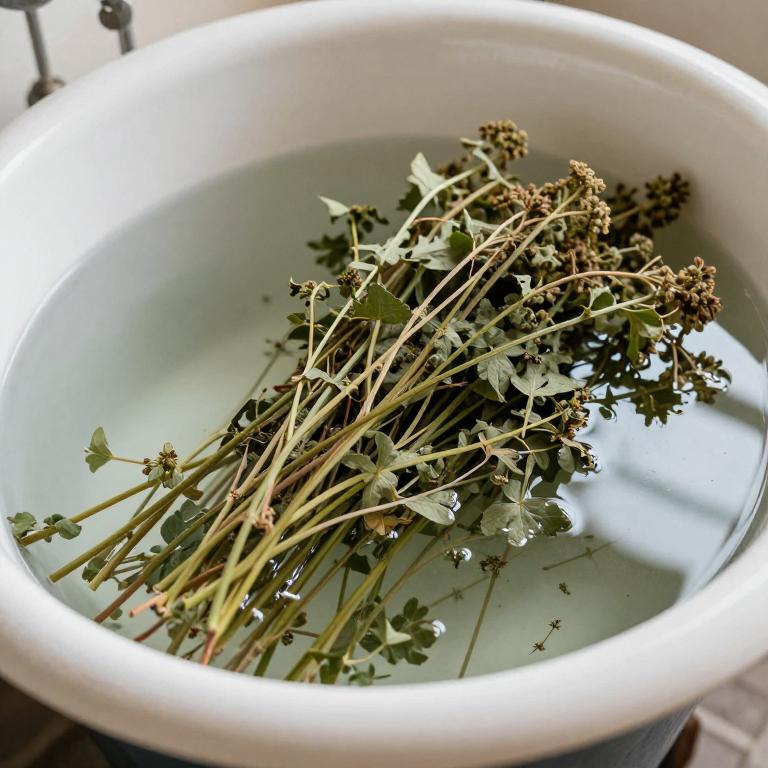
Urtica dioica, commonly known as stinging nettle, has been traditionally used in herbal baths for its anti-inflammatory and pain-relieving properties.
When used in a bath, the plant's compounds can help reduce swelling and discomfort associated with a jammed finger. To prepare the bath, fresh or dried stinging nettle leaves are steeped in warm water to create a soothing infusion. Soaking the affected finger in this herbal solution for 15 to 20 minutes can promote circulation and ease stiffness.
However, it is important to ensure the water temperature is comfortable to avoid burns, and consulting a healthcare professional is advisable for persistent or severe symptoms.
4. Mountain arnica (Arnica montana)
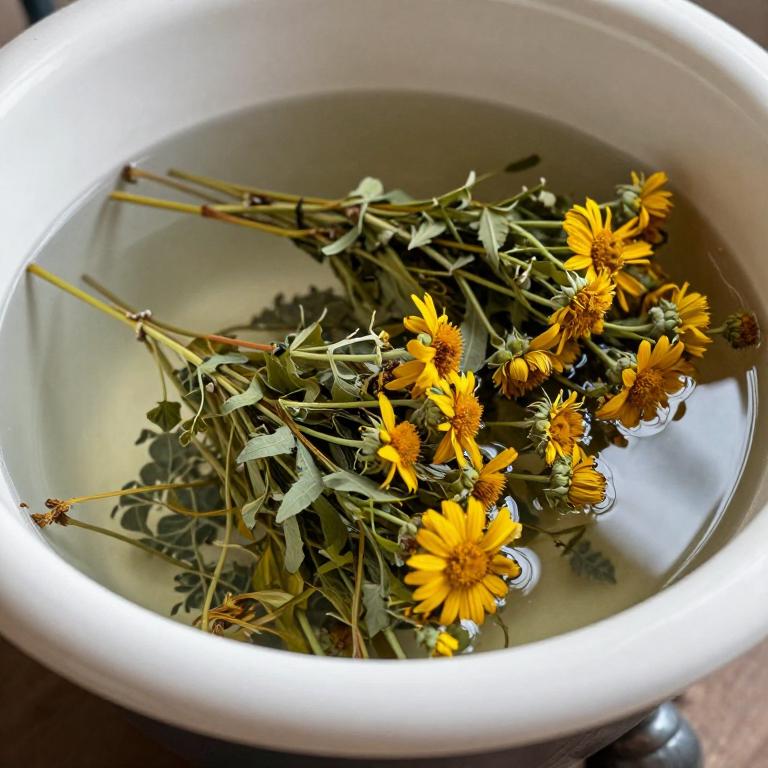
Arnica montana herbal baths are a traditional remedy often used to alleviate pain and reduce inflammation associated with a jammed finger.
The plant, known for its potent anti-inflammatory and analgesic properties, can be infused into warm water to create a soothing bath for the affected area. To prepare the bath, a few drops of arnica essential oil or a teaspoon of dried arnica herb can be added to a basin of warm water. Soaking the jammed finger in this bath for 15 to 20 minutes several times a day may help promote healing and ease discomfort.
However, it is important to consult a healthcare professional before using arnica, especially if you have sensitive skin or are pregnant, as it may cause irritation or interact with certain medications.
5. Salvia (Salvia officinalis)
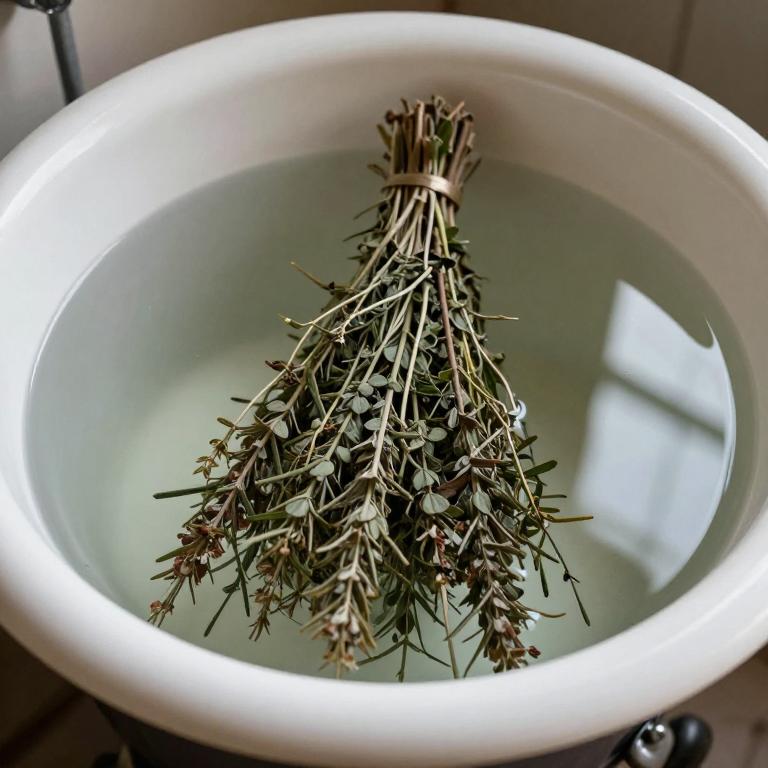
Salvia officinalis, commonly known as sage, has been traditionally used for its soothing and anti-inflammatory properties, making it a valuable ingredient in herbal baths for a jammed finger.
To prepare a sage bath, steep fresh or dried sage leaves in hot water for several minutes, then allow the solution to cool slightly before soaking the affected finger. The warm water helps to reduce swelling and ease pain, while the essential oils in sage provide a calming effect. This natural remedy can be used several times a day for relief, especially when combined with gentle movement of the finger.
However, it is advisable to consult a healthcare professional if the injury does not improve or if there are signs of infection.
6. Common mallow (Symphytum officinale)
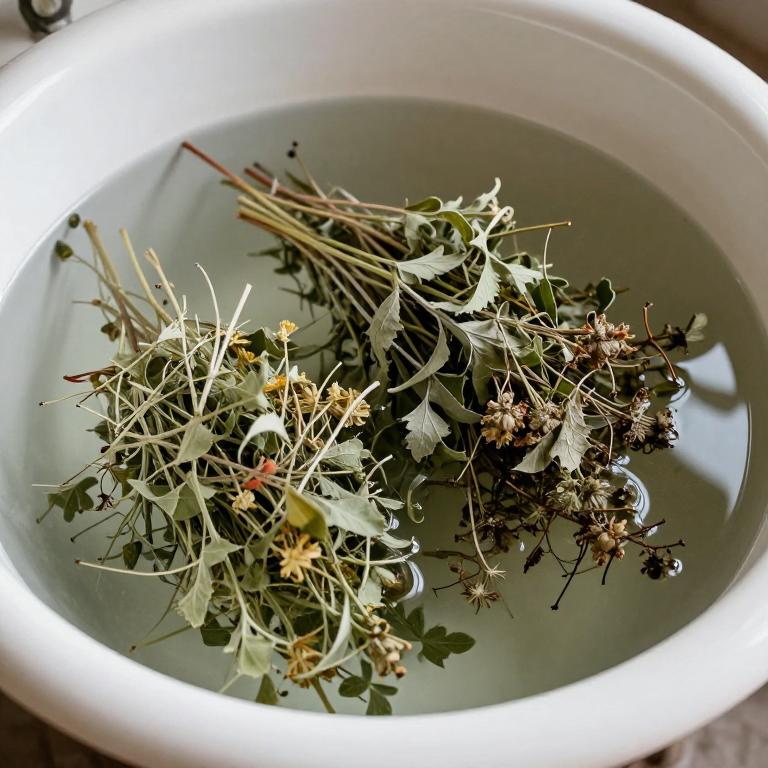
Symphytum officinale, commonly known as comfrey, has been traditionally used in herbal baths to support the healing of jammed fingers due to its high concentration of allantoin, which promotes skin regeneration and reduces inflammation.
When prepared as a herbal bath, comfrey can be infused in warm water to create a soothing soak that helps alleviate pain and swelling associated with a jammed finger. The anti-inflammatory and analgesic properties of comfrey may enhance circulation and speed up the recovery process. However, it is important to note that comfrey should not be used for extended periods or on open wounds, as it may cause liver damage with prolonged use.
As with any herbal remedy, it is advisable to consult with a healthcare professional before using comfrey baths, especially for those with pre-existing medical conditions or who are pregnant.
7. Field horsetail (Equisetum arvense)
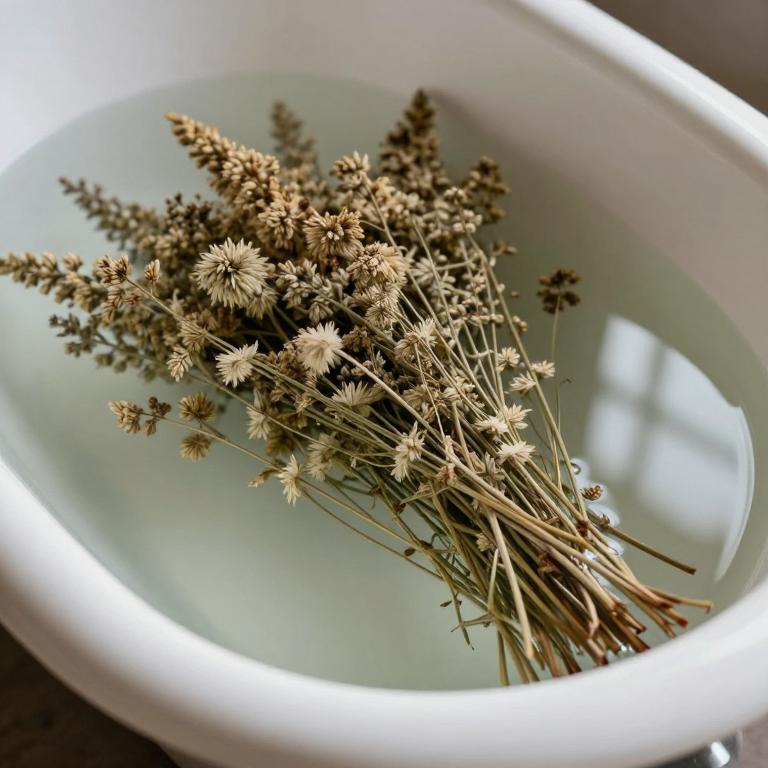
Equisetum arvense, commonly known as horsetail, has been traditionally used for its high silica content and anti-inflammatory properties, making it a popular choice for herbal baths.
When used in a bath, horsetail can help reduce swelling and pain associated with a jammed finger by promoting circulation and soothing inflamed tissues. To prepare the bath, steep a handful of dried horsetail in boiling water for about 15 minutes, then add the liquid to warm water in a tub. Soaking the affected finger in the bath for 15 to 20 minutes several times a day may provide relief and support the healing process.
However, it is advisable to consult a healthcare professional before using horsetail, especially if there are underlying health conditions or allergies.
8. Marigold (Calendula officinalis)

Calendula officinalis, known for its anti-inflammatory and soothing properties, can be effectively used in herbal baths to alleviate discomfort from a jammed finger.
To prepare the bath, steep a handful of dried calendula flowers in boiling water for about 15 minutes, then strain the liquid and add it to a basin of warm water. Soaking the affected finger in the calendula-infused water for 10 to 15 minutes several times a day can help reduce swelling and promote healing. The anti-microbial qualities of calendula also help prevent infection during the recovery process.
While calendula baths are a natural remedy, they should complement, not replace, medical advice for more severe injuries.
9. English lavender (Lavandula angustifolia)
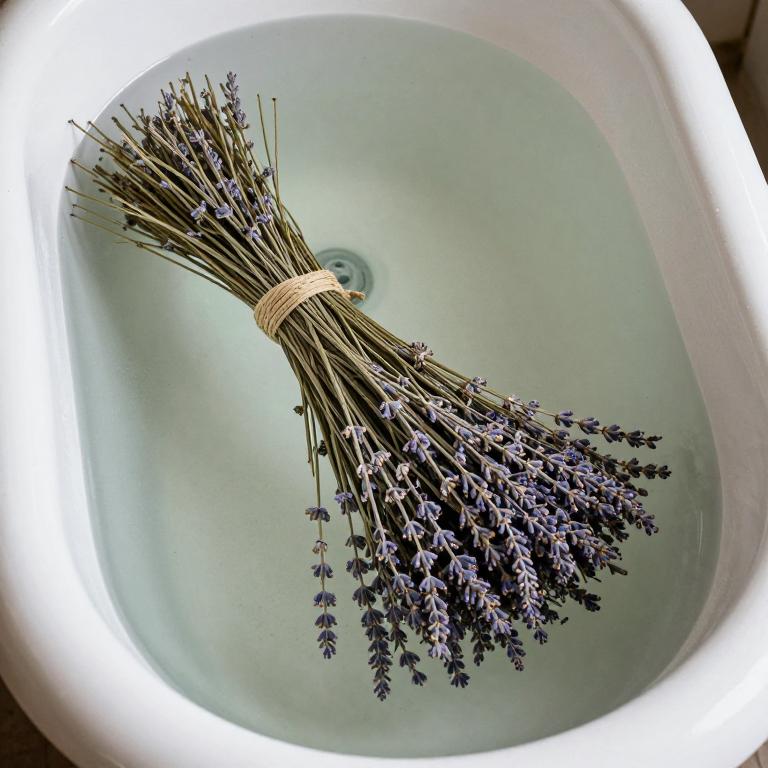
Lavandula angustifolia, commonly known as English lavender, is often used in herbal baths to promote relaxation and soothe inflammation.
When applied topically through a warm bath, lavender essential oil or dried lavender can help reduce pain and swelling associated with a jammed finger. The anti-inflammatory and analgesic properties of lavender make it an effective natural remedy for minor injuries and muscle aches. To use, add a few drops of lavender oil or a handful of dried lavender to warm water and soak the affected finger for 15-20 minutes.
This gentle, aromatic treatment not only provides relief but also offers a calming and therapeutic experience.
10. Blessed thistle (Cnicus benedictus)
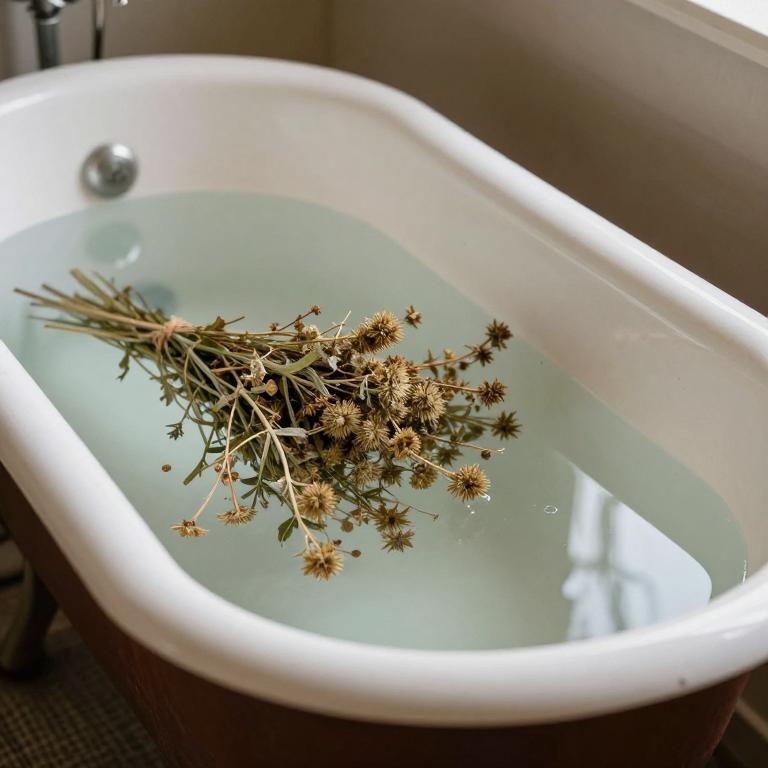
Cnicus benedictus, also known as blessed thistle, has been traditionally used in herbal baths to alleviate discomfort from a jammed finger.
The plant contains compounds with anti-inflammatory and analgesic properties that may help reduce swelling and pain. To use it, steep a handful of dried blessed thistle in hot water to create a potent herbal infusion. This infusion can then be used to soak the affected finger for 10 to 15 minutes several times a day.
While not a substitute for medical treatment, this natural remedy can provide soothing relief and support the healing process.