10 Best Herbal Baths For Itchy Scalp
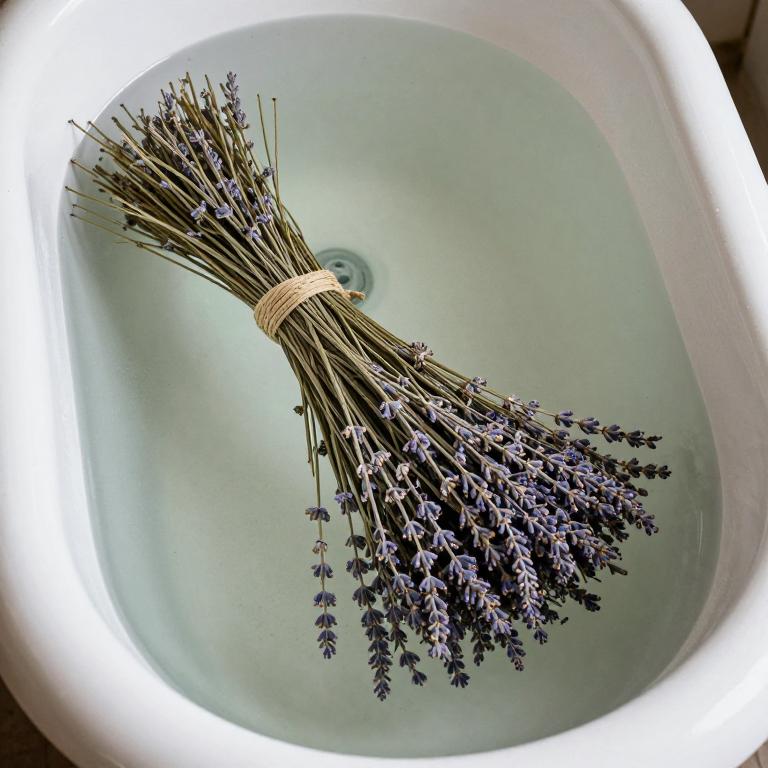
Herbal baths for an itchy scalp involve soaking the head in warm water infused with natural herbs known for their soothing and antifungal properties.
Commonly used herbs include lavender, chamomile, peppermint, and eucalyptus, which can help reduce inflammation and calm irritation. To prepare an herbal bath, steep a handful of dried herbs in boiling water for about 10 minutes, then strain the liquid and pour it over the scalp while it's still warm. This practice can be done once or twice a week to provide relief from dandruff, dryness, or fungal infections.
Herbal baths are a gentle, natural alternative to chemical treatments, offering both therapeutic and relaxing benefits for scalp health.
Table of Contents
- 1. English lavender (Lavandula angustifolia)
- 2. St. john's wort (Hypericum perforatum)
- 3. Rosemary (Rosmarinus officinalis)
- 4. Stinging nettle (Urtica dioica)
- 5. Melaleuca (Melaleuca alternifolia)
- 6. Yarrow (Achillea millefolium)
- 7. Salvia (Salvia officinalis)
- 8. Field horsetail (Equisetum arvense)
- 9. Ceylon cinnamon (Cinnamomum zeylanicum)
- 10. White cedar (Thuja occidentalis)
1. English lavender (Lavandula angustifolia)
Lavandula angustifolia, commonly known as English lavender, is a popular herb used in herbal baths to soothe an itchy scalp due to its calming and antifungal properties.
When infused into bath water, lavender essential oil or dried lavender flowers can help reduce inflammation and irritation, providing relief from conditions like dandruff or seborrheic dermatitis. The aromatic compounds in lavender also promote relaxation, which may indirectly alleviate scalp discomfort by reducing stress-related itching. To prepare a lavender bath, simply add a few drops of lavender essential oil or a handful of dried lavender to warm running water and soak for 15 to 20 minutes.
This natural remedy offers a gentle and effective alternative for those seeking relief from an itchy scalp without harsh chemicals.
2. St. john's wort (Hypericum perforatum)
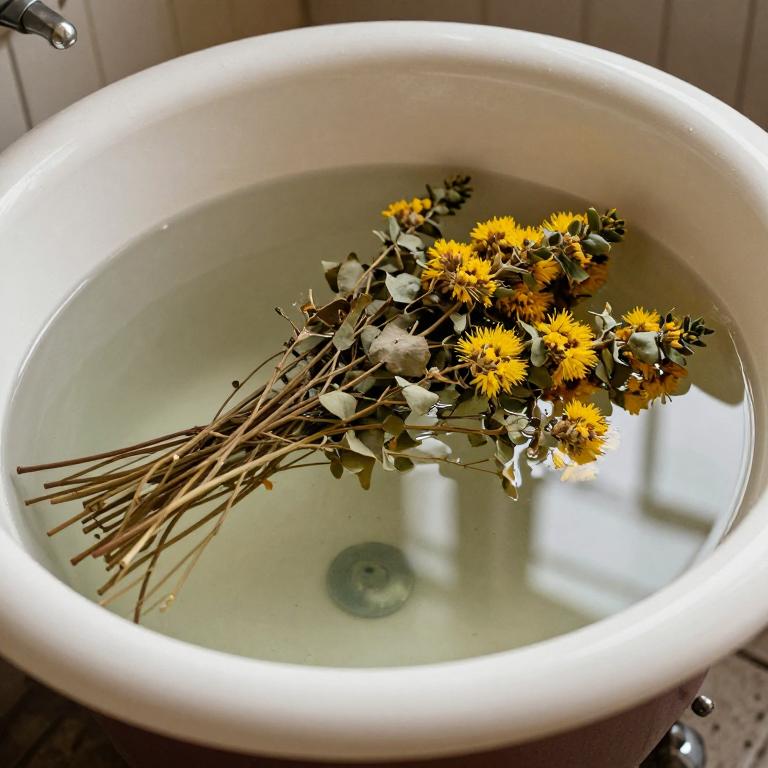
Hypericum perforatum, commonly known as St. John's Wort, has been traditionally used in herbal baths to soothe an itchy scalp.
When infused into bathwater, the active compounds in St. John's Wort, such as hypericin and hyperforin, may help reduce inflammation and irritation. This natural remedy is believed to have mild antiseptic and anti-inflammatory properties that can calm sensitive skin. To use it, simply steep a handful of dried St. John's Wort in hot water for several hours, then strain and use the infused water for a soothing scalp bath.
While generally safe, it is important to consult a healthcare provider before use, especially if you are on medication, as St. John's Wort can interact with certain drugs.
3. Rosemary (Rosmarinus officinalis)
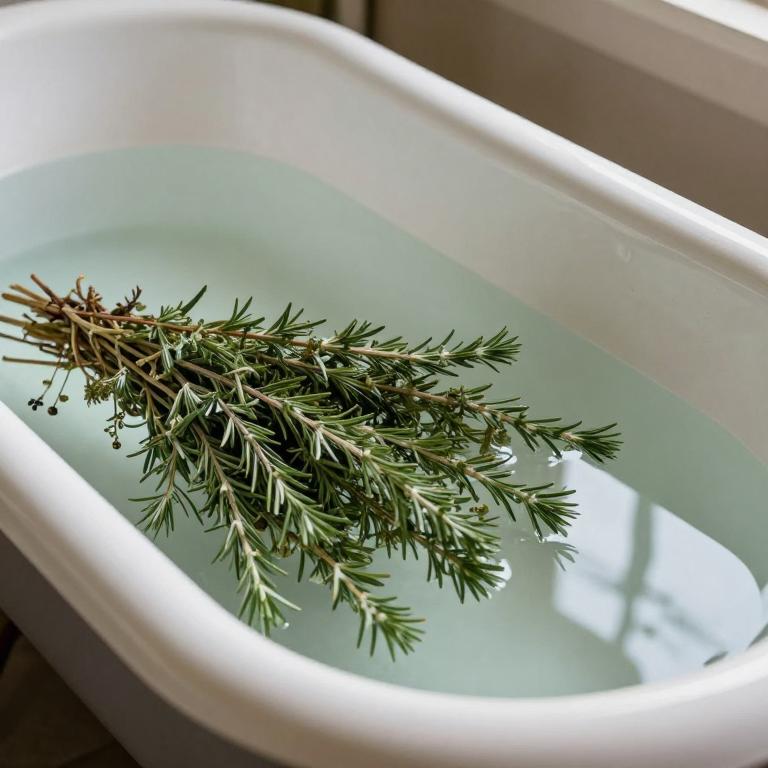
Rosmarinus officinalis, commonly known as rosemary, is a fragrant herb that has been traditionally used for its therapeutic properties, including its ability to soothe an itchy scalp.
When used in herbal baths, rosemary leaves can be steeped in warm water to create a calming and nourishing soak that helps relieve scalp irritation. The essential oils in rosemary are known for their antimicrobial and anti-inflammatory effects, which can reduce dandruff and promote a healthier scalp environment. Regular use of rosemary herbal baths may also stimulate blood circulation in the scalp, encouraging hair growth and reducing itchiness.
This natural remedy offers a gentle, aromatherapeutic alternative for those seeking relief from an itchy scalp without the use of harsh chemicals.
4. Stinging nettle (Urtica dioica)
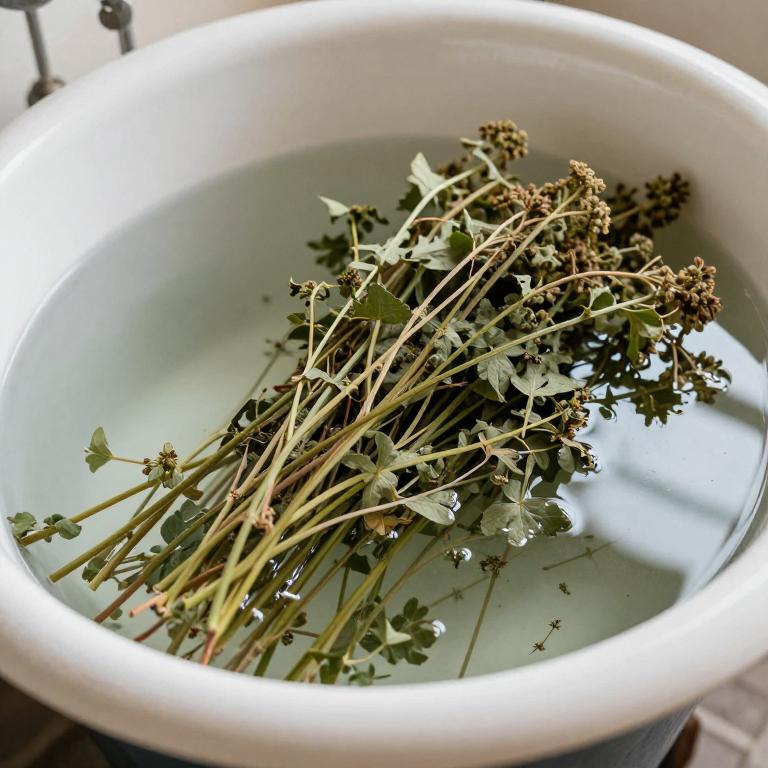
Urtica dioica, commonly known as stinging nettle, can be used in herbal baths to soothe an itchy scalp due to its anti-inflammatory and antihistamine properties.
To prepare the bath, fresh or dried nettle leaves are boiled in water and then strained, allowing the infused liquid to cool before being used for a scalp soak. This natural remedy helps reduce irritation and redness by calming the skin's inflammatory response. The soothing effects of nettle baths can provide relief from conditions like dandruff or eczema on the scalp.
Regular use of urtica dioica baths may promote healthier hair growth and improve overall scalp health.
5. Melaleuca (Melaleuca alternifolia)
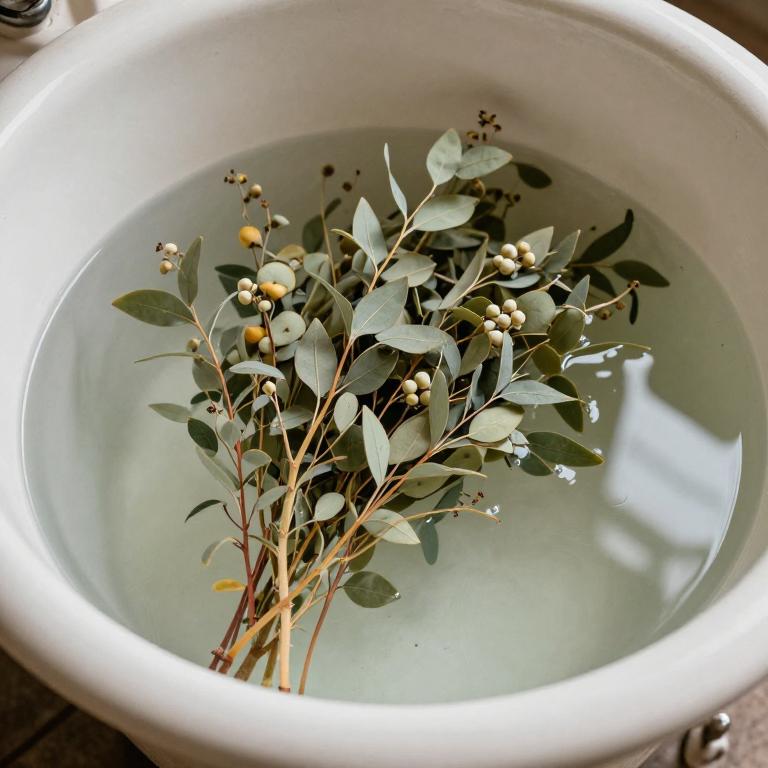
Melaleuca alternifolia, commonly known as tea tree oil, is a popular natural remedy used in herbal baths to alleviate an itchy scalp.
When diluted properly in warm water, tea tree oil can help reduce inflammation and kill bacteria that may contribute to scalp irritation. Its antifungal and antimicrobial properties make it effective against dandruff and fungal infections like ringworm. Many people find that adding a few drops of tea tree oil to their bath water provides soothing relief and promotes a healthier scalp environment.
However, it is important to use it in moderation and perform a patch test to avoid skin irritation.
6. Yarrow (Achillea millefolium)
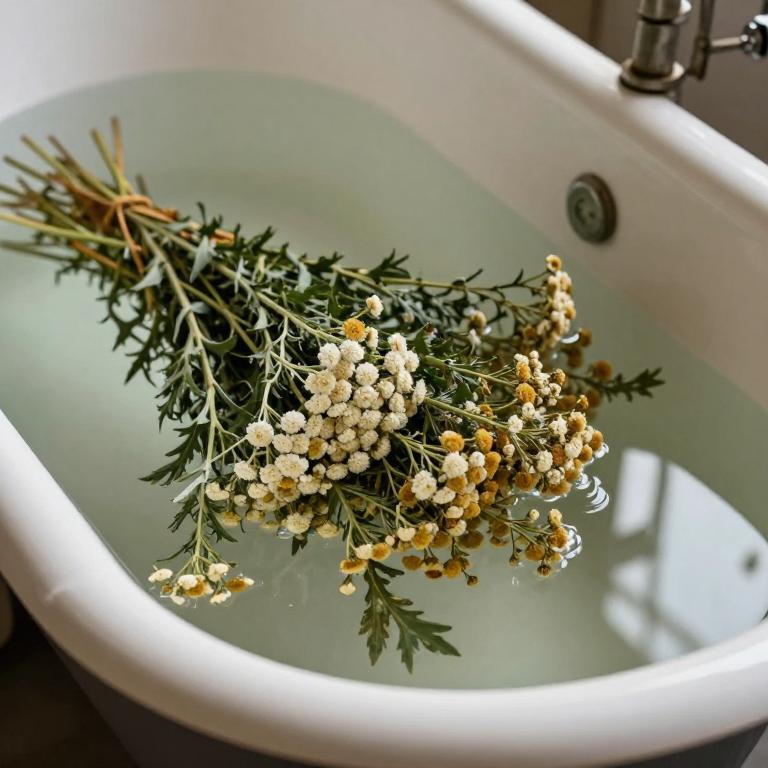
Achillea millefolium, commonly known as yarrow, has been traditionally used in herbal baths to soothe an itchy scalp due to its anti-inflammatory and astringent properties.
When infused into bath water, yarrow can help reduce irritation and redness, providing relief from conditions like dandruff or fungal infections. The essential oils in yarrow, such as chamazulene and bisabolol, have antimicrobial effects that may help combat scalp infections. To prepare the bath, steep a handful of dried yarrow in boiling water for 15-20 minutes, then add the infusion to warm bath water before soaking for 15-20 minutes.
Regular use of yarrow herbal baths can promote a healthier scalp environment and alleviate persistent itching.
7. Salvia (Salvia officinalis)
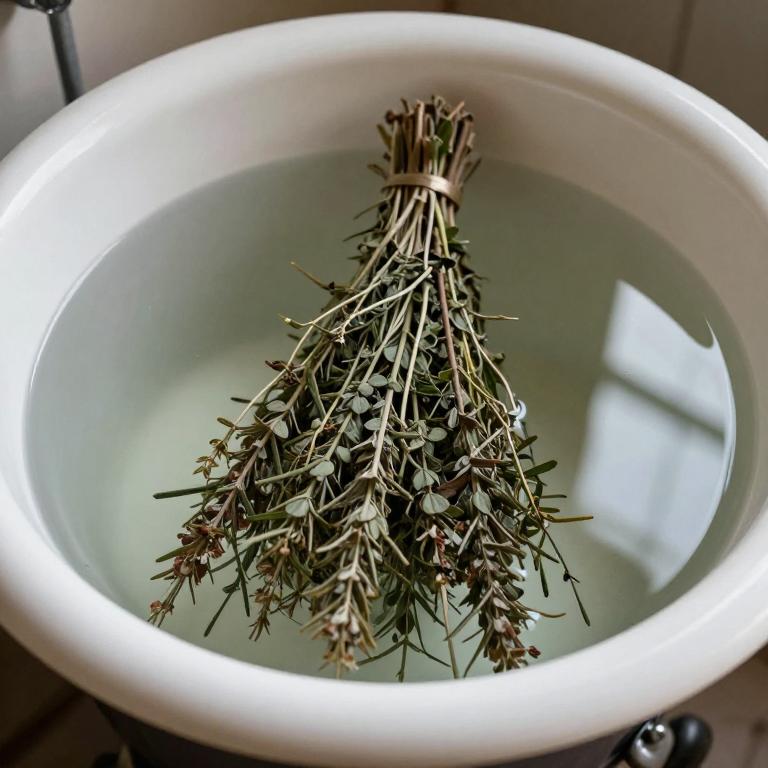
Salvia officinalis, commonly known as sage, has been traditionally used in herbal baths to soothe an itchy scalp due to its anti-inflammatory and antimicrobial properties.
When infused into bath water, sage can help reduce scalp irritation and promote a calming effect on the skin. The essential oils and compounds in sage, such as rosmarinic acid, may help alleviate dandruff and fungal infections that contribute to itching. To prepare a sage bath, simply steep fresh or dried sage leaves in hot water for several minutes before adding the liquid to a warm bath.
Regular use of sage-infused baths can provide a natural, soothing remedy for those seeking relief from an itchy scalp without harsh chemical treatments.
8. Field horsetail (Equisetum arvense)
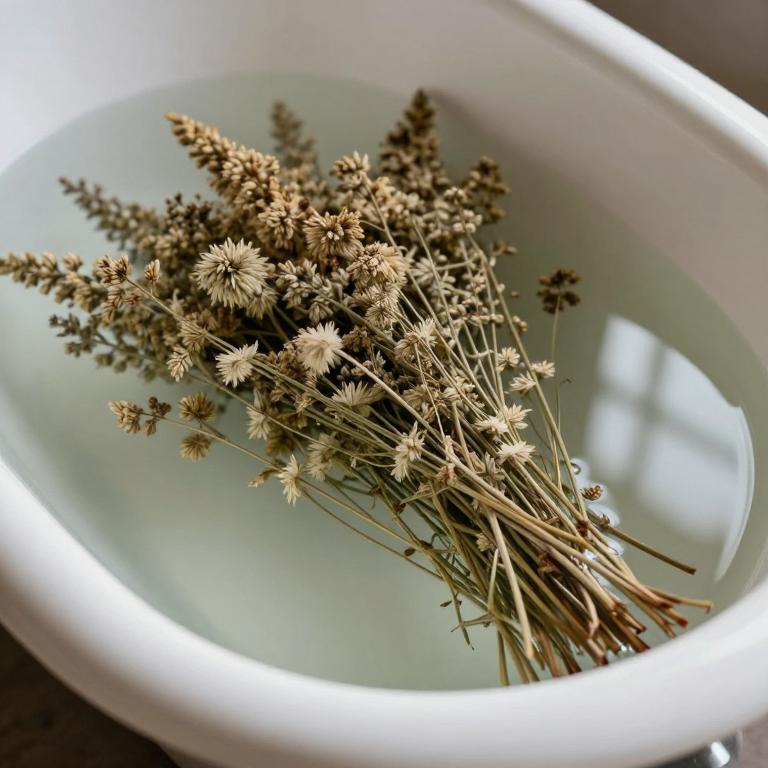
Equisetum arvense, commonly known as field horsetail, has been traditionally used in herbal baths to alleviate an itchy scalp due to its high concentration of silica and other beneficial compounds.
The plant's ability to absorb moisture and its astringent properties make it effective in soothing irritation and reducing dandruff. To prepare an herbal bath, fresh or dried horsetail can be steeped in hot water to create a soothing rinse that can be applied to the scalp. This natural remedy is particularly beneficial for those seeking a chemical-free alternative to commercial shampoos.
Regular use of equisetum arvense baths may help improve scalp health and provide long-term relief from persistent itchiness.
9. Ceylon cinnamon (Cinnamomum zeylanicum)
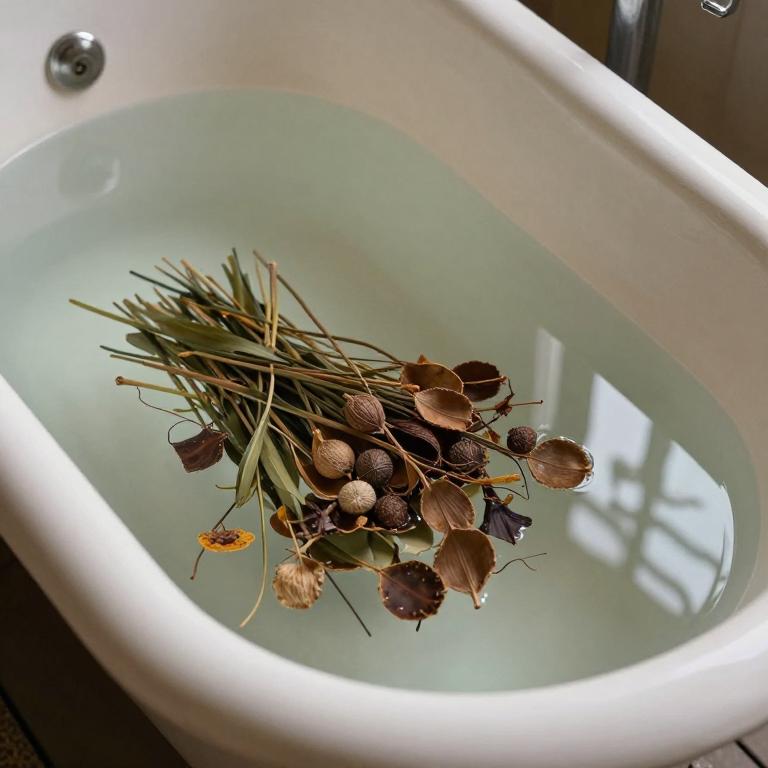
Cinnamomum zeylanicum, also known as Ceylon cinnamon, has been traditionally used in herbal baths to soothe an itchy scalp due to its antimicrobial and anti-inflammatory properties.
When added to warm bath water, the essential oils from cinnamon can help reduce dandruff and fungal growth, which are common causes of scalp irritation. The aromatic compounds in cinnamon may also provide a calming effect, easing the discomfort associated with an itchy scalp. To use it effectively, a few drops of cinnamon essential oil or a small amount of ground cinnamon can be mixed into the bathwater.
However, it is important to perform a patch test first to avoid skin irritation, especially for those with sensitive skin.
10. White cedar (Thuja occidentalis)

Thuja occidentalis, also known as arborvitae, is a traditional herbal remedy that can be used in herbal baths to soothe an itchy scalp.
When infused into warm water, thuja oil or tea helps to reduce inflammation and alleviate skin irritation. The antifungal and antimicrobial properties of thuja may help combat scalp infections that contribute to itching. To use, mix a few drops of thuja essential oil or a brewed infusion into a basin of warm water and let the scalp soak for 10–15 minutes.
However, it is important to perform a patch test first, as some individuals may experience allergic reactions to this herb.