10 Best Herbal Syrups For Itchy Eyes
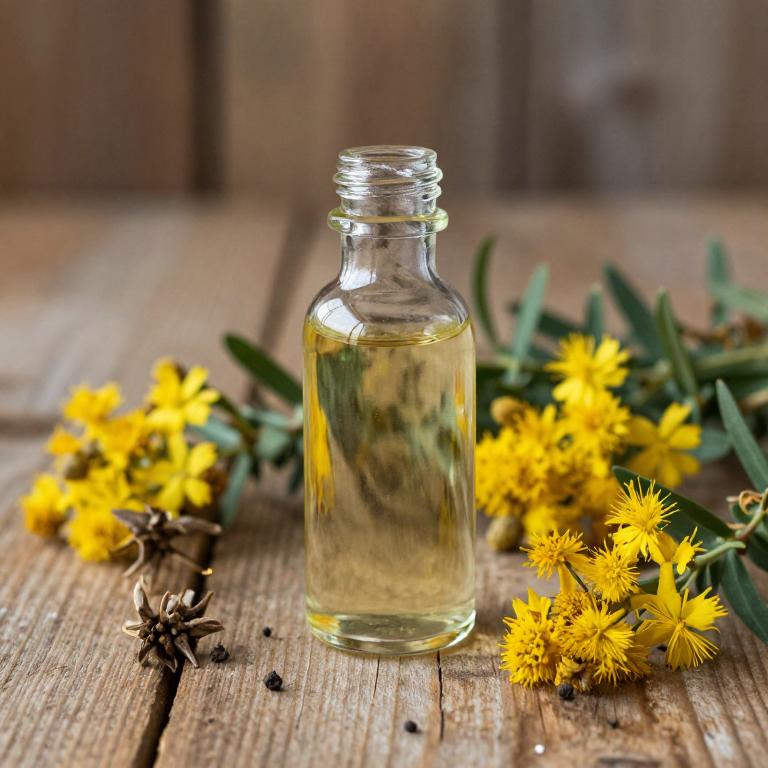
Herbal syrups for itchy eyes are natural remedies that often contain ingredients like chamomile, calendula, and echinacea, which are known for their soothing and anti-inflammatory properties.
These syrups are typically used as eye drops or diluted in water to gently relieve irritation and redness caused by allergies or minor eye conditions. They work by reducing inflammation and providing a calming effect on the delicate eye tissues. While generally safe for most people, it's important to consult a healthcare professional before use, especially if symptoms persist or worsen.
Herbal syrups offer a gentle, alternative approach to managing itchy eyes without the use of synthetic chemicals.
Table of Contents
- 1. St. john's wort (Hypericum perforatum)
- 2. Chamomile (Matricaria chamomilla)
- 3. Field horsetail (Equisetum arvense)
- 4. German chamomile (Chamomilla recutita)
- 5. Stinging nettle (Urtica dioica)
- 6. Yarrow (Achillea millefolium)
- 7. Mountain arnica (Arnica montana)
- 8. Dog rose (Rosa canina)
- 9. Plantain (Plantago lanceolata)
- 10. English lavender (Lavandula angustifolia)
1. St. john's wort (Hypericum perforatum)
Hypericum perforatum, commonly known as St. John's Wort, is a herbal remedy that has been traditionally used for its potential anti-inflammatory and antiviral properties.
While it is more widely recognized for its use in treating mild depression, some studies suggest it may also have applications in alleviating symptoms of itchy eyes, possibly due to its ability to reduce irritation and inflammation. Herbal syrups made from Hypericum perforatum are sometimes used as a natural alternative to conventional eye drops, though their efficacy for this specific use remains under investigation. It is important to consult with a healthcare provider before using St. John's Wort, as it can interact with certain medications and may not be suitable for everyone.
Overall, while hypericum perforatum herbal syrups show promise, more scientific research is needed to fully understand their role in treating itchy eyes.
2. Chamomile (Matricaria chamomilla)
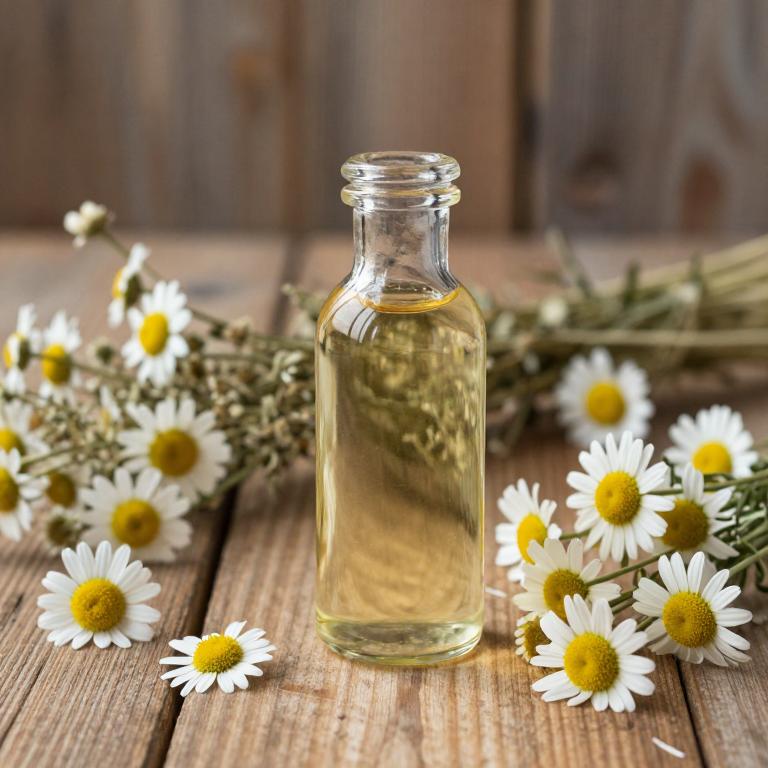
Matricaria chamomilla, commonly known as chamomile, is often used in herbal syrups to alleviate symptoms of itchy eyes, thanks to its anti-inflammatory and antihistamine properties.
These syrups are typically made by steeping chamomile flowers in a sweetened liquid, creating a soothing and easily consumable remedy. The active compounds in chamomile, such as flavonoids and essential oils, may help reduce irritation and redness associated with allergic reactions or minor eye inflammation. While not a substitute for medical treatment, chamomile syrups can provide gentle relief for mild cases of itchy eyes.
However, individuals with allergies to plants in the daisy family should exercise caution and consult a healthcare provider before use.
3. Field horsetail (Equisetum arvense)
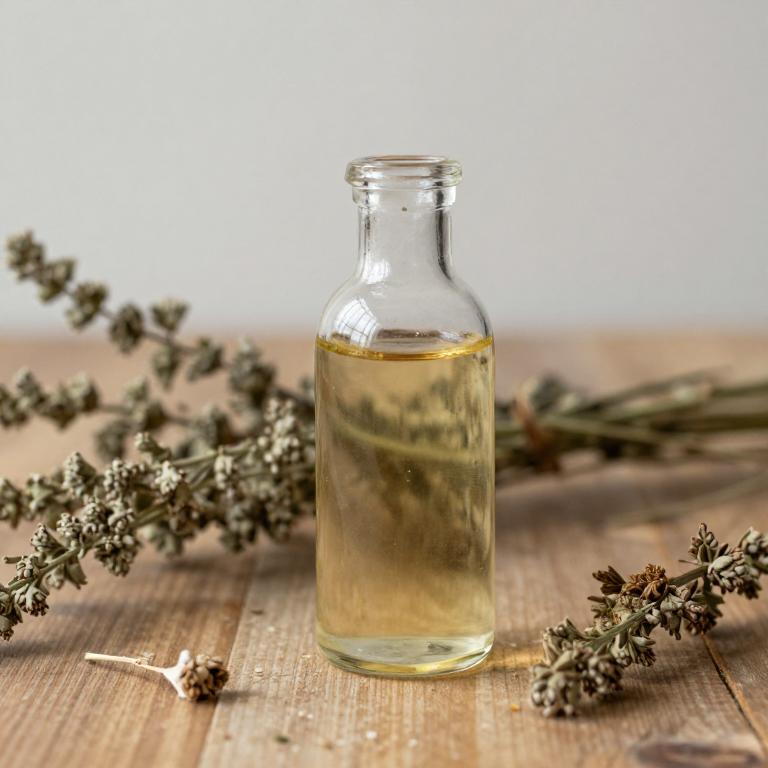
Equisetum arvense, commonly known as horsetail, is a traditional herbal remedy that has been used for its astringent and anti-inflammatory properties.
When prepared as a herbal syrup, it may help alleviate symptoms of itchy eyes by reducing irritation and promoting healing of the delicate eye tissues. The high concentration of silica in horsetail is believed to support the structural integrity of the eye's surface, potentially improving overall eye health. However, it is important to consult with a healthcare professional before using horsetail syrup, as it may interact with certain medications or conditions.
While some anecdotal evidence suggests its effectiveness, more scientific research is needed to fully validate its role in treating itchy eyes.
4. German chamomile (Chamomilla recutita)
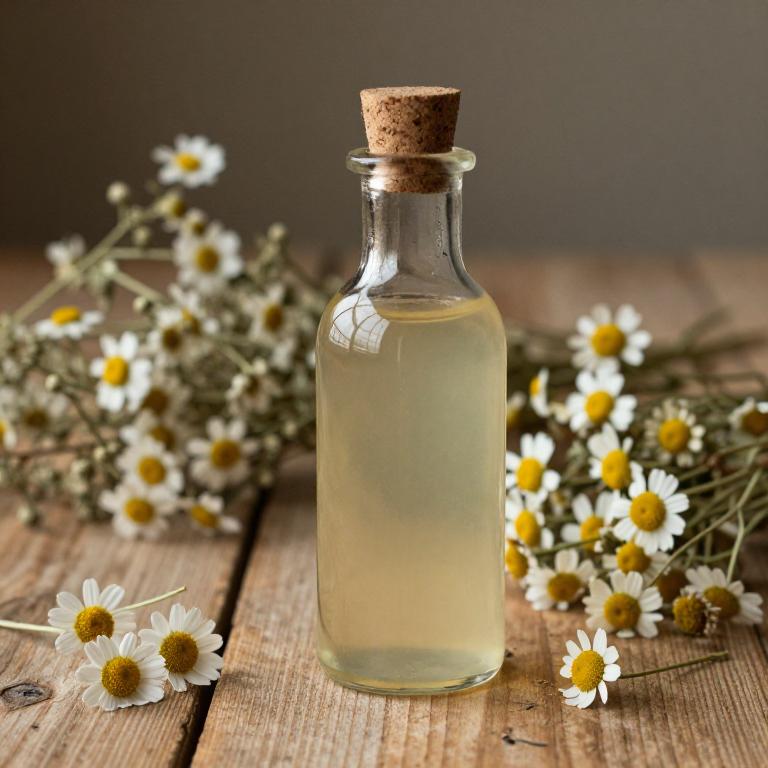
Chamomilla recutita herbal syrups are often used to alleviate symptoms of itchy eyes, thanks to their anti-inflammatory and antihistamine properties.
These syrups contain active compounds like apigenin and bisabolol, which help reduce redness, swelling, and irritation associated with allergic reactions or eye strain. They are typically formulated with a base of honey or glycerin, making them suitable for topical application around the eyes. Many people find relief from frequent eye itching by using chamomilla recutita syrups as a natural alternative to over-the-counter antihistamine eye drops.
However, it is important to consult a healthcare professional before use, especially if symptoms persist or worsen.
5. Stinging nettle (Urtica dioica)

Urtica dioica, commonly known as stinging nettle, has been traditionally used in herbal medicine for its anti-inflammatory and antihistaminic properties.
When prepared as a syrup, it may help alleviate symptoms of itchy eyes by reducing allergic reactions and inflammation in the conjunctiva. The syrup is typically made by infusing the fresh or dried leaves in a sweetened liquid, allowing the active compounds to be absorbed more effectively. Some studies suggest that nettle may support overall eye health by detoxifying the body and reducing oxidative stress.
However, it is important to consult a healthcare professional before using urtica dioica syrup, especially if you have existing health conditions or are taking other medications.
6. Yarrow (Achillea millefolium)
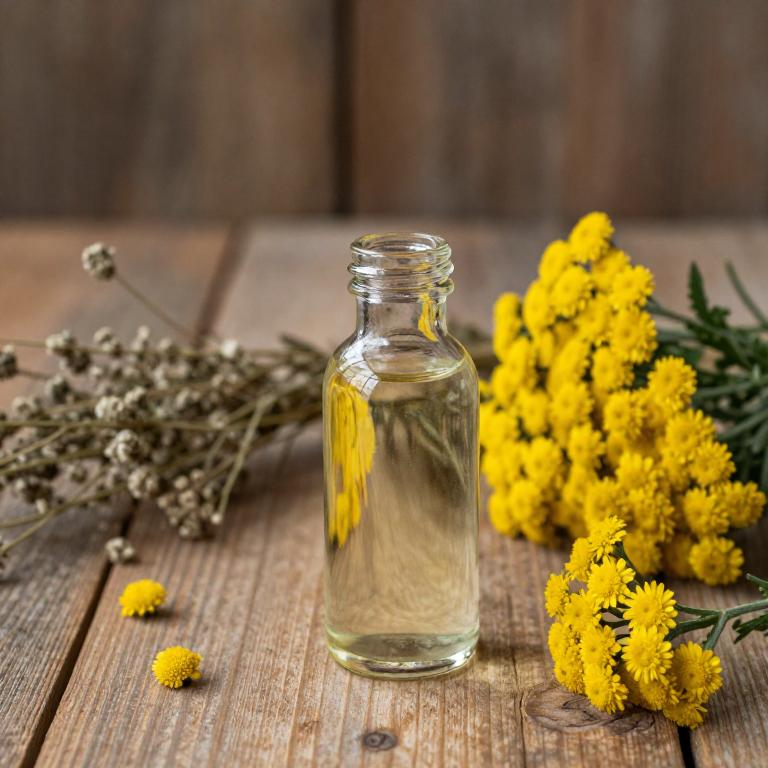
Achillea millefolium, commonly known as yarrow, has been traditionally used in herbal medicine for its anti-inflammatory and antiseptic properties.
When prepared as a herbal syrup, it may offer soothing relief for itchy eyes by reducing irritation and redness. The syrup is often made by simmering dried yarrow flowers with honey or another sweetener, creating a palatable and potent remedy. Some studies suggest that the essential oils in yarrow may help alleviate allergic reactions and dryness that contribute to eye discomfort.
However, it is important to consult a healthcare professional before using yarrow syrup, especially for prolonged periods or in individuals with known allergies.
7. Mountain arnica (Arnica montana)
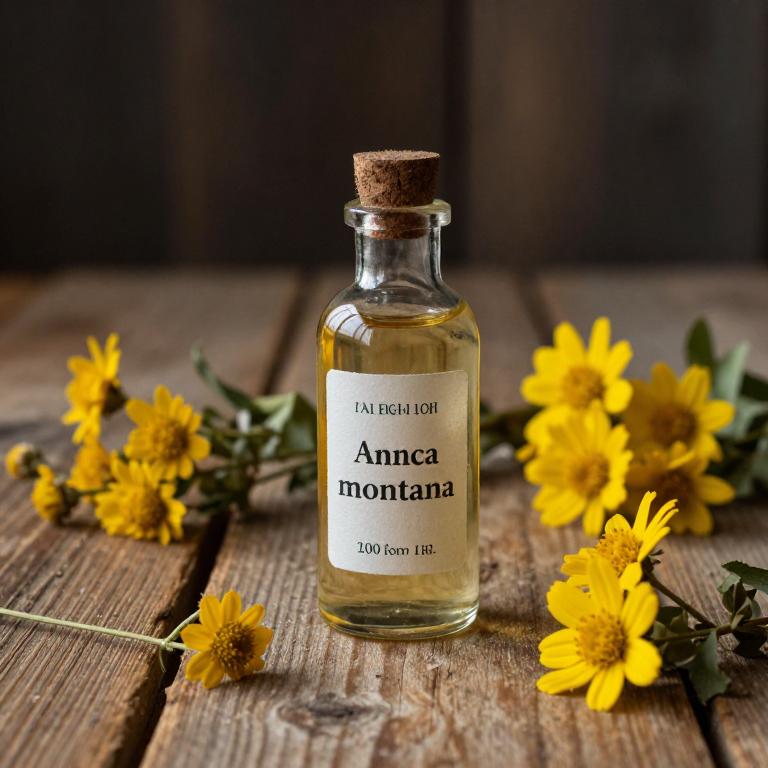
Arnica montana herbal syrups are traditionally used to alleviate symptoms of itchy eyes, often associated with allergies or irritations.
These syrups are made from the dried flowers of the arnica plant, which is known for its anti-inflammatory and analgesic properties. While not a direct treatment for eye irritation, the syrup may help reduce inflammation and discomfort around the eyes when used externally as directed. It is important to consult a healthcare provider before using arnica montana, especially for those with sensitive skin or existing eye conditions.
As a complementary remedy, it should not replace professional medical advice or treatment for persistent or severe eye issues.
8. Dog rose (Rosa canina)

Rosa canina, also known as rosehip, is a traditional herbal remedy that has been used for centuries to support eye health and alleviate symptoms such as itchy eyes.
The herbal syrup, made from the dried fruits of the Rosa canina plant, is rich in essential nutrients like vitamin C, antioxidants, and omega fatty acids, which can help reduce inflammation and irritation. It is often recommended for individuals suffering from allergic conjunctivitis or dryness, as it may help soothe the eyes and improve overall ocular comfort. When used as part of a holistic approach, Rosa canina syrup may provide natural relief from itchy eyes without the side effects associated with some pharmaceutical treatments.
However, it is important to consult with a healthcare professional before starting any new herbal remedy, especially if you have pre-existing health conditions or are taking other medications.
9. Plantain (Plantago lanceolata)
Plantago lanceolata, commonly known as plantain, has been traditionally used in herbal medicine for its soothing and anti-inflammatory properties.
Herbal syrups made from Plantago lanceolata may help alleviate symptoms of itchy eyes by reducing irritation and inflammation in the delicate eye tissues. These syrups are often prepared by combining the dried leaves of the plant with honey or other natural sweeteners to create a palatable and effective remedy. While not a substitute for professional medical treatment, they can serve as a complementary therapy for mild eye discomfort.
It is important to consult with a healthcare provider before using any herbal remedy, especially for eye-related conditions.
10. English lavender (Lavandula angustifolia)

Lavandula angustifolia, commonly known as English lavender, has been traditionally used for its calming and soothing properties, and its essential oils and extracts are now being incorporated into herbal syrups to address various health concerns, including itchy eyes.
These syrups often contain a blend of lavender essential oil, honey, and other natural ingredients that may help reduce inflammation and irritation. The anti-inflammatory and antiseptic properties of lavender may provide relief by soothing the delicate eye tissues and reducing redness. While scientific evidence supporting its effectiveness for itchy eyes is limited, many users report a calming effect and reduced discomfort when using lavender-based herbal syrups.
As with any herbal remedy, it is advisable to consult a healthcare professional before use, especially if symptoms persist or worsen.