10 Best Herbal Capsules For Itchy Eyes

Herbal capsules for itchy eyes are natural supplements designed to alleviate discomfort caused by eye irritation, allergies, or dryness.
These capsules often contain ingredients like chamomile, calendula, and eyebright, which are traditionally used for their anti-inflammatory and soothing properties. They are generally considered safe for most people, though it is important to consult a healthcare provider before use, especially if you have underlying health conditions or are taking other medications. Many herbal eye capsules are available over-the-counter, but their effectiveness can vary, and they should not replace professional medical advice or treatment.
Regular use of these capsules may help reduce redness and itching, providing relief for mild eye irritations.
Table of Contents
- 1. Chamomile (Matricaria chamomilla)
- 2. St. john's wort (Hypericum perforatum)
- 3. German chamomile (Chamomilla recutita)
- 4. Stinging nettle (Urtica dioica)
- 5. Field horsetail (Equisetum arvense)
- 6. Salvia (Salvia officinalis)
- 7. Yarrow (Achillea millefolium)
- 8. Chaste tree (Vitex agnus-castus)
- 9. Dog rose (Rosa canina)
- 10. English lavender (Lavandula angustifolia)
1. Chamomile (Matricaria chamomilla)
Matricaria chamomilla, commonly known as chamomile, is a herbal remedy often used in the form of capsules to alleviate symptoms associated with itchy eyes.
These capsules contain standardized extracts of the flower, which are rich in anti-inflammatory and antihistamine properties. Chamomile is believed to help reduce redness, swelling, and irritation caused by allergies or environmental irritants. When taken orally or used as a topical application, it may support the body's natural healing processes and soothe ocular discomfort.
However, individuals should consult with a healthcare professional before using chamomile capsules, especially if they have known allergies or are taking other medications.
2. St. john's wort (Hypericum perforatum)
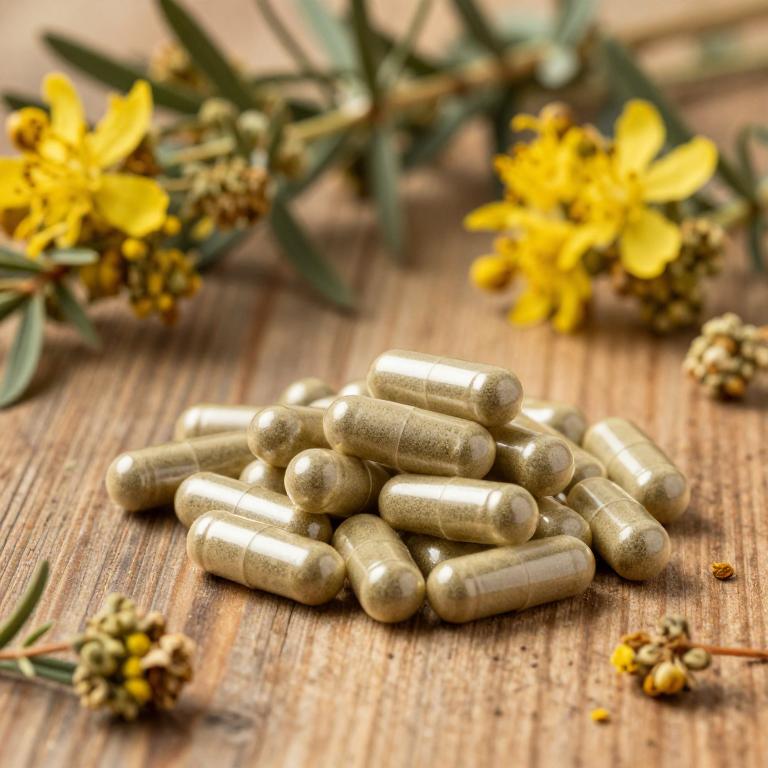
Hypericum perforatum, commonly known as St. John's Wort, is a herbal remedy traditionally used for its potential anti-inflammatory and antiviral properties.
While it is widely recognized for its use in treating mild depression, some studies suggest it may also help alleviate symptoms of itchy eyes by reducing irritation and inflammation. Herbal capsules containing Hypericum perforatum are often taken orally, though their effectiveness for eye conditions may vary depending on the individual and the underlying cause of the itching. It is important to consult a healthcare provider before using St. John's Wort, as it can interact with certain medications and may not be suitable for everyone.
Overall, while Hypericum perforatum may offer some relief for itchy eyes, it should be used as part of a broader treatment plan under professional guidance.
3. German chamomile (Chamomilla recutita)

Chamomilla recutita, commonly known as German chamomile, is often used in herbal formulations to alleviate symptoms such as itchy eyes.
The active compounds in chamomilla recutita, including bisabolol and flavonoids, possess anti-inflammatory and antihistamine properties that can help reduce irritation and redness. Herbal capsules containing chamomilla recutita are typically taken orally or used as eye drops, depending on the formulation. These natural remedies are popular among individuals seeking alternative treatments for mild eye allergies or irritations.
However, it is important to consult a healthcare professional before using chamomilla recutita, especially if you have existing health conditions or are taking other medications.
4. Stinging nettle (Urtica dioica)

Urtica dioica, commonly known as stinging nettle, is a plant that has been used traditionally for its medicinal properties.
Urtica dioica herbal capsules are often marketed for their potential to alleviate symptoms such as itchy eyes, which can be caused by allergies or irritants. These capsules are believed to work by reducing inflammation and supporting the body's natural detoxification processes. However, while some individuals may find relief from using stinging nettle supplements, it is important to consult a healthcare professional before starting any new herbal remedy, especially if you have existing medical conditions or are taking other medications.
The effectiveness of urtica dioica for itchy eyes can vary, and more scientific research is needed to fully understand its benefits and safety.
5. Field horsetail (Equisetum arvense)

Equisetum arvense, commonly known as field horsetail, is a traditional herbal remedy that has been used for its potential anti-inflammatory and astringent properties.
Herbal capsules containing Equisetum arvense are sometimes recommended for individuals suffering from itchy eyes, as they may help reduce irritation and redness. These capsules are typically made from the dried and powdered stems of the plant, which are rich in silica and other bioactive compounds. However, it is important to consult with a healthcare professional before using Equisetum arvense, as it may interact with certain medications or cause adverse effects in some individuals.
While some people report relief from itchy eyes using this herb, scientific evidence supporting its effectiveness for this specific condition is limited.
6. Salvia (Salvia officinalis)

Salvia officinalis, commonly known as sage, has been traditionally used for its anti-inflammatory and antimicrobial properties, making it a potential natural remedy for itchy eyes.
Herbal capsules containing salvia officinalis may help reduce eye irritation by soothing the sensitive tissues around the eyes and decreasing redness. These capsules are often used as a complementary therapy alongside conventional treatments for conditions like allergic conjunctivitis or dry eye syndrome. While some studies suggest that sage may have mild antihistamine effects, more research is needed to confirm its efficacy for eye-related issues.
It is important to consult with a healthcare professional before using salvia officinalis capsules, especially if you have underlying health conditions or are taking other medications.
7. Yarrow (Achillea millefolium)
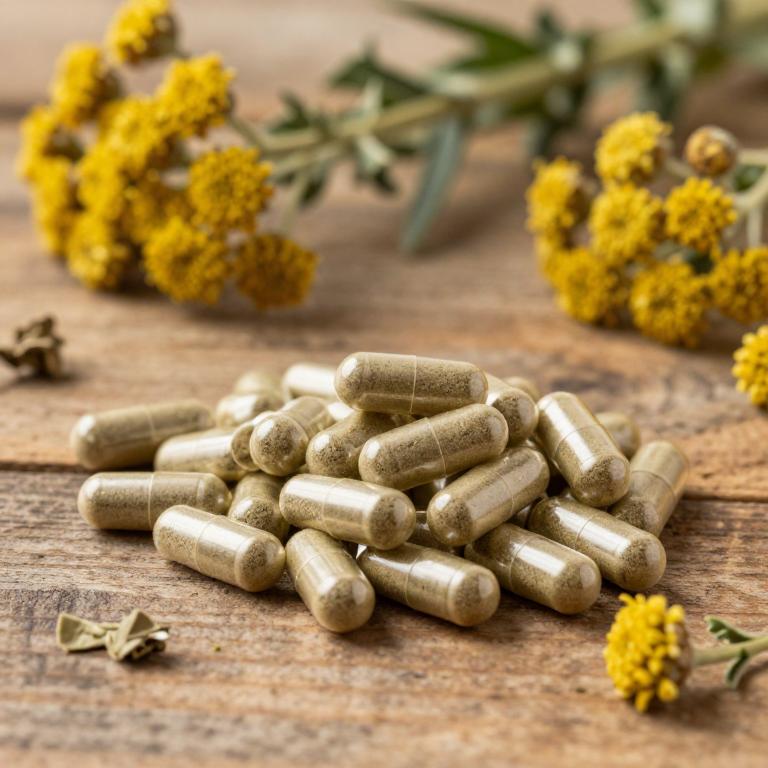
Achillea millefolium, commonly known as yarrow, is a traditional herbal remedy that has been used for centuries to support eye health and alleviate symptoms such as itchy eyes.
The herbal capsules containing yarrow are typically made from the dried aerial parts of the plant, which are rich in flavonoids and other bioactive compounds known for their anti-inflammatory and antihistamine properties. These properties may help reduce redness, irritation, and allergic reactions that contribute to itchy eyes. When used as a complementary therapy, yarrow capsules may provide natural relief for individuals experiencing mild to moderate eye discomfort.
However, it is important to consult with a healthcare professional before using yarrow, especially if you have pre-existing medical conditions or are taking other medications.
8. Chaste tree (Vitex agnus-castus)

Vitex agnus-castus, commonly known as chasteberry, is a herbal remedy that has been traditionally used for various health purposes, including hormonal balance and menstrual regulation.
While it is not specifically marketed for treating itchy eyes, some individuals may use it as a complementary therapy to support overall eye health, particularly if the itching is related to hormonal fluctuations or inflammatory conditions. However, there is limited scientific evidence directly linking vitex agnus-castus to the relief of itchy eyes, and its effectiveness in this context remains unclear. It is important to consult with a healthcare professional before using any herbal supplements, especially if you have pre-existing eye conditions or are taking other medications.
As with any herbal treatment, individual responses can vary, and it should not be used as a substitute for medical advice or conventional treatments for eye irritation.
9. Dog rose (Rosa canina)

Rosa canina, also known as dog rose, is a traditional herbal remedy that has been used for its anti-inflammatory and soothing properties.
Rosa canina herbal capsules are often used to alleviate symptoms of itchy eyes, particularly when caused by allergies or mild irritations. The capsules contain standardized extracts of Rosa canina fruit, which are rich in vitamins, antioxidants, and bioflavonoids that support eye health. These natural supplements are generally considered safe and well-tolerated, making them a gentle alternative for those seeking non-pharmaceutical relief.
However, it is important to consult with a healthcare professional before use, especially if you have underlying medical conditions or are taking other medications.
10. English lavender (Lavandula angustifolia)

Lavandula angustifolia, commonly known as English lavender, is often used in herbal capsules for its calming and anti-inflammatory properties.
These capsules may help alleviate symptoms of itchy eyes by reducing irritation and promoting eye comfort through their soothing effects. While not a substitute for medical treatment, lavender capsules can be a natural complement to eye care routines. The essential oils in lavender are believed to have antimicrobial and antioxidant benefits that support overall eye health.
However, individuals should consult with a healthcare professional before using lavender capsules, especially if they have existing eye conditions or are taking other medications.