10 Best Herbal Essential Oils For Itchy Ears
Herbal essential oils, such as lavender, tea tree, and chamomile, are often used to alleviate itchy ears due to their natural anti-inflammatory and antimicrobial properties.
These oils can help reduce irritation and infection when properly diluted and applied to the ear canal. However, it is important to use them cautiously, as some oils may cause further irritation or allergic reactions. A carrier oil, like coconut or jojoba oil, should always be used to dilute the essential oil before applying it to the ears.
Consultation with a healthcare professional is recommended before using essential oils for persistent or severe ear itching.
Table of Contents
- 1. Eucalyptus (Eucalyptus globulus)
- 2. Melaleuca (Melaleuca alternifolia)
- 3. Rosemary (Rosmarinus officinalis)
- 4. English lavender (Lavandula angustifolia)
- 5. Thyme (Thymus vulgaris)
- 6. Yarrow (Achillea millefolium)
- 7. Polium germander (Teucrium polium)
- 8. Lemon grass (Cymbopogon citratus)
- 9. Ceylon cinnamon (Cinnamomum zeylanicum)
- 10. Black pepper (Piper nigrum)
1. Eucalyptus (Eucalyptus globulus)
Eucalyptus globulus, commonly known as eucalyptus citriodora or lemon eucalyptus, is a versatile herbal essential oil that has been used for its therapeutic properties, including its ability to alleviate itchy ears.
The oil contains compounds like eucalyptol and alpha-pinene, which have antimicrobial and anti-inflammatory effects, making it effective in soothing irritation and reducing inflammation in the ear canal. When diluted properly with a carrier oil, eucalyptus globulus essential oil can be safely applied to the outer ear to provide relief from itching caused by infections or allergies. Its refreshing scent also helps promote a sense of calm and relaxation during the treatment process.
However, it is important to consult a healthcare professional before using essential oils, especially if there is an underlying condition or if the individual is pregnant or nursing.
2. Melaleuca (Melaleuca alternifolia)
Melaleuca alternifolia, commonly known as tea tree oil, is a popular essential oil derived from the leaves of the Melaleuca alternifolia plant, native to Australia.
It is well-known for its potent antimicrobial and anti-inflammatory properties, making it a valuable natural remedy for various skin and ear conditions. When used appropriately, tea tree oil can help alleviate itchy ears by reducing inflammation and combating potential infections caused by bacteria or fungi. However, it is important to dilute the oil with a carrier oil before applying it to the ear canal to avoid irritation or chemical burns.
As with any essential oil treatment, it is advisable to consult a healthcare professional, especially if symptoms persist or worsen.
3. Rosemary (Rosmarinus officinalis)
Rosmarinus officinalis, commonly known as rosemary, produces an essential oil that is often used for its stimulating and antifungal properties.
This oil may help alleviate itchy ears by reducing inflammation and combating potential fungal infections that can cause discomfort. When diluted properly, rosemary essential oil can be safely applied topically to the outer ear, though it should never be used directly in the ear canal. Its aromatic compounds may also provide a calming effect, helping to ease the irritation associated with ear itching.
However, it is important to consult a healthcare professional before using essential oils, especially if the itching is persistent or accompanied by other symptoms.
4. English lavender (Lavandula angustifolia)
Lavandula angustifolia, commonly known as English lavender, is widely recognized for its calming and soothing properties, making its essential oil a popular choice for addressing itchy ears.
The essential oil is derived through steam distillation of the flowers and contains compounds like linalool and linalyl acetate, which have anti-inflammatory and antiseptic effects. When used appropriately, lavender essential oil can help reduce irritation and redness associated with itchy ears, offering natural relief without harsh chemicals. However, it is important to dilute the oil with a carrier oil before applying it to the ear area to prevent skin irritation.
As with any essential oil, it is advisable to consult a healthcare professional before use, especially if the itching is persistent or accompanied by other symptoms.
5. Thyme (Thymus vulgaris)
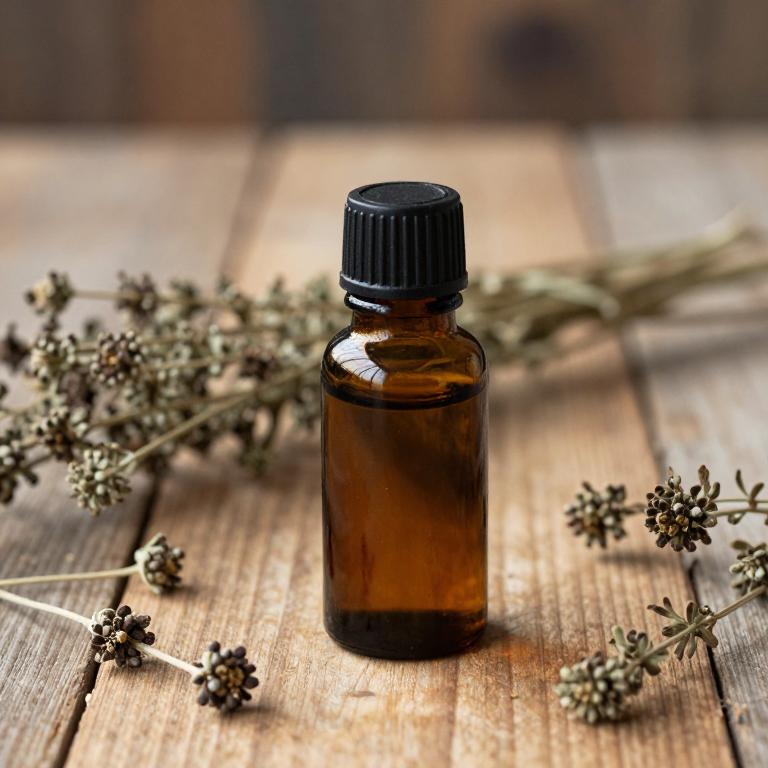
Thymus vulgaris, commonly known as thyme, is a popular herb used in aromatherapy for its antiseptic and anti-inflammatory properties.
Its essential oil, derived from the leaves and flowers of the plant, contains compounds like thymol and carvacrol, which are known for their potent antimicrobial effects. When used for itchy ears, thyme essential oil can help alleviate irritation and reduce the risk of infection by targeting bacteria and fungi that may be causing the discomfort. However, it should always be diluted with a carrier oil before application to avoid skin irritation.
This natural remedy is often favored in holistic treatments for ear conditions due to its soothing and purifying qualities.
6. Yarrow (Achillea millefolium)
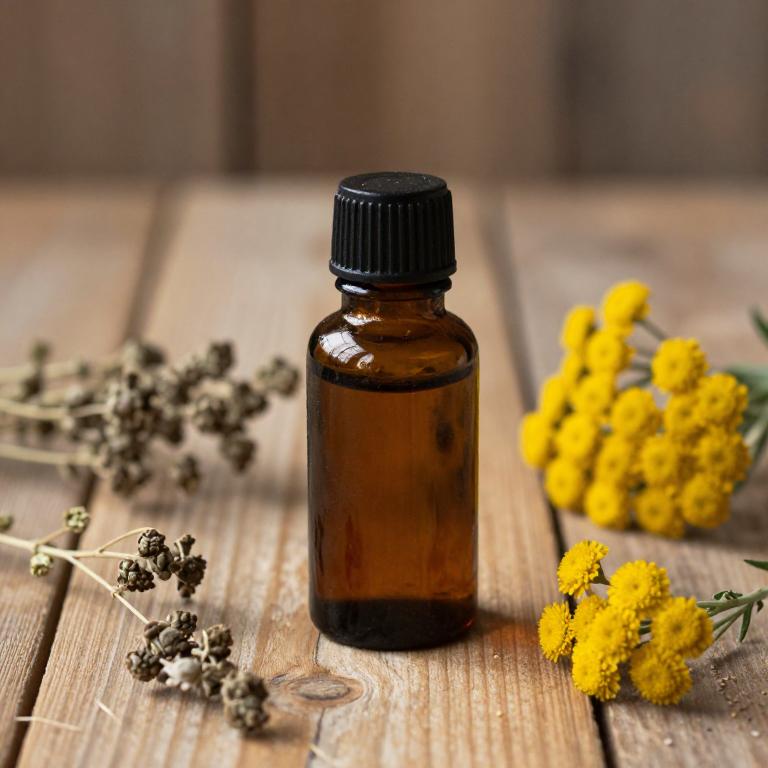
Achillea millefolium, commonly known as yarrow, contains essential oils that have been traditionally used for their anti-inflammatory and antiseptic properties.
These essential oils may help alleviate itching in the ears by reducing irritation and infection. The primary components, such as chamazulene and bisabolol, possess soothing and antimicrobial effects that can support ear health. When used in diluted form, yarrow essential oil can be safely applied to the ear canal to provide relief from minor itching.
However, it is important to consult a healthcare professional before using any essential oils, especially in sensitive areas like the ears.
7. Polium germander (Teucrium polium)
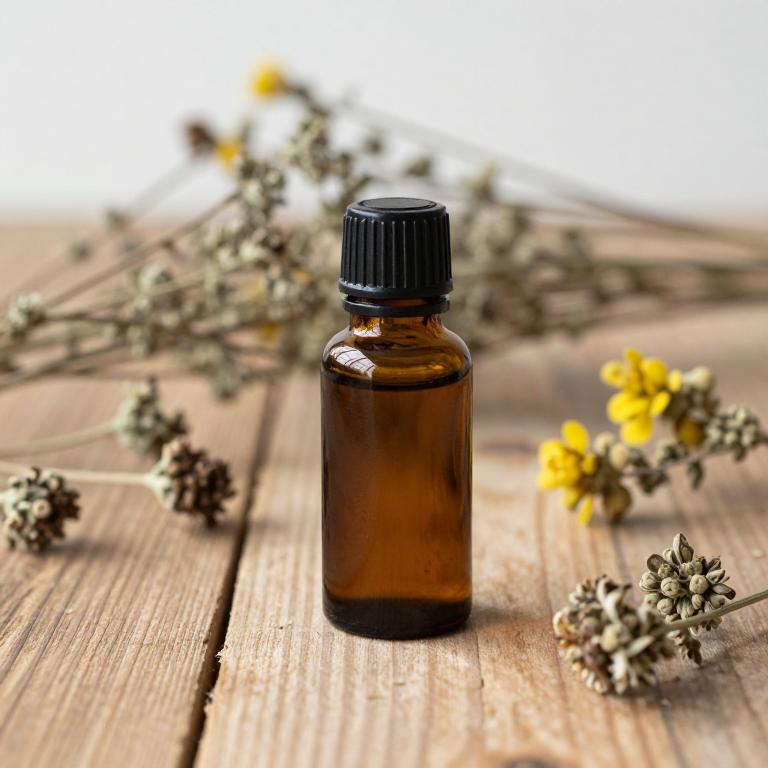
Teucrium polium, also known as summer savory, is a medicinal plant known for its potential therapeutic properties, including its use in herbal essential oils for itchy ears.
The essential oil derived from this plant contains compounds such as thymol and carvacrol, which possess antimicrobial and anti-inflammatory properties that may help alleviate ear discomfort. When used in diluted form, these essential oils can be applied externally to the affected area to reduce itching and irritation. However, it is important to consult a healthcare professional before using essential oils, as improper application can lead to skin irritation or other adverse effects.
Overall, Teucrium polium essential oils offer a natural alternative for managing itchy ears, though they should be used with caution and under proper guidance.
8. Lemon grass (Cymbopogon citratus)
Cymbopogon citratus, commonly known as lemon grass, is a versatile herb whose essential oil has been traditionally used for its calming and therapeutic properties.
The essential oil derived from this plant contains compounds such as citral and myrcene, which are known for their anti-inflammatory and antimicrobial benefits. When applied topically, it can help alleviate symptoms of itchy ears by reducing irritation and combating potential infections. However, it is important to dilute the essential oil with a carrier oil before applying it to the ear area to prevent skin irritation.
While it may offer relief, it is advisable to consult a healthcare professional before using it for persistent or severe ear itching.
9. Ceylon cinnamon (Cinnamomum zeylanicum)
Cinnamomum zeylanicum, commonly known as cinnamon bark, produces a rich, aromatic essential oil that has been traditionally used for its therapeutic properties.
This essential oil is particularly valued for its antifungal, antibacterial, and anti-inflammatory effects, making it a potential remedy for itchy ears caused by infections or irritation. When diluted properly, cinnamon essential oil can be safely applied to the ear canal to soothe discomfort and reduce inflammation. Its warming and stimulating properties may also help improve circulation in the ear area, promoting healing.
However, it is important to use this oil with caution and consult a healthcare professional before applying it to the ears, especially for those with sensitive skin or existing ear conditions.
10. Black pepper (Piper nigrum)
Piper nigrum, commonly known as black pepper, is a spice that also yields a potent essential oil with potential therapeutic properties.
While primarily used for its pungent flavor, the essential oil of black pepper contains compounds like piperine, which may have anti-inflammatory and antimicrobial effects. Some alternative medicine practitioners suggest using diluted piper nigrum essential oil for itchy ears due to its ability to soothe irritation and combat infections. However, it is important to consult a healthcare professional before using any essential oil, as improper use can lead to skin irritation or other adverse reactions.
Always dilute the oil with a carrier oil and perform a patch test to ensure safety and effectiveness.