10 Best Herbal Creams For Itchy Ears
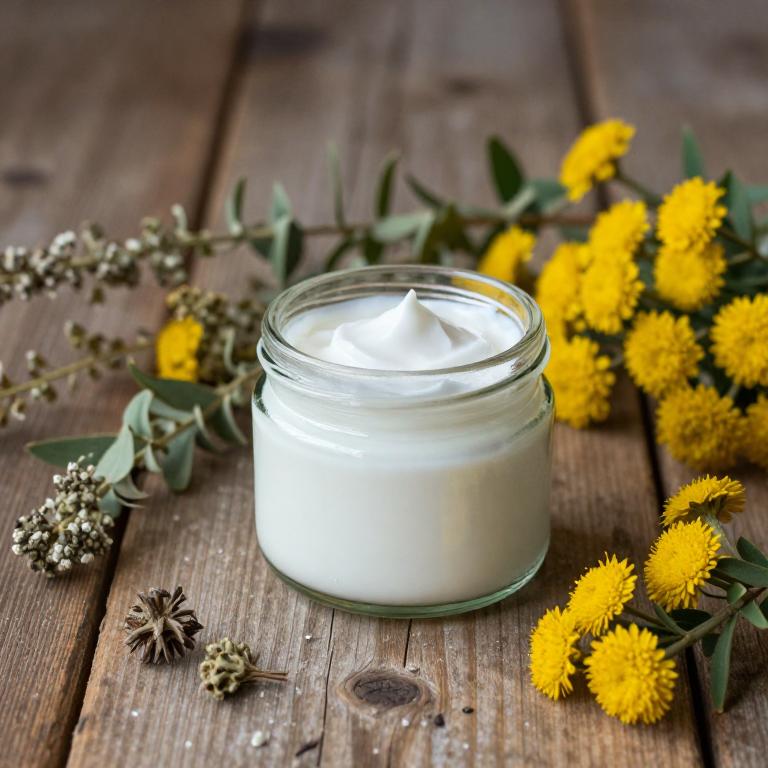
Herbal creams for itchy ears are natural remedies that often contain ingredients like chamomile, calendula, and lavender, which are known for their soothing and anti-inflammatory properties.
These creams can help alleviate irritation and reduce redness without the use of harsh chemicals found in many over-the-counter treatments. They are particularly beneficial for individuals seeking gentler alternatives for conditions such as eczema or fungal infections. However, it is important to consult a healthcare professional before use, especially if the itching persists or is accompanied by other symptoms.
Proper application and hygiene practices can enhance the effectiveness of these herbal treatments.
Table of Contents
- 1. St. john's wort (Hypericum perforatum)
- 2. Ginger (Zingiber officinale)
- 3. Aloe vera (Aloe barbadensis)
- 4. English lavender (Lavandula angustifolia)
- 5. Marigold (Calendula officinalis)
- 6. Stinging nettle (Urtica dioica)
- 7. Lemon grass (Cymbopogon citratus)
- 8. Chaste tree (Vitex agnus-castus)
- 9. Chamomile (Matricaria chamomilla)
- 10. German chamomile (Chamomilla recutita)
1. St. john's wort (Hypericum perforatum)
Hypericum perforatum, commonly known as St. John's wort, is a herbal remedy that has been traditionally used for its anti-inflammatory and antiseptic properties.
When formulated into a cream, it can be applied to itchy ears to provide relief from irritation and inflammation. The active compounds in hypericum perforatum, such as hypericin and flavonoids, are believed to help reduce itching and promote skin healing. However, it is important to consult a healthcare professional before using St. John's wort cream, especially if you are taking other medications, as it may interact with certain drugs.
While some people find it effective for ear itching, results can vary, and it should not replace professional medical advice or treatment.
2. Ginger (Zingiber officinale)
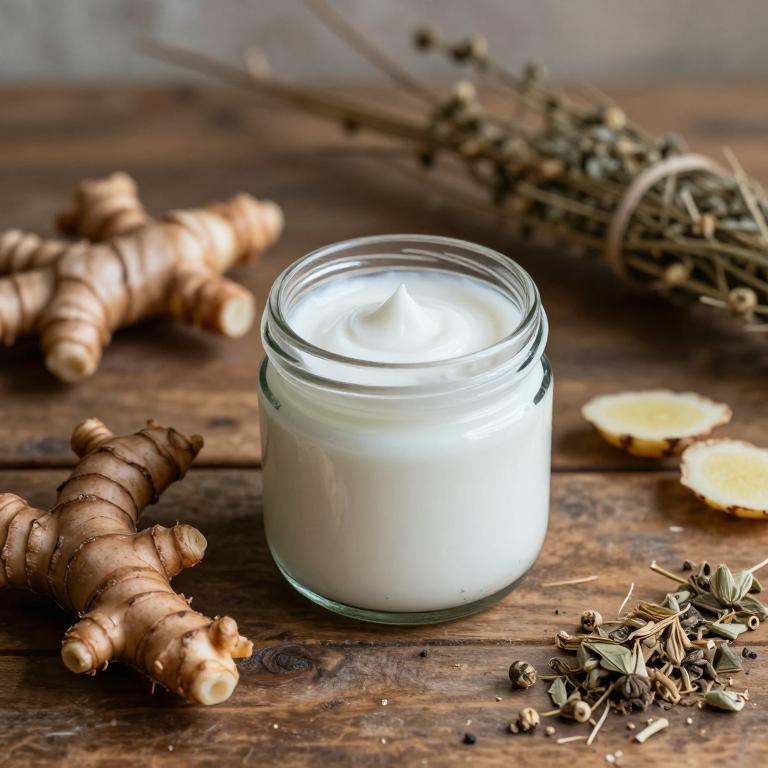
Zingiber officinale, commonly known as ginger, has been traditionally used for its anti-inflammatory and analgesic properties, making it a potential ingredient in herbal creams for itchy ears.
These creams often incorporate ginger extract to soothe irritation and reduce redness, offering a natural alternative to conventional treatments. The warming effect of ginger can help alleviate discomfort while promoting circulation in the ear area. However, it is important to ensure that the cream is suitable for sensitive skin and does not cause further irritation.
As with any topical treatment, consulting a healthcare professional is recommended before use, especially for individuals with known allergies or skin conditions.
3. Aloe vera (Aloe barbadensis)
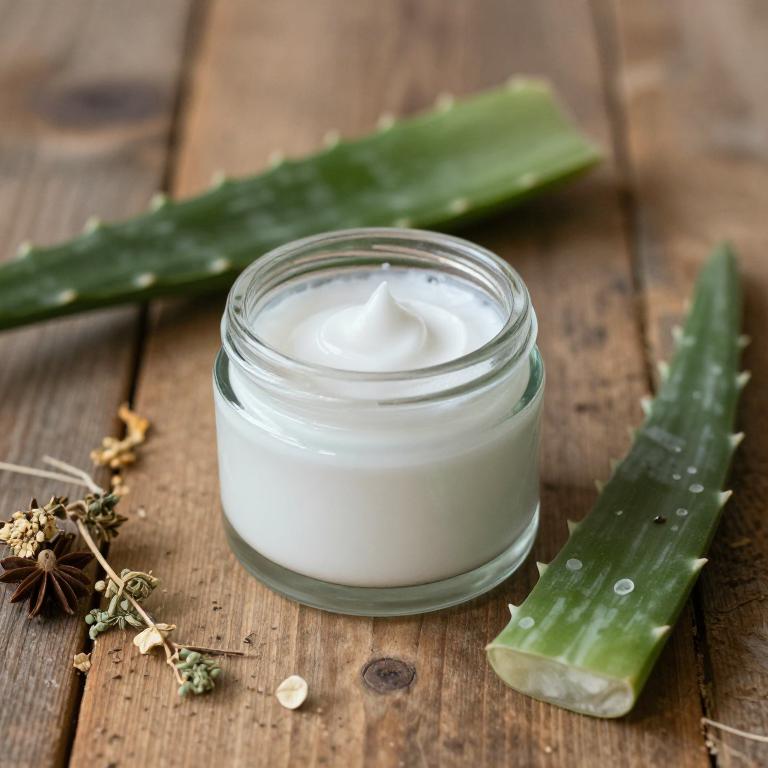
Aloe barbadensis, commonly known as aloe vera, is often used in herbal creams for its soothing and healing properties.
These creams can be particularly beneficial for alleviating itchy ears, as aloe vera has natural anti-inflammatory and antimicrobial qualities. When applied gently to the affected area, the cream helps to reduce irritation and promote skin healing. It is important to ensure that the cream is specifically formulated for sensitive areas like the ears to avoid any adverse reactions.
Many people find relief from persistent ear itching by incorporating aloe-based creams into their skincare routine.
4. English lavender (Lavandula angustifolia)
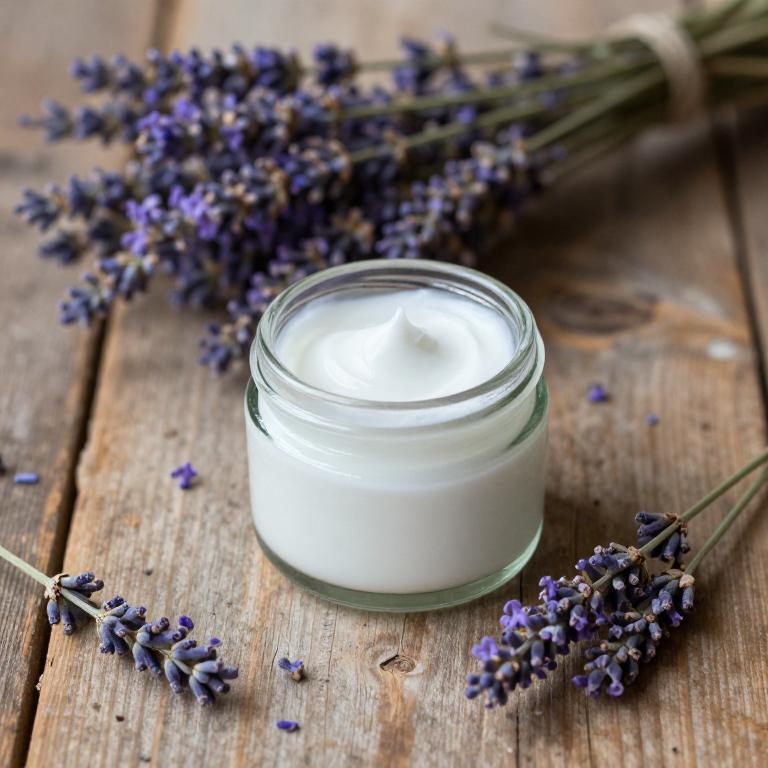
Lavandula angustifolia, commonly known as English lavender, is often used in herbal creams for its soothing and anti-inflammatory properties.
These creams can be particularly effective for itchy ears, as lavender has natural antiseptic and calming effects that help reduce irritation and inflammation. The essential oils in lavender are typically infused into a moisturizing base, making the cream gentle enough for sensitive ear areas. Regular application of lavender-infused creams may provide relief from conditions such as eczema or fungal infections that contribute to ear itching.
However, it is advisable to consult a healthcare professional before using any herbal remedy, especially if the itching persists or is accompanied by other symptoms.
5. Marigold (Calendula officinalis)
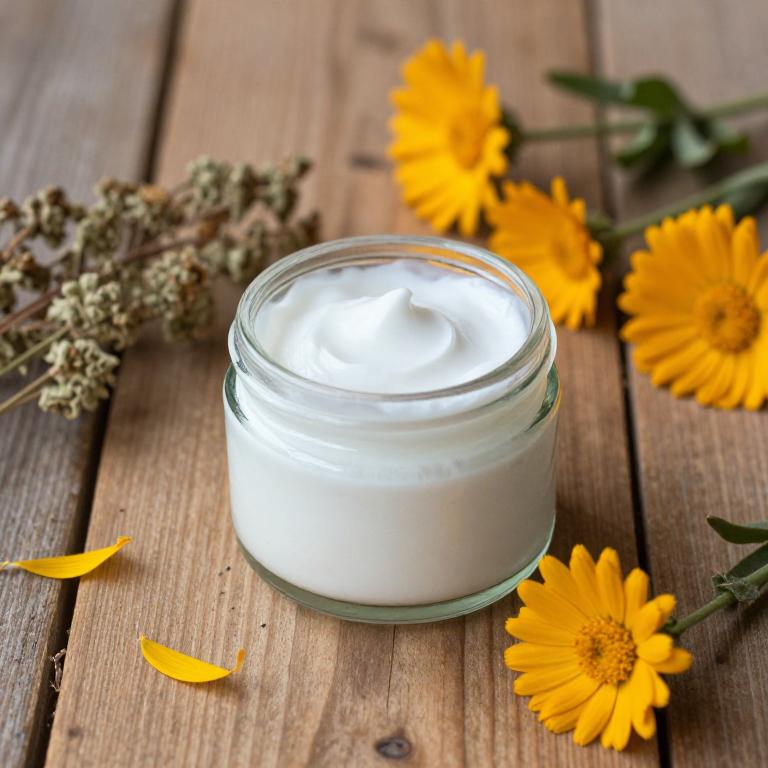
Calendula officinalis, commonly known as pot marigold, is a medicinal plant often used in herbal creams for its soothing and anti-inflammatory properties.
These creams are particularly beneficial for individuals suffering from itchy ears, as they can help reduce irritation and promote healing. The active compounds in calendula, such as flavonoids and triterpenes, have been shown to have antimicrobial and skin-soothing effects. When applied topically, calendula-based creams can provide relief from redness, swelling, and discomfort associated with ear conditions.
However, it is important to consult a healthcare professional before use, especially if the itching is due to an infection or allergy.
6. Stinging nettle (Urtica dioica)
Urtica dioica, commonly known as stinging nettle, has been traditionally used in herbal remedies for its anti-inflammatory and soothing properties.
When incorporated into creams, it can provide relief for itchy ears caused by conditions such as eczema, allergies, or infections. The active compounds in stinging nettle, such as flavonoids and antioxidants, help reduce irritation and promote skin healing. However, it is important to consult a healthcare professional before using any herbal cream, especially if you have sensitive skin or existing ear conditions.
Proper application and patch testing are recommended to ensure safety and effectiveness.
7. Lemon grass (Cymbopogon citratus)
Cymbopogon citratus, commonly known as lemon grass, is a versatile herbal ingredient often used in natural remedies due to its soothing and anti-inflammatory properties.
When incorporated into herbal creams, it can provide relief for itchy ears by reducing irritation and redness. These creams are typically made with a base of coconut oil or shea butter, which helps to moisturize and protect the delicate skin of the ear canal. The essential oils from lemon grass have a calming effect, making them suitable for individuals seeking a gentle, non-chemical alternative to conventional ear treatments.
However, it is important to consult a healthcare professional before using any herbal remedy, especially if the itching is persistent or accompanied by other symptoms.
8. Chaste tree (Vitex agnus-castus)
Vitex agnus-castus, commonly known as chasteberry, is a herbal remedy that has been traditionally used for its potential soothing and anti-inflammatory properties.
When formulated into creams, it may offer relief for itchy ears by reducing irritation and promoting skin healing. These creams are often made with a base of natural oils and other calming herbs, making them a gentle option for sensitive ear areas. While scientific evidence supporting its efficacy for ear itching is limited, many users report positive results from using vitex-based creams.
As with any topical treatment, it is advisable to consult a healthcare professional before use, especially if the itching is persistent or accompanied by other symptoms.
9. Chamomile (Matricaria chamomilla)
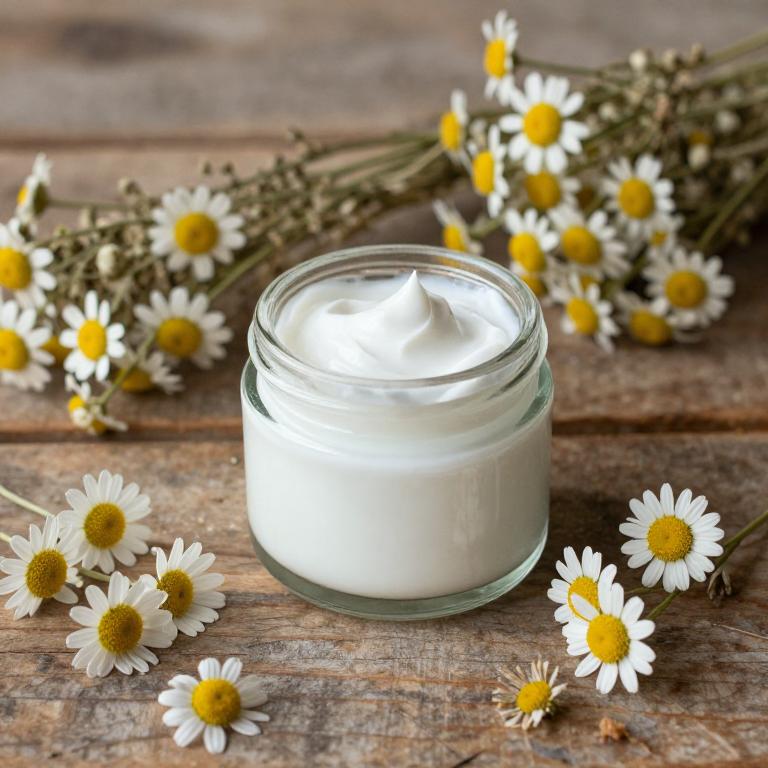
Matricaria chamomilla, commonly known as chamomile, is a gentle herbal ingredient often used in the formulation of creams designed to soothe itchy ears.
These creams typically contain chamomile extract, which is known for its anti-inflammatory and antiseptic properties, making it effective in reducing irritation and redness. The calming effect of chamomile can provide relief from the discomfort of ear itching caused by conditions such as eczema or fungal infections. When applied carefully, these creams can help promote healing and prevent further irritation without causing harm to the delicate ear skin.
However, it is important to consult a healthcare professional before using any herbal cream, especially if the itching persists or is accompanied by other symptoms.
10. German chamomile (Chamomilla recutita)
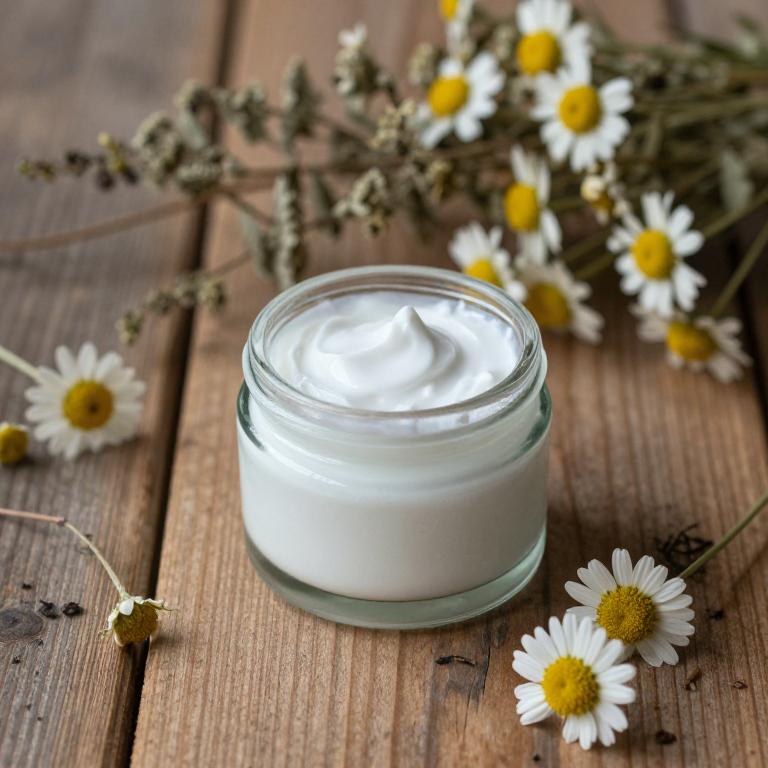
Chamomilla recutita, commonly known as German chamomile, is a popular herbal ingredient used in the formulation of creams designed to relieve itchy ears.
These creams often contain chamomile extract, which is known for its anti-inflammatory and soothing properties. The calming effect of chamomile can help reduce irritation and redness associated with conditions like eczema or infections in the ear canal. When applied gently, chamomile-based creams may provide natural relief without the side effects of some synthetic medications.
However, it is important to consult a healthcare professional before using such creams, especially if the itching is persistent or accompanied by other symptoms.