10 Best Herbal Capsules For Insomnia
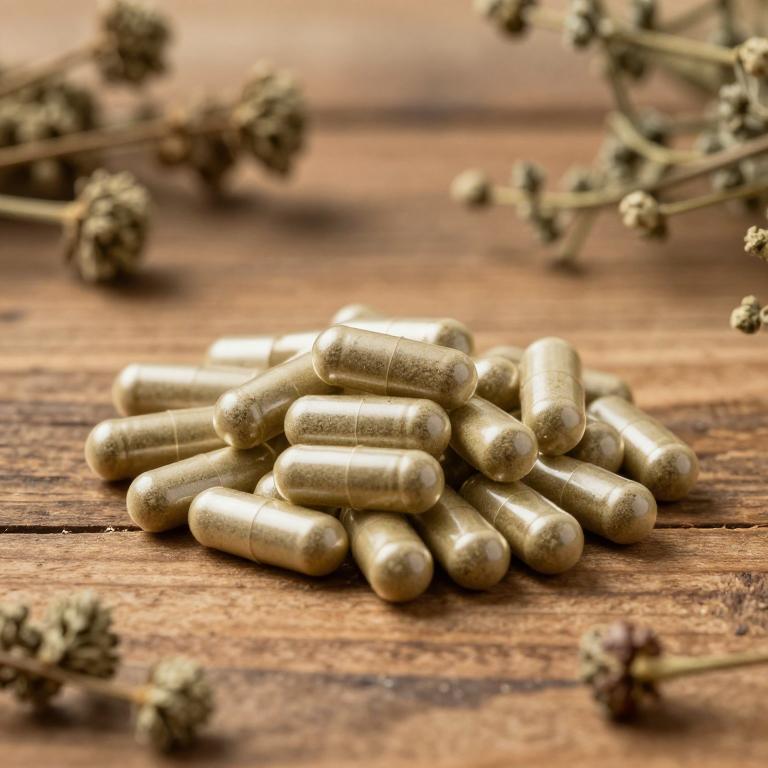
Herbal capsules for insomnia are a popular natural alternative to conventional sleep medications, often containing ingredients like valerian root, chamomile, and passionflower, which are known for their calming effects.
These capsules are typically made from plant-based extracts and are designed to promote relaxation and improve sleep quality without the risk of dependency. They are widely available over-the-counter and are considered safe for most adults when used as directed. However, their effectiveness can vary depending on the individual and the specific herbal blend, so it's important to consult a healthcare provider before starting any new supplement regimen.
Despite their benefits, herbal capsules should not replace professional medical advice, especially for individuals with chronic sleep disorders.
Table of Contents
- 1. Valerian (Valeriana officinalis)
- 2. Maypop (Passiflora incarnata)
- 3. Nux vomica (Strychnos nux-vomica)
- 4. Chinese date (Ziziphus jujuba)
- 5. Sweet almond (Prunus dulcis)
- 6. Hops (Humulus lupulus)
- 7. Corydalis (Corydalis cava)
- 8. Licorice (Glycyrrhiza glabra)
- 9. Lemon balm (Melissa officinalis)
- 10. Ashwagandha (Withania somnifera)
1. Valerian (Valeriana officinalis)
Valeriana officinalis, commonly known as valerian, is a traditional herbal remedy that has been used for centuries to address sleep disorders and promote relaxation.
Valerian root herbal capsules are a popular supplement form that contains the active compounds responsible for its calming effects, such as valerenic acid and isovaleric acid. These capsules are often recommended for individuals suffering from insomnia due to their ability to enhance the effects of GABA, a neurotransmitter that reduces neuronal excitability. Clinical studies suggest that valerian may help improve sleep quality and reduce the time it takes to fall asleep, though results can vary among individuals.
As with any supplement, it is advisable to consult a healthcare professional before use, especially if you are taking other medications or have underlying health conditions.
2. Maypop (Passiflora incarnata)
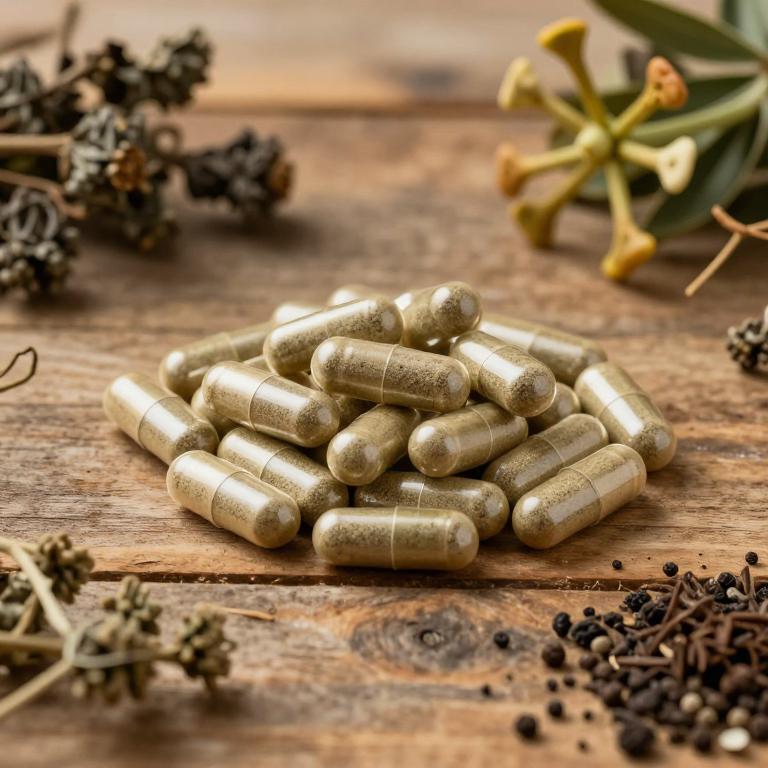
Passiflora incarnata, commonly known as passionflower, is a herbal remedy often used to support sleep and alleviate symptoms of insomnia.
The plant contains compounds such as flavonoids and alkaloids that may promote relaxation and reduce anxiety, which are common contributors to sleep difficulties. Herbal capsules of Passiflora incarnata are typically standardized to ensure consistent potency and are available in various dosages for different needs. Clinical studies suggest that passionflower may improve sleep quality and reduce the time it takes to fall asleep when taken regularly.
As a natural alternative to pharmaceutical sleep aids, Passiflora incarnata capsules are often preferred by individuals seeking a gentler, holistic approach to managing insomnia.
3. Nux vomica (Strychnos nux-vomica)
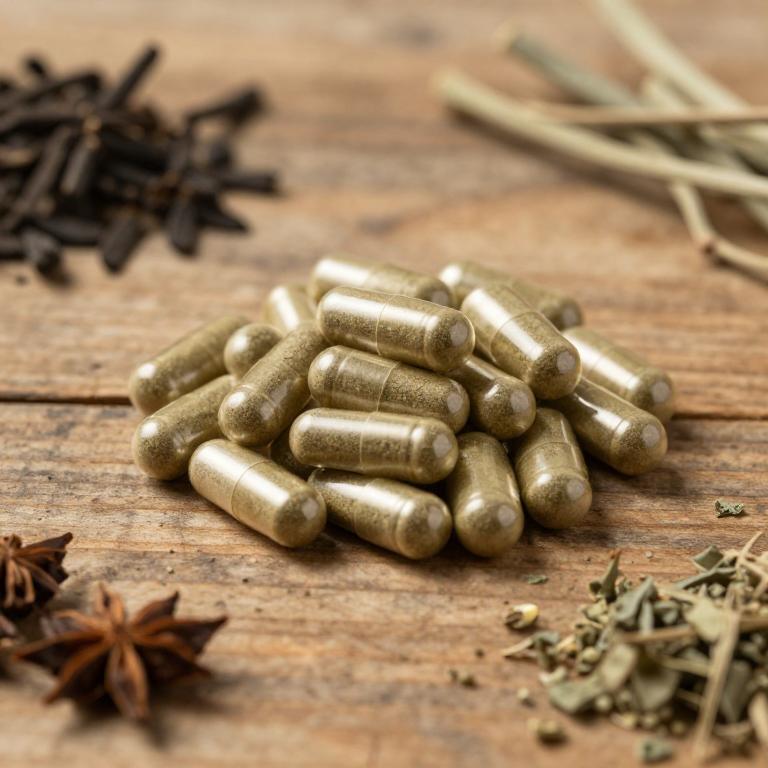
Strychnos nux-vomica, commonly known as the "devil’s tree," is a traditional Chinese medicinal plant that has been used for centuries to address various health conditions, including insomnia.
The herbal capsules derived from its seeds contain bioactive compounds such as strychnine and brucine, which are known for their stimulating and sedative properties. While some traditional practices use these compounds to promote relaxation and improve sleep quality, they are also highly toxic in large doses, making their use potentially dangerous. Due to the risk of poisoning and adverse effects, the use of Strychnos nux-vomica capsules for insomnia is not recommended without strict medical supervision.
Modern herbal formulations often avoid this plant due to its toxicity, favoring safer alternatives for managing sleep disorders.
4. Chinese date (Ziziphus jujuba)
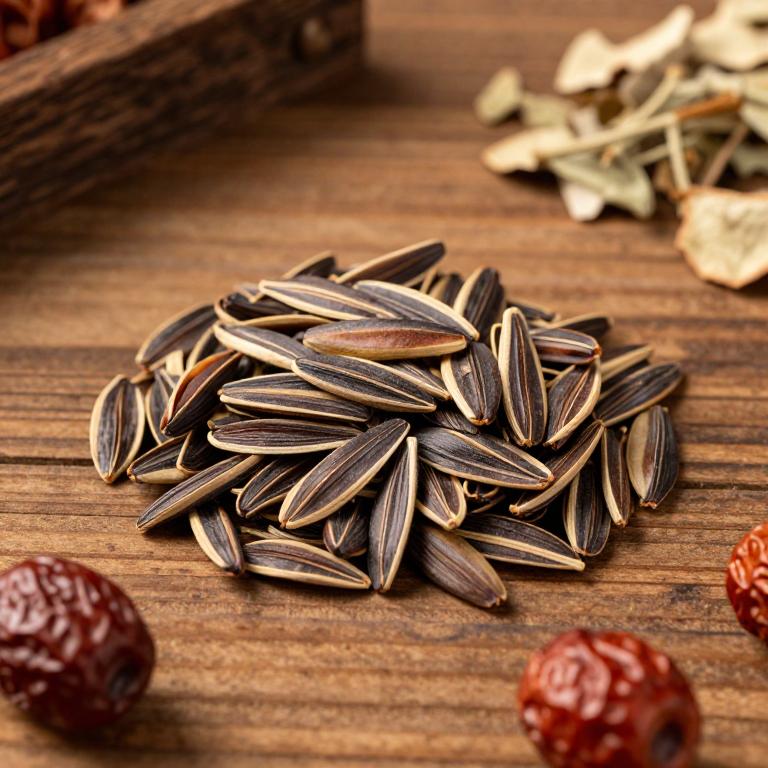
Ziziphus jujuba, commonly known as the Chinese date, has been traditionally used in herbal medicine for its calming properties, particularly for treating insomnia.
The herbal capsules derived from its seeds contain compounds like saponins and flavonoids, which are believed to promote relaxation and improve sleep quality. These capsules are often used as a natural alternative to pharmaceutical sleep aids, offering a gentler approach with fewer side effects. Many users report improved sleep duration and reduced anxiety when taking Ziziphus jujuba capsules regularly.
However, it is important to consult with a healthcare provider before use, especially for individuals with existing health conditions or those taking other medications.
5. Sweet almond (Prunus dulcis)
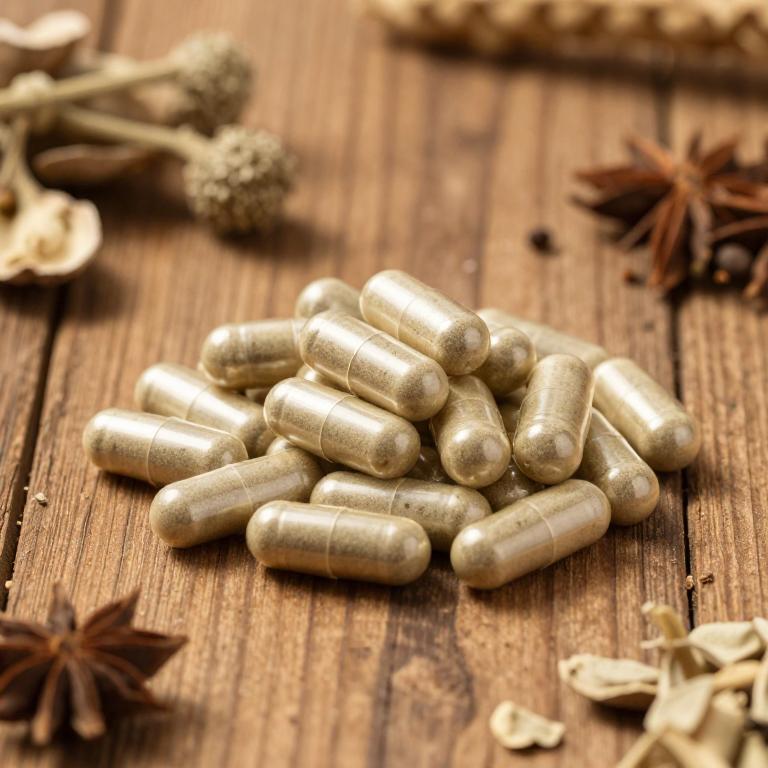
Prunus dulcis, commonly known as the sweet almond tree, has been traditionally used for its calming effects, making it a potential natural remedy for insomnia.
The herbal capsules containing Prunus dulcis are often formulated to support restful sleep by promoting relaxation and reducing anxiety. These capsules may contain extracts from the seeds or flowers of the plant, which are rich in nutrients like magnesium and vitamin E. While some studies suggest that the compounds in Prunus dulcis may help regulate sleep patterns, more research is needed to confirm its efficacy for insomnia.
As with any herbal supplement, it is advisable to consult a healthcare professional before use, especially if you are taking other medications or have underlying health conditions.
6. Hops (Humulus lupulus)
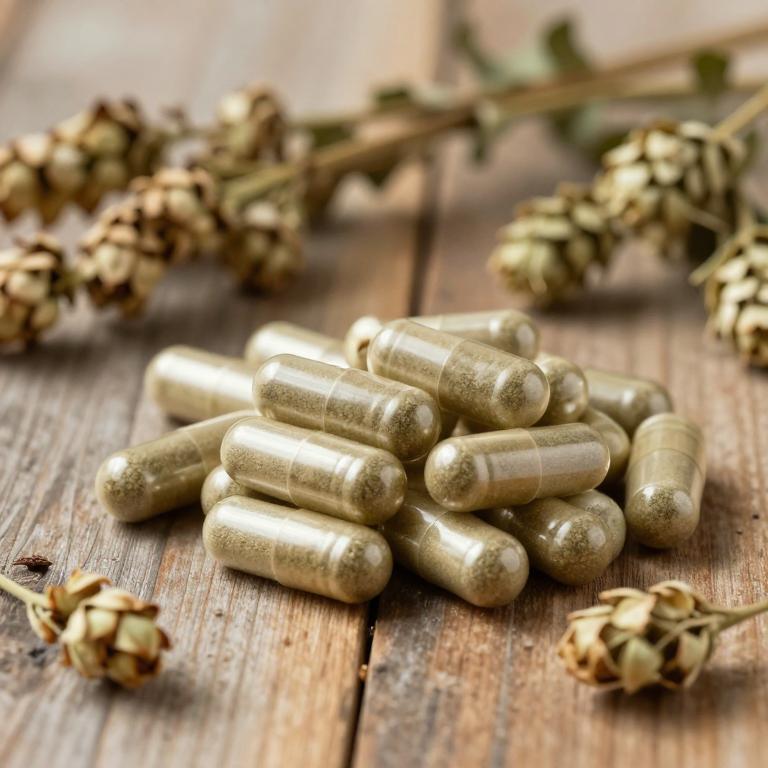
Humulus lupulus, commonly known as hops, has been traditionally used for its calming properties, and herbal capsules containing this plant are increasingly being explored for their potential benefits in managing insomnia.
These capsules are often formulated to support relaxation and promote better sleep quality by interacting with the central nervous system. The active compounds in hops, such as humulene and lupulins, may help reduce anxiety and ease the transition into sleep. While research is still emerging, some studies suggest that hops may offer a natural alternative for individuals seeking non-pharmacological solutions for sleep disorders.
However, it is important to consult with a healthcare professional before using hops supplements, especially for those with existing medical conditions or taking other medications.
7. Corydalis (Corydalis cava)

Corydalis cava herbal capsules are a traditional remedy used to support sleep and alleviate insomnia by promoting relaxation and reducing anxiety.
These capsules contain standardized extracts of Corydalis cava, a herb known for its sedative and calming properties in traditional Chinese medicine. The active compounds in Corydalis cava, such as tetrahydrocannabinol (THC) and other alkaloids, may help regulate the nervous system and improve sleep quality. Many users report improved sleep duration and reduced nighttime awakenings when taking these capsules regularly.
However, it is important to consult with a healthcare professional before use, especially for individuals with existing health conditions or those taking other medications.
8. Licorice (Glycyrrhiza glabra)
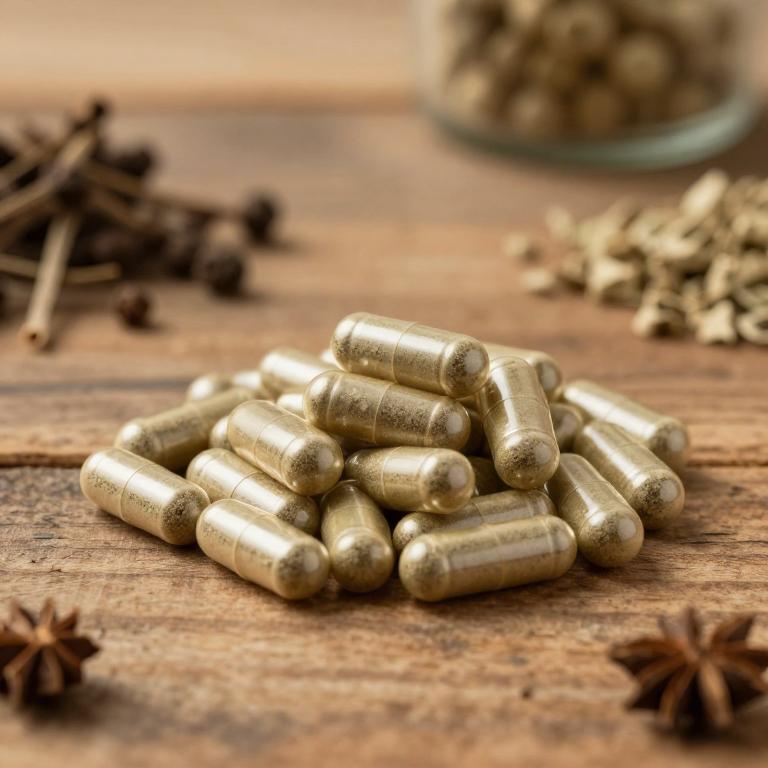
Glycyrrhiza glabra, commonly known as licorice root, has been traditionally used in herbal medicine for its potential calming effects on the nervous system.
When formulated into capsules, glycyrrhiza glabra may help support sleep by reducing stress and anxiety, which are common contributors to insomnia. The herb contains compounds such as glycyrrhizin and flavonoids that may influence neurotransmitter activity and promote relaxation. However, it is important to note that while some studies suggest possible benefits, more research is needed to confirm its efficacy for insomnia.
As with any herbal supplement, it should be used under the guidance of a healthcare professional to ensure safety and appropriateness for individual health conditions.
9. Lemon balm (Melissa officinalis)
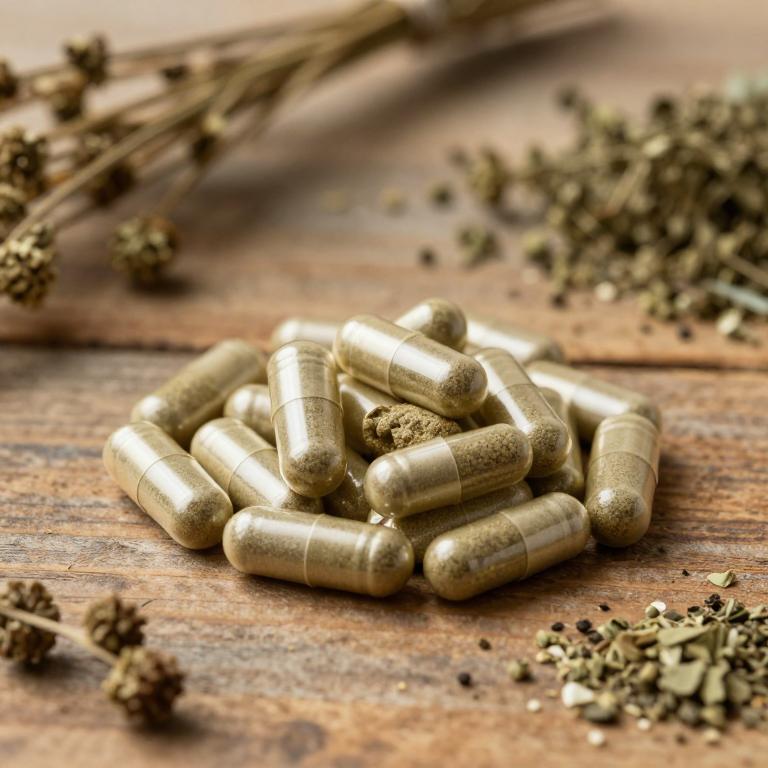
Melissa officinalis, commonly known as lemon balm, is a popular herbal remedy used for its calming properties, particularly in addressing insomnia.
When formulated into herbal capsules, it offers a convenient and standardized way to consume this adaptogen, which is believed to support relaxation and reduce anxiety. Clinical studies suggest that Melissa officinalis may help improve sleep quality by promoting a sense of tranquility and reducing restlessness. These capsules are often recommended for individuals seeking a natural alternative to conventional sleep aids, especially those who prefer to avoid pharmaceutical interventions.
As with any supplement, it is advisable to consult a healthcare professional before use, especially for those with existing health conditions or who are taking other medications.
10. Ashwagandha (Withania somnifera)
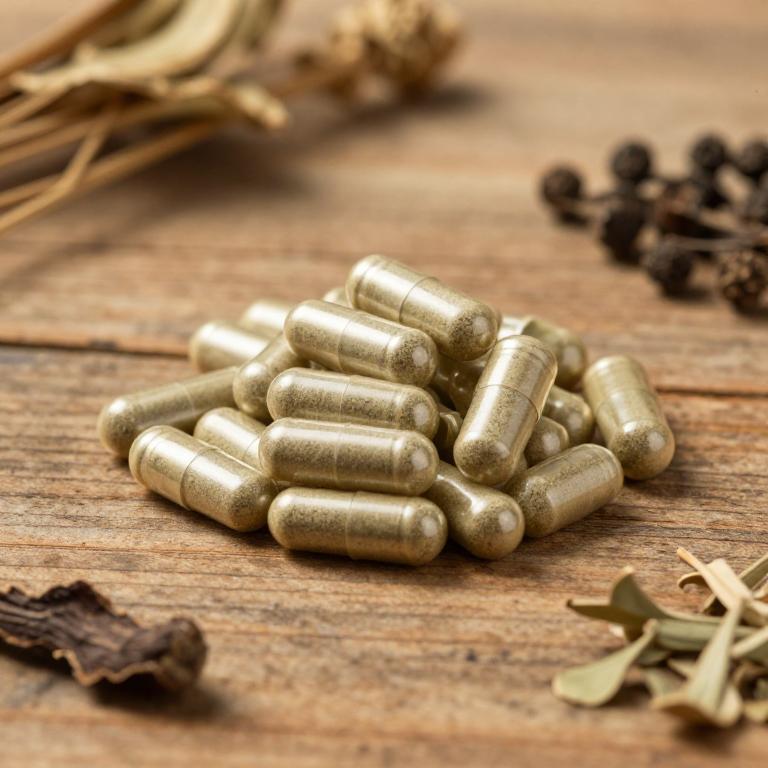
Withania somnifera, commonly known as ashwagandha, is an adaptogenic herb traditionally used in Ayurvedic medicine to promote relaxation and improve sleep quality.
Herbal capsules containing Withania somnifera are increasingly popular for their potential to alleviate symptoms of insomnia by reducing stress and anxiety, which are common contributors to sleep disturbances. Studies suggest that the active compounds in ashwagandha, such as withanolides, may regulate cortisol levels and enhance the body's ability to cope with stress, thereby supporting better sleep. These capsules are generally considered safe when taken as directed, though they may interact with certain medications or exacerbate conditions like hypothyroidism.
As a natural remedy, Withania somnifera capsules offer a holistic approach to managing insomnia, complementing conventional treatments and promoting overall well-being.