10 Best Herbal Lotions For Insect Bites
Herbal lotions for insect bites are natural remedies that combine soothing herbs with moisturizing ingredients to provide relief from itching and irritation.
Common herbs such as chamomile, calendula, and lavender are often included for their anti-inflammatory and antiseptic properties. These lotions can help reduce redness, swelling, and discomfort caused by mosquito, tick, or flea bites. They are particularly appealing to those seeking alternative or complementary treatments to conventional antihistamines and corticosteroids.
Using a herbal lotion can also promote faster healing and prevent potential skin infections.
Table of Contents
- 1. Marigold (Calendula officinalis)
- 2. English lavender (Lavandula angustifolia)
- 3. St. john's wort (Hypericum perforatum)
- 4. Ginger (Zingiber officinale)
- 5. Stinging nettle (Urtica dioica)
- 6. Aloe vera (Aloe barbadensis)
- 7. Chaste tree (Vitex agnus-castus)
- 8. Chamomile (Matricaria chamomilla)
- 9. Yarrow (Achillea millefolium)
- 10. German chamomile (Chamomilla recutita)
1. Marigold (Calendula officinalis)
Calendula officinalis herbal lotions are widely used for their soothing and anti-inflammatory properties, making them effective for relieving the discomfort of insect bites.
These lotions contain extracts from the flowers of the calendula plant, which are known to promote skin healing and reduce redness and swelling. The natural compounds in calendula, such as flavonoids and triterpenes, help to calm irritated skin and prevent infection. Applying calendula lotion to insect bites can provide relief from itching and irritation while supporting the skin's natural recovery process.
Due to its gentle nature, calendula officinalis is suitable for sensitive skin and can be used as a safe alternative to conventional antihistamines or corticosteroid creams.
2. English lavender (Lavandula angustifolia)
Lavandula angustifolia, commonly known as English lavender, is often used in herbal lotions for its soothing and calming properties.
These lotions are particularly effective for alleviating the discomfort caused by insect bites, such as redness, swelling, and itching. The natural anti-inflammatory and antiseptic compounds in lavender help to reduce irritation and promote faster healing. Additionally, the pleasant aroma of lavender can help ease the mind and provide a sense of relaxation during recovery.
Using lavender-based herbal lotions is a safe and natural alternative for those seeking relief from insect bite symptoms without harsh chemicals.
3. St. john's wort (Hypericum perforatum)

Hypericum perforatum, commonly known as St. John's Wort, is often used in herbal lotions to alleviate the symptoms of insect bites.
These lotions typically contain extracts of the plant's leaves and flowers, which are known for their anti-inflammatory and antiseptic properties. When applied topically, they can help reduce redness, swelling, and itching caused by bites from mosquitoes, fleas, or ticks. The active compounds in Hypericum perforatum, such as hyperforin and hypericin, contribute to its soothing effects on the skin.
However, it is important to consult a healthcare provider before using these lotions, especially if you are on medications, as St. John's Wort can interact with certain drugs.
4. Ginger (Zingiber officinale)
Zingiber officinale, commonly known as ginger, is often incorporated into herbal lotions for its natural anti-inflammatory and soothing properties.
These lotions are typically formulated with freshly extracted ginger essential oil or powdered ginger root to provide a cooling effect on the skin. When applied to insect bites, they can help reduce redness, swelling, and itching by promoting circulation and calming the skin's inflammatory response. The aromatic compounds in ginger also have a calming effect that may help ease the discomfort associated with bites.
As a natural alternative to chemical-based treatments, ginger herbal lotions offer a safe and effective option for those seeking gentle relief from insect bite irritation.
5. Stinging nettle (Urtica dioica)

Urtica dioica, commonly known as stinging nettle, is often used in herbal lotions to provide relief from insect bites due to its anti-inflammatory and soothing properties.
These lotions typically contain extracts of fresh or dried nettle leaves, which can help reduce swelling, itching, and redness associated with bites from mosquitoes, ticks, or other insects. The natural compounds in urtica dioica, such as histamine and serotonin, may counteract the effects of insect venom and promote skin healing. Many users find that applying a nettle-based lotion shortly after an insect bite can ease discomfort and prevent secondary infections.
However, it is important to perform a patch test before using any new herbal product to avoid potential allergic reactions.
6. Aloe vera (Aloe barbadensis)
Aloe barbadensis, commonly known as aloe vera, is often used in herbal lotions for its soothing and healing properties.
These lotions are particularly effective for treating insect bites, as they help reduce redness, swelling, and irritation caused by the bite. The gel-like substance in aloe vera has anti-inflammatory and antimicrobial qualities that promote faster healing and prevent infection. Many natural remedies incorporate aloe vera into their formulations to provide a gentle, plant-based solution for skin discomfort.
Using aloe-based lotions can be a safe and effective alternative to chemical-laden treatments, especially for those with sensitive skin.
7. Chaste tree (Vitex agnus-castus)
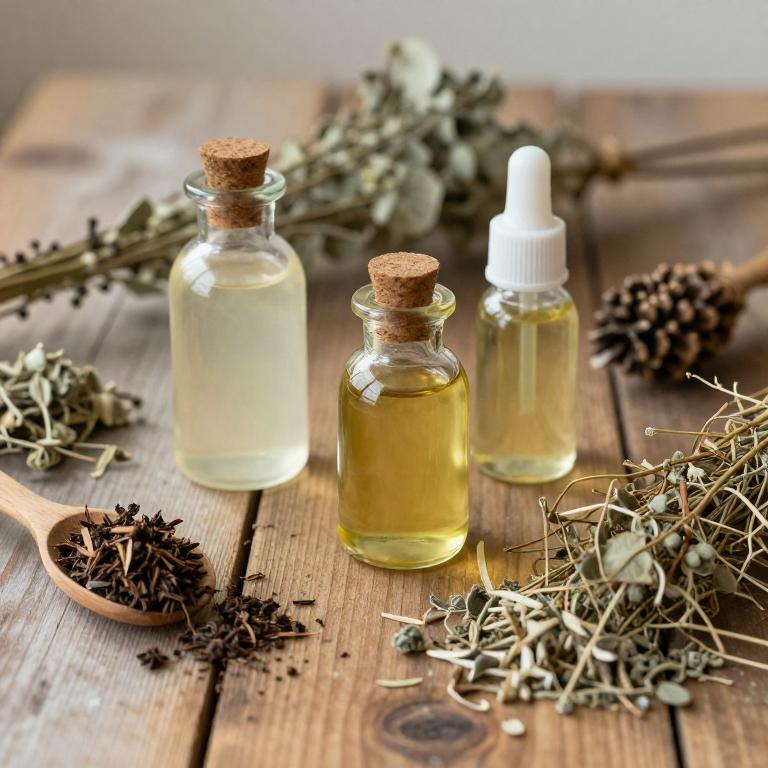
Vitex agnus-castus, commonly known as chaste tree, is often used in herbal lotions for its potential anti-inflammatory and soothing properties.
These lotions may help alleviate the discomfort associated with insect bites by reducing redness, swelling, and itching. While not a substitute for conventional treatments, vitex-based products are considered a natural alternative for those seeking herbal remedies. The essential oils and extracts from vitex are believed to support the body's natural healing processes.
However, it is important to consult with a healthcare professional before using these lotions, especially for individuals with sensitive skin or allergies.
8. Chamomile (Matricaria chamomilla)
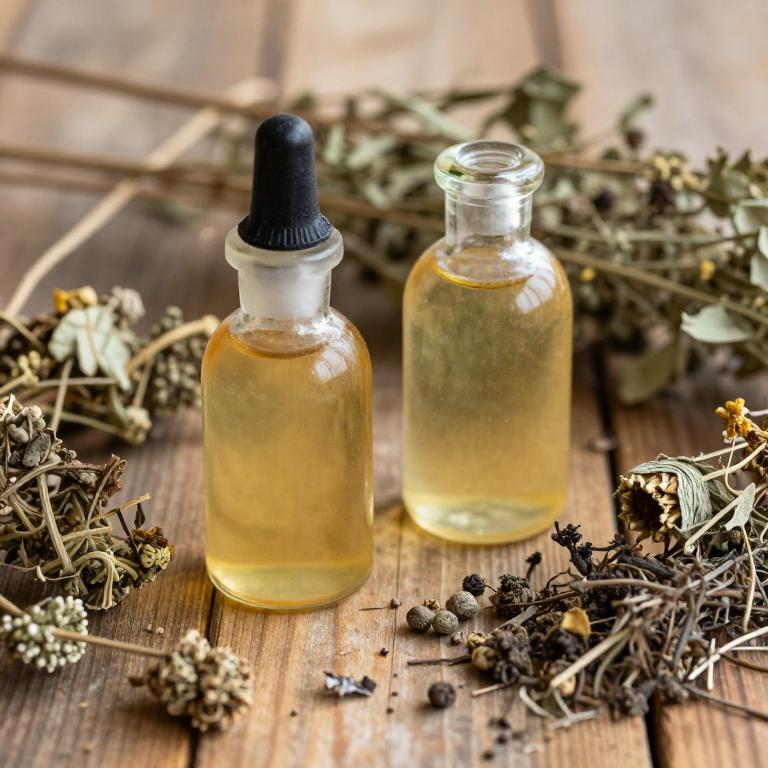
Matricaria chamomilla, commonly known as chamomile, is a popular herbal ingredient used in the formulation of soothing lotions for insect bites.
These lotions are valued for their calming and anti-inflammatory properties, which help to alleviate redness, swelling, and itching associated with bites from mosquitoes, fleas, or ticks. Chamomile contains compounds like bisabolol and chamazulene, which have demonstrated natural antihistamine and skin-soothing effects. When applied topically, chamomile-based lotions can provide rapid relief and promote faster healing of irritated skin.
As a gentle, plant-based alternative to chemical-laden treatments, chamomile lotions are often recommended for use in children and sensitive skin.
9. Yarrow (Achillea millefolium)

Achillea millefolium, commonly known as yarrow, is a herb traditionally used for its soothing and anti-inflammatory properties.
Herbal lotions made from yarrow can be applied topically to insect bite sites to help reduce redness, swelling, and irritation. These lotions often contain extracts of the plant’s leaves and flowers, which are rich in essential oils and flavonoids. Yarrow’s natural antiseptic qualities may also help prevent infection in minor skin irritations caused by insect bites.
When used as part of a natural first-aid approach, achillea millefolium herbal lotions offer a gentle and effective remedy for alleviating discomfort from bug bites.
10. German chamomile (Chamomilla recutita)
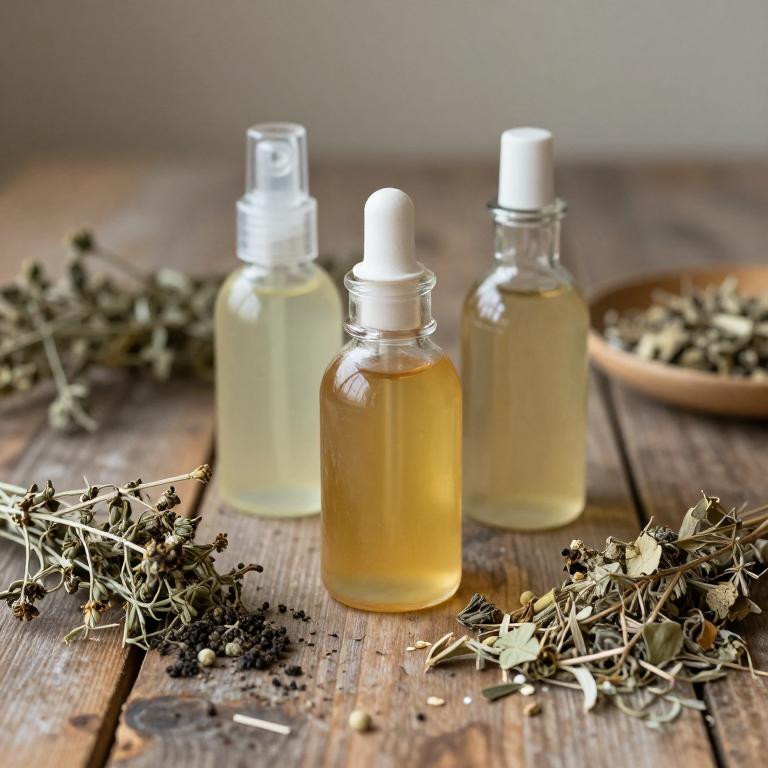
Chamomilla recutita, commonly known as German chamomile, is widely used in herbal lotions for its soothing and anti-inflammatory properties.
These lotions are particularly effective for relieving the irritation, redness, and swelling associated with insect bites. The active compounds in chamomile, such as bisabolol and chamazulene, help reduce itching and promote skin healing. Applying a chamomilla recutita herbal lotion can provide natural relief without the use of harsh chemicals.
Due to its calming effects, it is a popular choice for those seeking gentle, alternative remedies for insect bite discomfort.