10 Best Herbal Capsules For Insect Bites
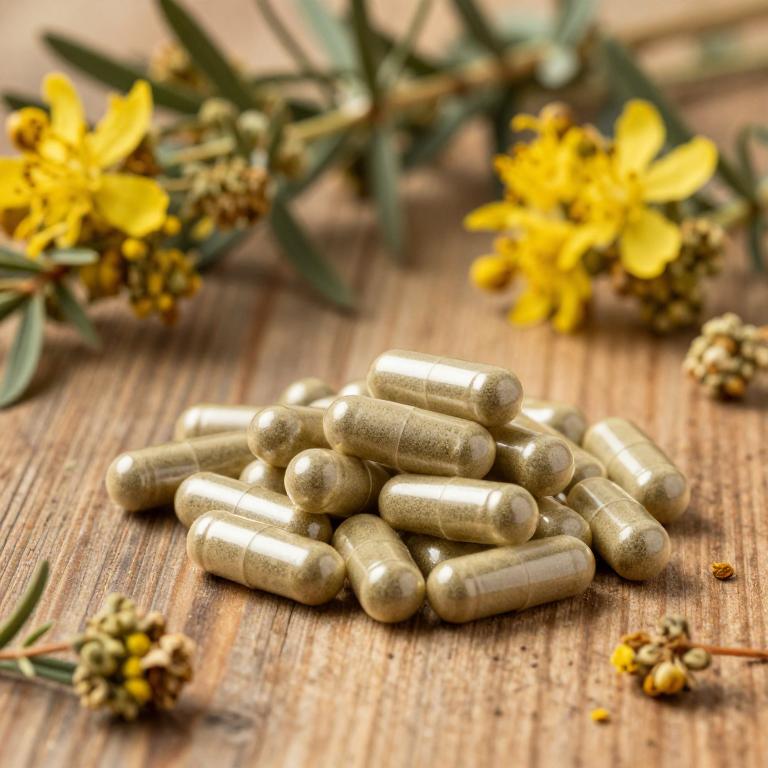
Herbal capsules for insect bites are natural remedies that contain plant-based ingredients known for their anti-inflammatory and antihistamine properties.
These capsules often include herbs such as chamomile, calendula, and neem, which have been traditionally used to soothe skin irritation and reduce itching. They are a popular alternative to chemical-based treatments, especially for those seeking holistic or organic solutions. Herbal capsules can be taken orally or applied topically, depending on the formulation, to provide relief from the discomfort of insect bites.
While they may not replace prescription medications for severe reactions, they can be a useful complementary approach for mild to moderate symptoms.
Table of Contents
- 1. St. john's wort (Hypericum perforatum)
- 2. English lavender (Lavandula angustifolia)
- 3. Stinging nettle (Urtica dioica)
- 4. Yarrow (Achillea millefolium)
- 5. Echinacea (Echinacea purpurea)
- 6. Marigold (Calendula officinalis)
- 7. German chamomile (Chamomilla recutita)
- 8. Smooth sumac (Rhus typhina)
- 9. Common mallow (Symphytum officinale)
- 10. Common plantain (Plantago major)
1. St. john's wort (Hypericum perforatum)
Hypericum perforatum, commonly known as St. John's Wort, is a herbal plant that has been traditionally used for its potential anti-inflammatory and antiseptic properties.
While it is primarily known for its use in treating mild depression, some studies suggest that it may also have applications in alleviating symptoms associated with insect bites, such as itching and inflammation. Hypericum perforatum herbal capsules are often taken orally to support the body's natural healing process after an insect bite. However, it is important to note that these capsules should not replace conventional treatments for severe allergic reactions or infections resulting from insect bites.
Always consult with a healthcare professional before using St. John's Wort, especially if you are on other medications, as it can interact with various drugs.
2. English lavender (Lavandula angustifolia)
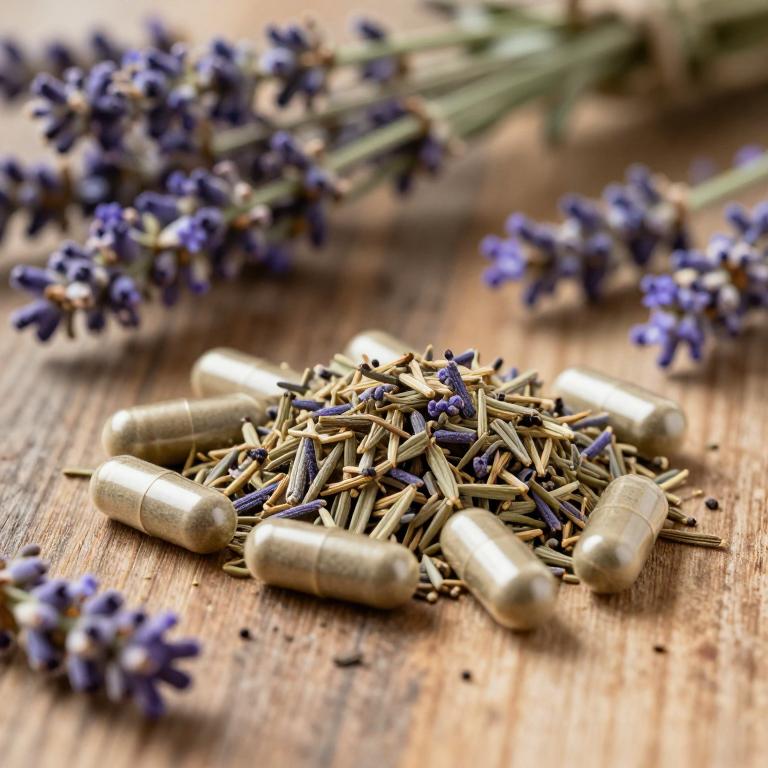
Lavandula angustifolia, commonly known as English lavender, is often used in herbal capsules to alleviate the symptoms of insect bites due to its calming and anti-inflammatory properties.
These capsules typically contain standardized extracts of lavender essential oil and dried lavender flowers, which are known for their soothing effects. When applied topically or taken internally, lavender helps reduce redness, swelling, and itching associated with insect bites. Its natural antiseptic qualities also help prevent infection and promote faster healing.
Many people find lavender herbal capsules to be a safe and effective natural remedy for minor insect bite discomfort.
3. Stinging nettle (Urtica dioica)

Urtica dioica, commonly known as stinging nettle, is a herbal remedy that has been traditionally used to alleviate the symptoms of insect bites.
The capsules contain standardized extracts of the plant, which are rich in anti-inflammatory and antihistamine properties. These properties help reduce redness, swelling, and itching caused by insect bites. Urtica dioica capsules are typically taken orally or applied topically, depending on the formulation.
They are considered a natural alternative for those seeking relief from insect bite discomfort without the use of synthetic medications.
4. Yarrow (Achillea millefolium)
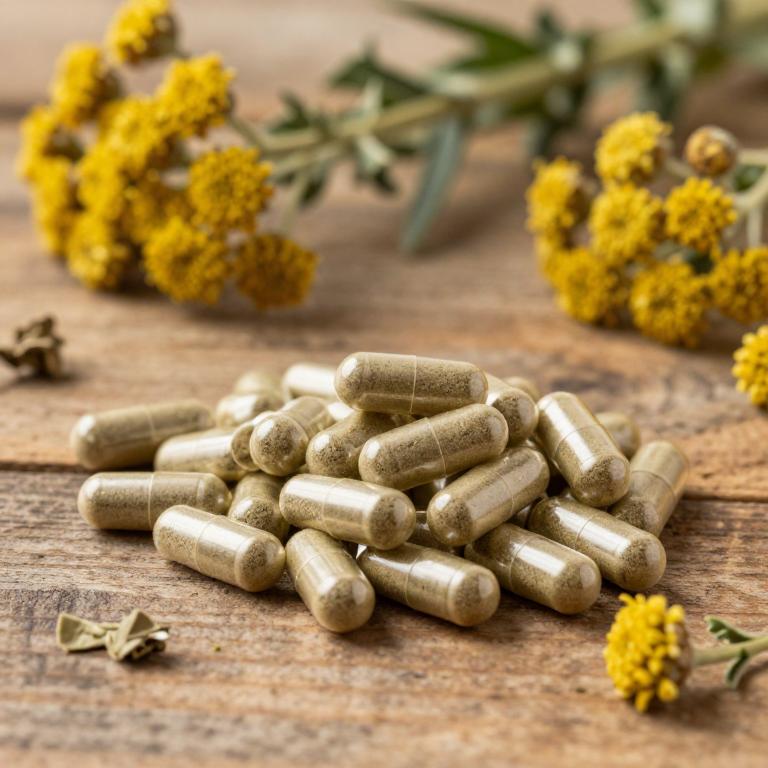
Achillea millefolium, commonly known as yarrow, is a traditional herbal remedy that has been used for centuries to address various ailments, including insect bites.
When formulated into herbal capsules, it provides a convenient and effective way to harness its natural properties. Yarrow contains compounds such as azulene and chamazulene, which have anti-inflammatory and antiseptic qualities that can help reduce swelling, redness, and irritation caused by insect bites. The capsules are typically standardized to ensure a consistent dose of active ingredients, making them a reliable choice for relief.
However, individuals with allergies to plants in the Asteraceae family should exercise caution and consult a healthcare professional before use.
5. Echinacea (Echinacea purpurea)
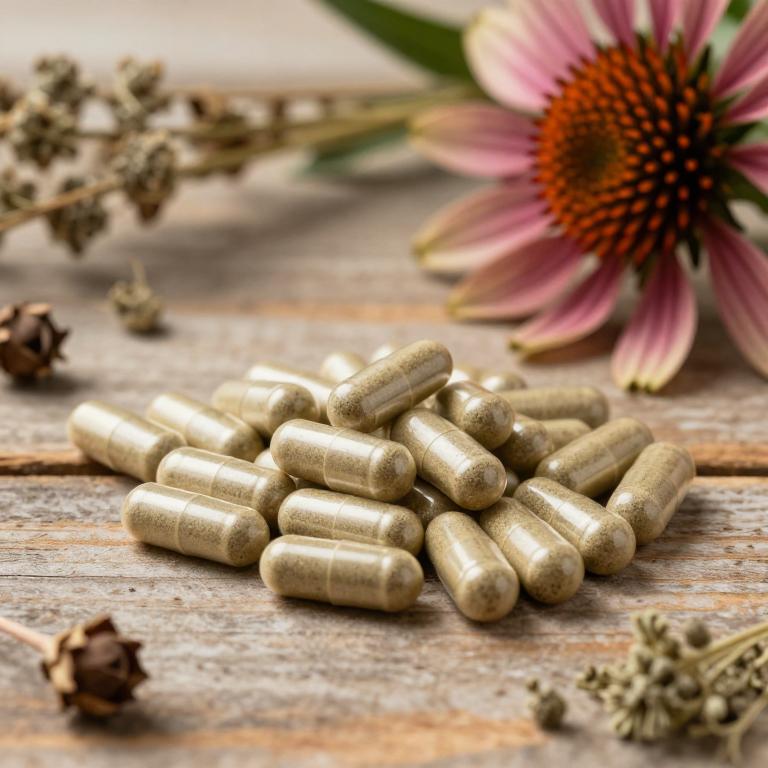
Echinacea purpurea herbal capsules are commonly used for their potential anti-inflammatory and immune-boosting properties, which may help reduce the severity of insect bite reactions.
These capsules contain standardized extracts of the purple coneflower, known for its traditional use in supporting the body's natural defenses. While echinacea is not a cure for insect bites, it may help alleviate symptoms such as swelling, redness, and itching when taken as part of a holistic approach to treatment. Some studies suggest that echinacea could reduce the duration of allergic reactions to insect bites, though more research is needed to confirm its efficacy.
It is important to consult a healthcare professional before using echinacea, especially for individuals with allergies or those taking other medications.
6. Marigold (Calendula officinalis)
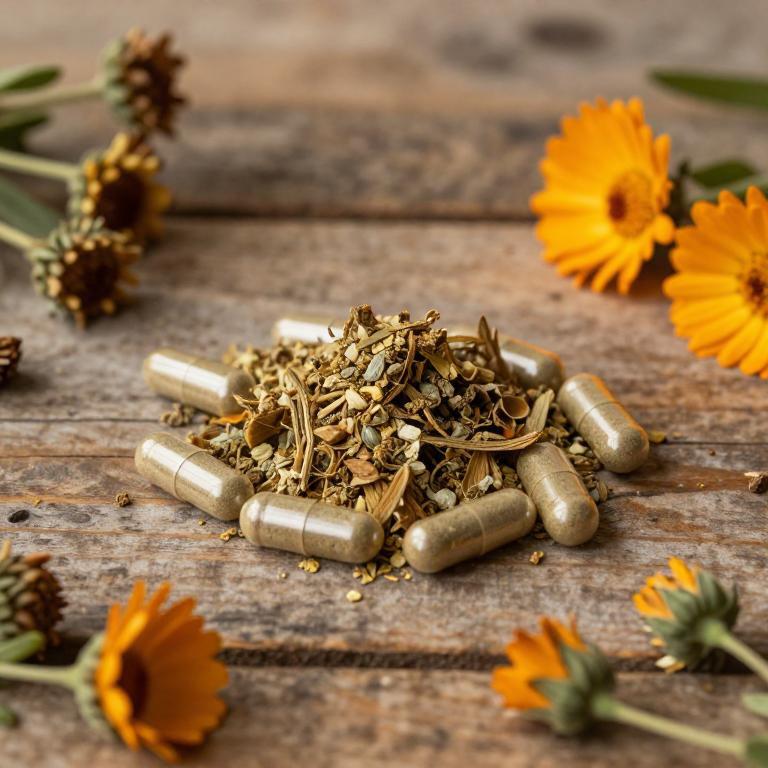
Calendula officinalis herbal capsules are a natural remedy commonly used to alleviate the symptoms of insect bites, such as swelling, redness, and itching.
These capsules contain standardized extracts of the calendula flower, known for their anti-inflammatory and antiseptic properties. When applied topically, calendula can help soothe the skin and promote healing by reducing irritation and preventing infection. Many people prefer these capsules over synthetic treatments due to their gentle, plant-based formulation.
However, it is important to consult with a healthcare professional before using calendula, especially for those with allergies or existing skin conditions.
7. German chamomile (Chamomilla recutita)
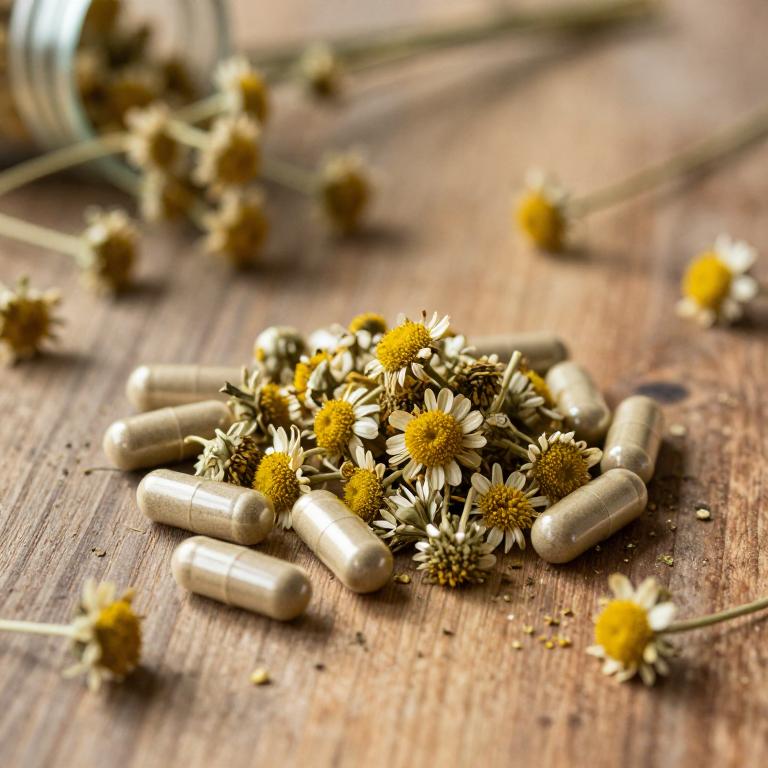
Chamomilla recutita herbal capsules are commonly used for their calming and anti-inflammatory properties, which can help alleviate the symptoms of insect bites.
These capsules contain the dried flowers of the chamomile plant, known for their soothing effects on the skin and reduction of irritation. When applied topically or taken internally, chamomilla recutita may help reduce redness, swelling, and itching caused by insect bites. It is often recommended as a natural alternative to over-the-counter antihistamines or corticosteroids.
However, it is important to consult a healthcare professional before use, especially for individuals with allergies or existing medical conditions.
8. Smooth sumac (Rhus typhina)

Rhus typhina, commonly known as staghorn sumac, is a herbal remedy that has been traditionally used for its anti-inflammatory and analgesic properties.
When formulated into herbal capsules, Rhus typhina may help alleviate the symptoms of insect bites by reducing swelling, redness, and itching. The active compounds in staghorn sumac, such as flavonoids and tannins, are believed to contribute to its soothing effects on the skin. However, it is important to consult with a healthcare professional before using Rhus typhina capsules, especially for individuals with allergies or those taking other medications.
While some people may find relief from insect bite discomfort with this herbal remedy, it should not replace conventional treatments for severe reactions.
9. Common mallow (Symphytum officinale)

Symphytum officinale, commonly known as comfrey, is a herbal plant often used in the form of capsules to support healing and reduce inflammation associated with insect bites.
These capsules are typically made from the roots or leaves of the plant and are rich in allantoin, which is known for its soothing and reparative properties. When applied topically or taken internally, Symphytum officinale may help alleviate pain, swelling, and skin irritation caused by insect bites. However, it is important to note that the plant contains pyrrolizidine alkaloids, which can be toxic to the liver if consumed in large amounts or over prolonged periods.
Therefore, it is recommended to use Symphytum officinale capsules under the guidance of a healthcare professional, especially for long-term or internal use.
10. Common plantain (Plantago major)

Plantago major, commonly known as broadleaf plantain, has been traditionally used for its soothing and anti-inflammatory properties, making it a popular ingredient in herbal capsules for insect bites.
These capsules are often formulated to provide natural relief from the irritation, swelling, and itching caused by insect bites such as mosquito, wasp, or bee stings. The active compounds in Plantago major, including aucubin and allantoin, help to reduce inflammation and promote skin healing. Herbal capsules containing Plantago major are typically taken orally or applied topically, depending on the formulation, to ease discomfort and support the body's natural healing process.
They are considered a safe and gentle alternative for those seeking natural remedies for insect bite symptoms.