10 Best Herbal Capsules For Inflammation
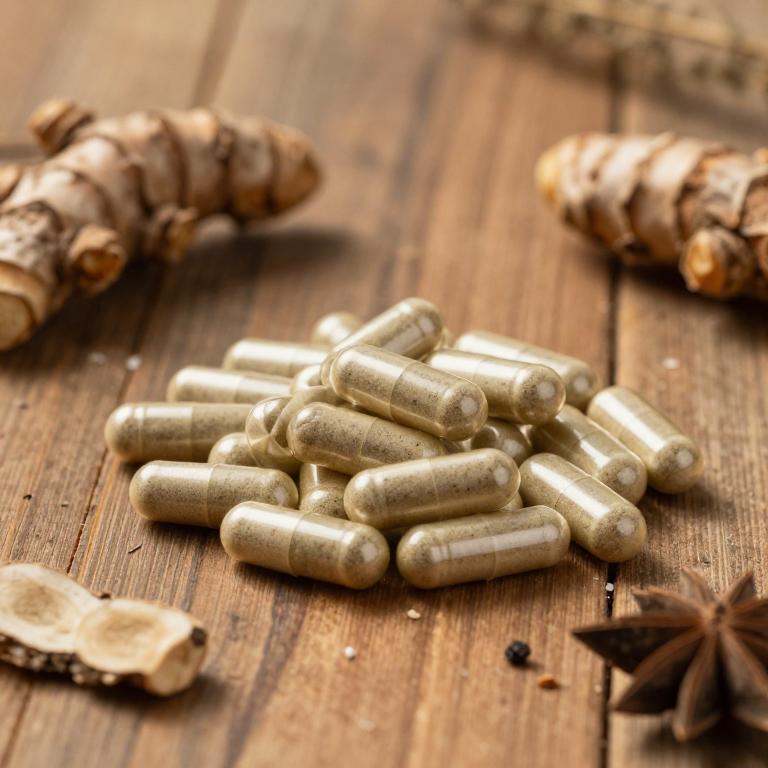
Herbal capsules are a popular natural remedy used to manage inflammation by incorporating plant-based ingredients known for their anti-inflammatory properties.
Common herbs used in these capsules include turmeric, ginger, and boswellia, which have been traditionally used to reduce swelling and pain. These capsules offer a convenient and standardized way to consume herbal supplements, making it easier for individuals to maintain consistent dosages. They are often preferred over synthetic anti-inflammatory drugs due to their generally milder side effect profile.
However, it is important to consult a healthcare professional before starting any herbal supplement regimen to ensure safety and efficacy.
Table of Contents
- 1. Turmeric (Curcuma longa)
- 2. Ginger (Zingiber officinale)
- 3. Thistle (Silybum marianum)
- 4. Red sage (Salvia miltiorrhiza)
- 5. Common grape (Vitis vinifera)
- 6. Indian frankincense (Boswellia serrata)
- 7. Echinacea (Echinacea purpurea)
- 8. Black pepper (Piper nigrum)
- 9. European plum (Prunus domestica)
- 10. Licorice (Glycyrrhiza glabra)
1. Turmeric (Curcuma longa)
Curcuma longa, commonly known as turmeric, is a popular herbal remedy used for its anti-inflammatory properties.
The active compound in curcuma longa, curcumin, has been extensively studied for its ability to reduce inflammation in the body. Curcuma longa herbal capsules provide a convenient and standardized form of curcumin for easy consumption. These capsules are often combined with black pepper extract to enhance absorption and bioavailability.
Due to their natural origin and potential health benefits, curcuma longa capsules are widely used as a complementary therapy for conditions such as arthritis and inflammatory bowel disease.
2. Ginger (Zingiber officinale)
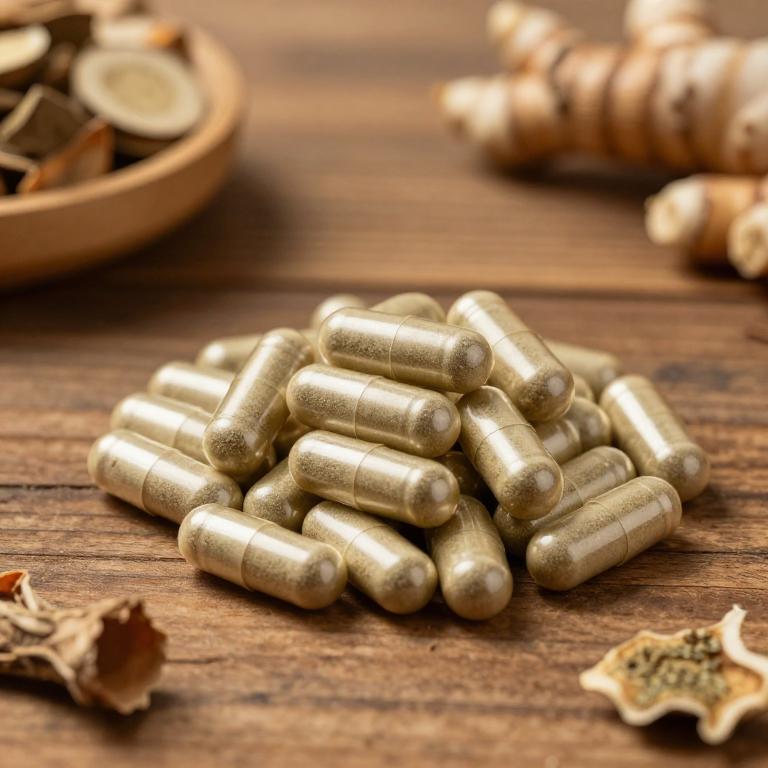
Zingiber officinale, commonly known as ginger, has been widely used for its anti-inflammatory properties for centuries.
Herbal capsules containing zingiber officinale are a convenient way to consume the active compounds found in ginger, such as gingerol and shogaol, which are known to reduce inflammation. These capsules are often used to alleviate symptoms of conditions like arthritis, muscle pain, and inflammatory bowel diseases. Studies suggest that ginger can inhibit inflammatory pathways in the body, making it a natural alternative to conventional anti-inflammatory medications.
However, it is important to consult a healthcare professional before using ginger capsules, especially if you are on other medications or have underlying health conditions.
3. Thistle (Silybum marianum)
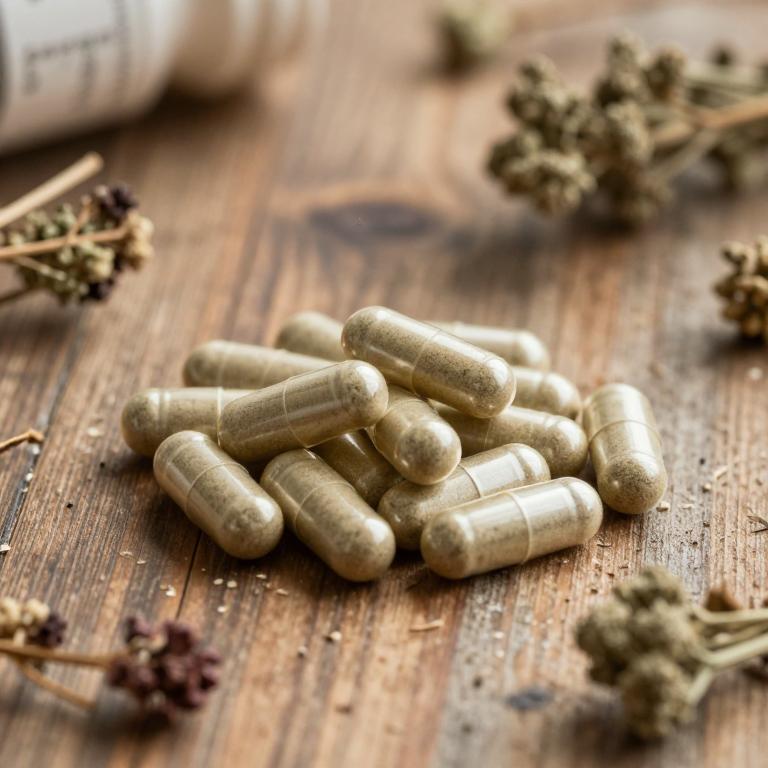
Silybum marianum, commonly known as milk thistle, is a herbal remedy often used in the form of capsules to support liver health and reduce inflammation.
The active compound in silybum marianum, silymarin, is believed to possess antioxidant and anti-inflammatory properties that may help protect liver cells from damage. Clinical studies suggest that silymarin may reduce inflammatory markers in the body, making it a potential natural aid for conditions involving chronic inflammation. However, while some research supports its benefits, more rigorous studies are needed to fully confirm its efficacy and safety for long-term use.
As with any supplement, it is advisable to consult a healthcare professional before incorporating silybum marianum capsules into one's regimen.
4. Red sage (Salvia miltiorrhiza)
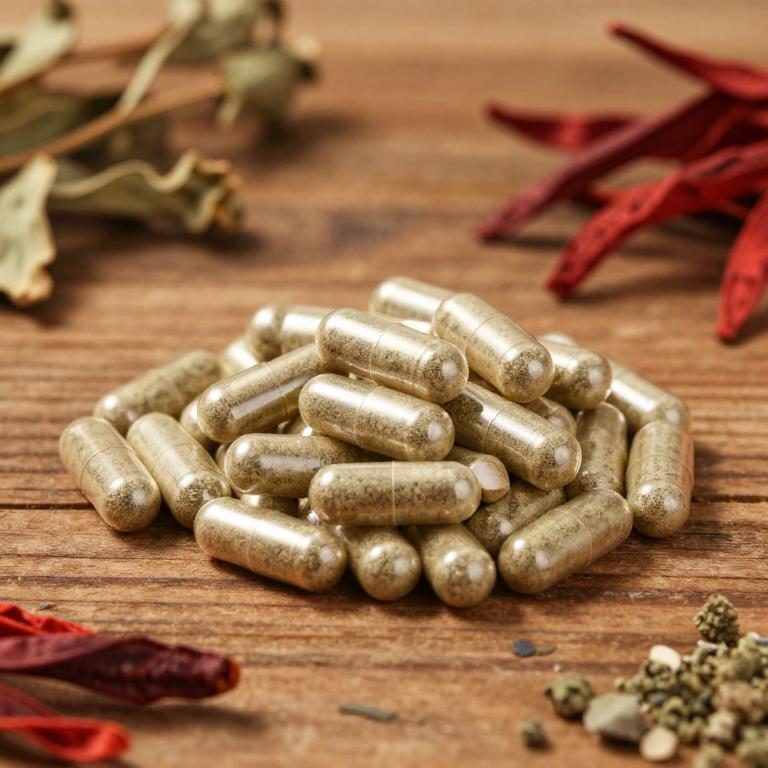
Salvia miltiorrhiza, also known as Danshen, is a traditional Chinese herb commonly used in herbal capsules for its anti-inflammatory properties.
The active compounds in these capsules, such as tanshinone and salvianolic acid, help reduce inflammation by inhibiting pro-inflammatory cytokines and enzymes. These herbal capsules are often used to support joint health, alleviate symptoms of arthritis, and promote cardiovascular wellness. Due to their natural composition, they are considered a gentle alternative to synthetic anti-inflammatory medications.
However, it is important to consult with a healthcare professional before using them, especially if you are on other medications or have underlying health conditions.
5. Common grape (Vitis vinifera)
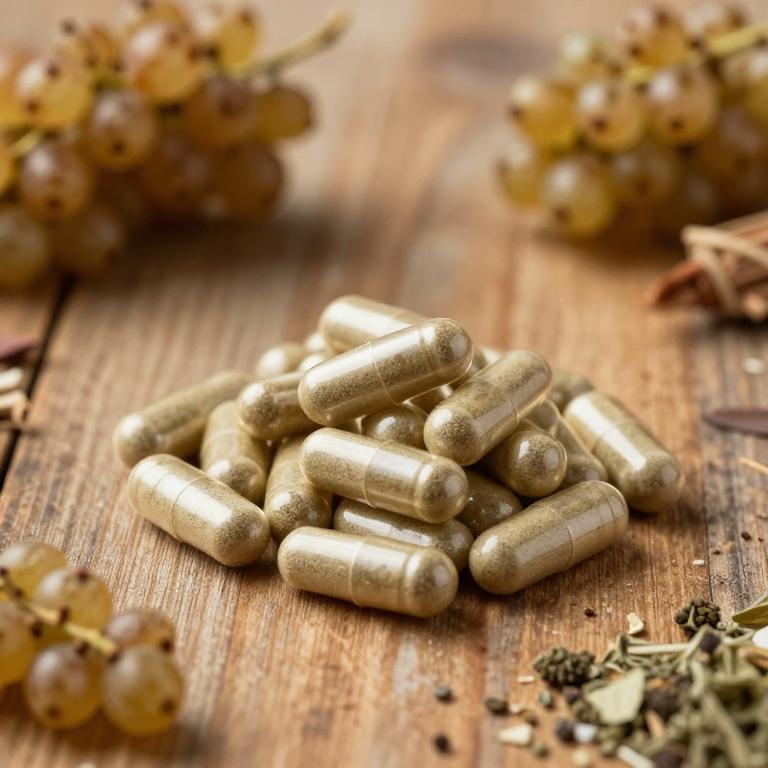
Vitis vinifera herbal capsules, derived from the grapevine plant, are traditionally used for their potential anti-inflammatory properties.
These capsules contain resveratrol, a polyphenolic compound known for its antioxidant and anti-inflammatory effects. Studies suggest that resveratrol may help reduce inflammation by inhibiting pro-inflammatory pathways in the body. Vitis vinifera capsules are often used as a natural supplement to support joint health and manage conditions like arthritis.
However, it is important to consult with a healthcare professional before starting any new supplement regimen to ensure safety and appropriateness for individual health needs.
6. Indian frankincense (Boswellia serrata)
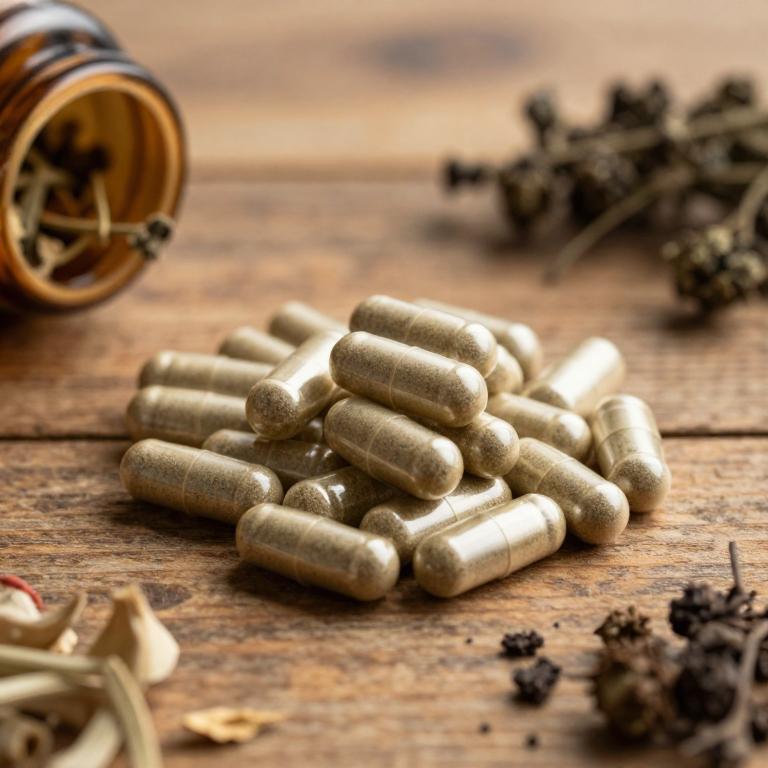
Boswellia serrata, also known as Indian frankincense, is a herbal supplement derived from the resin of the Boswellia tree.
It is commonly used in the form of capsules to support joint health and reduce inflammation. The active compounds in Boswellia serrata, such as boswellic acids, are believed to inhibit inflammatory responses in the body. Studies suggest that it may be effective in managing symptoms of osteoarthritis and rheumatoid arthritis.
However, it is important to consult with a healthcare professional before starting any new supplement regimen.
7. Echinacea (Echinacea purpurea)
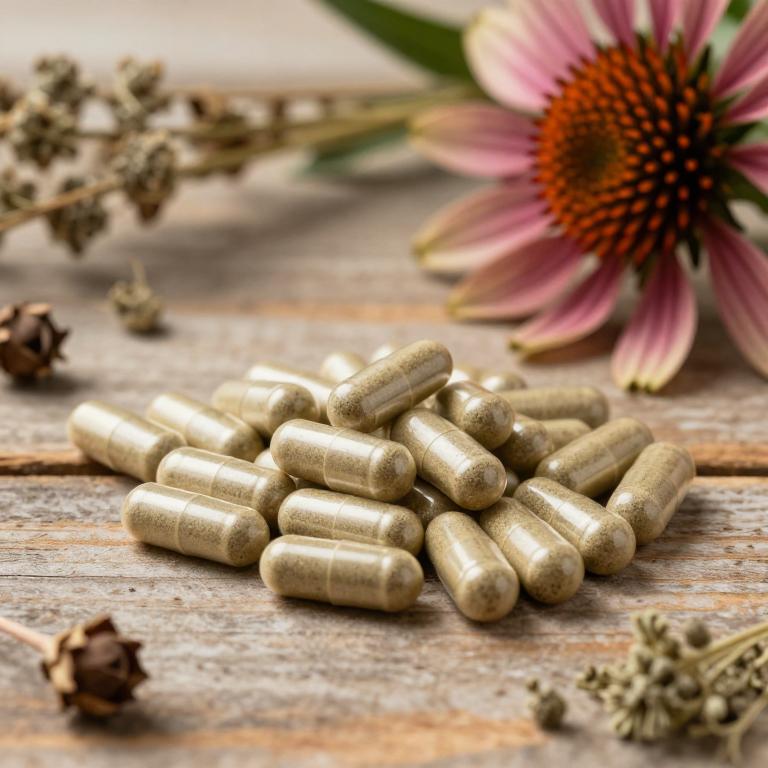
Echinacea purpurea, commonly known as purple coneflower, is a popular herbal supplement often used for its potential anti-inflammatory properties.
The herbal capsules containing Echinacea purpurea are typically standardized to ensure consistent levels of active compounds, such as alkamides, caffeic acid derivatives, and polysaccharides, which are believed to contribute to its therapeutic effects. Research suggests that Echinacea may help reduce inflammation by modulating the immune response and inhibiting the production of pro-inflammatory cytokines. While some studies support its use in managing mild inflammatory conditions, more clinical trials are needed to fully establish its efficacy and safety.
As with any supplement, it is advisable to consult a healthcare professional before use, especially for individuals with pre-existing health conditions or those taking other medications.
8. Black pepper (Piper nigrum)
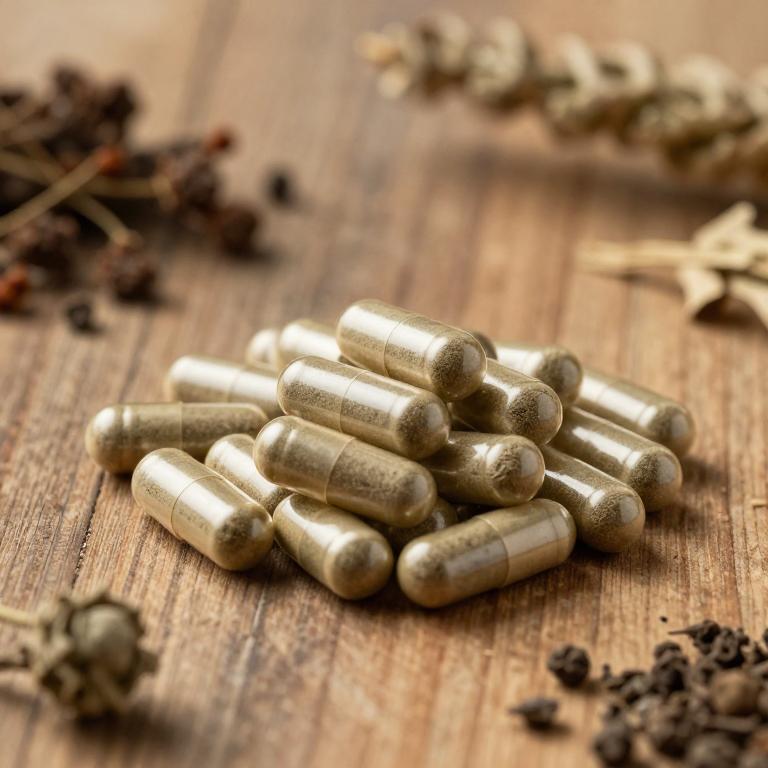
Piper nigrum, commonly known as black pepper, is widely used in herbal medicine for its anti-inflammatory properties.
The active compound in black pepper, piperine, is believed to enhance the absorption of other anti-inflammatory agents and may also reduce inflammation by modulating inflammatory pathways in the body. Piper nigrum herbal capsules are often used to support joint health and alleviate symptoms of conditions such as arthritis. These capsules are typically made from standardized extracts of black pepper to ensure consistent potency and effectiveness.
While generally considered safe, it is important to consult with a healthcare provider before using piper nigrum supplements, especially for individuals with existing health conditions or those taking other medications.
9. European plum (Prunus domestica)
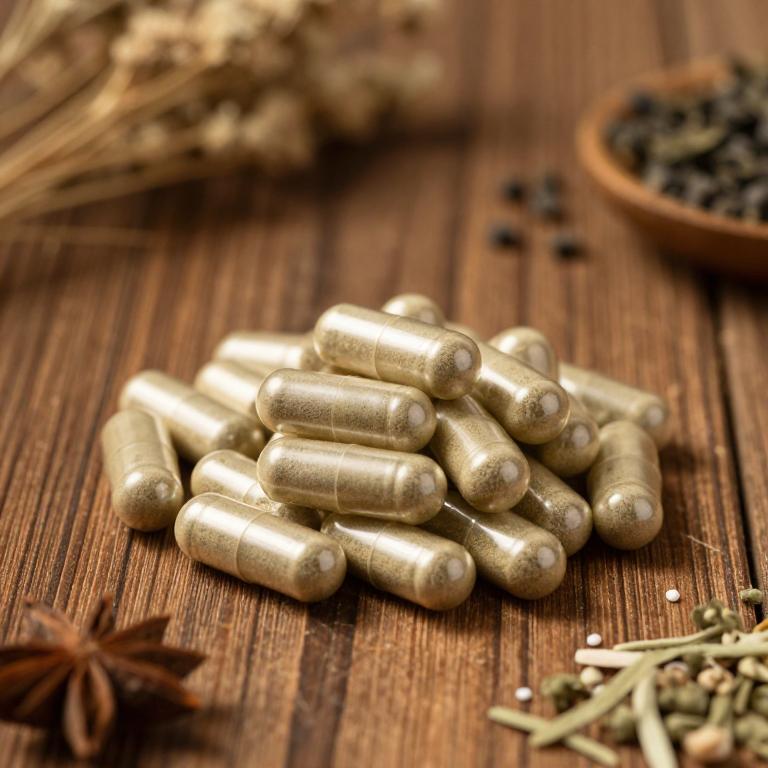
Prunus domestica, commonly known as the European plum, is used in herbal capsules to support the reduction of inflammation due to its rich content of bioactive compounds such as polyphenols, flavonoids, and anthocyanins.
These compounds possess anti-inflammatory and antioxidant properties that may help alleviate symptoms associated with inflammatory conditions like arthritis and digestive disorders. Studies suggest that the consumption of Prunus domestica extract can modulate inflammatory pathways by inhibiting pro-inflammatory cytokines and enzymes such as COX-2. Herbal capsules made from Prunus domestica offer a convenient and standardized way to incorporate these beneficial compounds into daily health routines.
However, it is important to consult with a healthcare professional before starting any new herbal supplement, especially for individuals with existing medical conditions or those taking other medications.
10. Licorice (Glycyrrhiza glabra)
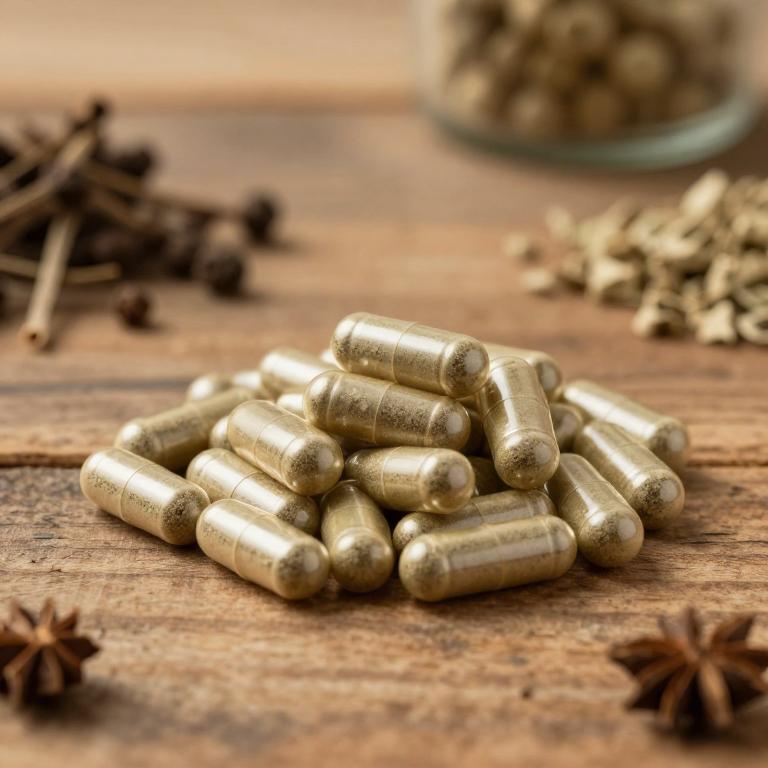
Glycyrrhiza glabra, commonly known as licorice root, has been traditionally used for its anti-inflammatory properties, and its herbal capsules are increasingly popular for managing inflammation-related conditions.
The active compounds in licorice root, such as glycyrrhizin and flavonoids, contribute to its ability to reduce inflammation by modulating immune responses and inhibiting pro-inflammatory cytokines. Studies suggest that licorice root may help alleviate symptoms of respiratory tract inflammation, such as those seen in bronchitis or asthma. However, long-term use of licorice root capsules can lead to side effects like hypertension and electrolyte imbalances due to its effect on the adrenal glands.
As a result, it is recommended to use licorice root supplements under the guidance of a healthcare professional, especially for individuals with pre-existing health conditions.