10 Best Herbal Lozenges For Inflamed Gums
Herbal lozenges are a natural remedy designed to soothe inflamed gums by incorporating plant-based ingredients known for their anti-inflammatory and antimicrobial properties.
These lozenges often contain herbs like echinacea, sage, and licorice root, which help reduce swelling and combat bacterial growth in the mouth. They are particularly beneficial for individuals seeking alternatives to conventional medications, offering a gentler approach to gum irritation. Regular use of herbal lozenges can provide relief from discomfort and support the healing process of inflamed gums.
However, it is advisable to consult with a dental professional to ensure they are suitable for specific oral health conditions.
Table of Contents
- 1. Salvia (Salvia officinalis)
- 2. St. john's wort (Hypericum perforatum)
- 3. Oregano (Origanum vulgare)
- 4. German chamomile (Chamomilla recutita)
- 5. Echinacea (Echinacea purpurea)
- 6. Rosemary (Rosmarinus officinalis)
- 7. Thyme (Thymus vulgaris)
- 8. Aloe vera (Aloe barbadensis)
- 9. Peppermint (Mentha piperita)
- 10. Ceylon cinnamon (Cinnamomum zeylanicum)
1. Salvia (Salvia officinalis)
Salvia officinalis, commonly known as sage, has been traditionally used for its anti-inflammatory and antimicrobial properties, making it a valuable ingredient in herbal lozenges for inflamed gums.
These lozenges often combine sage extract with other soothing herbs like chamomile or licorice root to enhance their effectiveness in reducing gum irritation and swelling. The natural compounds in sage, such as rosmarinic acid and flavonoids, help combat bacterial growth and promote healing of gum tissues. Regular use of sage-based lozenges can provide a gentle, natural alternative to conventional mouthwashes and medications for managing gum inflammation.
Overall, these herbal lozenges offer a soothing and effective remedy for individuals seeking natural solutions for gum health.
2. St. john's wort (Hypericum perforatum)
Hypericum perforatum, commonly known as St. John's Wort, is a herbal remedy that has been traditionally used for its anti-inflammatory and antimicrobial properties.
When formulated into lozenges, it can provide targeted relief for inflamed gums by reducing swelling and soothing irritation. The active compounds in hypericum perforatum, such as hypericin and flavonoids, may help combat bacterial infections and promote gum healing. These lozenges are often used as a natural alternative to conventional mouthwashes or topical treatments for gum inflammation.
However, it is important to consult with a healthcare professional before use, especially if you are taking other medications, due to potential interactions.
3. Oregano (Origanum vulgare)
Origanum vulgare, commonly known as oregano, is a powerful herb often used in herbal lozenges to soothe inflamed gums due to its antimicrobial and anti-inflammatory properties.
These lozenges help reduce gum irritation and swelling by inhibiting the growth of harmful bacteria that contribute to periodontal disease. The active compounds in oregano, such as carvacrol and thymol, work to combat infection and promote healing in the oral cavity. Regular use of oregano-based lozenges can provide natural relief for individuals suffering from gingivitis or other mild gum inflammation.
As a natural alternative to conventional treatments, these lozenges offer a safe and effective way to support oral health and comfort.
4. German chamomile (Chamomilla recutita)
Chamomilla recutita herbal lozenges are formulated with the anti-inflammatory and soothing properties of chamomile, making them an effective natural remedy for inflamed gums.
These lozenges help reduce redness, swelling, and irritation by delivering a gentle, calming effect to the oral mucosa. The active compounds in chamomile, such as bisabolol and chamazulene, possess antimicrobial and antiseptic qualities that can help combat oral infections contributing to gum inflammation. Regular use of these lozenges can promote faster healing and provide relief from discomfort associated with gum irritation.
They are a safe and gentle alternative for individuals seeking herbal support for mild to moderate gum inflammation without the use of harsh chemicals.
5. Echinacea (Echinacea purpurea)
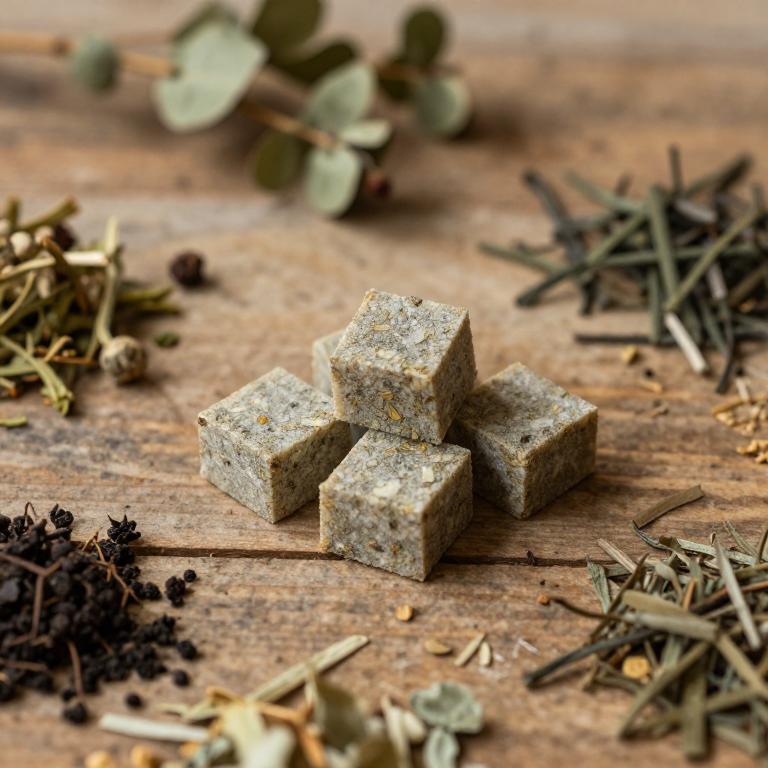
Echinacea purpurea herbal lozenges are a natural remedy designed to support oral health by reducing inflammation in the gums.
These lozenges contain echinacea, a well-known herb with anti-inflammatory and antimicrobial properties that may help soothe irritated gum tissue. The active compounds in echinacea, such as alkamides and polysaccharides, are believed to enhance the body's immune response and reduce bacterial growth in the mouth. When used as part of a daily oral care routine, these lozenges can provide relief from mild gum inflammation and promote healing.
However, it is important to consult with a healthcare professional before using them, especially if you have underlying health conditions or are taking other medications.
6. Rosemary (Rosmarinus officinalis)
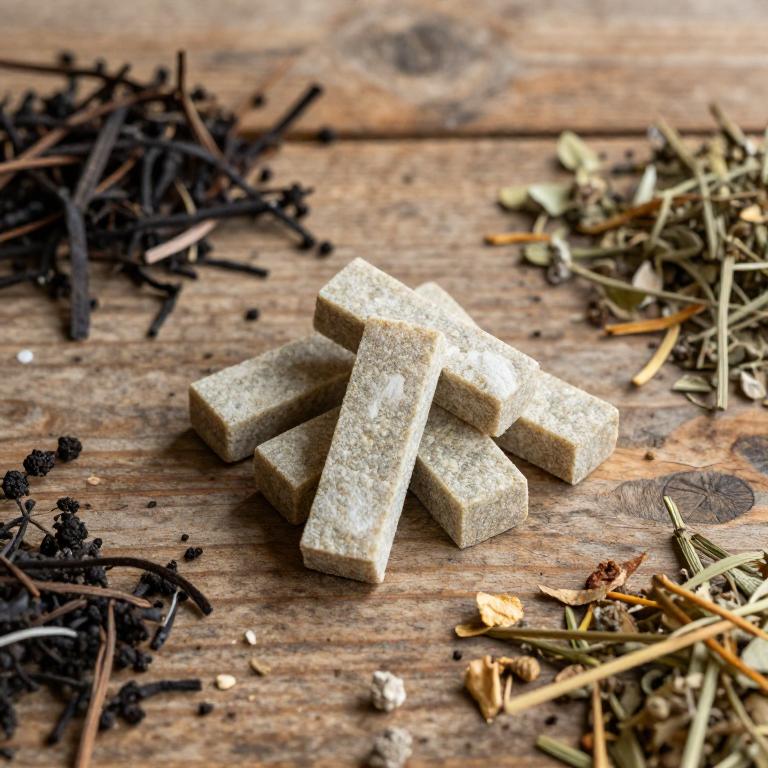
Rosmarinus officinalis, commonly known as rosemary, is a powerful herbal remedy known for its anti-inflammatory and antimicrobial properties, making it an effective ingredient in lozenges for inflamed gums.
These lozenges are formulated to soothe gum irritation and reduce swelling by delivering a concentrated dose of rosemary extract directly to the affected areas. The essential oils in rosemary, such as cineole and camphor, help combat bacterial growth and promote healing of gum tissues. Regular use of rosemary lozenges can support oral hygiene and alleviate discomfort associated with gingivitis or other gum conditions.
As a natural alternative to conventional treatments, these lozenges offer a gentle yet effective way to maintain healthy gums.
7. Thyme (Thymus vulgaris)
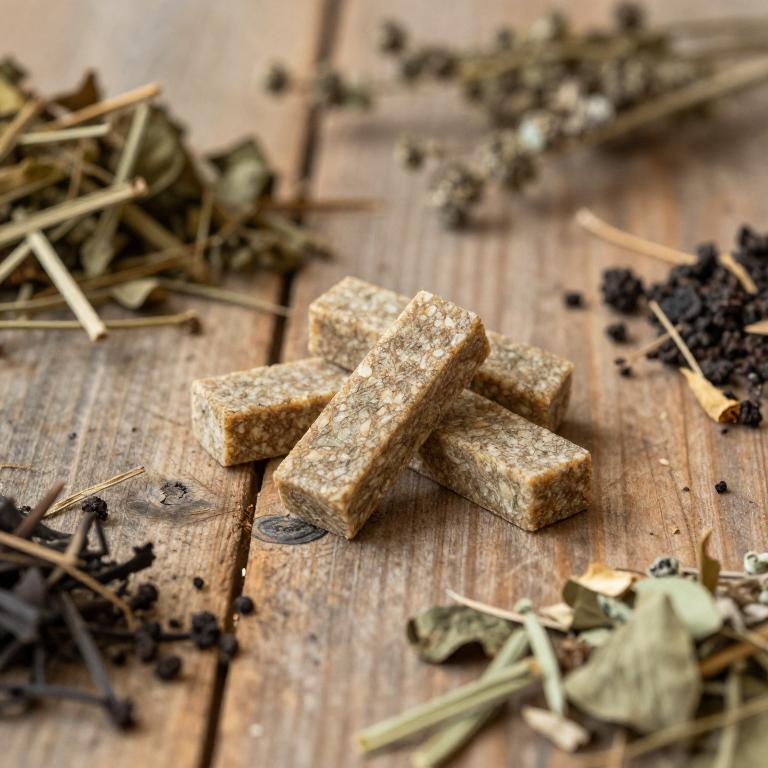
Thymus vulgaris herbal lozenges are made from the dried leaves of the thyme plant, known for their potent anti-inflammatory and antimicrobial properties.
These lozenges are often used to soothe inflamed gums by reducing bacterial growth and calming irritation. The active compounds in thyme, such as thymol and carvacrol, help combat oral pathogens that contribute to gum inflammation. Regular use of thymus vulgaris lozenges can provide natural relief and support overall gum health.
However, individuals with allergies to thyme or other herbs should consult a healthcare professional before use.
8. Aloe vera (Aloe barbadensis)
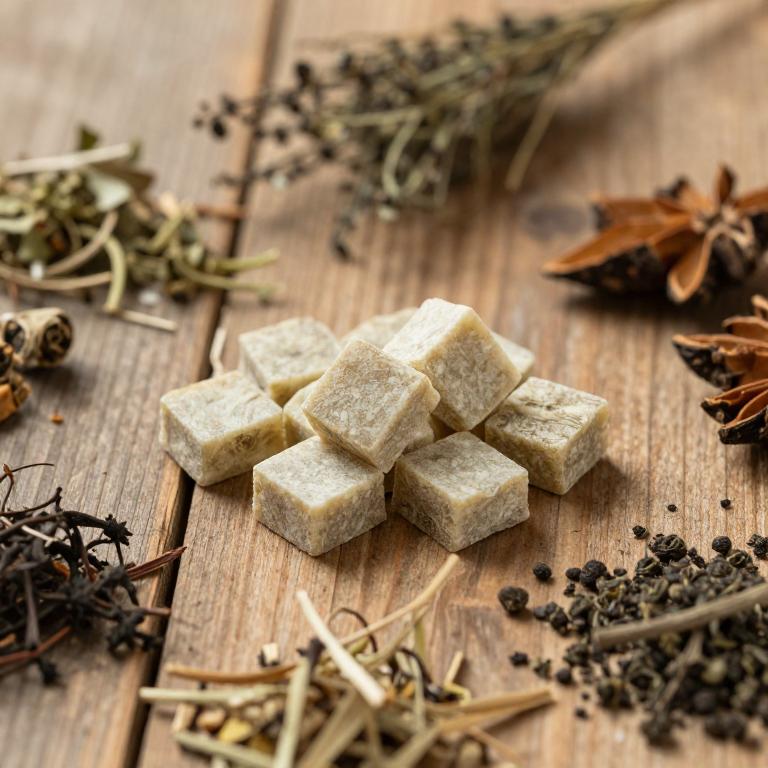
Aloe barbadensis herbal lozenges are a natural remedy designed to soothe inflamed gums and promote oral health.
These lozenges contain aloe vera, which is known for its anti-inflammatory and antimicrobial properties that help reduce swelling and prevent infection. The soothing gel within the lozenges can be slowly released in the mouth, providing long-lasting relief from gum irritation and discomfort. They are particularly beneficial for individuals experiencing symptoms of gingivitis or periodontal disease.
Regular use of aloe barbadensis lozenges can support healing and contribute to healthier, more comfortable gums.
9. Peppermint (Mentha piperita)
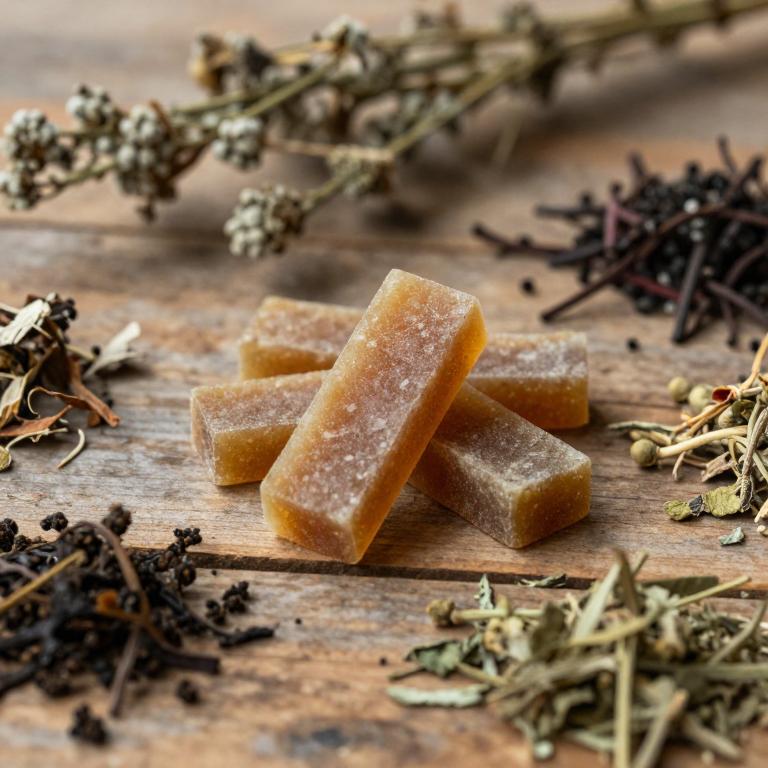
Mentha piperita, commonly known as peppermint, is a popular herbal ingredient used in lozenges to soothe inflamed gums due to its cooling and antiseptic properties.
These lozenges work by providing a refreshing sensation that helps reduce gum irritation and discomfort, making them an ideal choice for individuals experiencing mild gum inflammation. The menthol in peppermint acts as a natural analgesic, helping to numb the pain and promote a sense of relief. Additionally, the herbal formulation is often free from harsh chemicals, making it a gentle option for daily use.
Regular use of peppermint lozenges can support oral hygiene and contribute to the healing process of inflamed gums.
10. Ceylon cinnamon (Cinnamomum zeylanicum)
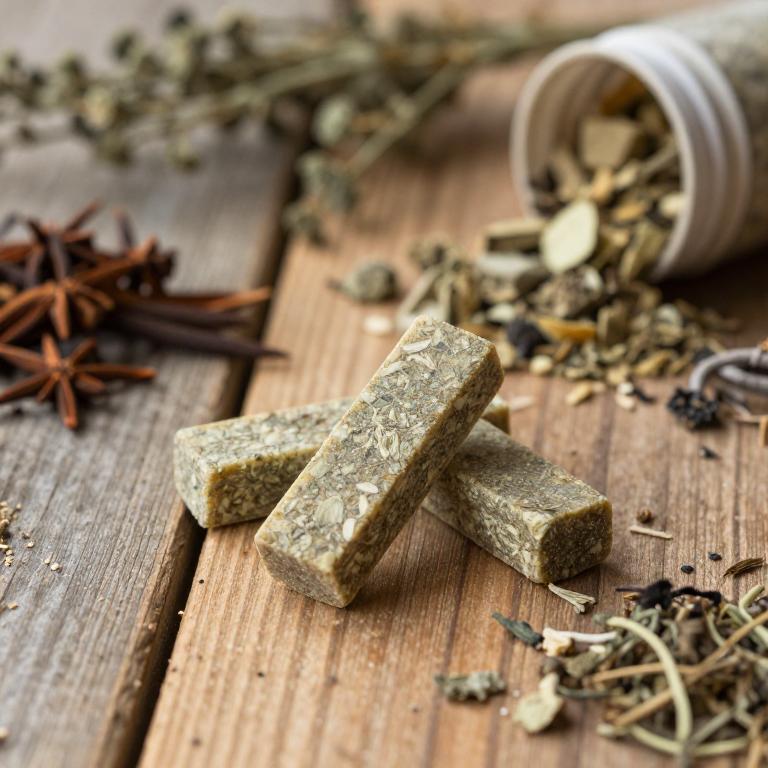
Cinnamomum zeylanicum, also known as Ceylon cinnamon, is a natural ingredient often used in herbal lozenges to soothe inflamed gums due to its anti-inflammatory and antimicrobial properties.
These lozenges work by delivering a gentle, warming sensation that helps reduce gum irritation and swelling. The essential oils in cinnamon have been shown to inhibit the growth of harmful bacteria that contribute to gum disease. Regular use of these lozenges can support oral health by promoting a balanced microbial environment in the mouth.
They are a safe and effective alternative for individuals seeking natural remedies for gum inflammation.