10 Best Herbal Capsules For Inflamed Gums
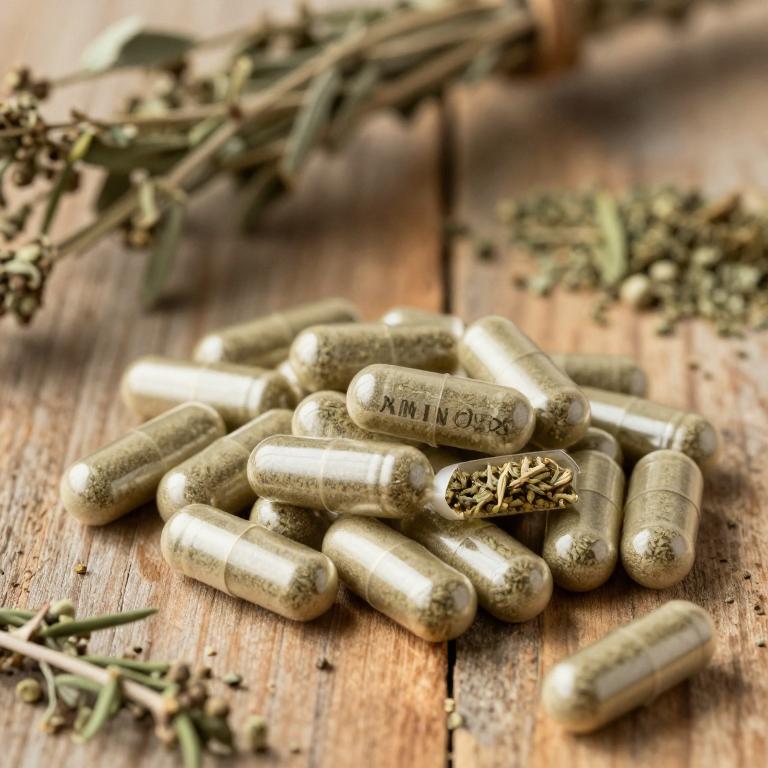
Herbal capsules for inflamed gums are a natural alternative to conventional treatments, containing ingredients like tea tree oil, aloe vera, and chamomile, which are known for their anti-inflammatory and antimicrobial properties.
These capsules work by soothing irritated gum tissue and reducing bacterial buildup that often contributes to gum inflammation. They are typically easy to use, requiring just a daily dose to support oral health and promote healing. Many herbal formulations are free from harsh chemicals, making them a safer option for individuals seeking gentle, holistic care.
However, it is important to consult with a healthcare professional before starting any herbal treatment to ensure it is appropriate for individual health needs.
Table of Contents
- 1. Salvia (Salvia officinalis)
- 2. Aloe vera (Aloe barbadensis)
- 3. St. john's wort (Hypericum perforatum)
- 4. Echinacea (Echinacea purpurea)
- 5. Stinging nettle (Urtica dioica)
- 6. Licorice (Glycyrrhiza glabra)
- 7. Marigold (Calendula officinalis)
- 8. Rosemary (Rosmarinus officinalis)
- 9. Oregano (Origanum vulgare)
- 10. Chaste tree (Vitex agnus-castus)
1. Salvia (Salvia officinalis)
Salvia officinalis, commonly known as sage, has been traditionally used for its anti-inflammatory and antimicrobial properties, making it a popular ingredient in herbal capsules for inflamed gums.
These capsules are designed to support oral health by reducing gum inflammation and soothing irritation, often caused by bacterial buildup or periodontal disease. The active compounds in sage, such as rosmarinic acid and flavonoids, help combat oral pathogens and promote healing of gum tissues. When used as part of a holistic dental care routine, salvia officinalis capsules may complement conventional treatments for gum issues.
However, it is advisable to consult a healthcare professional before incorporating these supplements into your regimen, especially if you have existing medical conditions or are taking other medications.
2. Aloe vera (Aloe barbadensis)
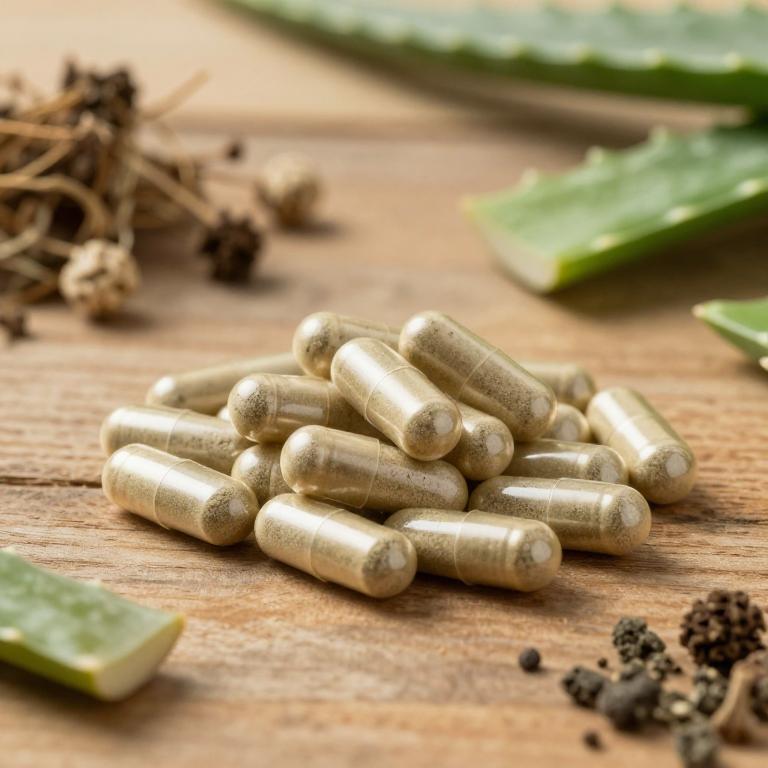
Aloe barbadensis herbal capsules are a natural remedy that may help reduce inflammation in gums due to their anti-inflammatory and soothing properties.
These capsules contain concentrated aloe vera gel, which is known for its ability to promote healing and tissue repair. The gel's high levels of vitamins, enzymes, and antioxidants can support gum health by reducing irritation and preventing bacterial buildup. When used as part of a holistic oral care routine, aloe vera capsules may provide relief for individuals suffering from gingivitis or other gum inflammation.
However, it is important to consult with a healthcare professional before starting any new supplement regimen, especially if you have existing medical conditions or are taking other medications.
3. St. john's wort (Hypericum perforatum)
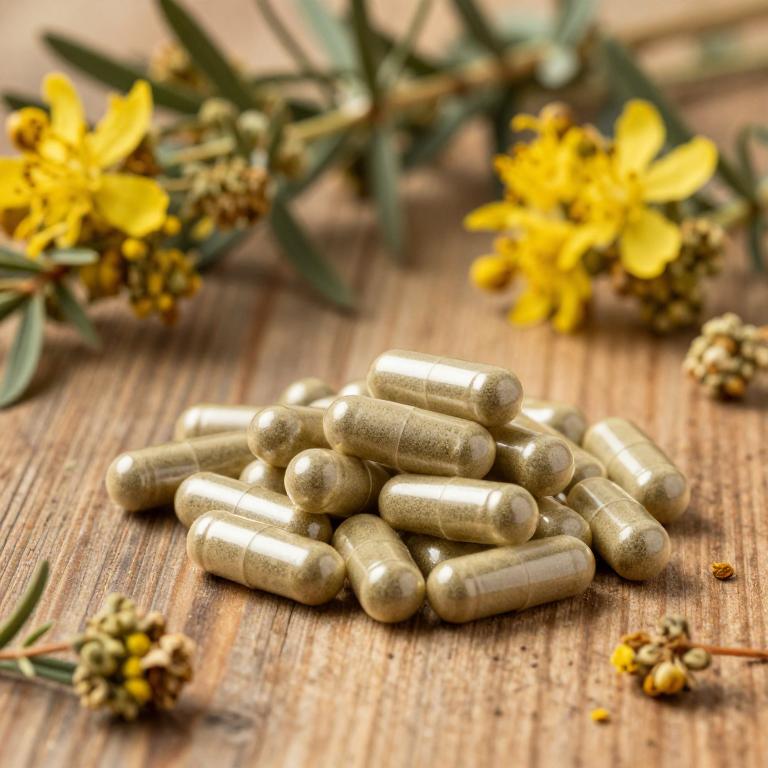
Hypericum perforatum, commonly known as St. John's Wort, is an herbal remedy that has been traditionally used for its anti-inflammatory and antimicrobial properties.
When formulated into capsules, it may help reduce inflammation in the gums by inhibiting the production of inflammatory mediators such as prostaglandins and cytokines. Its active compounds, including hypericin and flavonoids, contribute to its ability to combat oral pathogens and promote tissue healing. However, it is important to note that St. John's Wort can interact with certain medications, so consulting a healthcare professional before use is advisable.
Despite these considerations, hypericum perforatum herbal capsules may offer a natural alternative for managing inflamed gums when used appropriately.
4. Echinacea (Echinacea purpurea)
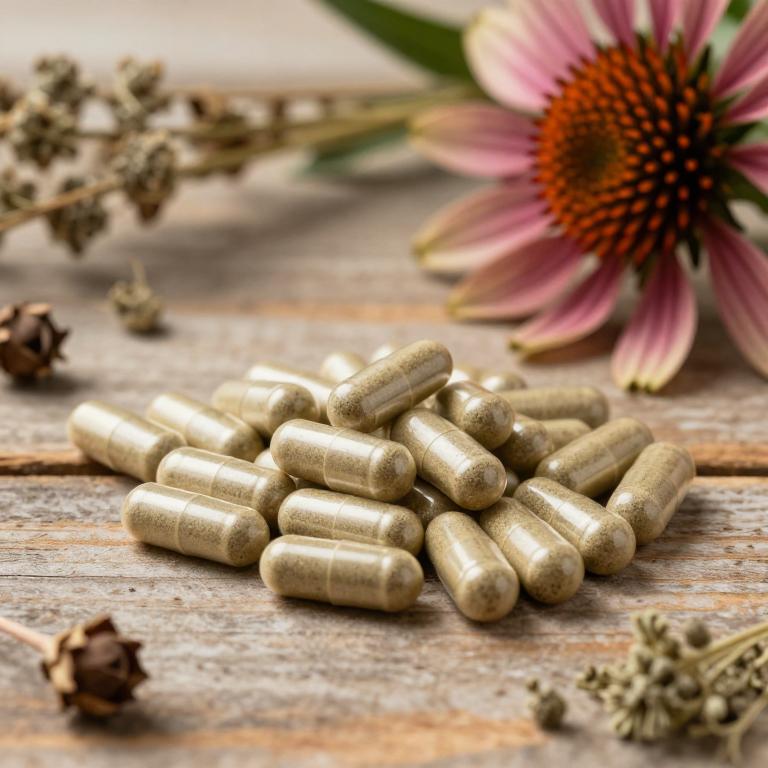
Echinacea purpurea herbal capsules are often used to support immune function and may offer benefits for individuals with inflamed gums due to their anti-inflammatory and antimicrobial properties.
These capsules contain standardized extracts of the purple coneflower, which has been traditionally used in herbal medicine to reduce swelling and promote healing. While scientific evidence supporting their direct efficacy on gum inflammation is limited, some studies suggest that echinacea can help reduce the severity of oral infections. It is important to consult with a healthcare professional before using echinacea, especially if you are taking other medications or have underlying health conditions.
As a complementary therapy, echinacea purpurea capsules may be a useful addition to a holistic approach for managing gum inflammation.
5. Stinging nettle (Urtica dioica)
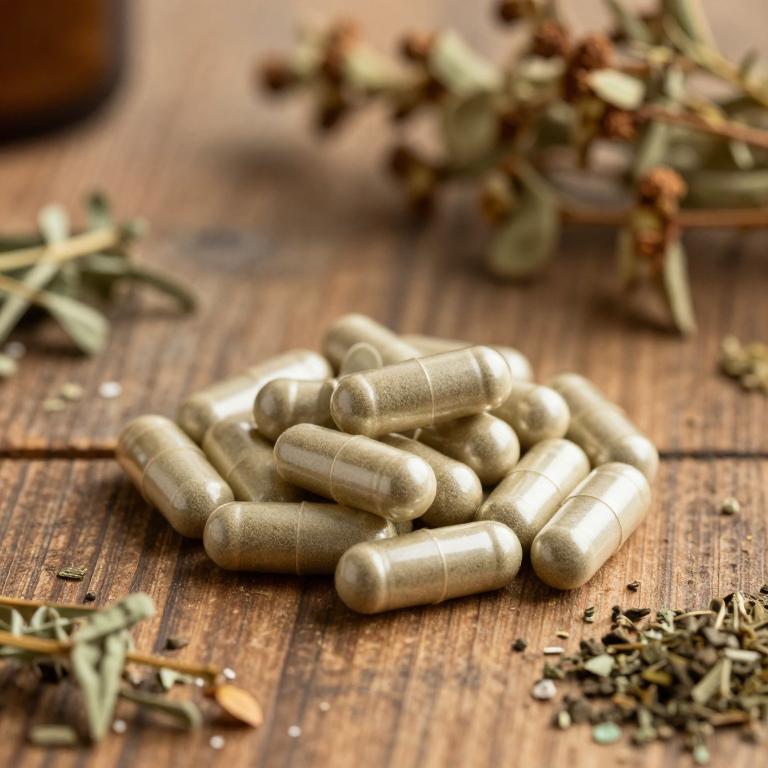
Urtica dioica, commonly known as stinging nettle, is a herbal remedy that has been used for its anti-inflammatory and astringent properties.
Urtica dioica herbal capsules may help reduce inflammation in the gums by containing compounds like flavonoids and antioxidants that support tissue healing. These capsules are often used as a natural alternative to conventional treatments for gum inflammation and gingivitis. They can be beneficial for individuals seeking holistic approaches to oral health.
However, it is important to consult a healthcare professional before using them, especially if you have underlying health conditions or are taking other medications.
6. Licorice (Glycyrrhiza glabra)

Glycyrrhiza glabra, commonly known as licorice root, has been traditionally used for its anti-inflammatory and soothing properties, making it a popular ingredient in herbal capsules for inflamed gums.
These capsules often contain standardized extracts of licorice root, which are rich in compounds like glycyrrhizin and flavonoids that help reduce gum inflammation and promote healing. The anti-inflammatory effects of licorice root can help alleviate symptoms such as redness, swelling, and irritation associated with gingivitis. When used as part of a holistic dental care routine, glycyrrhiza glabra capsules may support gum health and reduce the risk of more severe periodontal issues.
However, it is important to consult a healthcare professional before use, especially for individuals with hypertension or those taking certain medications, as licorice root may have potential side effects.
7. Marigold (Calendula officinalis)

Calendula officinalis herbal capsules are a natural remedy commonly used to support gum health and reduce inflammation.
These capsules contain standardized extracts of the flowering plant Calendula officinalis, which is known for its anti-inflammatory and antimicrobial properties. The active compounds in calendula, such as flavonoids and triterpenes, help soothe irritated gum tissues and promote healing. When used as part of a holistic oral care routine, calendula capsules may help alleviate symptoms of gingivitis and other gum inflammations.
However, it is advisable to consult with a healthcare professional before starting any new herbal supplement to ensure safety and appropriateness for individual health needs.
8. Rosemary (Rosmarinus officinalis)
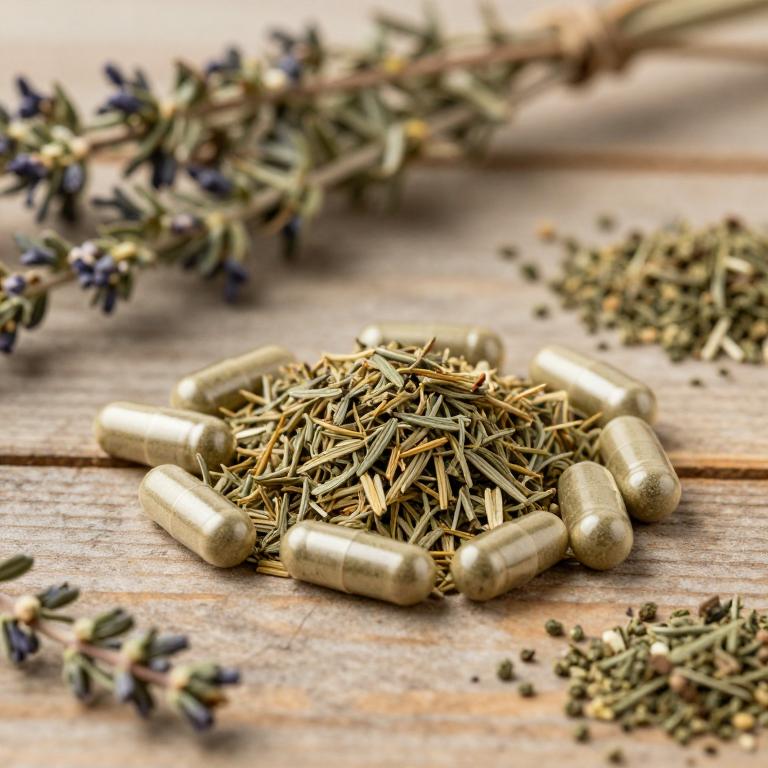
Rosmarinus officinalis, commonly known as rosemary, is a herbal supplement that has been traditionally used for its anti-inflammatory and antimicrobial properties.
When encapsulated, rosemary extract can provide a convenient and effective way to support gum health, particularly in cases of inflamed gums. The active compounds in rosemary, such as rosmarinic acid and carnosic acid, help reduce inflammation and combat bacterial growth that contributes to periodontal issues. These herbal capsules are often used as a natural alternative or complement to conventional treatments for gum inflammation.
Regular use of rosemary herbal capsules may promote healthier gums and support overall oral hygiene.
9. Oregano (Origanum vulgare)
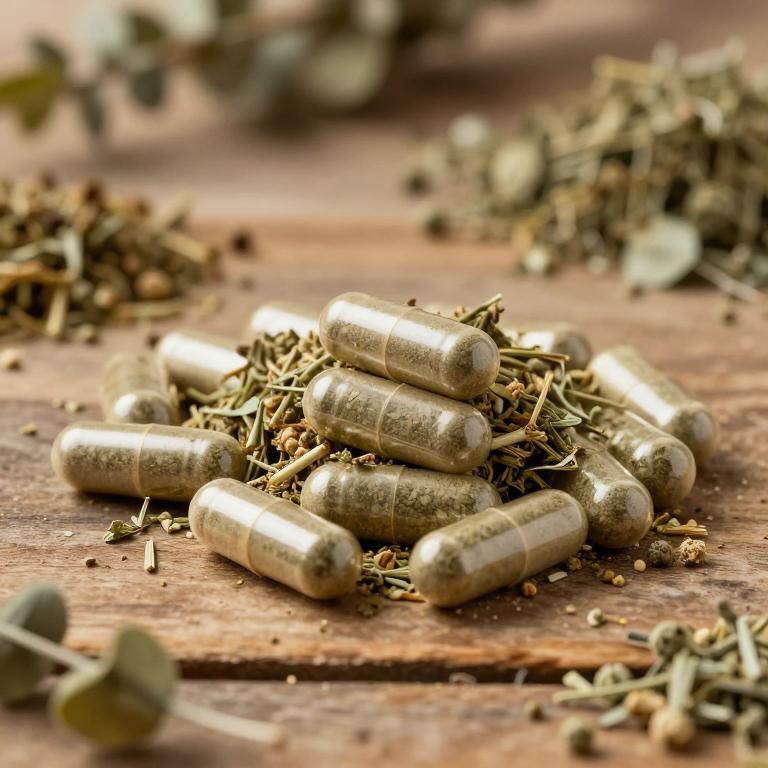
Origanum vulgare, commonly known as oregano, is a popular herbal remedy that has been used for centuries for its anti-inflammatory and antimicrobial properties.
When formulated into herbal capsules, Oregano vulgare can be an effective natural supplement for individuals suffering from inflamed gums, as it helps reduce bacterial growth and soothe gum irritation. The active compounds in oregano, such as carvacrol and thymol, have been shown to inhibit the growth of harmful oral bacteria, which are often responsible for gum disease. Regular use of oregano capsules may support overall oral health by promoting healing and reducing redness and swelling in the gums.
However, it is advisable to consult with a healthcare professional before starting any new herbal supplement regimen, especially for those with existing health conditions or who are taking other medications.
10. Chaste tree (Vitex agnus-castus)
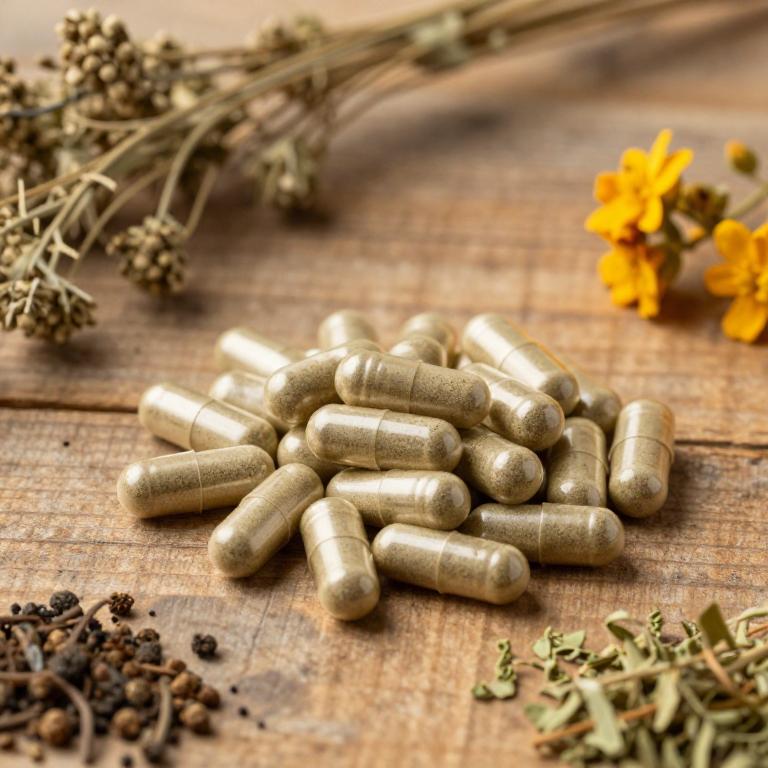
Vitex agnus-castus, commonly known as chasteberry, is a herbal remedy that has been traditionally used to support hormonal balance and may offer benefits for inflamed gums.
The herb is believed to have anti-inflammatory and antioxidant properties that can help reduce gum irritation and promote healing. When taken in the form of herbal capsules, Vitex agnus-castus provides a convenient and standardized way to incorporate this remedy into a daily wellness routine. However, it is important to consult with a healthcare professional before using it, especially if you are taking other medications or have underlying health conditions.
While some studies suggest potential benefits, more research is needed to fully understand its efficacy for gum inflammation.