10 Best Herbal Lozenges For Hyperacidity
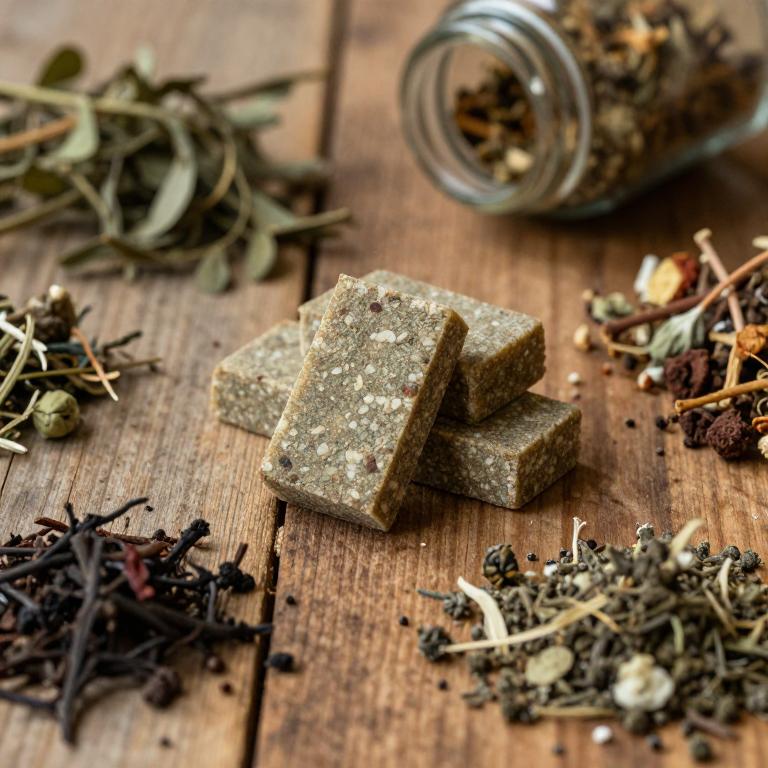
Herbal lozenges are natural remedies designed to alleviate symptoms of hyperacidity by soothing the throat and reducing excess stomach acid reflux.
These lozenges often contain ingredients like licorice root, ginger, and fenugreek, which have anti-inflammatory and antacid properties. They work by creating a protective barrier in the throat and esophagus, minimizing irritation caused by acid reflux. Unlike conventional antacids, herbal lozenges are generally gentler on the digestive system and may offer long-term relief without harsh side effects.
However, they should be used as part of a comprehensive approach that includes dietary changes and lifestyle modifications for optimal results.
Table of Contents
- 1. Ginger (Zingiber officinale)
- 2. Licorice (Glycyrrhiza glabra)
- 3. Peppermint (Mentha piperita)
- 4. Cumin (Cuminum cyminum)
- 5. Fennel (Foeniculum vulgare)
- 6. Black pepper (Piper nigrum)
- 7. Ceylon cinnamon (Cinnamomum verum)
- 8. Negundo vitex (Vitex negundo)
- 9. Ceylon cinnamon (Cinnamomum zeylanicum)
- 10. Turmeric (Curcuma longa)
1. Ginger (Zingiber officinale)
Zingiber officinale, commonly known as ginger, has been traditionally used for its anti-inflammatory and soothing properties, making it a popular ingredient in herbal lozenges for managing hyperacidity.
These lozenges work by neutralizing excess stomach acid and reducing the irritation caused by acid reflux, providing relief from heartburn and indigestion. The active compounds in ginger, such as gingerol and shogaol, help in reducing gastric acid secretion and improving digestion. Herbal lozenges containing zingiber officinale are often preferred over conventional antacids due to their natural composition and minimal side effects.
They are particularly beneficial for individuals seeking alternative or complementary remedies for mild to moderate hyperacidity symptoms.
2. Licorice (Glycyrrhiza glabra)
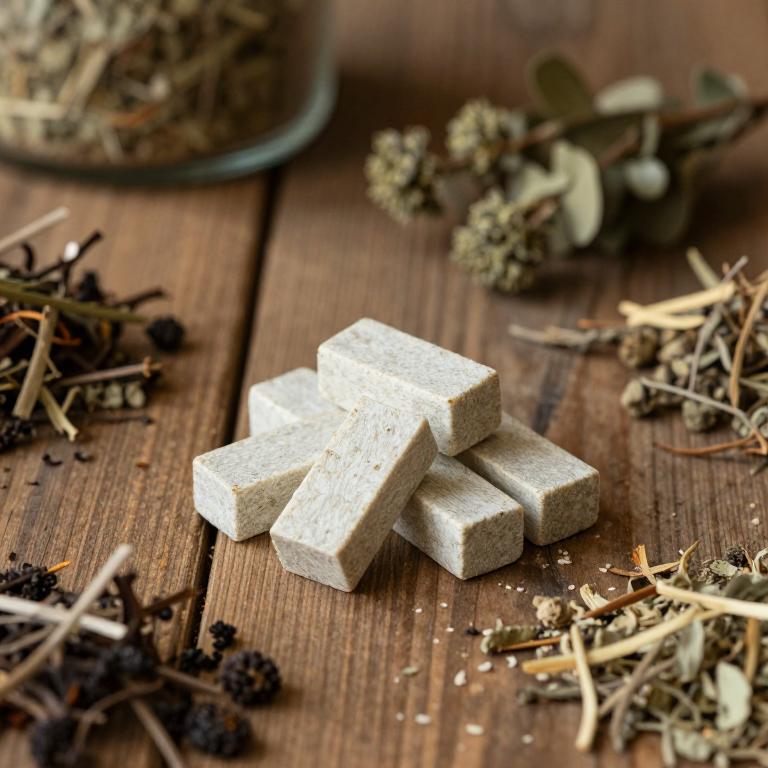
Glycyrrhiza glabra, commonly known as licorice root, is often used in herbal lozenges to alleviate symptoms of hyperacidity due to its anti-inflammatory and soothing properties.
These lozenges work by coating the mucous membranes of the throat and stomach, providing a protective barrier against excess stomach acid. The active compound, glycyrrhizin, helps reduce inflammation and may inhibit the activity of hydrogen-potassium ATPase, the enzyme responsible for acid secretion. Additionally, licorice root has mild antispasmodic effects that can ease discomfort associated with heartburn and indigestion.
While generally safe for short-term use, prolonged consumption of licorice-based lozenges may lead to side effects such as hypertension, making it important to consult a healthcare provider before use.
3. Peppermint (Mentha piperita)
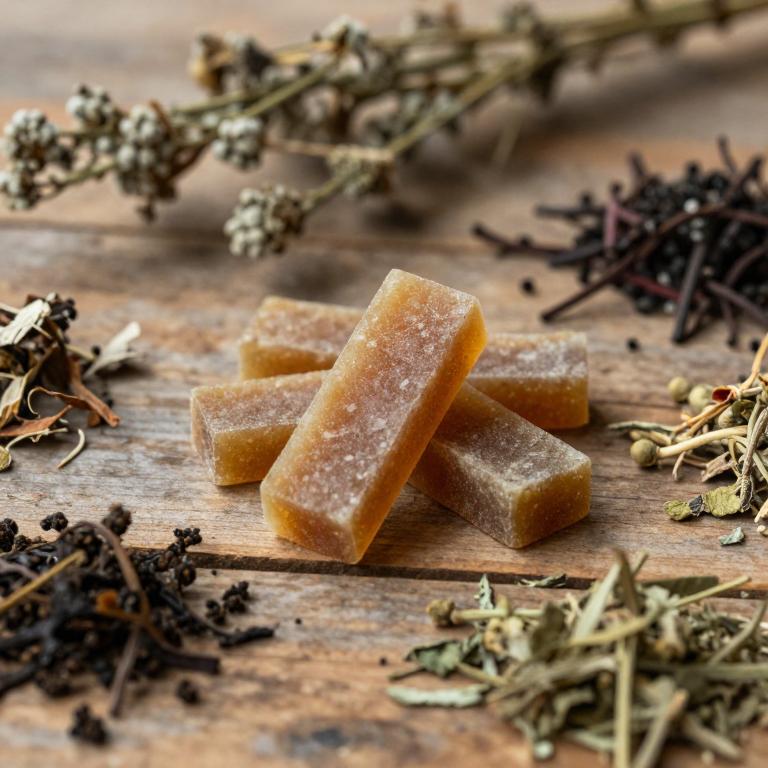
Mentha piperita, commonly known as peppermint, is often used in herbal lozenges to alleviate symptoms of hyperacidity due to its soothing and antispasmodic properties.
These lozenges work by calming the digestive tract and reducing excess stomach acid, which can cause discomfort and heartburn. The cooling effect of peppermint helps to soothe the lining of the esophagus and stomach, providing relief from inflammation and irritation. Additionally, the natural menthol content in peppermint can help ease nausea and promote a sense of freshness in the mouth.
For individuals seeking a natural remedy for hyperacidity, peppermint herbal lozenges offer a gentle and effective alternative to conventional medications.
4. Cumin (Cuminum cyminum)
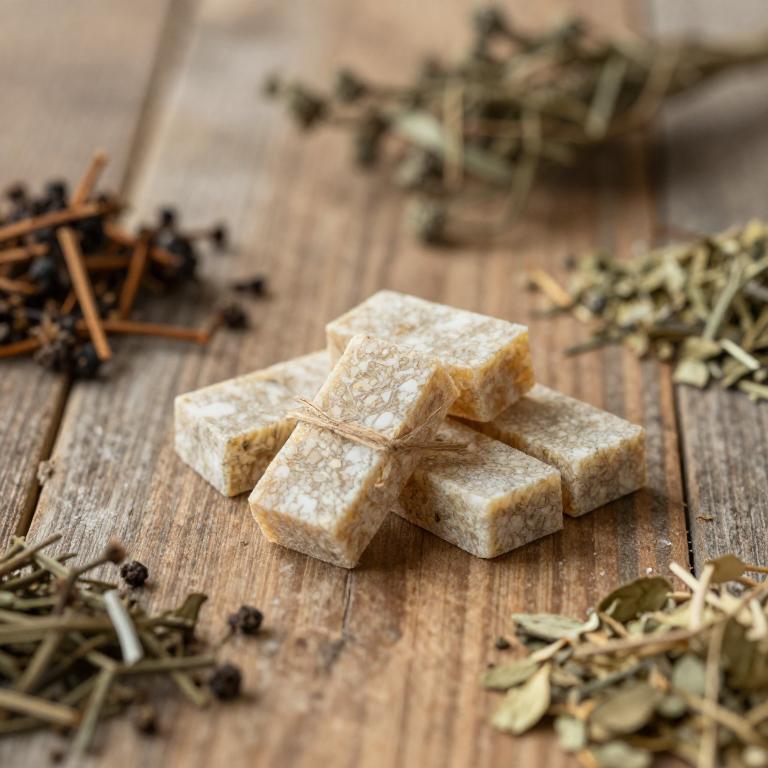
Cuminum cyminum, commonly known as cumin, is traditionally used in herbal medicine for its digestive and anti-inflammatory properties.
Cuminum cyminum herbal lozenges are formulated to provide natural relief from hyperacidity by soothing the throat and reducing excessive stomach acid reflux. These lozenges often contain cumin essential oil, which has been shown to have mild antacid and carminative effects. The soothing properties of cumin can help alleviate the burning sensation associated with hyperacidity and promote a sense of relief.
While they are not a substitute for medical treatment, these lozenges can be a supportive remedy when used as part of a holistic approach to managing acid reflux.
5. Fennel (Foeniculum vulgare)
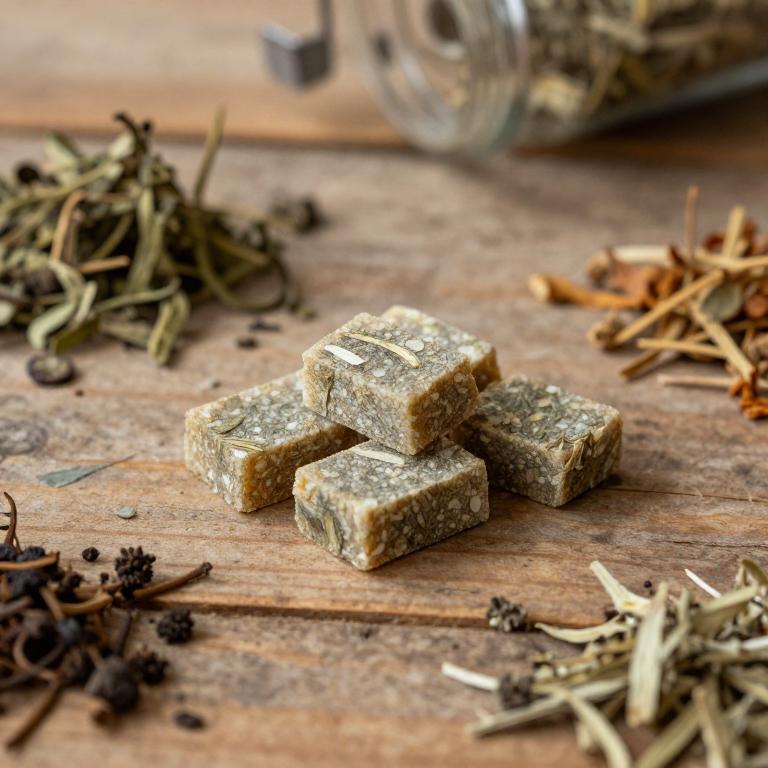
Foeniculum vulgare, commonly known as fennel, is often used in herbal lozenges to alleviate symptoms of hyperacidity due to its soothing and anti-inflammatory properties.
These lozenges work by neutralizing excess stomach acid and reducing irritation in the esophagus, providing relief from heartburn and indigestion. The essential oils in fennel, such as anethol, have a calming effect on the digestive system, promoting better gastric motility and reducing bloating. Herbal lozenges made from fennel are particularly beneficial for individuals seeking natural remedies without the side effects of conventional antacids.
Regular use of these lozenges can help manage chronic hyperacidity and improve overall digestive comfort.
6. Black pepper (Piper nigrum)
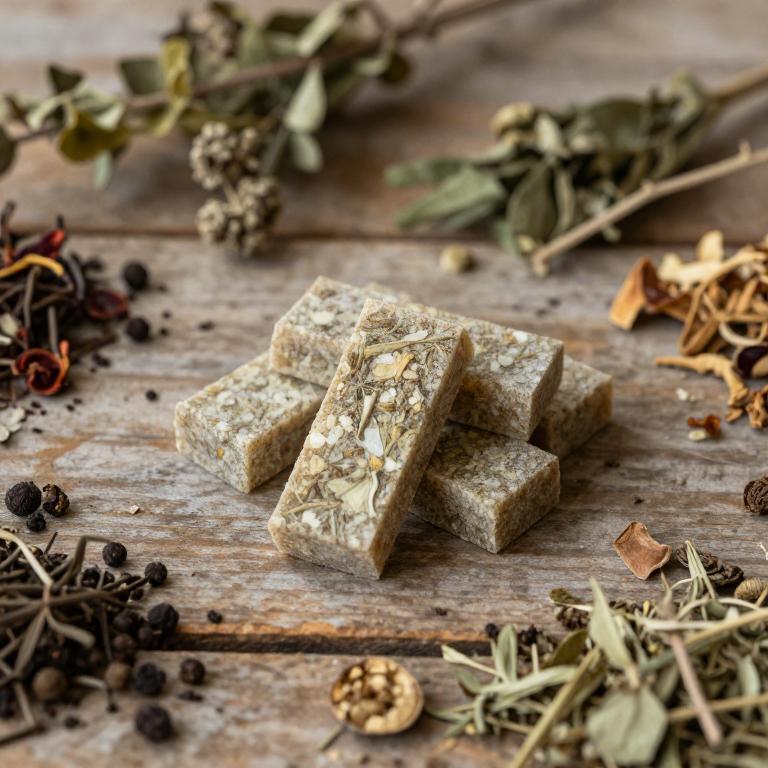
Piper nigrum, commonly known as black pepper, is an herbal remedy that has been traditionally used to alleviate symptoms of hyperacidity due to its potential anti-inflammatory and antioxidant properties.
When formulated into lozenges, piper nigrum can provide a convenient and targeted way to soothe excess stomach acid and reduce irritation in the digestive tract. The active compound, piperine, may help enhance the effectiveness of other digestive herbs and promote better gastric motility. These lozenges are often recommended as a natural alternative to conventional antacids, offering a mild and gentle approach to managing hyperacidity.
However, individuals with sensitive stomachs or those taking other medications should consult a healthcare professional before use.
7. Ceylon cinnamon (Cinnamomum verum)
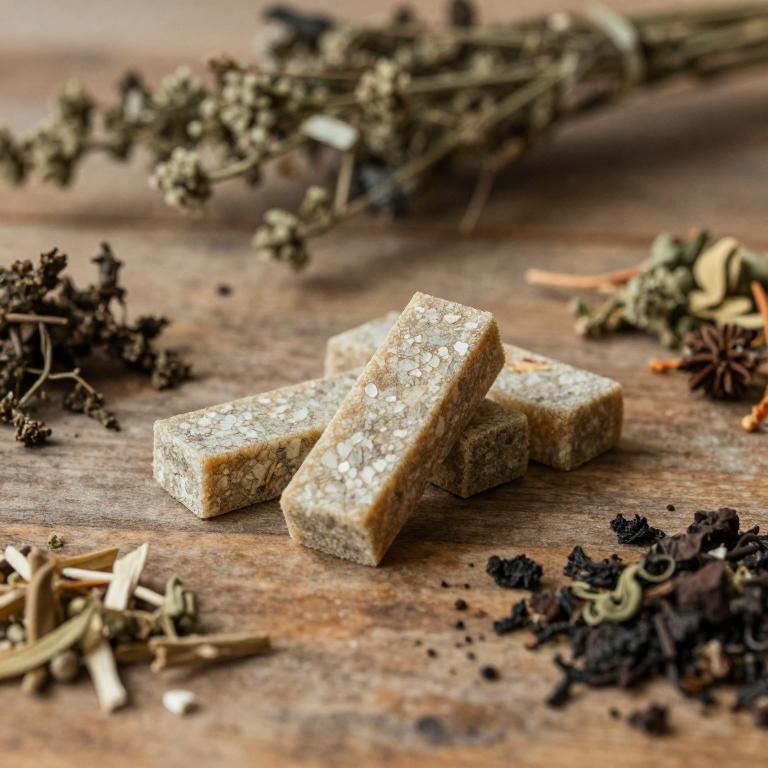
Cinnamomum verum, commonly known as true cinnamon, is traditionally used in herbal medicine for its soothing and anti-inflammatory properties.
Herbal lozenges made from Cinnamomum verum can help alleviate symptoms of hyperacidity by coating the throat and reducing irritation caused by excess stomach acid. The essential oils in cinnamon have mild antacid effects, which may help neutralize acid in the stomach. These lozenges are often preferred as a natural alternative to over-the-counter antacids, offering a pleasant taste and minimal side effects.
When used regularly, cinnamon lozenges may support digestive health and provide relief from occasional heartburn and indigestion.
8. Negundo vitex (Vitex negundo)
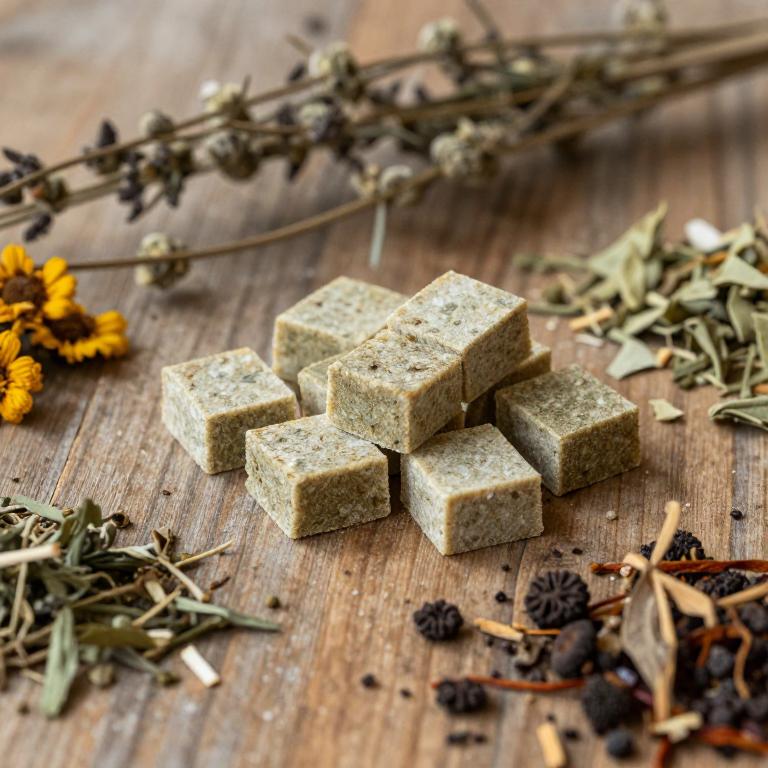
Vitex negundo, also known as chaste tree or vitex, is traditionally used in herbal medicine for its potential soothing and anti-inflammatory properties.
Vitex negundo herbal lozenges are formulated to provide natural relief from hyperacidity by reducing excess stomach acid and promoting a balanced digestive environment. These lozenges work by calming the stomach lining and may help alleviate symptoms such as heartburn and indigestion. They are often preferred by individuals seeking a natural alternative to conventional antacids.
Regular use of Vitex negundo lozenges may support long-term digestive health when combined with a healthy diet and lifestyle.
9. Ceylon cinnamon (Cinnamomum zeylanicum)
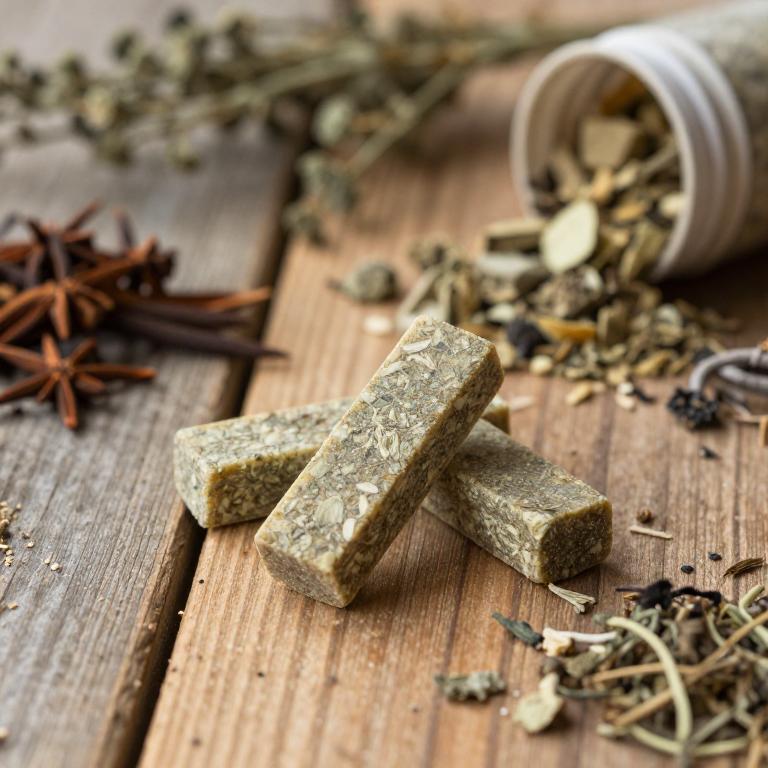
Cinnamomum zeylanicum, commonly known as cinnamon, is often used in herbal lozenges to alleviate symptoms of hyperacidity due to its natural anti-inflammatory and antacid properties.
These lozenges work by soothing the lining of the esophagus and stomach, reducing irritation caused by excess stomach acid. The essential oils in cinnamon help neutralize acid and promote a feeling of relief, making them a popular alternative to conventional antacids. Additionally, cinnamon has a warming effect that can ease discomfort and improve digestion.
Regular use of these herbal lozenges may help manage mild cases of hyperacidity while supporting overall digestive health.
10. Turmeric (Curcuma longa)
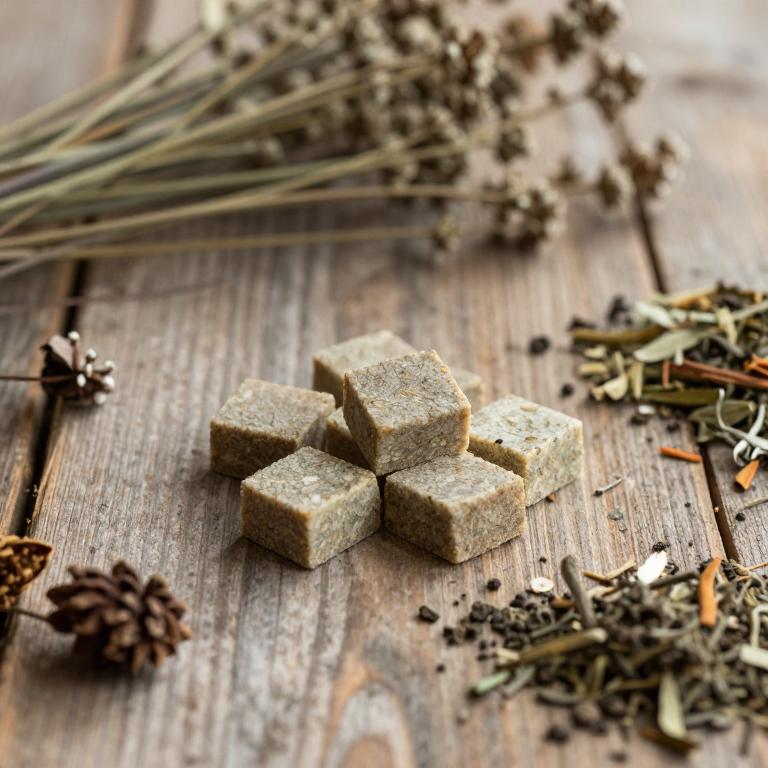
Curcuma longa, commonly known as turmeric, is a traditional herbal remedy that has been used for centuries to support digestive health.
Curcuma longa herbal lozenges are formulated to provide natural relief from hyperacidity by leveraging the anti-inflammatory and antioxidant properties of curcumin, the active compound in turmeric. These lozenges work by soothing the lining of the esophagus and stomach, reducing irritation caused by excess stomach acid. They are often preferred as a natural alternative to conventional antacids, offering a gentler and more holistic approach to managing acid reflux symptoms.
Regular use of curcuma longa lozenges may help in maintaining a balanced digestive environment and preventing recurring episodes of hyperacidity.