10 Best Herbal Lozenges For Hot Flashes
Herbal lozenges have gained popularity as a natural remedy for managing hot flashes, particularly among women undergoing menopause.
These lozenges often contain ingredients such as black cohosh, sage, and red clover, which are believed to have estrogen-like properties that may help regulate body temperature and reduce the frequency and intensity of hot flashes. Unlike pharmaceutical treatments, herbal lozenges are generally considered safe with fewer side effects, making them an appealing option for many. However, their effectiveness can vary, and it is important to consult a healthcare provider before use, especially if taking other medications.
Overall, herbal lozenges offer a gentle, alternative approach to alleviating the discomfort of hot flashes.
Table of Contents
- 1. Chaste tree (Vitex agnus-castus)
- 2. Black cohosh (Cimicifuga racemosa)
- 3. English lavender (Lavandula angustifolia)
- 4. Ginger (Zingiber officinale)
- 5. Stinging nettle (Urtica dioica)
- 6. Rosemary (Rosmarinus officinalis)
- 7. European plum (Prunus domestica)
- 8. Licorice (Glycyrrhiza glabra)
- 9. Field horsetail (Equisetum arvense)
- 10. Echinacea (Echinacea purpurea)
1. Chaste tree (Vitex agnus-castus)
Vitex agnus-castus, commonly known as chaste tree, has been traditionally used to support hormonal balance and may help alleviate symptoms of menopause, including hot flashes.
Herbal lozenges containing Vitex agnus-castus are designed to be convenient and easy to incorporate into daily routines, offering a natural alternative to conventional treatments. These lozenges typically contain standardized extracts of the herb to ensure consistent potency and efficacy. Some studies suggest that Vitex may influence the hypothalamus-pituitary-adrenal (HPA) axis, potentially reducing the frequency and intensity of hot flashes.
As with any herbal supplement, it is advisable to consult with a healthcare provider before use, especially for individuals with existing health conditions or those taking other medications.
2. Black cohosh (Cimicifuga racemosa)
Cimicifuga racemosa, commonly known as black cohosh, has been traditionally used to alleviate menopausal symptoms, including hot flashes.
Herbal lozenges containing Cimicifuga racemosa are designed to provide a convenient and targeted form of this remedy, allowing for consistent dosing throughout the day. Clinical studies suggest that black cohosh may help reduce the frequency and intensity of hot flashes by modulating hormonal activity and influencing the central nervous system. These lozenges are often preferred over other forms of black cohosh due to their ease of use and potential for better absorption.
However, it is important to consult a healthcare provider before use, as they may interact with certain medications or have side effects in some individuals.
3. English lavender (Lavandula angustifolia)
Lavandula angustifolia, commonly known as English lavender, has been traditionally used for its calming and soothing properties, and recent studies suggest it may offer relief for symptoms like hot flashes associated with menopause.
Herbal lozenges containing lavender extract are designed to be convenient and easy to use, allowing for consistent dosing throughout the day. These lozenges may help reduce the frequency and intensity of hot flashes by promoting relaxation and balancing hormonal fluctuations. While more research is needed, some women report improved comfort and reduced stress when using lavender-based remedies.
As with any herbal supplement, it is advisable to consult with a healthcare provider before incorporating lavender lozenges into a wellness routine.
4. Ginger (Zingiber officinale)
Zingiber officinale, commonly known as ginger, has been traditionally used for its soothing and anti-inflammatory properties, making it a popular ingredient in herbal lozenges for managing hot flashes.
These lozenges are designed to provide a convenient and natural way to alleviate the discomfort of hot flashes by leveraging ginger's thermoregulatory effects. Clinical studies suggest that ginger may help reduce the frequency and intensity of hot flashes by influencing hormonal balance and improving circulation. The soothing properties of ginger can also offer relief from the throat irritation often associated with frequent hot flashes.
As a herbal alternative, ginger lozenges are generally well-tolerated and can be a valuable addition to a holistic approach to menopausal symptom management.
5. Stinging nettle (Urtica dioica)
Urtica dioica, commonly known as stinging nettle, has been traditionally used for its potential health benefits, including relief from menopausal symptoms such as hot flashes.
Herbal lozenges made from Urtica dioica are designed to provide a natural and convenient method of consuming the plant's active compounds. These lozenges may help regulate body temperature and reduce the frequency and intensity of hot flashes due to their high content of minerals and antioxidants. Clinical studies suggest that Urtica dioica may support hormonal balance, which is often disrupted during menopause.
As a complementary therapy, these lozenges offer a gentle, plant-based option for women seeking relief from hot flashes without the side effects of conventional medications.
6. Rosemary (Rosmarinus officinalis)
Rosmarinus officinalis, commonly known as rosemary, has been traditionally used for its aromatic and medicinal properties, and recent studies suggest that rosemary herbal lozenges may offer relief for hot flashes, a common symptom of menopause.
These lozenges are formulated with concentrated rosemary extract, which contains compounds like rosmarinic acid and carnosic acid that may help regulate body temperature and reduce the frequency and intensity of hot flashes. The convenience of lozenge form makes it easy to use throughout the day, providing a natural and non-hormonal alternative for women seeking symptom management. Clinical trials have shown promising results, though more research is needed to fully understand their efficacy and long-term effects.
As a complementary therapy, rosemary lozenges can be incorporated into a holistic approach to managing menopausal symptoms under the guidance of a healthcare professional.
7. European plum (Prunus domestica)
Prunus domestica, commonly known as the European plum, has been traditionally used in herbal medicine for its potential to alleviate menopausal symptoms such as hot flashes.
Herbal lozenges made from Prunus domestica are designed to provide a natural and convenient option for women experiencing these uncomfortable symptoms. These lozenges may help regulate body temperature and reduce the frequency and intensity of hot flashes due to their phytoestrogen content. The soothing properties of the herb can also support overall comfort during menopause.
As with any herbal remedy, it is advisable to consult a healthcare provider before use to ensure safety and suitability for individual health conditions.
8. Licorice (Glycyrrhiza glabra)
Glycyrrhiza glabra, commonly known as licorice root, has been traditionally used in herbal medicine for its soothing properties.
Glycyrrhiza glabra herbal lozenges are often used to alleviate symptoms of hot flashes, which are common during menopause. The active compounds in licorice root, such as glycyrrhizin, may help regulate hormone levels and reduce the intensity of hot flashes. These lozenges provide a convenient and natural alternative for women seeking relief without synthetic medications.
However, it is important to consult with a healthcare provider before using licorice root, as it may interact with certain medications or have side effects in high doses.
9. Field horsetail (Equisetum arvense)
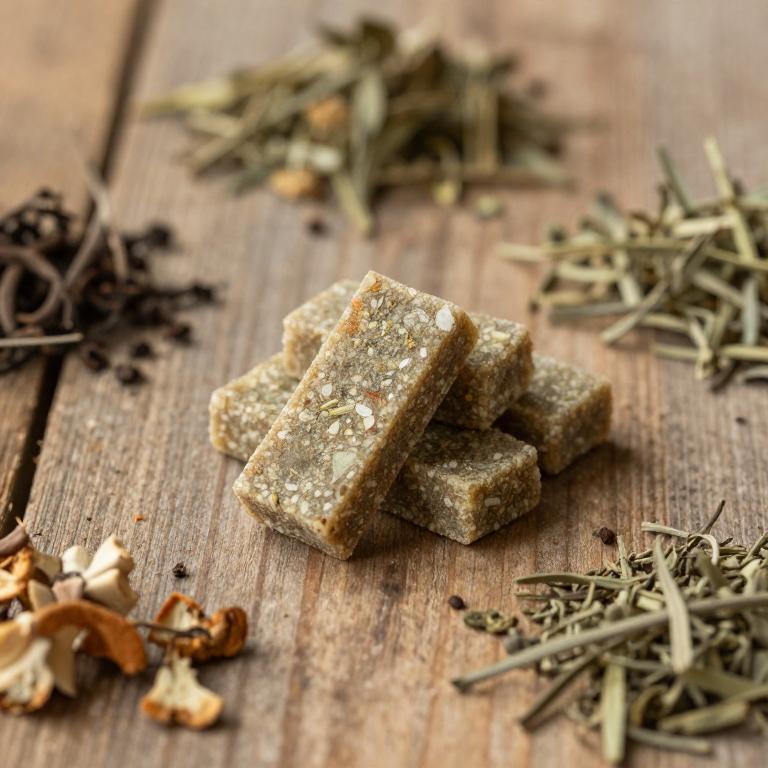
Equisetum arvense, commonly known as horsetail, is a herb that has been traditionally used for its high silica content and potential anti-inflammatory properties.
Herbal lozenges containing Equisetum arvense are often marketed as natural remedies for alleviating symptoms of hot flashes, particularly in women undergoing menopause. These lozenges are typically formulated with other adaptogenic herbs to enhance their effectiveness in balancing hormonal fluctuations. While some studies suggest that Equisetum may support overall hormonal health, more research is needed to confirm its specific efficacy for hot flashes.
As with any herbal supplement, it is advisable to consult a healthcare provider before use, especially for those with pre-existing medical conditions or taking other medications.
10. Echinacea (Echinacea purpurea)
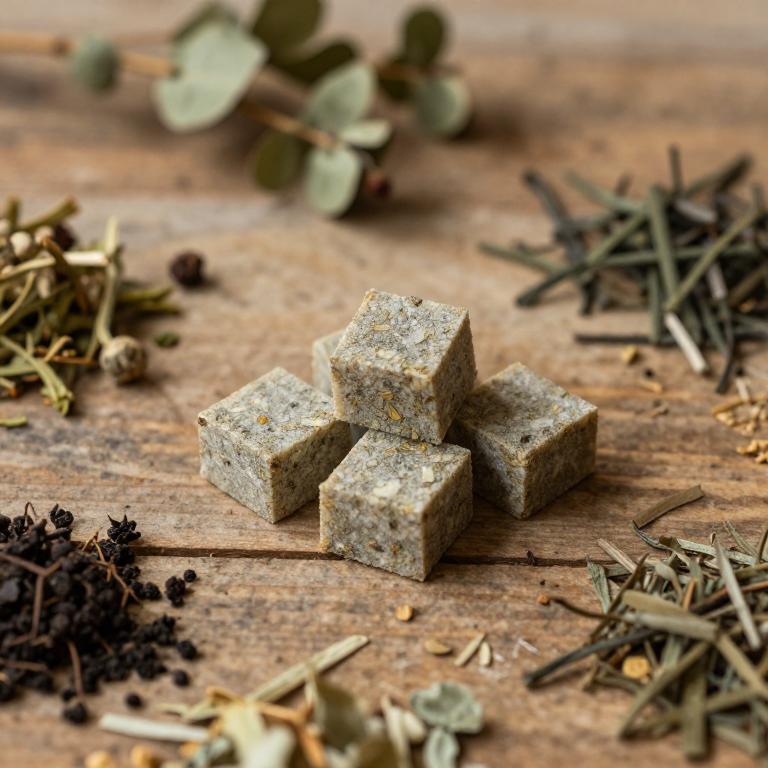
Echinacea purpurea herbal lozenges are traditionally used to support the body's natural defenses and may offer relief for symptoms associated with menopause, including hot flashes.
While scientific evidence on their effectiveness for hot flashes is limited, some studies suggest that echinacea may help regulate body temperature and reduce inflammatory responses, which could indirectly alleviate hot flash frequency. These lozenges are often made from dried echinacea root or herb and are typically available in natural health stores or online. Users should consult with a healthcare provider before use, especially if they are taking other medications or have underlying health conditions.
As a complementary therapy, echinacea purpurea lozenges may be considered by some women seeking natural alternatives to manage menopausal symptoms.