10 Best Herbal Juices For Hoarse Voice
Herbal juices can be a natural and effective remedy for a hoarse voice, offering soothing and healing properties that support vocal health.
Ingredients such as licorice root, ginger, and slippery elm are commonly used in herbal juices for their anti-inflammatory and demulcent effects, which help to reduce throat irritation and promote healing. These juices can be easily prepared at home by blending fresh herbs with water or a mild base like apple juice, making them a convenient option for daily use. Regular consumption of these herbal juices may help to alleviate symptoms of hoarseness caused by overuse, infection, or environmental irritants.
However, it is advisable to consult a healthcare professional before incorporating herbal remedies into your routine, especially if the hoarseness persists or is accompanied by other concerning symptoms.
Table of Contents
- 1. Rosemary (Rosmarinus officinalis)
- 2. Stinging nettle (Urtica dioica)
- 3. Chaste tree (Vitex agnus-castus)
- 4. Peppermint (Mentha piperita)
- 5. Licorice (Glycyrrhiza glabra)
- 6. Ginger (Zingiber officinale)
- 7. Thyme (Thymus vulgaris)
- 8. Echinacea (Echinacea purpurea)
- 9. Fennel (Foeniculum vulgare)
- 10. Black elderberry (Sambucus nigra)
1. Rosemary (Rosmarinus officinalis)
Rosmarinus officinalis, commonly known as rosemary, is a fragrant herb often used in herbal juices to support vocal health.
Its essential oils contain compounds like camphor and cineole, which have anti-inflammatory and decongestant properties that can help soothe a hoarse voice. When consumed as part of a herbal juice, rosemary may help reduce throat irritation and promote clearer speech by improving respiratory function. To prepare the juice, fresh rosemary leaves are typically blended with other soothing ingredients like ginger or honey.
While rosemary juice can be a natural complement to voice care, it is advisable to consult a healthcare professional for persistent or severe hoarseness.
2. Stinging nettle (Urtica dioica)
Urtica dioica, commonly known as stinging nettle, has been traditionally used for its medicinal properties, including its potential to support vocal health.
When prepared as a herbal juice, stinging nettle may help alleviate symptoms of a hoarse voice by reducing inflammation and promoting the healing of the throat lining. The juice is rich in antioxidants, vitamins, and minerals that can boost the immune system and support overall respiratory health. To prepare the juice, fresh stinging nettle leaves are typically washed, blended with water or a mild juice, and consumed in small quantities.
While it may offer some relief, it is advisable to consult a healthcare professional before using it, especially if the hoarseness persists or is caused by an underlying condition.
3. Chaste tree (Vitex agnus-castus)
Vitex agnus-castus, commonly known as chasteberry, is a herbal remedy that has been traditionally used to support hormonal balance and may indirectly benefit individuals with hoarse voice by addressing underlying hormonal imbalances.
While it is not a direct treatment for hoarseness, its potential to regulate the thyroid and adrenal glands may help alleviate voice-related symptoms caused by stress or hormonal fluctuations. Some herbal formulations containing vitex agnus-castus are combined with other herbs like licorice root or marshmallow root, which are known for their soothing effects on the throat. These herbal juices are often consumed as part of a holistic approach to vocal health, especially for those with chronic hoarseness linked to glandular or hormonal issues.
However, it is important to consult with a healthcare professional before using vitex agnus-castus, particularly if you have existing medical conditions or are taking other medications.
4. Peppermint (Mentha piperita)
Mentha piperita, commonly known as peppermint, is widely used in herbal remedies for its soothing properties.
Peppermint herbal juices are believed to help alleviate hoarse voice by reducing inflammation and irritation in the throat. The essential oils in peppermint have a cooling effect that can ease soreness and discomfort associated with vocal strain or infections. These juices are often recommended as a natural alternative to over-the-counter remedies for temporary relief.
Regular consumption of peppermint herbal juice may support overall respiratory health and improve vocal clarity.
5. Licorice (Glycyrrhiza glabra)
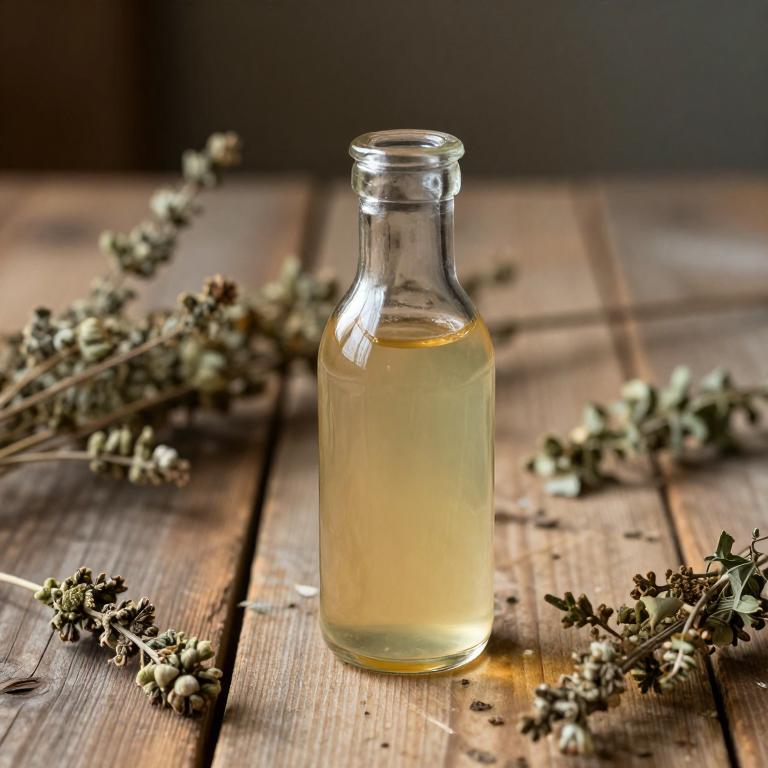
Glycyrrhiza glabra, commonly known as licorice root, has been traditionally used in herbal medicine for its soothing effects on the throat.
Licorice root juice is often prepared by extracting the active compounds from the root, which contain glycyrrhizin and other flavonoids that have anti-inflammatory and demulcent properties. These properties make licorice juice effective in reducing irritation and inflammation in the vocal cords, thereby helping to alleviate hoarseness. The juice can be consumed directly or mixed with water, honey, or other herbal remedies to enhance its therapeutic benefits.
However, long-term use of licorice root juice should be monitored, as excessive consumption may lead to side effects such as hypertension or fluid retention.
6. Ginger (Zingiber officinale)
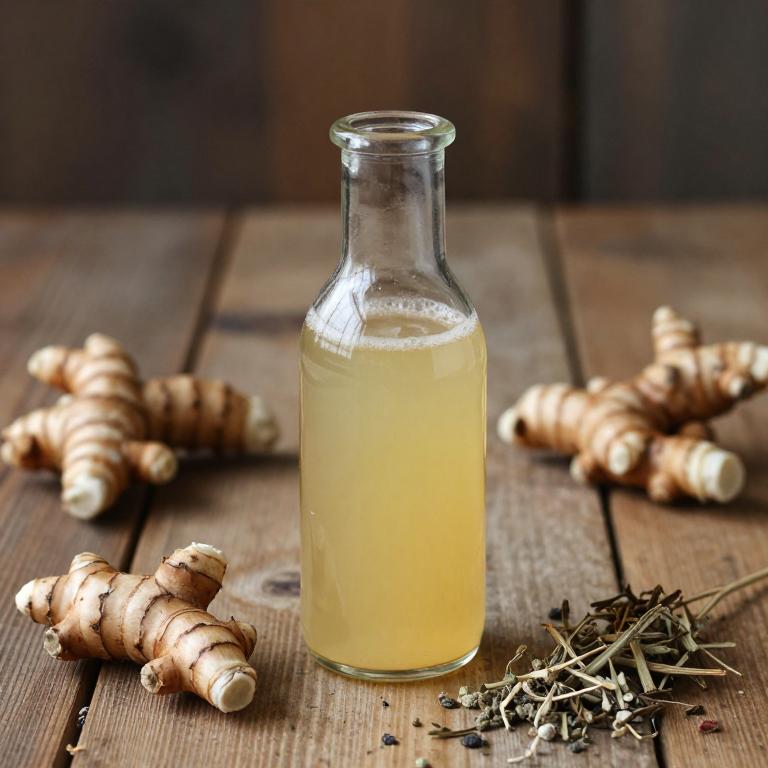
Zingiber officinale, commonly known as ginger, has been traditionally used for its medicinal properties, including its potential to soothe a hoarse voice.
Ginger contains anti-inflammatory and antioxidant compounds that may help reduce throat irritation and inflammation, which are common causes of hoarseness. When consumed as a herbal juice, ginger can provide a soothing effect on the vocal cords by promoting hydration and reducing mucus buildup. To prepare the juice, fresh ginger root is typically grated and blended with water or a mild fruit juice like lemon or pineapple.
Regular consumption of ginger herbal juice may support vocal health and alleviate symptoms associated with a hoarse voice, though it is advisable to consult a healthcare professional for persistent or severe cases.
7. Thyme (Thymus vulgaris)
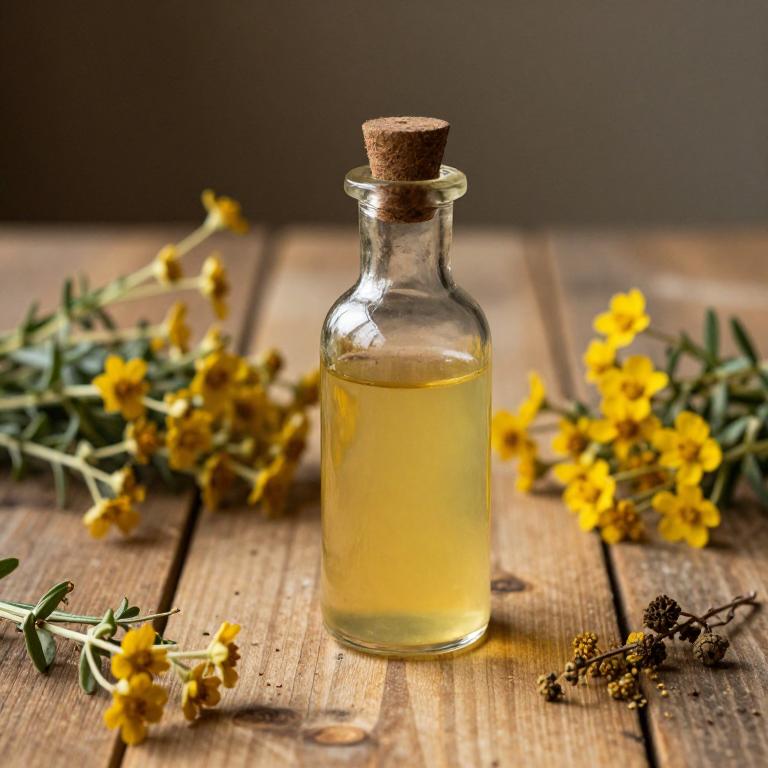
Thymus vulgaris, commonly known as thyme, is a herb that has been traditionally used for its medicinal properties, including its potential to alleviate symptoms of a hoarse voice.
The essential oils and extracts from thyme contain compounds like thymol and carvacrol, which have antimicrobial and anti-inflammatory effects that may help reduce throat irritation and inflammation. Thyme herbal juices are often consumed as a natural remedy to soothe the throat and promote vocal recovery. These juices can be prepared by steeping fresh or dried thyme in water or juice, making them easy to incorporate into a daily routine.
While thyme may offer some relief for hoarseness, it is advisable to consult a healthcare professional for persistent or severe voice issues.
8. Echinacea (Echinacea purpurea)

Echinacea purpurea, commonly known as purple coneflower, is a popular herbal remedy often used to support the immune system and reduce the duration of colds and respiratory infections.
While it is not specifically designed to treat hoarse voice, some people use echinacea herbal juices to soothe throat irritation and reduce inflammation, which can indirectly help with voice clarity. The anti-inflammatory and antimicrobial properties of echinacea may help alleviate symptoms associated with sore throats or mild infections that contribute to a hoarse voice. However, it is important to note that echinacea should not be used as a substitute for medical treatment, especially if the hoarseness is caused by a more serious condition.
Always consult with a healthcare provider before using echinacea or any herbal remedy, especially if you have underlying health conditions or are taking other medications.
9. Fennel (Foeniculum vulgare)
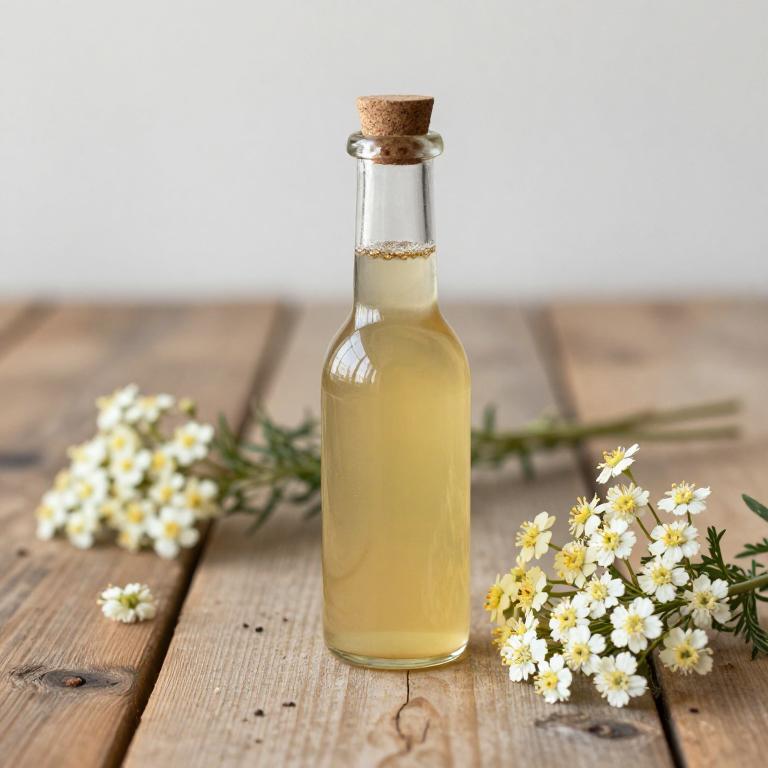
Foeniculum vulgare, commonly known as fennel, has been traditionally used in herbal medicine for its soothing properties, particularly for alleviating a hoarse voice.
The essential oils found in fennel, such as anethol and limonene, possess anti-inflammatory and antispasmodic effects that can help reduce throat irritation and ease vocal strain. Herbal juices made from fresh fennel seeds or leaves can be consumed as a natural remedy to support vocal health and promote recovery from laryngitis or vocal cord inflammation. To prepare the juice, simply blend fresh fennel leaves with a bit of water or honey and strain the mixture for a smooth, aromatic drink.
While fennel juice is generally safe, it is advisable to consult a healthcare professional before using it, especially for individuals with allergies or existing medical conditions.
10. Black elderberry (Sambucus nigra)

Sambucus nigra, commonly known as elderberry, is often used in herbal remedies for its potential soothing properties.
While traditionally used for immune support, some people find that elderberry juice may help alleviate symptoms of a hoarse voice by reducing inflammation in the throat. The juice contains antioxidants and anti-inflammatory compounds that may support overall throat health. However, it is important to note that scientific evidence specifically linking elderberry to the treatment of hoarseness is limited.
As with any herbal remedy, it is advisable to consult with a healthcare professional before use, especially if you have underlying health conditions or are taking other medications.