10 Best Herbal Essential Oils For Hoarse Voice
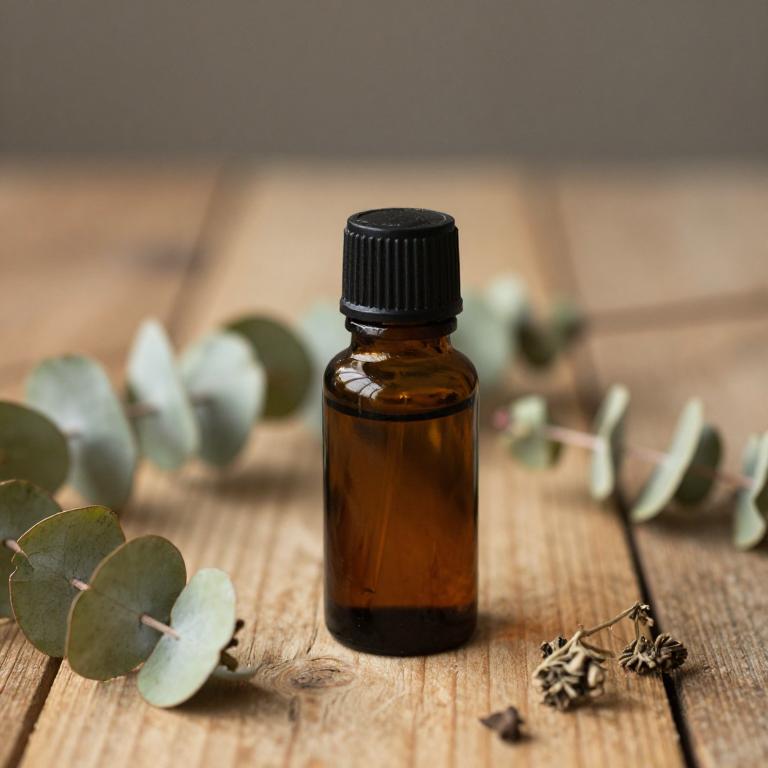
Herbal essential oils such as eucalyptus, peppermint, and lavender are commonly used to soothe a hoarse voice due to their anti-inflammatory and antimicrobial properties.
These oils can help reduce throat irritation and ease breathing, making them beneficial for individuals with vocal strain or respiratory infections. When used in a diffuser or applied topically with a carrier oil, they may provide relief by promoting relaxation and improving airway function. However, it is important to use them safely and consult with a healthcare professional, especially for those with sensitive skin or existing medical conditions.
Overall, herbal essential oils can be a natural complement to traditional remedies for managing hoarseness.
Table of Contents
- 1. Eucalyptus (Eucalyptus globulus)
- 2. Rosemary (Rosmarinus officinalis)
- 3. Thyme (Thymus vulgaris)
- 4. English lavender (Lavandula angustifolia)
- 5. Lemon balm (Melissa officinalis)
- 6. Ceylon cinnamon (Cinnamomum zeylanicum)
- 7. Citrus sinensis
- 8. Scots pine (Pinus sylvestris)
- 9. Ginger (Zingiber officinale)
- 10. Black pepper (Piper nigrum)
1. Eucalyptus (Eucalyptus globulus)
Eucalyptus globulus, commonly known as the Australian eucalyptus, is widely used in herbal medicine for its essential oils, which are known for their anti-inflammatory and decongestant properties.
The essential oil of eucalyptus globulus contains compounds like eucalyptol and cineole, which can help reduce inflammation in the throat and ease respiratory congestion. When used in aromatherapy or diluted in a carrier oil, it may provide relief for a hoarse voice by soothing irritated throat tissues. It is often recommended as a natural remedy for sore throats and vocal strain, particularly in individuals who use their voice frequently, such as singers or teachers.
However, it is important to use the oil safely and consult a healthcare professional before use, especially for those with allergies or existing medical conditions.
2. Rosemary (Rosmarinus officinalis)
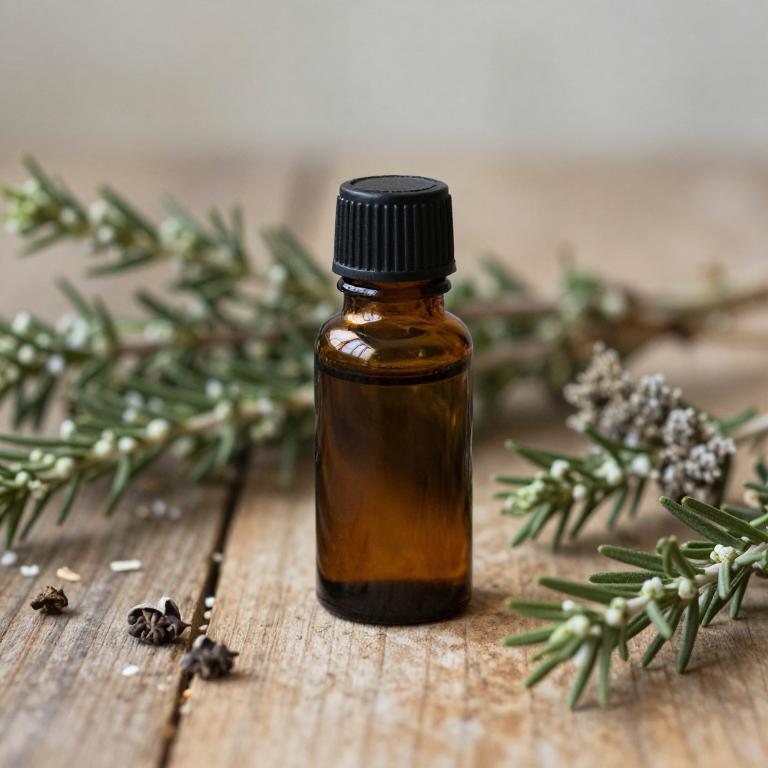
Rosmarinus officinalis, commonly known as rosemary, produces an essential oil that is often used for its therapeutic properties, including its potential to soothe a hoarse voice.
The oil contains compounds like cineole and camphor, which have anti-inflammatory and decongestant effects, helping to reduce throat irritation and inflammation. When used in steam inhalation or diluted in a carrier oil for topical application, rosemary essential oil may help alleviate symptoms of a sore or hoarse throat. It is important to note that while rosemary essential oil is generally considered safe when used properly, it should be diluted before applying to the skin and avoided during pregnancy or by individuals with certain medical conditions.
Overall, rosemary essential oil can be a valuable natural remedy for supporting vocal health and easing the discomfort of a hoarse voice.
3. Thyme (Thymus vulgaris)
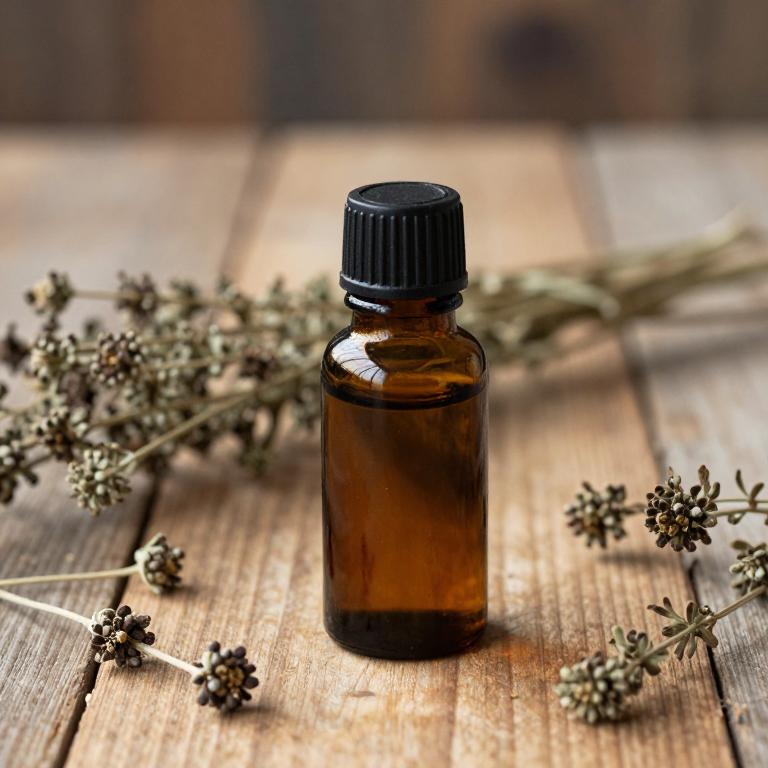
Thymus vulgaris, commonly known as thyme, is a popular herb used in aromatherapy for its potent essential oils, which are valued for their antimicrobial and anti-inflammatory properties.
The essential oil of thyme is often used to support respiratory health and can be beneficial for individuals experiencing a hoarse voice due to its ability to soothe irritated throat tissues. When diffused or applied topically, thyme essential oil may help reduce mucus buildup and ease vocal strain, promoting clearer vocal tone. It is typically diluted with a carrier oil before use to prevent skin irritation.
While thyme essential oil can be a helpful complementary therapy, it is advisable to consult with a healthcare professional before using it, especially for those with underlying health conditions or allergies.
4. English lavender (Lavandula angustifolia)
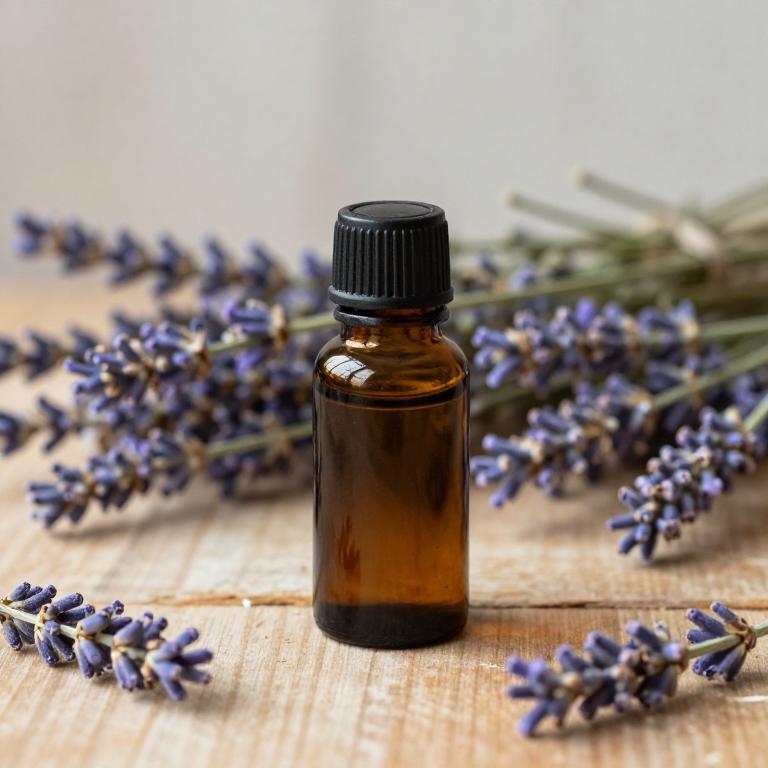
Lavandula angustifolia, commonly known as English lavender, is widely used in aromatherapy for its calming and soothing properties.
Its essential oil contains compounds like linalool and lavandin, which have anti-inflammatory and antiviral effects that may help alleviate symptoms of a hoarse voice. When inhaled through steam or diffused in a room, lavender oil can help reduce throat irritation and promote vocal recovery. It is often recommended as a natural remedy for temporary voice hoarseness caused by colds, allergies, or overuse of the voice.
However, it should be used with caution, especially for those with allergies or sensitive skin, and is best combined with other supportive care practices for optimal results.
5. Lemon balm (Melissa officinalis)
Melissa officinalis, commonly known as lemon balm, is a herb widely used in aromatherapy for its calming and soothing properties.
Its essential oil is particularly beneficial for individuals experiencing a hoarse voice, as it helps to reduce inflammation and ease throat discomfort. The oil contains compounds like linalool and geraniol, which have antispasmodic and anti-inflammatory effects that can support vocal cord health. When used in steam inhalation or diffused in a room, melissa essential oil can help to clear respiratory congestion and promote a more comfortable speaking voice.
However, it is important to dilute the oil properly and consult with a healthcare professional before use, especially for those with sensitive skin or existing medical conditions.
6. Ceylon cinnamon (Cinnamomum zeylanicum)
Cinnamomum zeylanicum, commonly known as Ceylon cinnamon, produces a valuable essential oil that has been traditionally used for its therapeutic properties.
This essential oil is known for its warming and antimicrobial qualities, which can support respiratory health and soothe an irritated throat. When used in aromatherapy or diluted for topical application, it may help reduce inflammation and ease symptoms of a hoarse voice. Its ability to promote circulation and its mild stimulating effects make it a beneficial addition to natural remedies for vocal strain.
However, it should be used with caution and diluted properly to avoid skin irritation.
7. Citrus sinensis
Citrus sinensis, commonly known as sweet orange, is a citrus fruit whose essential oil is valued for its calming and soothing properties.
The essential oil derived from its peel contains compounds like limonene and linalool, which are known for their anti-inflammatory and mucolytic effects. When used for a hoarse voice, citrus sinensis essential oil can help reduce inflammation in the throat and ease vocal strain. It is often used in aromatherapy or diluted in a carrier oil for application to the neck or inhaled through a diffuser.
This natural remedy may support vocal health and provide relief for individuals experiencing persistent hoarseness.
8. Scots pine (Pinus sylvestris)
Pinus sylvestris, commonly known as Scots pine, produces an essential oil that is valued for its aromatic and therapeutic properties, including its potential to soothe a hoarse voice.
The oil contains compounds like alpha-pinene and beta-pinene, which have anti-inflammatory and antimicrobial effects that may help reduce throat irritation and infection. When used in steam inhalations or diluted in a carrier oil for massage, it can provide relief by promoting respiratory comfort and easing vocal strain. Its refreshing scent also has a calming effect, which can support overall vocal recovery.
While it is not a substitute for medical treatment, it can be a helpful complementary remedy for those experiencing temporary hoarseness.
9. Ginger (Zingiber officinale)
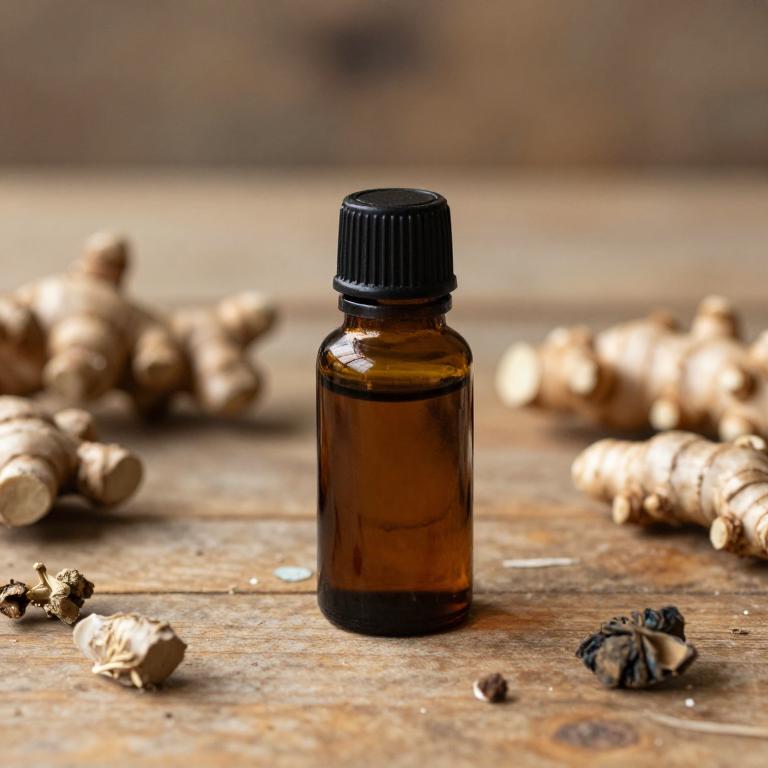
Zingiber officinale, commonly known as ginger, is a versatile herb whose essential oil has been traditionally used for its therapeutic properties.
The essential oil of ginger contains compounds like zingiberene and gingerol, which are known for their anti-inflammatory and antioxidant effects. When used for a hoarse voice, ginger essential oil can help reduce inflammation in the throat and soothe irritation, potentially easing vocal discomfort. It is often diluted with a carrier oil before being applied topically to the neck or inhaled through steam therapy to maximize its benefits.
While it may provide relief for some individuals, it is advisable to consult a healthcare professional before using essential oils, especially if the hoarseness is persistent or caused by an underlying condition.
10. Black pepper (Piper nigrum)
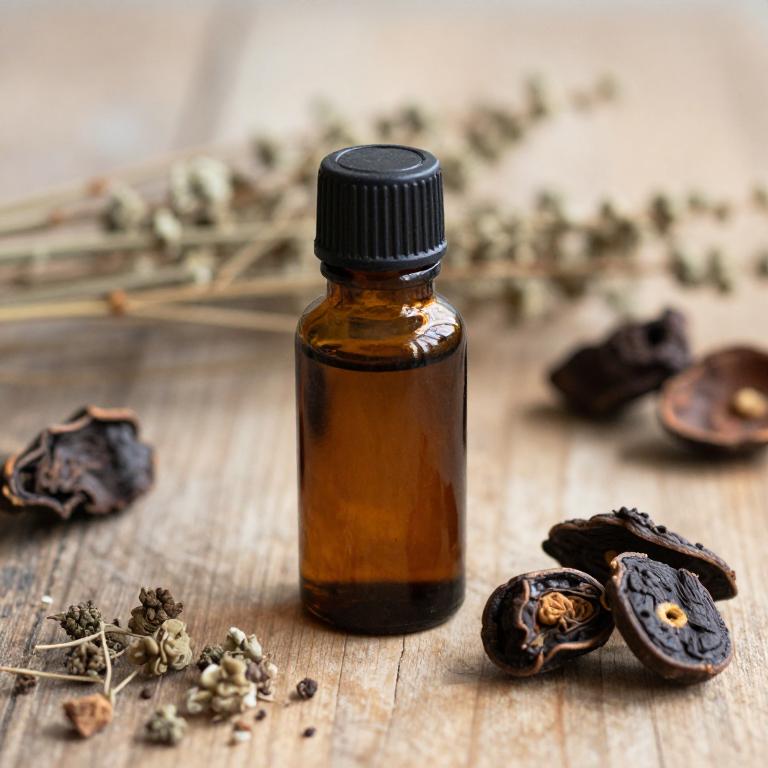
Piper nigrum, commonly known as black pepper, contains essential oils that have been traditionally used for their therapeutic properties.
The essential oils derived from black pepper are rich in compounds like piperine, which possess anti-inflammatory and antiseptic qualities. These properties may help soothe irritated vocal cords and reduce inflammation associated with a hoarse voice. When used in aromatherapy or as part of a steam inhalation, piper nigrum essential oil may support vocal health by promoting respiratory ease and reducing throat discomfort.
However, it is important to dilute the essential oil properly and consult with a healthcare professional before use, especially for those with sensitive skin or existing medical conditions.