10 Best Herbal Capsules For High Blood Pressure
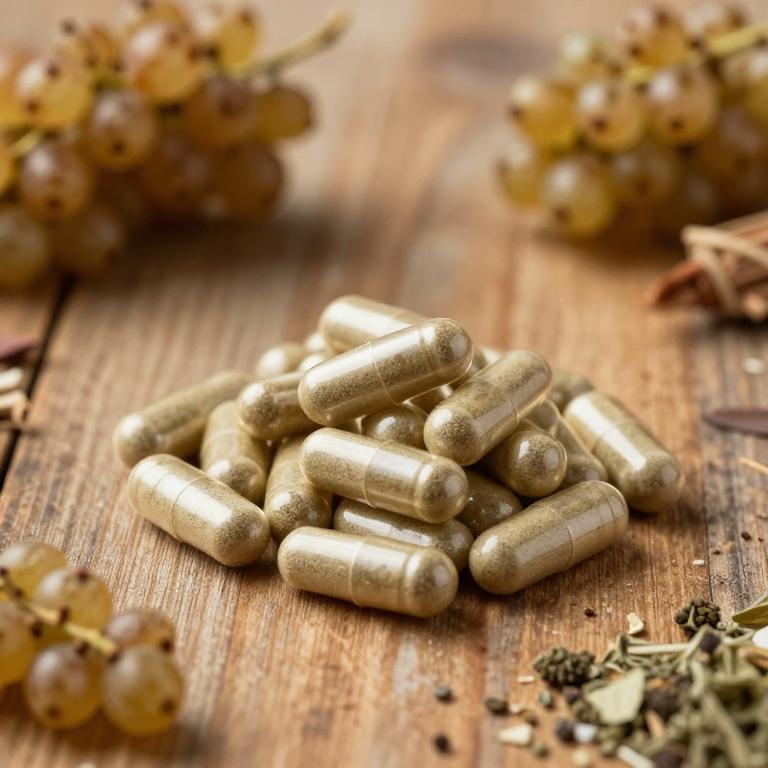
Herbal capsules for high blood pressure are dietary supplements that contain natural ingredients such as garlic, hibiscus, and green tea, which are believed to support cardiovascular health.
These capsules are often used as a complementary approach to conventional medication, helping to lower blood pressure naturally. They work by promoting better circulation, reducing oxidative stress, and improving overall heart function. However, it is important to consult a healthcare professional before using these supplements, as they may interact with other medications or have side effects.
While some studies suggest their effectiveness, more research is needed to fully understand their long-term benefits and safety.
Table of Contents
- 1. Common grape (Vitis vinifera)
- 2. Licorice (Glycyrrhiza glabra)
- 3. Thistle (Silybum marianum)
- 4. Salvia (Salvia officinalis)
- 5. Black pepper (Piper nigrum)
- 6. Ginger (Zingiber officinale)
- 7. Ceylon cinnamon (Cinnamomum verum)
- 8. Red sage (Salvia miltiorrhiza)
- 9. Panax ginseng (Panax ginseng)
- 10. Stinging nettle (Urtica dioica)
1. Common grape (Vitis vinifera)
Vitis vinifera herbal capsules, derived from the grapevine plant, are commonly used as a natural supplement to support cardiovascular health, particularly in managing high blood pressure.
These capsules contain resveratrol, a powerful antioxidant known for its potential to improve blood vessel function and reduce inflammation. Studies suggest that Vitis vinifera may help lower systolic and diastolic blood pressure by promoting better nitric oxide production, which relaxes blood vessels. However, it is important to consult with a healthcare provider before using these supplements, as they may interact with medications or have varying effects on different individuals.
While Vitis vinifera can be a complementary approach to blood pressure management, it should not replace prescribed medical treatments without professional guidance.
2. Licorice (Glycyrrhiza glabra)
Glycyrrhiza glabra, commonly known as licorice root, has been traditionally used in herbal medicine for its potential cardiovascular benefits.
Some studies suggest that licorice root may help lower blood pressure due to its ability to promote the excretion of sodium and water, thereby reducing fluid volume in the bloodstream. However, it is important to note that licorice root contains glycyrrhizin, which can have the opposite effect and may actually increase blood pressure in some individuals if consumed in large amounts or for prolonged periods. As a result, it is not recommended as a standalone treatment for high blood pressure and should be used with caution under the guidance of a healthcare professional.
Herbal capsules containing Glycyrrhiza glabra may offer some supportive benefits, but they should complement, not replace, conventional medical treatments for hypertension.
3. Thistle (Silybum marianum)
Silybum marianum, also known as milk thistle, is a herbal supplement commonly used for its potential liver-protective properties.
While it is not a direct treatment for high blood pressure, some studies suggest that it may support cardiovascular health by reducing oxidative stress and improving endothelial function. Herbal capsules containing silybum marianum are often marketed as complementary therapy for individuals with hypertension, though more research is needed to confirm their efficacy. It is important to consult a healthcare provider before using these supplements, especially if you are already on medication for high blood pressure.
As with any herbal remedy, the quality and consistency of silybum marianum capsules can vary, so choosing a reputable brand is essential.
4. Salvia (Salvia officinalis)
Salvia officinalis, commonly known as sage, has been traditionally used for its potential health benefits, including supporting cardiovascular health.
Some studies suggest that sage may help regulate blood pressure due to its antioxidant and anti-inflammatory properties. Herbal capsules containing salvia officinalis are often marketed as natural supplements to support healthy blood pressure levels. However, it is important to consult with a healthcare professional before using sage supplements, especially for individuals with hypertension or those on medication.
While preliminary research is promising, more clinical trials are needed to fully understand its efficacy and safety in managing high blood pressure.
5. Black pepper (Piper nigrum)
Piper nigrum, commonly known as black pepper, has been traditionally used in herbal medicine for its potential health benefits, including supporting cardiovascular health.
The active compound in black pepper, piperine, is believed to enhance the bioavailability of other nutrients and may contribute to its effects on blood pressure regulation. Some studies suggest that piper nigrum may help in lowering high blood pressure by improving circulation and reducing oxidative stress in the body. However, it is important to note that while black pepper may offer some supportive benefits, it should not replace prescribed medications for hypertension.
Individuals considering using piper nigrum herbal capsules for high blood pressure should consult with a healthcare professional to ensure safe and effective use.
6. Ginger (Zingiber officinale)
Zingiber officinale, commonly known as ginger, has been traditionally used for its potential health benefits, including its possible role in managing high blood pressure.
Herbal capsules containing zingiber officinale are often marketed as natural supplements that may help support cardiovascular health by promoting circulation and reducing inflammation. Studies suggest that ginger may influence blood pressure through its antioxidant and anti-inflammatory properties, though more research is needed to confirm its efficacy in clinical settings. When considering ginger capsules for hypertension, it is important to consult with a healthcare provider, as it may interact with certain medications or have varying effects on different individuals.
While ginger is generally safe when consumed in moderate amounts, its role as a standalone treatment for high blood pressure should not replace prescribed medical therapies.
7. Ceylon cinnamon (Cinnamomum verum)
Cinnamomum verum, commonly known as true cinnamon, has been studied for its potential benefits in managing high blood pressure due to its rich content of bioactive compounds such as polyphenols and cinnamic acid.
These compounds may help improve endothelial function and reduce oxidative stress, both of which are linked to hypertension. Herbal capsules made from Cinnamomum verum are often used as a complementary therapy to support cardiovascular health, though they should not replace prescribed medications. Research suggests that regular consumption of cinnamon may contribute to modest reductions in blood pressure, but more studies are needed to confirm its efficacy.
As with any herbal supplement, it is important to consult a healthcare provider before use, especially for individuals with existing medical conditions or those taking other medications.
8. Red sage (Salvia miltiorrhiza)
Salvia miltiorrhiza, commonly known as Salvia or Chinese sage, is a traditional herbal remedy that has been used for centuries in Chinese medicine.
Its active compounds, such as tanshinones and salvianolic acids, are believed to support cardiovascular health by improving blood flow and reducing oxidative stress. Some studies suggest that Salvia miltiorrhiza herbal capsules may help lower blood pressure by promoting vasodilation and reducing inflammation in blood vessels. However, while preliminary research is promising, more clinical trials are needed to confirm its efficacy and safety for managing hypertension.
As with any supplement, it is important to consult a healthcare provider before using Salvia miltiorrhiza, especially if you are on medication for high blood pressure.
9. Panax ginseng (Panax ginseng)
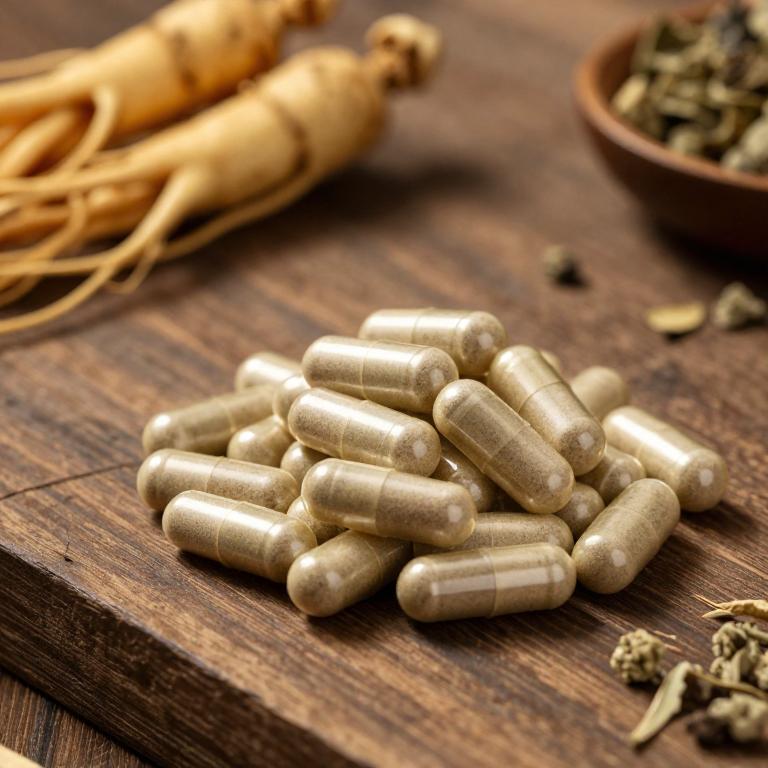
Panax ginseng, a popular adaptogenic herb, has been traditionally used to support overall health and vitality.
While some studies suggest that it may have mild hypotensive effects, its role in managing high blood pressure remains inconclusive and requires further scientific validation. Herbal capsules containing Panax ginseng are often marketed for their potential to reduce stress and enhance energy, which could indirectly benefit individuals with hypertension. However, it is important to consult a healthcare provider before using Panax ginseng, as it may interact with certain medications or have varying effects on different individuals.
Overall, while Panax ginseng may offer some cardiovascular benefits, it should not be considered a substitute for standard medical treatments for high blood pressure.
10. Stinging nettle (Urtica dioica)
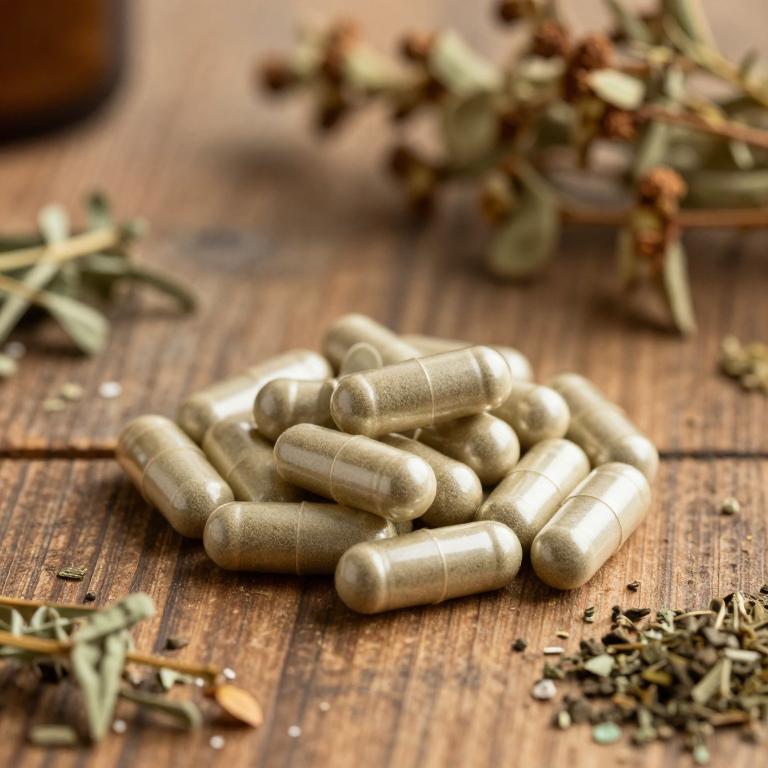
Urtica dioica, commonly known as stinging nettle, has been traditionally used in herbal medicine for its potential health benefits, including support for blood pressure regulation.
Urtica dioica herbal capsules are formulated to provide concentrated extracts of the plant, which may help in managing high blood pressure due to their high content of minerals like potassium and magnesium. These nutrients are known to support cardiovascular health by promoting proper fluid balance and relaxing blood vessels. Some studies suggest that stinging nettle may have diuretic properties that can aid in reducing excess sodium and water retention, thereby lowering blood pressure.
However, it is important to consult a healthcare professional before using urtica dioica capsules, especially for individuals with existing health conditions or those on medication for hypertension.