10 Best Herbal Lozenges For Hiccups
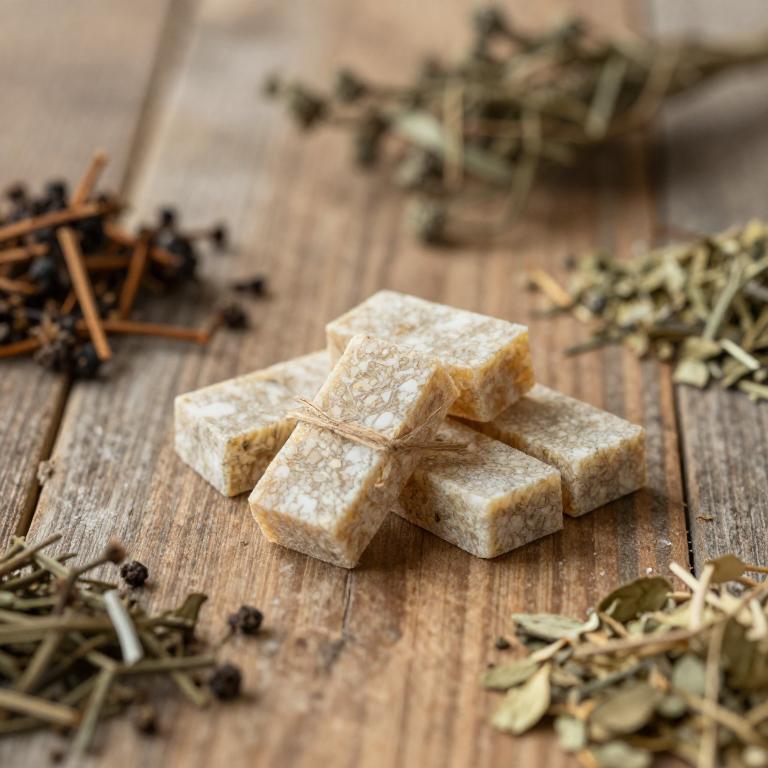
Herbal lozenges for hiccups are natural remedies that combine soothing herbs with menthol or other aromatic compounds to help alleviate the persistent, involuntary spasms of the diaphragm.
These lozenges are often formulated with ingredients like fennel, ginger, peppermint, and licorice root, which are known for their ability to relax the muscles and ease irritation in the throat. By stimulating the vagus nerve or providing a cooling effect, these lozenges may help break the hiccup cycle and offer quick relief. They are generally considered safe for most adults and children, though it's advisable to consult a healthcare professional if hiccups persist for an extended period.
Overall, herbal lozenges offer a gentle, alternative approach to managing hiccups without the side effects of over-the-counter medications.
Table of Contents
- 1. Cumin (Cuminum cyminum)
- 2. Ginger (Zingiber officinale)
- 3. Fennel (Foeniculum vulgare)
- 4. Peppermint (Mentha piperita)
- 5. Kava (Piper methysticum)
- 6. Licorice (Glycyrrhiza glabra)
- 7. Ceylon cinnamon (Cinnamomum verum)
- 8. Dill (Anethum graveolens)
- 9. Dog rose (Rosa canina)
- 10. Chaste tree (Vitex agnus-castus)
1. Cumin (Cuminum cyminum)
Cuminum cyminum, commonly known as cumin, has been traditionally used in herbal medicine for its digestive and soothing properties.
Cuminum cyminum herbal lozenges are formulated to provide natural relief from hiccups by leveraging the herb's carminative and anti-spasmodic effects. These lozenges work by gently calming the spasms in the diaphragm and esophagus that often cause hiccups. The aromatic compounds in cumin help stimulate digestion and ease the discomfort associated with persistent hiccups.
As a natural alternative to conventional remedies, cuminum cyminum lozenges offer a safe and soothing option for those seeking herbal relief.
2. Ginger (Zingiber officinale)
Zingiber officinale, commonly known as ginger, has been traditionally used to alleviate various digestive and respiratory ailments, including hiccups.
Ginger herbal lozenges are formulated to provide a soothing and effective remedy for persistent hiccups by leveraging the plant's natural anti-inflammatory and carminative properties. The active compounds in ginger, such as gingerol and shogaol, help relax the diaphragm and reduce irritation that may trigger hiccups. These lozenges are often preferred for their convenience and ease of use, making them a popular choice for individuals seeking natural relief.
However, it is advisable to consult a healthcare professional if hiccups persist for an extended period, as they may indicate an underlying health condition.
3. Fennel (Foeniculum vulgare)
Foeniculum vulgare, commonly known as fennel, has been traditionally used in herbal medicine for its digestive and respiratory benefits.
Fennel herbal lozenges are formulated to help alleviate hiccups by soothing the throat and reducing irritation that may trigger the reflex. The active compounds in fennel, such as anethol and flavonoids, are believed to relax the diaphragm and ease the spasms associated with hiccups. These lozenges are often preferred for their mild, pleasant taste and natural formulation, making them suitable for regular use.
While they are generally safe, it is advisable to consult a healthcare professional if hiccups persist or are accompanied by other symptoms.
4. Peppermint (Mentha piperita)
Mentha piperita, commonly known as peppermint, is a popular herbal remedy used in the form of lozenges to alleviate hiccups.
These lozenges work by stimulating the release of saliva and providing a cooling sensation that can help relax the diaphragm and interrupt the hiccup reflex. The menthol content in peppermint lozenges is believed to soothe the throat and reduce irritation that may contribute to hiccups. They are generally considered safe for most adults and can be used as a natural alternative to over-the-counter medications.
However, individuals with certain medical conditions or allergies should consult a healthcare professional before using peppermint lozenges.
5. Kava (Piper methysticum)
Piper methysticum, commonly known as kava, has been traditionally used in Polynesian cultures for its calming and sedative effects.
While it is not typically used for hiccups, some individuals have explored its potential in alleviating persistent hiccups due to its muscle-relaxing properties. Herbal lozenges containing piper methysticum may help ease the spasmodic contractions of the diaphragm associated with hiccups by promoting relaxation of the respiratory muscles. However, it is important to note that there is limited scientific research supporting its efficacy for this specific use.
As with any herbal remedy, it should be used cautiously and under the guidance of a healthcare professional.
6. Licorice (Glycyrrhiza glabra)
Glycyrrhiza glabra, commonly known as licorice root, has been traditionally used in herbal medicine for its soothing effects on the respiratory and digestive systems.
Glycyrrhiza glabra herbal lozenges are formulated to provide relief from hiccups by calming the muscles of the diaphragm and reducing irritation in the throat. The active compounds in licorice root, such as glycyrrhizin and flavonoids, may help to relax the involuntary spasms that cause hiccups. These lozenges are often preferred for their mild, sweet taste and easy administration, making them suitable for both adults and children.
However, long-term use should be monitored due to potential side effects related to corticosteroid-like effects of glycyrrhizin.
7. Ceylon cinnamon (Cinnamomum verum)
Cinnamomum verum, also known as true cinnamon, has been traditionally used in herbal remedies for its soothing properties.
Cinnamon verum herbal lozenges are formulated to help alleviate hiccups by calming the膈 (diaphragm) and reducing spasms. These lozenges are often made with a blend of cinnamon and other natural ingredients to promote digestive comfort. The aromatic compounds in cinnamon may help relax the muscles involved in hiccups, making them a gentle and natural remedy.
While not a cure for chronic hiccups, these lozenges can offer relief for occasional and mild cases.
8. Dill (Anethum graveolens)
Anethum graveolens, commonly known as star anise, is a traditional herbal remedy that has been used for centuries to alleviate hiccups due to its carminative and antispasmodic properties.
When formulated into herbal lozenges, star anise provides a convenient and soothing method of consumption, allowing the active compounds to be released slowly in the mouth and throat. These lozenges work by relaxing the diaphragm and reducing the spasms that cause hiccups, offering a natural alternative to conventional remedies. The aromatic and warming qualities of star anise also help to comfort the throat and ease the discomfort associated with persistent hiccups.
As a result, Anethum graveolens herbal lozenges are a popular choice for those seeking a gentle, plant-based solution to manage occasional or chronic hiccups.
9. Dog rose (Rosa canina)
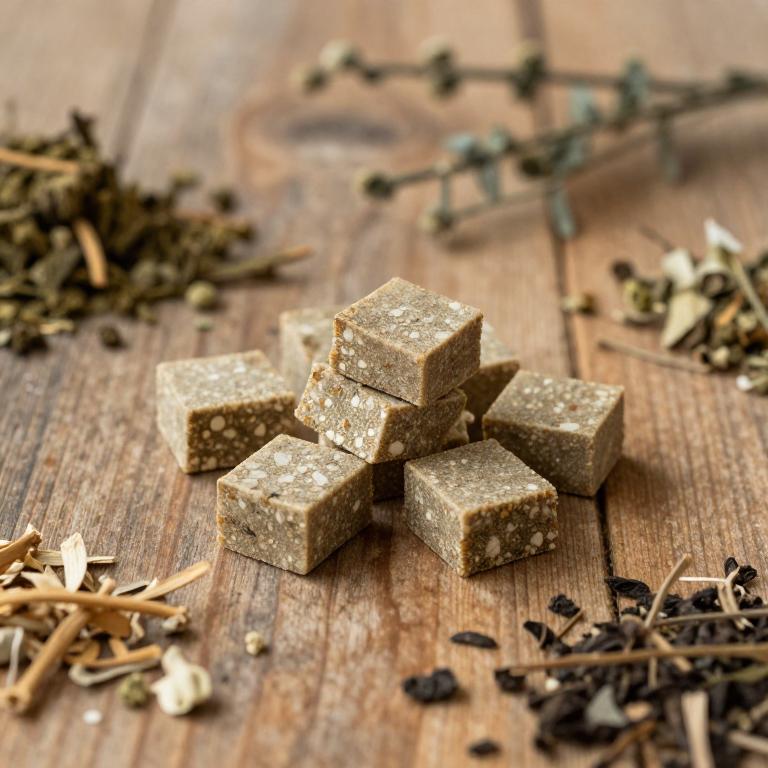
Rosa canina herbal lozenges are a natural remedy designed to alleviate hiccups by leveraging the soothing properties of rose hips.
These lozenges contain a blend of herbal ingredients, including rose hip extract, which is rich in vitamin C and antioxidants, known to support overall respiratory health. The gentle formulation makes them suitable for adults and children, offering a safe and effective alternative to over-the-counter medications. By promoting a calming effect on the throat and reducing irritation, these lozenges help to ease the spasmodic contractions that cause hiccups.
Regular use of Rosa canina lozenges can provide relief from occasional hiccups and support a more comfortable breathing experience.
10. Chaste tree (Vitex agnus-castus)
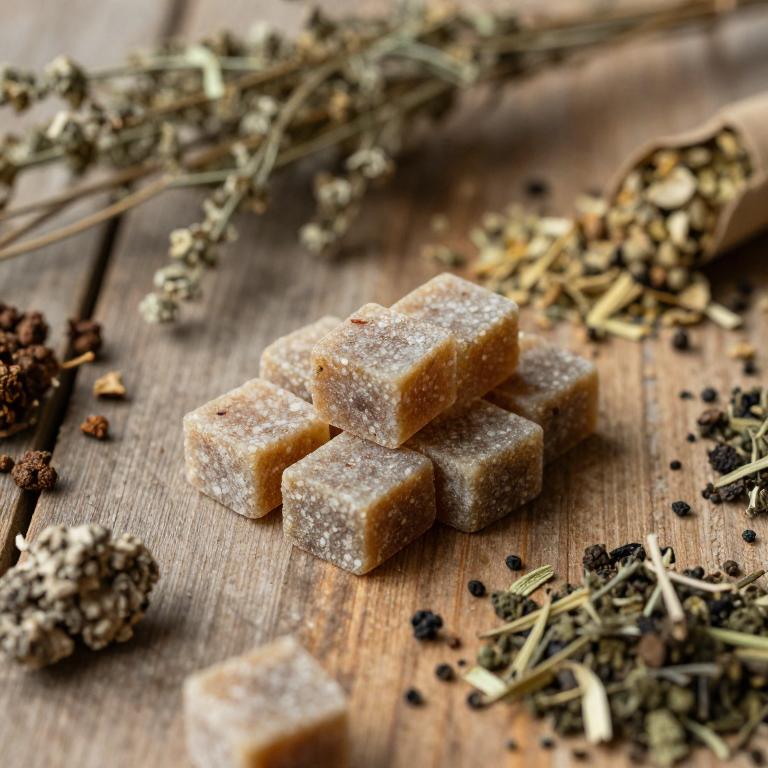
Vitex agnus-castus, commonly known as chasteberry, has been traditionally used in herbal medicine for its potential calming and digestive properties.
Herbal lozenges containing Vitex agnus-castus are formulated to soothe the throat and may help alleviate hiccups by reducing spasms in the diaphragm. These lozenges are often preferred by individuals seeking natural remedies for occasional hiccups without the side effects of over-the-counter medications. The soothing effect of the lozenges can also help ease the discomfort associated with persistent hiccups.
However, it is advisable to consult a healthcare professional before using Vitex-based lozenges, especially for prolonged or severe cases.