10 Best Herbal Capsules For Hiccups
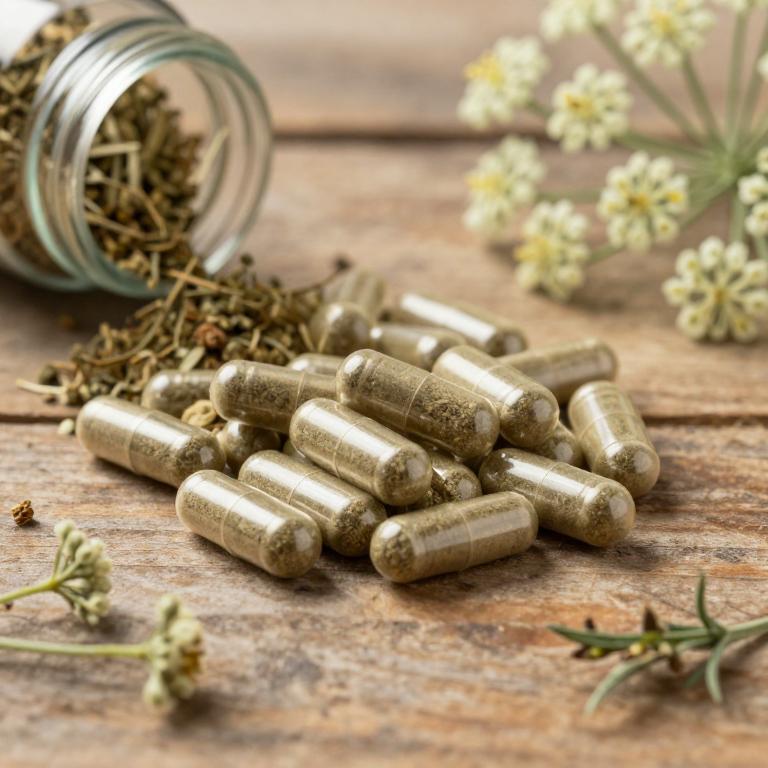
Herbal capsules for hiccups are natural remedies that aim to alleviate the persistent, involuntary spasms of the diaphragm.
These capsules typically contain a blend of traditional herbs such as ginger, fennel, and licorice root, which are believed to soothe the digestive system and reduce irritation. They are often preferred by individuals seeking alternative or complementary treatments to conventional medications. Herbal capsules are generally considered safe when used as directed, though they may interact with other medications or have side effects in some cases.
Many people find relief from hiccups through regular use of these herbal formulations, though results can vary depending on the underlying cause of the hiccups.
Table of Contents
- 1. Fennel (Foeniculum vulgare)
- 2. Licorice (Glycyrrhiza glabra)
- 3. Cumin (Cuminum cyminum)
- 4. Kava (Piper methysticum)
- 5. Chaste tree (Vitex agnus-castus)
- 6. Ginger (Zingiber officinale)
- 7. Peppermint (Mentha piperita)
- 8. Ceylon cinnamon (Cinnamomum verum)
- 9. Dog rose (Rosa canina)
- 10. Parsley (Petroselinum crispum)
1. Fennel (Foeniculum vulgare)
Foeniculum vulgare, commonly known as fennel, has been traditionally used to alleviate hiccups due to its carminative and antispasmodic properties.
Herbal capsules containing fennel are often recommended for their ability to relax the diaphragm and reduce the spasms that trigger hiccups. The essential oils in fennel, particularly anethol, are believed to aid in soothing the gastrointestinal tract and easing the nervous system's response to hiccups. These capsules are typically made from standardized fennel seed extract and are available in various dosages for different health needs.
While generally considered safe, it is advisable to consult a healthcare provider before using fennel capsules, especially for prolonged periods or in combination with other medications.
2. Licorice (Glycyrrhiza glabra)
Glycyrrhiza glabra, commonly known as licorice root, has been traditionally used in herbal medicine for its potential to soothe digestive issues, including hiccups.
The active compounds in licorice root, such as glycyrrhizin and flavonoids, may help relax the muscles of the esophagus and reduce spasms that contribute to hiccups. Glycyrrhiza glabra herbal capsules are often formulated to provide a concentrated dose of these beneficial compounds for ease of consumption. While generally considered safe when used in moderation, excessive use of licorice root can lead to side effects such as hypertension due to its effect on the adrenal glands.
As a natural remedy, licorice root capsules may offer a gentle and alternative approach for managing occasional hiccups.
3. Cumin (Cuminum cyminum)
Cuminum cyminum, commonly known as cumin, has been traditionally used in herbal medicine for its digestive and carminative properties.
When formulated into herbal capsules, cumin may help alleviate hiccups by promoting the expulsion of excess gas from the stomach and soothing the gastrointestinal tract. The essential oils in cumin, such as limonene and alpha-pinene, are believed to relax the diaphragm and reduce the spasms that cause hiccups. While some studies suggest that cumin may offer mild relief for persistent hiccups, it is important to consult a healthcare professional before using it as a treatment, especially for prolonged or severe cases.
Overall, cumin capsules can be a natural and complementary option for managing occasional hiccups when used appropriately.
4. Kava (Piper methysticum)
Piper methysticum, commonly known as kava, has been traditionally used for its calming and muscle-relaxing properties, and some people use its herbal capsules to help alleviate hiccups.
The active compounds in kava, such as kavalactones, may help reduce the spasmodic contractions of the diaphragm that cause hiccups by promoting relaxation of the muscles involved. While there is limited scientific research specifically on kava for hiccups, anecdotal evidence suggests it may be effective for some individuals. However, it is important to note that kava can have side effects and should be used with caution, especially in combination with other medications.
As with any herbal remedy, it is advisable to consult a healthcare professional before using kava capsules for hiccups.
5. Chaste tree (Vitex agnus-castus)
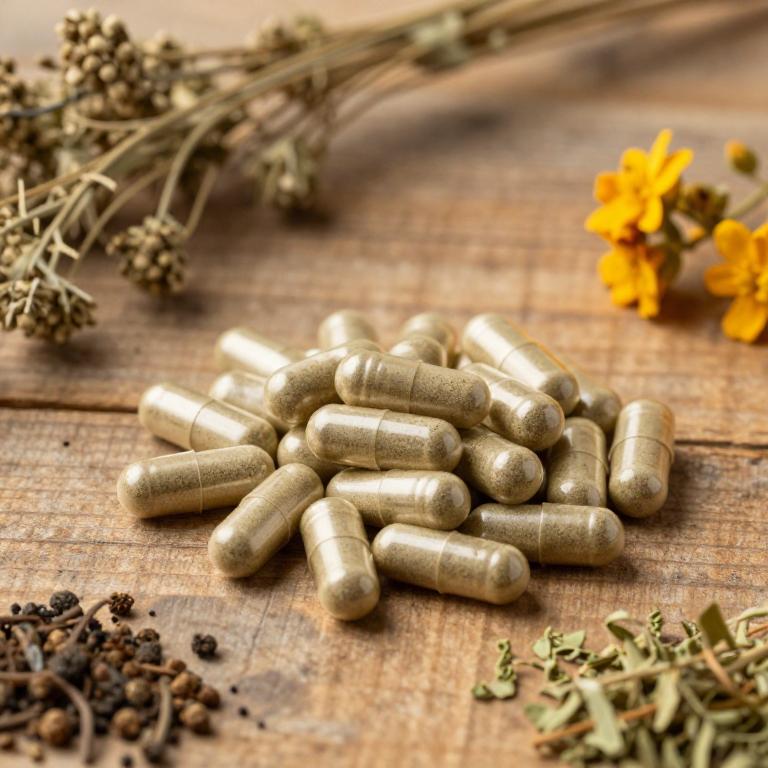
Vitex agnus-castus, commonly known as chasteberry, is a herbal remedy that has been traditionally used to support digestive health and alleviate various gastrointestinal discomforts, including hiccups.
While it is more widely recognized for its effects on hormonal balance and menstrual health, some anecdotal reports suggest it may help reduce the frequency of hiccups by calming the nervous system and reducing spasmodic contractions in the diaphragm. The herb works by influencing the central nervous system and possibly modulating the reflexes involved in hiccups. However, it is important to note that scientific evidence specifically linking vitex agnus-castus to the treatment of hiccups is limited, and more research is needed to confirm its efficacy in this regard.
As with any herbal supplement, it should be used under the guidance of a healthcare professional, especially for individuals with pre-existing medical conditions or those taking other medications.
6. Ginger (Zingiber officinale)
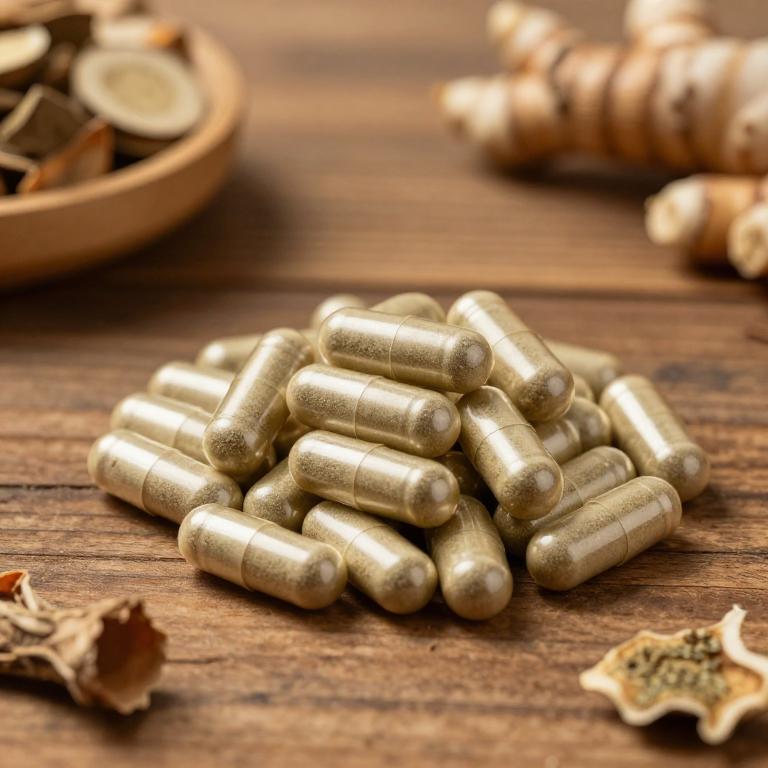
Zingiber officinale, commonly known as ginger, has been traditionally used for its digestive and anti-inflammatory properties, and it is often recommended for alleviating hiccups.
Herbal capsules containing zingiber officinale are a convenient and natural remedy that may help reduce the frequency and intensity of hiccups by soothing the gastrointestinal tract. These capsules work by stimulating digestion and reducing gas buildup, which are common causes of hiccups. They are generally considered safe for most adults when taken as directed, though they may interact with certain medications.
However, individuals with gastrointestinal issues or on blood-thinning medications should consult a healthcare provider before use.
7. Peppermint (Mentha piperita)
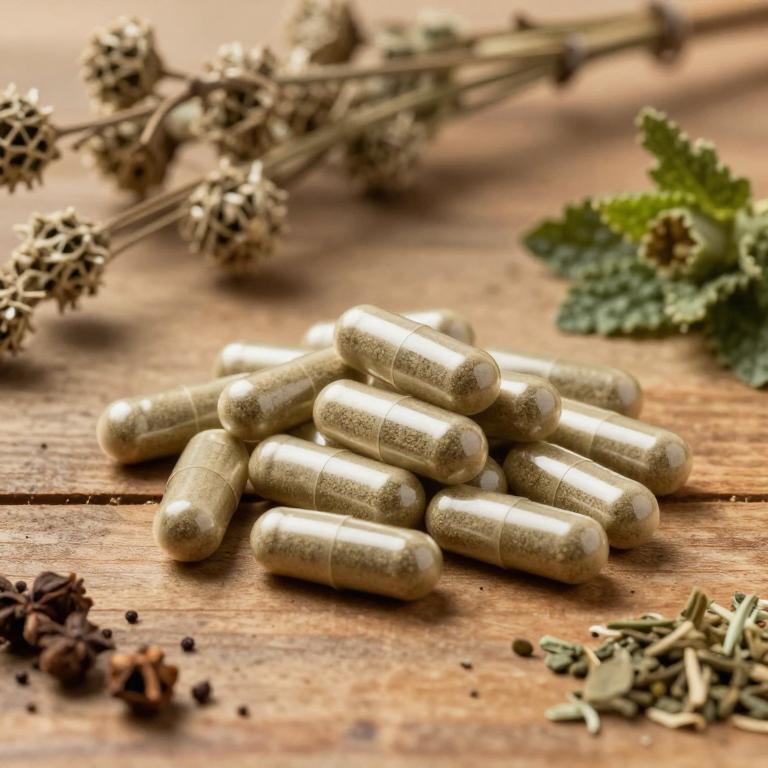
Mentha piperita, commonly known as peppermint, is a popular herbal remedy used in the form of capsules to alleviate hiccups.
These capsules contain concentrated extracts of fresh or dried peppermint leaves, which are known for their calming and soothing properties. Peppermint works by relaxing the muscles in the throat and digestive tract, which can help to ease the spasms that cause hiccups. The essential oils in peppermint, such as menthol, may also help to reduce irritation and promote a sense of relief.
When taken as directed, peppermint herbal capsules can be a natural and effective option for managing occasional hiccups without the use of pharmaceuticals.
8. Ceylon cinnamon (Cinnamomum verum)
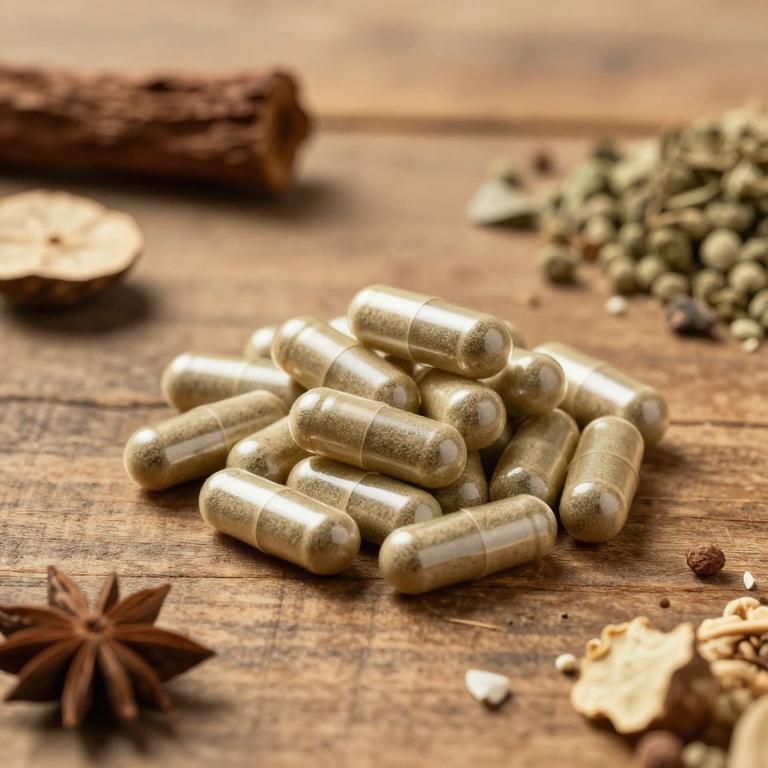
Cinnamomum verum, commonly known as true cinnamon, has been traditionally used in herbal medicine for its potential to alleviate hiccups.
The essential oils and compounds found in cinnamon, such as cinnamaldehyde and eugenol, are believed to relax the diaphragm and reduce the spasmodic contractions that cause hiccups. Herbal capsules containing Cinnamomum verum are often used as a natural remedy due to their mild and pleasant flavor. These capsules are typically taken in small doses, either directly or mixed with water, to ease the discomfort of persistent hiccups.
While generally safe, it is advisable to consult a healthcare professional before using cinnamon supplements, especially for prolonged periods or in combination with other medications.
9. Dog rose (Rosa canina)
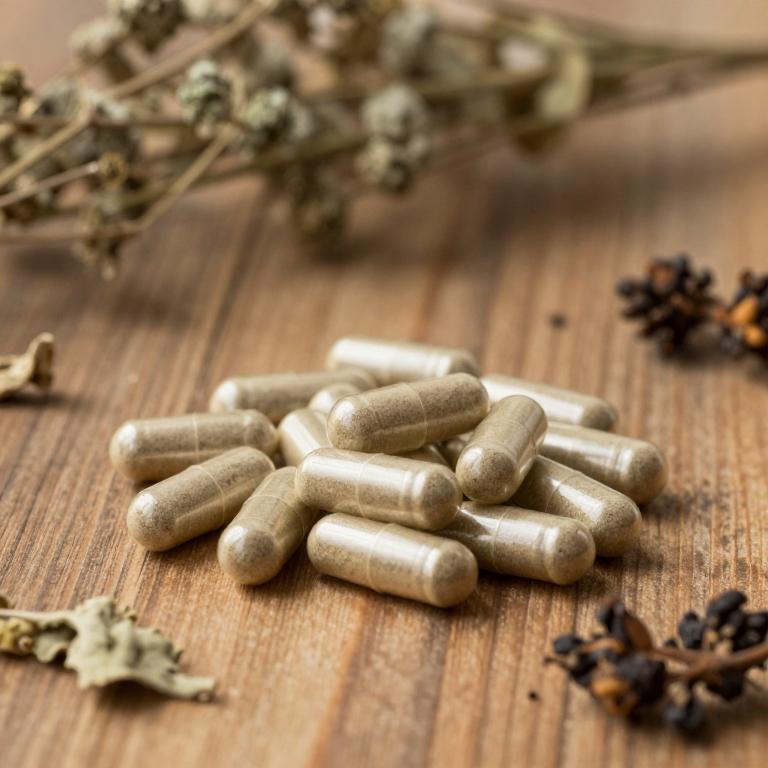
Rosa canina, also known as rosehip, is a traditional herbal remedy that has been used for centuries to address various health concerns, including hiccups.
The herbal capsules containing Rosa canina are formulated to support digestive health and may help alleviate the persistent and uncomfortable sensation of hiccups. These capsules are typically made from the dried fruits of the Rosa canina plant, which are rich in essential nutrients like vitamin C, antioxidants, and flavonoids. The mechanism behind its effectiveness for hiccups is believed to involve its soothing effect on the digestive system and its potential to reduce irritation in the throat and diaphragm.
As a natural and complementary approach, Rosa canina herbal capsules are often recommended for individuals seeking gentle relief from occasional hiccups without resorting to pharmaceutical interventions.
10. Parsley (Petroselinum crispum)
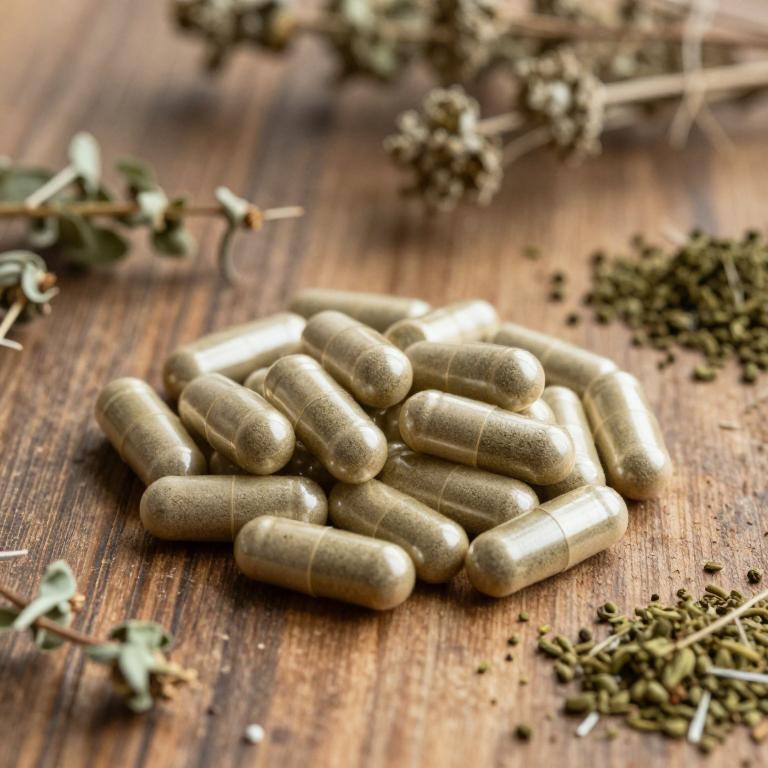
Petroselinum crispum, commonly known as parsley, has been traditionally used in herbal medicine for its potential to alleviate hiccups.
The herbal capsules containing petroselinum crispum are believed to work by stimulating digestive enzymes and reducing gas buildup in the stomach, which can contribute to hiccups. These capsules are often made from dried parsley leaves and are free from artificial additives, making them a natural remedy option. While scientific evidence supporting their effectiveness for hiccups is limited, many users report relief after regular use.
As with any herbal supplement, it is advisable to consult a healthcare professional before use, especially for individuals with pre-existing medical conditions or those taking other medications.