10 Best Herbal Lozenges For Hemorrhoids
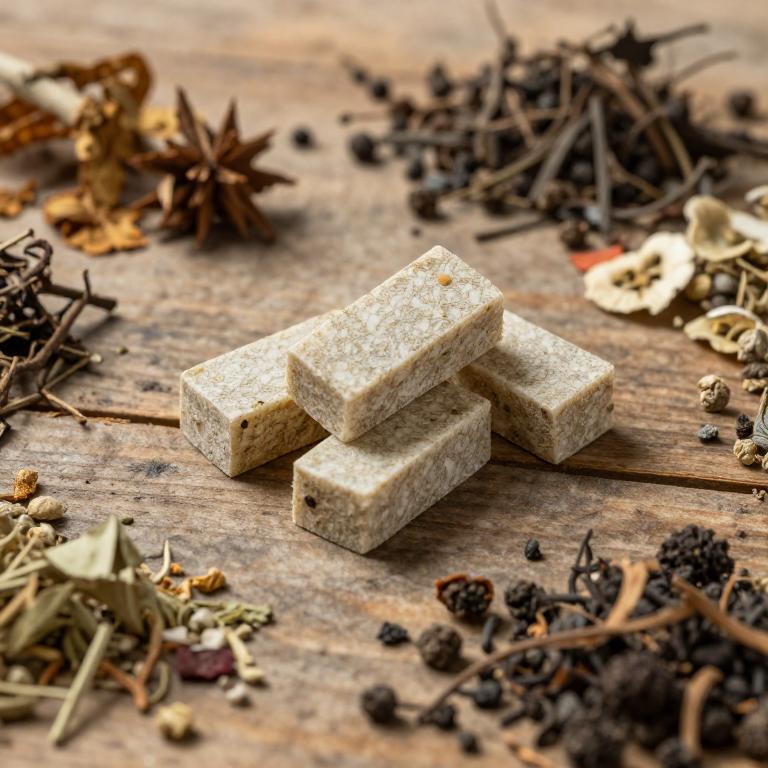
Herbal lozenges for hemorrhoids are natural remedies designed to provide relief from the discomfort, inflammation, and irritation associated with hemorrhoidal conditions.
These lozenges typically contain ingredients such as aloe vera, witch hazel, chamomile, and other anti-inflammatory and soothing herbs that help reduce swelling and promote healing. They are often recommended as a gentle alternative to over-the-counter medications, especially for individuals seeking non-pharmacological options. The slow release of active ingredients allows for prolonged local action, helping to ease pain and discomfort during bowel movements.
While herbal lozenges may not cure hemorrhoids, they can be a useful adjunct in managing symptoms and supporting overall gastrointestinal health.
Table of Contents
- 1. Stinging nettle (Urtica dioica)
- 2. Common buckthorn (Rhamnus frangula)
- 3. St. john's wort (Hypericum perforatum)
- 4. Buckwheat (Plantago ovata)
- 5. Field horsetail (Equisetum arvense)
- 6. Common grape (Vitis vinifera)
- 7. Blessed thistle (Cnicus benedictus)
- 8. Aloe vera (Aloe barbadensis)
- 9. Horse chestnut (Aesculus hippocastanum)
- 10. Ginger (Zingiber officinale)
1. Stinging nettle (Urtica dioica)
Urtica dioica, commonly known as stinging nettle, has been traditionally used for its anti-inflammatory and astringent properties, making it a potential natural remedy for hemorrhoids.
Herbal lozenges containing Urtica dioica are formulated to soothe irritated tissues in the anal area and reduce swelling associated with hemorrhoidal conditions. These lozenges work by promoting tissue healing and reducing internal bleeding, which are common symptoms of hemorrhoids. The active compounds in stinging nettle, such as flavonoids and polysaccharides, contribute to its therapeutic effects.
While they may offer relief, it is advisable to consult a healthcare professional before using them as a complementary treatment for hemorrhoids.
2. Common buckthorn (Rhamnus frangula)
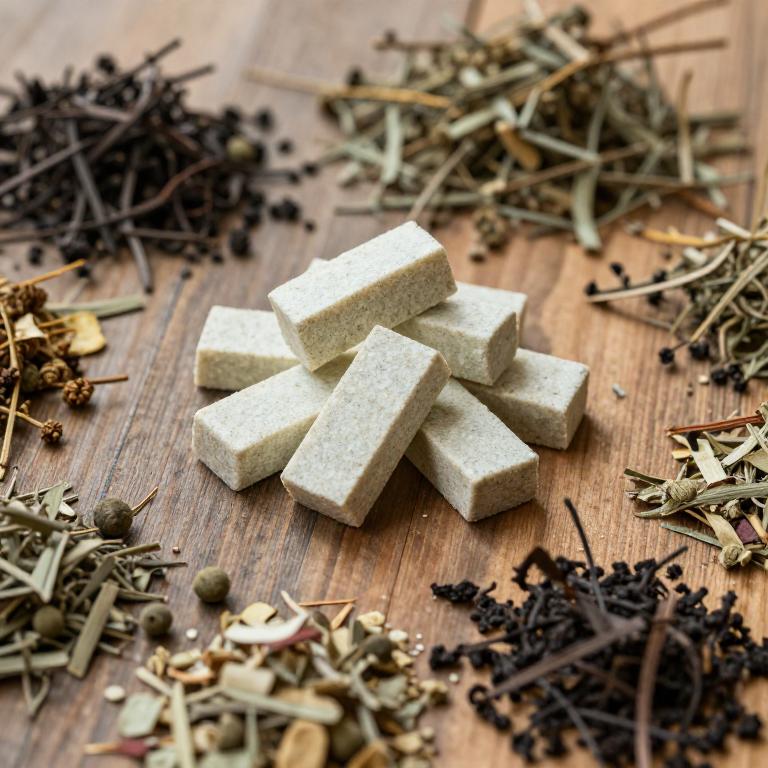
Rhamnus frangula herbal lozenges are traditionally used to alleviate symptoms associated with hemorrhoids, such as itching, irritation, and discomfort.
These lozenges contain a standardized extract of Rhamnus frangula, a plant known for its astringent properties that help reduce inflammation and swelling in the anal area. The active compounds in Rhamnus frangula, including anthraquinones, may contribute to its effectiveness in soothing mucous membranes and promoting healing. While generally considered safe for short-term use, it is important to consult a healthcare provider before using these lozenges, especially for prolonged periods or in individuals with certain medical conditions.
Overall, Rhamnus frangula herbal lozenges offer a natural alternative for managing hemorrhoid-related discomfort.
3. St. john's wort (Hypericum perforatum)
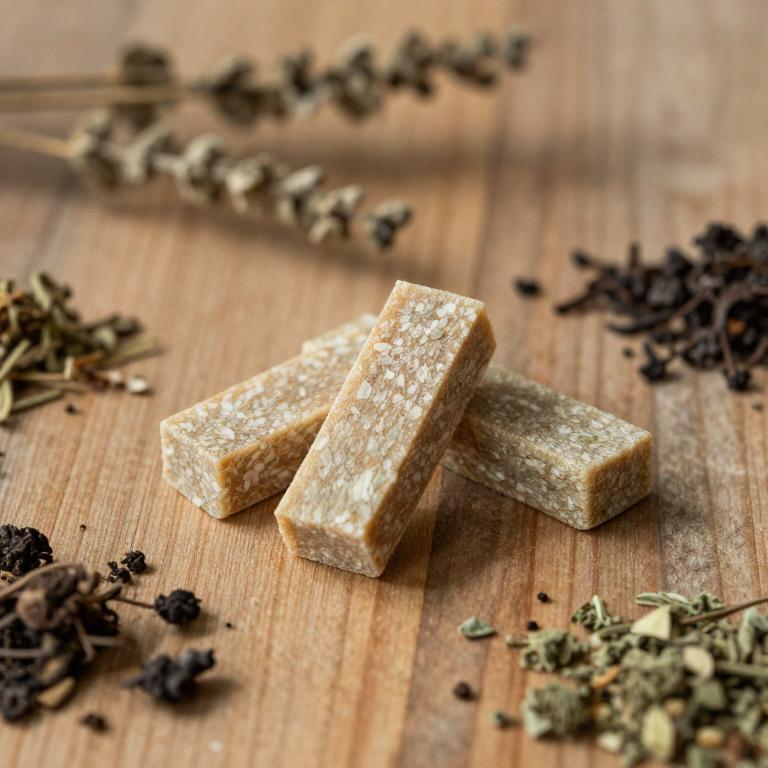
Hypericum perforatum, commonly known as St. John's Wort, is a herbal remedy that has been traditionally used for its anti-inflammatory and antiseptic properties.
While it is more widely recognized for its use in treating mild depression, some studies suggest it may also offer relief for symptoms associated with hemorrhoids due to its potential to reduce inflammation and promote healing. Herbal lozenges containing Hypericum perforatum can help soothe irritated tissues in the anal area and may provide a natural alternative for those seeking non-pharmacological options. However, it is important to consult a healthcare provider before using these lozenges, as they may interact with other medications.
Despite their potential benefits, hypericum perforatum lozenges should not replace medical treatment for severe or persistent hemorrhoids.
4. Buckwheat (Plantago ovata)
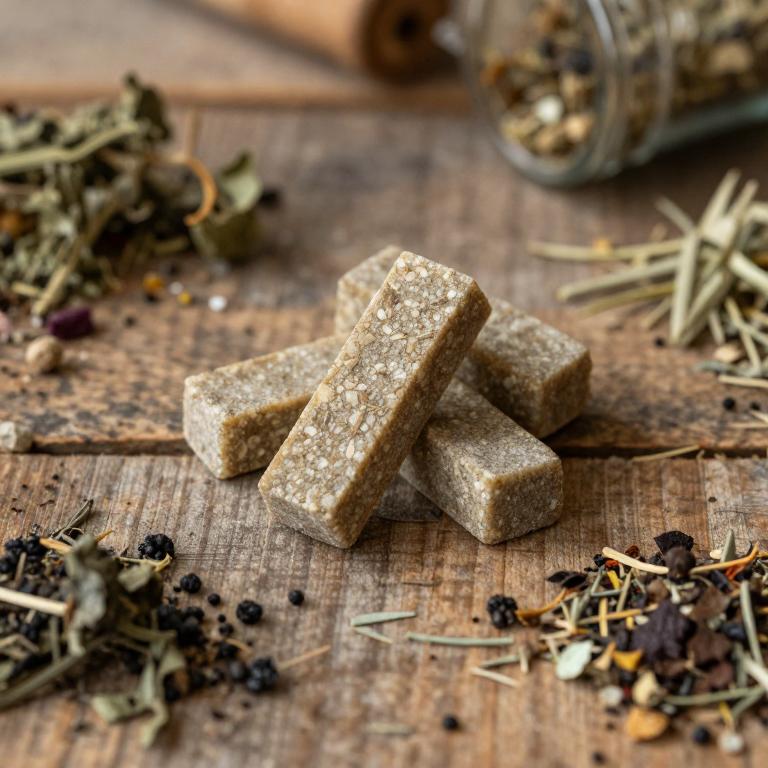
Plantago ovata, commonly known as psyllium, is a natural herb often used in herbal lozenges to alleviate symptoms of hemorrhoids.
These lozenges are formulated with psyllium husk, which is rich in soluble fiber and can help soothe irritated tissues in the anal area. The soothing properties of psyllium may reduce inflammation and promote healing by improving bowel movements and reducing constipation, a common contributor to hemorrhoids. Additionally, the mild antiseptic and anti-inflammatory effects of plantago ovata may help prevent infections and ease discomfort.
As a natural remedy, these lozenges offer a gentle and non-invasive option for managing hemorrhoid symptoms.
5. Field horsetail (Equisetum arvense)
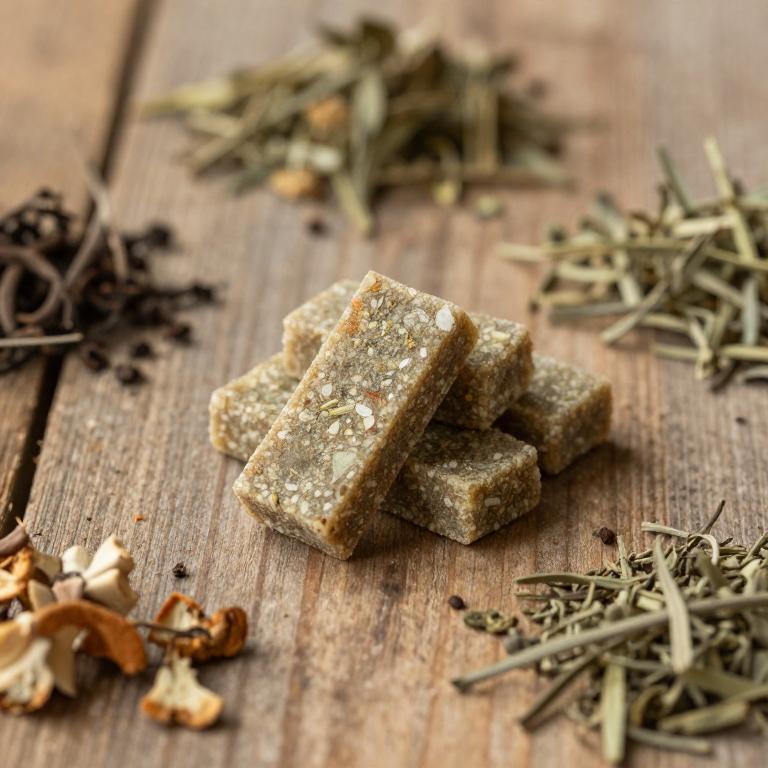
Equisetum arvense herbal lozenges are formulated to provide natural relief for symptoms associated with hemorrhoids, such as pain, swelling, and irritation.
These lozenges contain extracts from the horsetail plant, which is known for its high concentration of silica and other anti-inflammatory compounds. The cooling and astringent properties of Equisetum arvense help to soothe the affected area and reduce inflammation. They are often used as a complementary therapy alongside conventional treatments for hemorrhoids.
However, it is advisable to consult a healthcare professional before using these lozenges, especially if you have underlying health conditions or are taking other medications.
6. Common grape (Vitis vinifera)
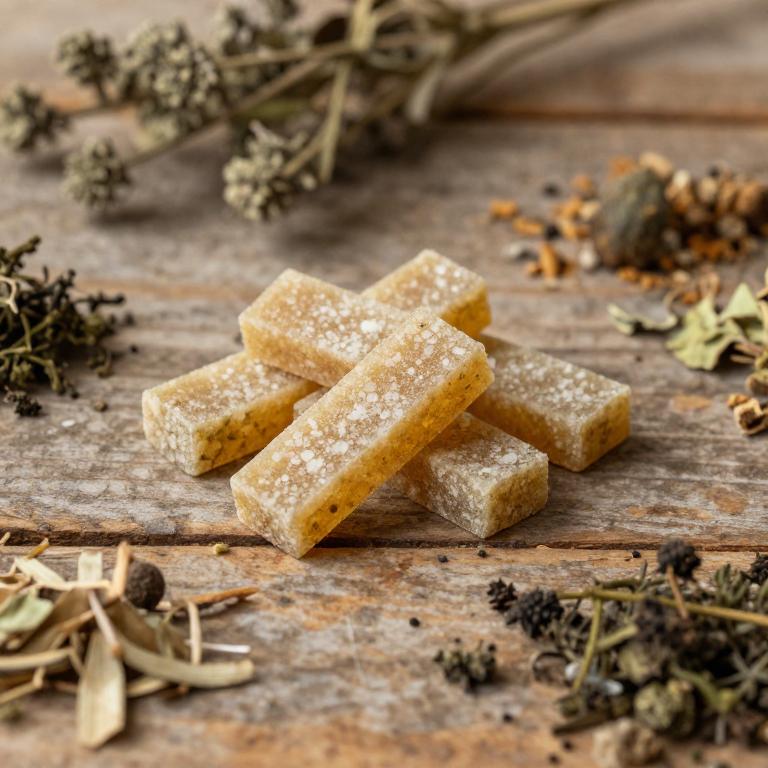
Vitis vinifera herbal lozenges are a natural remedy designed to provide relief from the discomfort associated with hemorrhoids.
These lozenges contain extracts from the grapevine, which is rich in antioxidants and anti-inflammatory compounds known to support digestive health. The soothing properties of Vitis vinifera help reduce swelling and irritation in the anal area, promoting faster healing. They are often used as a complementary therapy to conventional treatments for hemorrhoids.
Due to their gentle formulation, these lozenges are suitable for individuals seeking a non-invasive and herbal approach to managing hemorrhoid symptoms.
7. Blessed thistle (Cnicus benedictus)
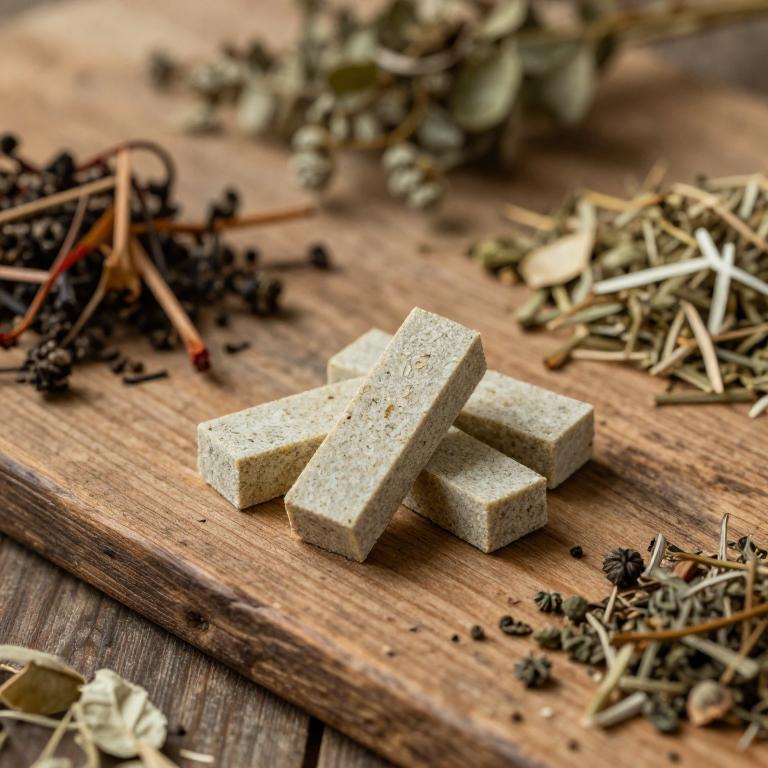
CNICUS BENEDICTUS herbal lozenges are formulated to provide natural relief for symptoms associated with hemorrhoids, such as itching, burning, and irritation.
These lozenges contain a blend of herbal ingredients known for their anti-inflammatory and astringent properties, which help reduce swelling and promote healing of the affected areas. The herbal composition is designed to soothe the mucous membranes and support overall rectal health. Due to their natural formulation, CNICUS BENEDICTUS lozenges are often preferred by individuals seeking alternative or complementary treatments for hemorrhoids.
Regular use of these lozenges may help alleviate discomfort and improve the quality of life for those suffering from hemorrhoidal conditions.
8. Aloe vera (Aloe barbadensis)
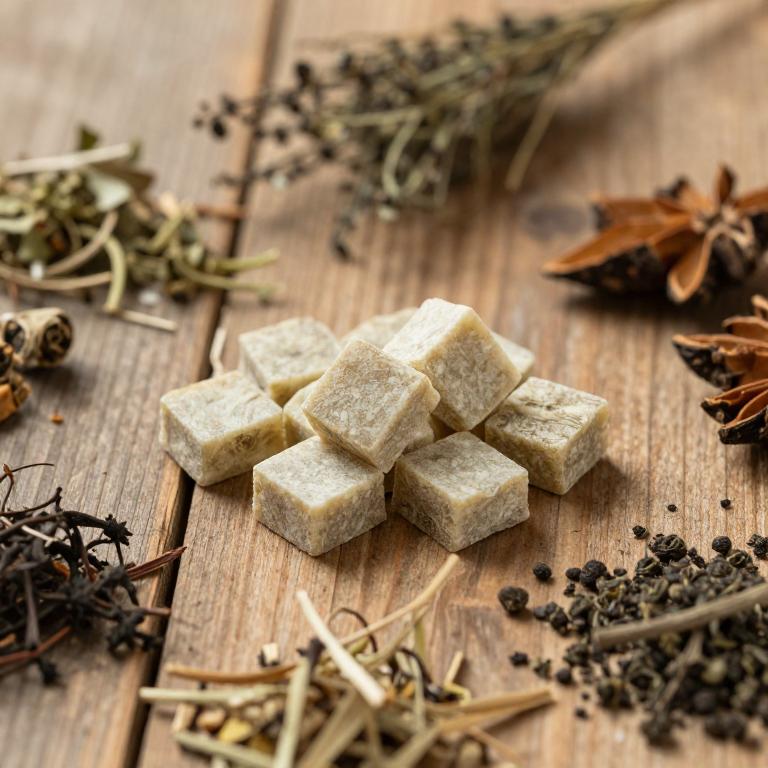
Aloe barbadensis herbal lozenges are a natural remedy designed to provide relief from the discomfort associated with hemorrhoids.
These lozenges contain a concentrated form of aloe vera, which is known for its soothing and anti-inflammatory properties. The gel-like substance in aloe vera helps to reduce swelling and irritation in the anal area, promoting faster healing. They are often used as a complementary therapy alongside other treatments for hemorrhoids.
Regular use of aloe barbadensis lozenges can help alleviate symptoms such as burning, itching, and pain, offering a gentle and effective option for those seeking natural relief.
9. Horse chestnut (Aesculus hippocastanum)
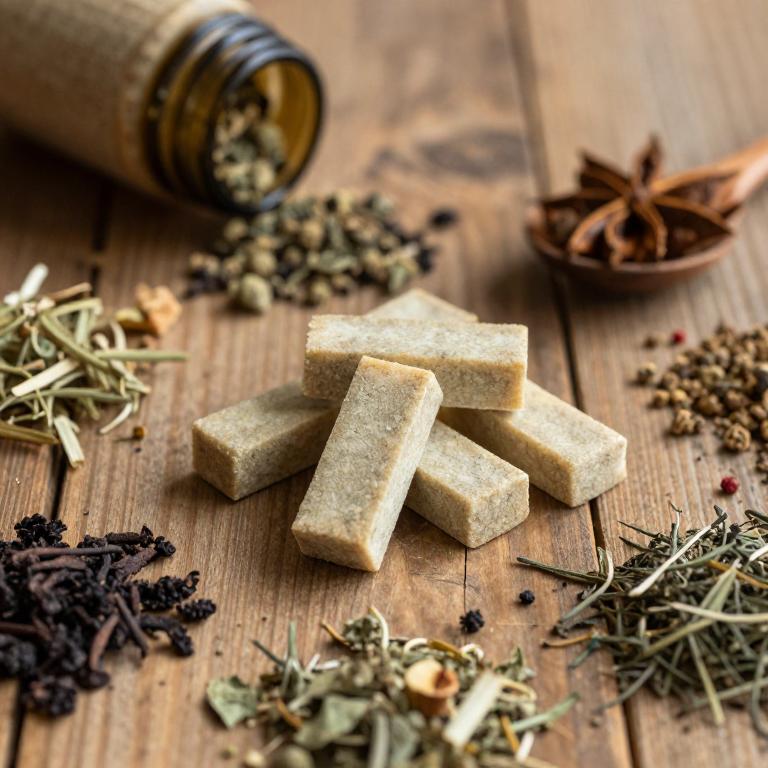
Aesculus hippocastanum, commonly known as the horse chestnut tree, has been traditionally used in herbal medicine for its potential vascular benefits.
Herbal lozenges containing Aesculus hippocastanum extract are sometimes used to support vascular health and may help alleviate symptoms associated with hemorrhoids, such as swelling and inflammation. These lozenges are believed to work by strengthening blood vessel walls and improving circulation, which can reduce the risk of blood pooling in the veins of the rectal area. While they are not a cure for hemorrhoids, they may serve as a complementary therapy when used alongside other treatments.
As with any herbal remedy, it is important to consult with a healthcare professional before use, especially for individuals with existing medical conditions or those taking other medications.
10. Ginger (Zingiber officinale)
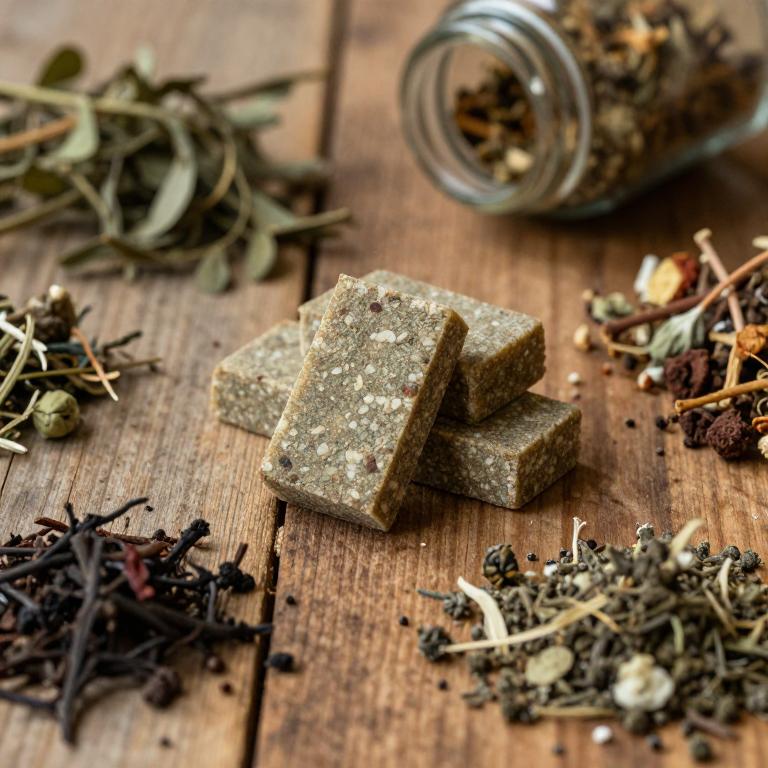
Zingiber officinale, commonly known as ginger, has been traditionally used for its anti-inflammatory and circulatory benefits, making it a potential ingredient in herbal lozenges for hemorrhoids.
These lozenges may help alleviate symptoms such as swelling, irritation, and discomfort by promoting blood flow and reducing inflammation in the anal area. The active compounds in ginger, including gingerol and shogaol, are believed to have soothing and healing properties that support the recovery of affected tissues. While herbal lozenges are generally considered safe, they should not replace medical treatment for severe or persistent hemorrhoids.
It is advisable to consult a healthcare professional before using any herbal remedy to ensure it is appropriate for individual health conditions.